Researchers flag major flaw in Boeing 737 attackers can use to send it off course without the pilot ever knowing

&imwidth=600&imheight=450&format=webp&quality=medium "Researchers flag major flaw in Boeing 737 attackers can use to send it off course without the pilot ever knowing")
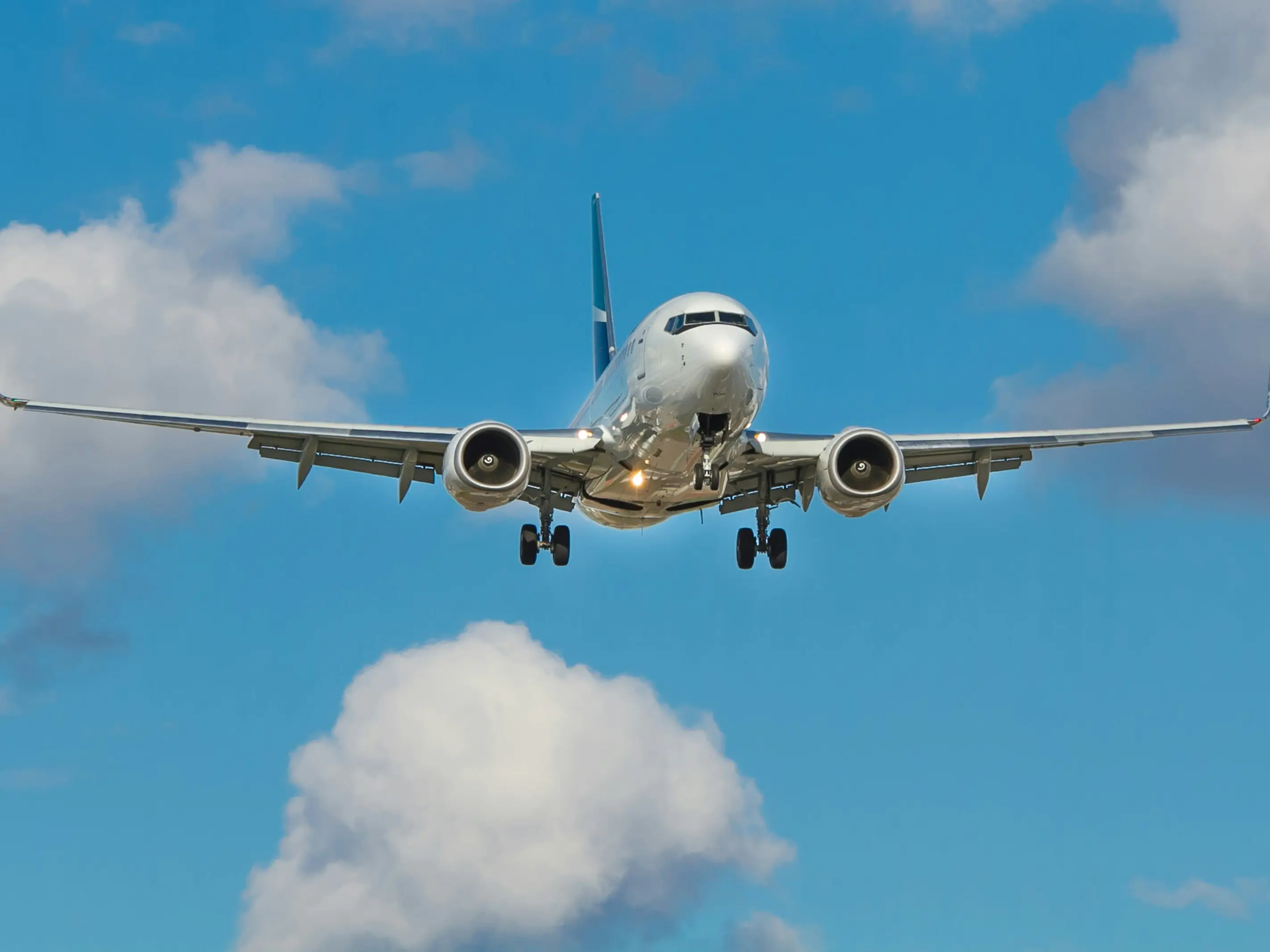
Boeing 737 communications can be hacked using a small device to change its flight path Photograph: (Unsplash)
Researchers have developed a device that can be plugged into the Boeing 737 and then hacked and controlled externally. The team said it had alerted Boeing about the vulnerability in 2020. Meanwhile, the company says there are no risks at this time.
The Boeing 737 aircraft is vulnerable to a takeover by hackers who only need a coin-sized device to do so, experts have warned. Researchers at the University of California San Diego and Oberlin College say this device can hijack the communications between two flight computers on the aircraft. Attackers can use it to change the flight plans and send it off course without the pilot ever knowing.
The team built it for less than $100 and can be plugged into the maintenance port inside an electronics bay underneath the plane’s nose. An exterior hatch on the ground, open to maintenance workers and other staff, can be used to access the bay, creating a major scare. Installing the device would take less than 60 seconds and is Wi-Fi enabled, which allows an attacker to connect it to the plane's internet and then control it remotely. Why would scientists design such a device in the first place?
Researchers warn of major consequences
According to their paper, the intention is to "alert the aviation community to this class of risks" so they can address it before it turns dangerous. "We believe we have made a strong case that time-limited physical access (e.g., 60 seconds) represents a realistic goal for a motivated attacker and that the consequences of even such short access can be significant (and hence are worthy of attention)," the researchers wrote in the paper presented at the USENIX Security Symposium in Baltimore.
Also Read: What is the B-52 Bomber? Everything to know about the aircraft that crashed in California
Trending Stories
)
)
)
)
)
)
)
)
)
)
)
)
)
)
)
)
)
)
)
)
)
)
)
)
)
)
)
)
)
)
)
)
)
)
&im=FitAndFill=(700,400))
)
)
)
)
The aircraft's Flight Management Computer manages the flight plan and gives information needed during takeoff. Pilots control it through the Multipurpose Control Display Unit. The device can interfere with communications between the two, which gives them the power to alter flight routes which would not pop up on the pilot's display. They can use the autopilot to send it to another country's airspace without the pilot's knowledge.
During takeoff, pilots access information about the plane’s weight, balance and outside temperature for a safe takeoff. The device can manipulate this information, creating a dangerous scenario.
According to UC San Diego, nearly 8,000 Boeing 737s are currently in operation, and it is important to learn about such threats. They state that their work identifies a broader cybersecurity risk across the aviation industry. The researchers alerted Boeing about the threat in 2020 but are not sure if it has done anything to fix the issue.
What Boeing said about the threat
Boeing told WIRED that it has reviewed the findings and is confident that current safeguards are sufficient to prevent such attacks. "Our technical experts are confident that the layers of protection in place on the airplane...provide sufficient mitigation to significantly limit the feasibility and risk of real-world attacks."

