Online video piracy is growing. Streaming platforms' anti-consumer moves are part of the problem

&imwidth=600&imheight=450&format=webp&quality=medium "Online video piracy is growing. Streaming platforms' anti-consumer moves are part of the problem")
Piracy is slowly making a comeback as advantages associaetd with streaming are waning Photograph: (Others)
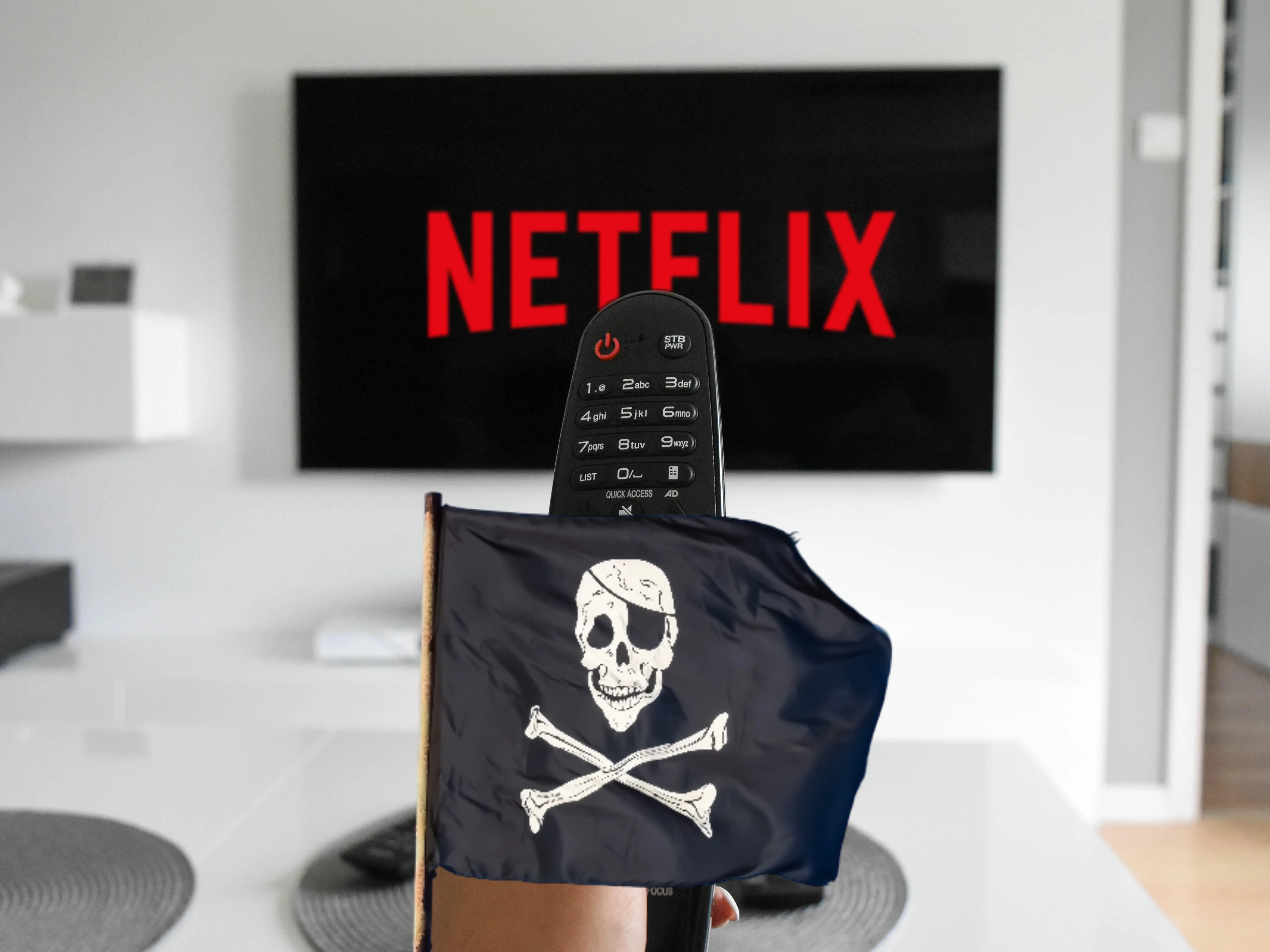
Online video piracy is surging again as streaming platforms have lost the plot on consumer confidence by raising prices, cracking down on password sharing, and fragmenting content. Frustrated users are going back to torrents and piracy sites. Here is a warning shot:
Online video piracy is on rising again, and streaming platforms are partially responsible for driving frustrated consumers back to illicit downloads. Streaming services came to the scene as a legal, convenient alternative to the torrents and online content piracy. In the past five years, online piracy of movies, series, and other content has surged, moving closer to the scale seen before giants like Netflix revolutionised content access. While Hollywood studios fought piracy through courts and legislation, leading to crackdowns on torrent sites and piracy platforms, streaming services have been squeezing consumers in recent years through raising subscription fees, aggressive password-sharing restrictions, and fragmented content distributed across multiple platforms. The result? Viewers find themselves subscribing to numerous services to keep up, pushing some back to piracy in order to dodge the rising costs.
Rise of piracy is a consumer baclash against streaming giants
Anecdotal evidence suggests that many consumers now simultaneously maintain paid streaming subscriptions and access content through piracy websites, blending both worlds as they juggle convenience, cost, and availability. We are essentially seeing a return to the early 2010s, when online piracy thrived before streaming’s golden era took hold.
Analysts frame this resurgence of piracy as a consumer backlash against price hikes, ad intrusions, and the growing complexity of streaming services. Estimates from MUSO, a leading anti-piracy firm, show global piracy site visits ballooned from approximately 104 billion in 2020 to over 216 billion in 2024 — a staggering 66 per cent increase in just four years, with film and TV downloads leading the surge.
The rising costs of streaming services, coupled with new ad-supported tiers and the controversial crackdown on password sharing led by Netflix and followed by others, have depleted the appeal that once drove people away from illegal sources.
Trending Stories
&imwidth=280&imheight=210&format=webp&quality=medium)
&imwidth=280&imheight=210&format=webp&quality=medium)
&imwidth=280&imheight=210&format=webp&quality=medium)
&imwidth=280&imheight=210&format=webp&quality=medium)
&imwidth=280&imheight=210&format=webp&quality=medium)
&imwidth=280&imheight=210&format=webp&quality=medium)
&imwidth=280&imheight=210&format=webp&quality=medium)
&imwidth=280&imheight=210&format=webp&quality=medium)
&imwidth=280&imheight=210&format=webp&quality=medium)
&imwidth=280&imheight=210&format=webp&quality=medium)
&imwidth=280&imheight=210&format=webp&quality=medium)
&imwidth=280&imheight=210&format=webp&quality=medium)
&imwidth=280&imheight=210&format=webp&quality=medium)
&imwidth=280&imheight=210&format=webp&quality=medium)
&imwidth=280&imheight=210&format=webp&quality=medium)
&imwidth=280&imheight=210&format=webp&quality=medium)
&imwidth=280&imheight=210&format=webp&quality=medium)
&imwidth=280&imheight=210&format=webp&quality=medium)
&imwidth=280&imheight=210&format=webp&quality=medium)
&imwidth=280&imheight=210&format=webp&quality=medium)
&imwidth=280&imheight=210&format=webp&quality=medium)
&imwidth=280&imheight=210&format=webp&quality=medium)
&imwidth=280&imheight=210&format=webp&quality=medium)
&imwidth=280&imheight=210&format=webp&quality=medium)
&imwidth=280&imheight=210&format=webp&quality=medium)
&imwidth=280&imheight=210&format=webp&quality=medium)
&imwidth=280&imheight=210&format=webp&quality=medium)
&imwidth=280&imheight=210&format=webp&quality=medium)
&imwidth=280&imheight=210&format=webp&quality=medium)
&imwidth=280&imheight=210&format=webp&quality=medium)
&imwidth=280&imheight=210&format=webp&quality=medium)
&imwidth=280&imheight=210&format=webp&quality=medium)
&imwidth=280&imheight=210&format=webp&quality=medium)
&imwidth=280&imheight=210&format=webp&quality=medium)
&im=FitAndFill=(700,400)&imwidth=280&imheight=210&format=webp&quality=medium)
&imwidth=280&imheight=210&format=webp&quality=medium)
&imwidth=280&imheight=210&format=webp&quality=medium)
&imwidth=280&imheight=210&format=webp&quality=medium)
&imwidth=280&imheight=210&format=webp&quality=medium)
Streaming was once the darling of entertainment industry but then, this happened
Between 2015 and 2020, the early boom of official streaming offered consumers affordable, on-demand access to vast libraries, often outpacing the speed and convenience of illegal torrenting. But since 2020, particularly in the Covid pandemic and post-pandemic years, piracy has been bouncing back.
Rising living costs and what some call ‘streaming fatigue’ — the exhaustion of juggling multiple platforms — have contributed to this reversal.
Data from MUSO’s 2023 report revealed that pirated video content attracted over 229 billion visits annually, with film piracy traffic spiking sharply in recent years. Due to conent piracy, the entertainment industry has reportedly lost tens of billions annually worldwide, affecting jobs and revenues across the sector.
Torrenting is being embraced by the young generation
Despite law enforcement actions including site blocking and server raids, torrent sites remain active and continue to serve a dedicated user base. In regions like Sweden, 25 per cent of people - mostly aged 15 to 24 - openly admit to pirating content, often via torrents, viewing streaming as “cable 2.0.”
Many users automate torrent setups to build seamless, ad-free libraries, effectively creating their own DIY Netflix without subscription fees.
How streaming industry lost consumer confidence
Streaming giants' recent policies look more punitive than consumer-friendly. Average household spending on streaming in the US is estimated to have climbed substantially, with Netflix’s monthly fees rising from around $8 in 2011 to over $15 in 2023.
Disney+ and Max have also increased subscription prices, while content fragmentation forced consumers to juggle multiple subscriptions—sometimes costing $50 to $100 monthly per househild. These amounts often surpass the expense of traditional cable TV.
Streaming platforms have introduced cheaper, ad-supported plans, yet “ad creep” has begun to infiltrate even so-called ad-free tiers, prompting complaints about interruptions that users once avoided by pirating content.
The “seamless viewing experience” is increasingly cited as a key factor driving consumers toward piracy, which offers uninterrupted access without ads or limits.
The fragmentation of content licensing has exacerbated the issue. Disney’s withdrawal of its titles from competing platforms, and the constant shuffle of exclusives mean viewers are forced into a frustrating hunt across multiple apps. As a consequence, more than 90 per cent of piracy traffic in 2023 targeted movies and TV shows.
Password-sharing crackdowns, especially those initiated by Netflix in 2023, have stirred dissatisfaction among younger viewers who traditionally shared family accounts. For many, piracy now appears as the easiest, cheapest solution when faced with subscription fees hovering around $15 or more per service.
Users view piracy as acceptable
When legal alternatives feel overpriced or bogged down with ads, surveys are showing that viewrs think piracy is acceptable. Industry experts like Andy Chatterley of MUSO highlighted that piracy fills the “seamless viewing experience” gap left by streaming services, offering users access, affordability, and ownership—albeit illegally.
While unlicensed streaming dominates much piracy traffic, torrents still play a significant role, prized for their high-quality downloads and offline viewing capabilities.
Streamers are prioritising profit over experience. It will hurt them
As streaming platforms prioritise profits over consumer convenience, piracy will continue its resurgence.
If streaming services fail to heed the lessons of the torrent era and address consumer frustrations with pricing, ads, and content fragmentation, the entertainment industry could face substantial revenue losses in the coming years.
The data and consumer sentiment tell a clear story: frustration is winning, and the mantra “Can’t pay, won’t pay” echoes louder than ever.

