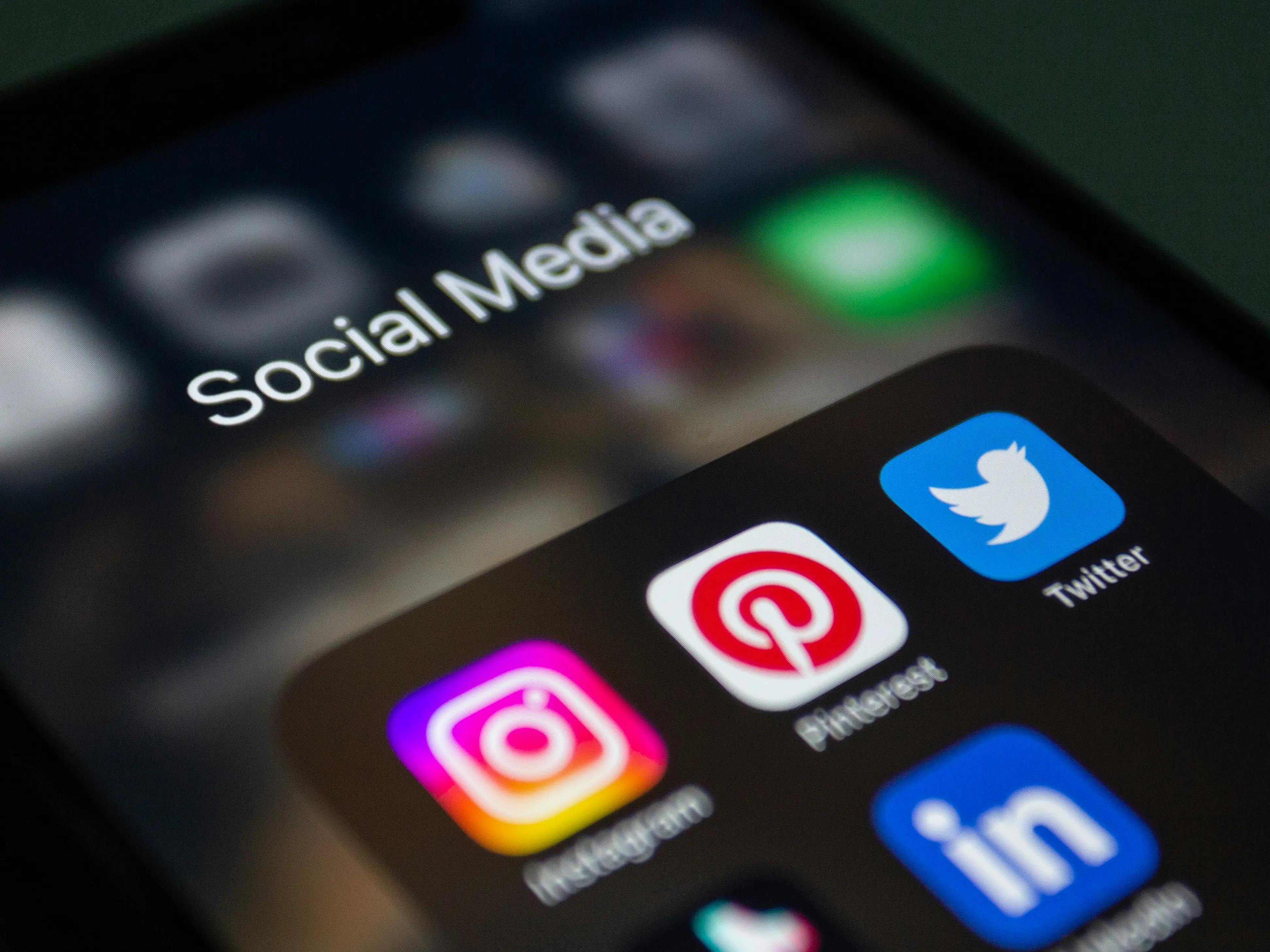
&imwidth=800&imheight=600&format=webp&quality=medium "No social media for children: France passes bill to restrict under-15s; know the countries that have banned platforms for kids")
France's National Assembly passed a bill to bar children under 15 from using social media to protect them from online bullying and mental health impacts. The legislation, which restrict use of mobile phones in high schools, was passed with a vote of 130 to 21 in the lower house after lengthy discussion. However, it will now go to the Senate, France's upper house, ahead of becoming law.
President Emmanuel Macron, who championed the cause, flagged social media as a factor to blame for rising violence among young people and cited Australia's example, which became the first country in the world to ban under-16s from using social media platfoms including Facebook, Snapchat, TikTok and YouTube in December last year.
Macron lauded the vote in favour of restriction as a major step towards ensuring protections of French children and teenagers froms ills of social media. "The emotions of our children and teenagers are not for sale or to be manipulated, either by American platforms or Chinese algorithms," he said.

With social media becoming ubiquitous, the dangers of too much sceentime hindring development of children and causing mental health issue beame a major concern for parents. France's public health watchdog ANSES claimed that social media such as TikTok, Snapchat and Instagram are found to have a detrimental effect on adoloscents especially girls.
Rising concerns over cyberbullying and exposure to violent content prompted countries across the world to take strict action against social media use, while Australia became the first country to impose a strict ban. Several other nations, including the European Union, the United Kingdom and Malaysia, are considering similar restrictions.
Australia: The world-first total ban
Trending Stories
)
‘Partners, not rivals’: Xi outlines four point plan for stronger India-China ties
)
Baba Vanga's first prophecy for 2027 is out, and straight out of science fiction
)
BRICS Summit 2026: Iran's Pezeshkian praises PM Modi at BRICS
)
Modi, Putin, Xi ‘bromance’ goes viral as leaders captured holding hands at BRICS Summit
)
Why dehydration is the hidden cause of travel fatigue on long flights
)
Why does your skin need protection from UV rays?
)
From drones to KAAN fighters: Turkey outlines 229% surge in defence spending amid regional shifts
)
800 million years old - Scientists discover 'fingerprints' of supercontinent Gondwana in ancient rocks
)
BRICS Summit 2026: Modi-Xi meeting to test India-China reset after border tensions
)
BRICS declaration calls for stronger people ties, women-led growth and greater youth cooperation
)
BRICS Summit: All about Xi Jinping's armoured limousine Hongqi that will ferry him in New Delhi
)
Why asking questions could be more important than memorising answers
)
BRICS Summit 2026 full schedule: Day-wise agenda, timings and key issues - All you need to know
)
Israel spent nearly $470,000 on PM's hair, makeup since 2019, data shows
)
Why do wild animals need quiet places to survive?
)
Bigg Boss 20: Uditi Singh reacts to ex Karan Wahi’s possible wildcard entry
)
Could staying indoors all day affect your health?
)
BRICS Summit 2026: 30+ countries seek BRICS membership
)
Trump says Canada eager to reach a deal, it could come ‘fairly soon’ if Ottawa treats US farmers better
)
IND vs AFG, 1st T20I: When and where to watch live streaming in India?
)
‘Differences should not become disputes’: Modi, Xi stress long term India-China ties during bilateral talks
)
Why does your body need time to adjust after a long journey?
)
Top 5 places to visit in Goa beyond its famous beaches
)
Why going digital does not always mean becoming more efficient
)
9/11 attack anniversary: The day that changed America forever
)
BRICS Declaration: China, Russia back India’s UN role, push for greater Global South representation
)
From severe mobility problems to recovery: Madhuri the elephant’s journey of wildlife care
)
Anthropic is giving Claude to schools free, and the reason is not philanthropy
)
From India, Putin warns Europe against sending troops to Ukraine, Zelensky expresses willingness to meet him at G20 Summit
)
9-year-old Chennai prodigy clears Cambridge IGCSE grade 10 exams
)
BRICS Summit: China resumes Guangzhou-New Delhi flight, issues 'good-neighbourliness' remark ahead of Xi-Modi meet
)
Frustrated man demolishes his kitchen after thousands flock to see Mother Mary his wife spotted on the wall
)
BRICS Summit 2026: PM Modi says India and Iran should pursue win-win strategy
)
ENG vs PAK: Joe Root breaks Sachin Tendulkar’s record for most Test fifties
)
Humans may lose control of AI: Anthropic CEO calls for slowdown, Altman, Musk back him
)
How does the loss of forests affect the way wildlife lives and moves?
Australia’s landmark law officially prohibits anyone under 16 from holding accounts on major platforms like TikTok, Instagram, and X. Since its enforcement began in late 2025, over 4.7 million accounts have already been deactivated. Platforms face massive fines of up to $50 million for failing to take "reasonable steps" to prevent underage access.
United Kingdom: Parliamentary pressure
The UK's House of Lords recently voted in favour of a landmark amendment to ban social media for those under 16. This legislative move complements the government’s active three-month consultation on "phone curfews" and enhanced age-verification standards, signalling a shift toward strict prohibition.
Malaysia and Norway: Strict statutory limits
Malaysia has announced a nationwide ban for children under 16, scheduled for July 2026, utilising government-ID-based digital verification (eKYC). Similarly, Norway recently raised its statutory age limit from 13 to 15, citing the urgent need to protect developing minds from addictive design features and harmful algorithms.
United States (Virginia): The one-hour mandate
While a federal ban remains absent in the U.S., Virginia launched a unique law on January 1, 2026. Rather than an outright ban, it mandates a one-hour daily limit for users under 16, requiring "verifiable parental consent" for any extensions.