Autonomous vehicles will ‘drive like humans’ soon. Why Nvidia’s Alpamayo could be the ‘ChatGPT of self-driving’

&imwidth=600&imheight=450&format=webp&quality=medium "Autonomous vehicles will ‘drive like humans’ soon. Why Nvidia’s Alpamayo could be the ‘ChatGPT of self-driving’")
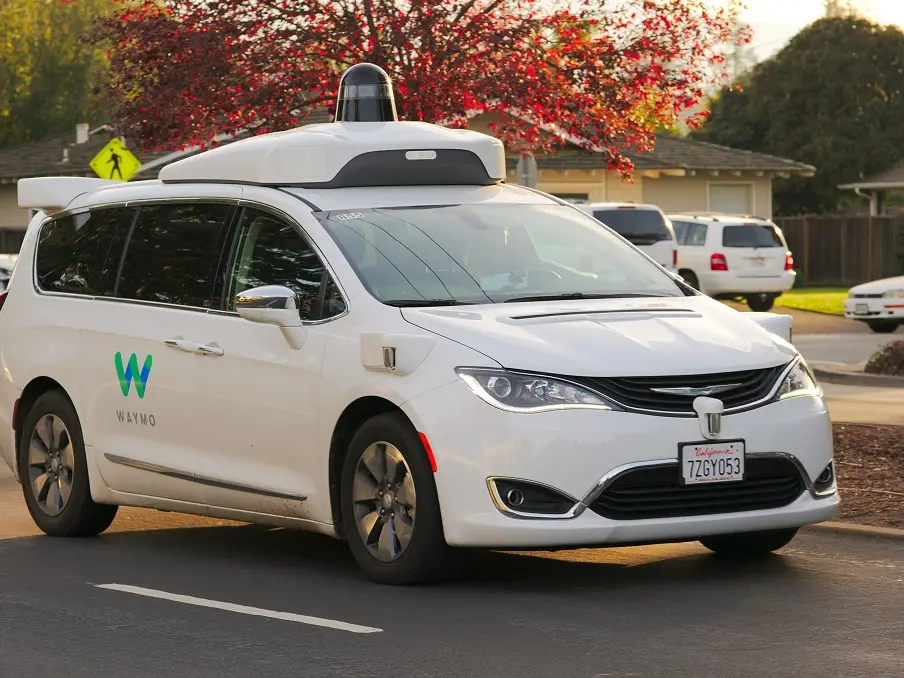
Example of a self-driving car Photograph: (Others)
Nvidia’s Alpamayo AI suite aims to help self-driving cars reason like humans, handling complex traffic scenarios through step-by-step decision-making. Here is what you should know
Self-driving vehicles could start thinking like humans if claims made by Nvidia in announcing its Alpamayo suite of AI tools and models for autonomous vehicles bear fruit. At the Consumer Electronics Show in Las Vegas, Nvidia unveiled new products and services that could potentially turn autonomous vehicles into ‘reasoning vehicles’. The Nvidia technology, along with other innovations, could eventually allow self-driving cars to navigate complex, unpredictable scenarios such as rare traffic edge cases. This would mark a shift from most existing models, which largely follow predefined rules or patterns.
Nvidia on self-driving vehicle future: What is the promise?
Giving the CES 2026 keynote, Nvidia CEO Jensen Huang said, “Today, we are introducing Alpamayo, the world’s first thinking model for autonomous driving. Not only does your car drive as you would, it thinks as you would.”
Calling Alpamayo "a ChatGPT moment for physical AI”, he said the shift is towards machines that can “understand, reason, and act” in the physical world.
What is Alpamayo? Models, tools, methods and ecosystem explained
Alpamayo’s models and tools are designed to help autonomous vehicles reason in a step-by-step manner. The vehicles would, in essence, behave like cars with brains, making decisions in ways closer to human logic. The suite includes open-source AI models, simulation tools, and datasets using reasoning-based approaches.
Trending Stories
&imwidth=280&imheight=210&format=webp&quality=medium)
&imwidth=280&imheight=210&format=webp&quality=medium)
&imwidth=280&imheight=210&format=webp&quality=medium)
&imwidth=280&imheight=210&format=webp&quality=medium)
&imwidth=280&imheight=210&format=webp&quality=medium)
&imwidth=280&imheight=210&format=webp&quality=medium)
&im=FitAndFill=(700,400)&imwidth=280&imheight=210&format=webp&quality=medium)
&imwidth=280&imheight=210&format=webp&quality=medium)
&imwidth=280&imheight=210&format=webp&quality=medium)
&imwidth=280&imheight=210&format=webp&quality=medium)
&imwidth=280&imheight=210&format=webp&quality=medium)
&imwidth=280&imheight=210&format=webp&quality=medium)
&imwidth=280&imheight=210&format=webp&quality=medium)
&imwidth=280&imheight=210&format=webp&quality=medium)
&imwidth=280&imheight=210&format=webp&quality=medium)
&imwidth=280&imheight=210&format=webp&quality=medium)
&imwidth=280&imheight=210&format=webp&quality=medium)
&imwidth=280&imheight=210&format=webp&quality=medium)
&imwidth=280&imheight=210&format=webp&quality=medium)
&imwidth=280&imheight=210&format=webp&quality=medium)
&imwidth=280&imheight=210&format=webp&quality=medium)
&imwidth=280&imheight=210&format=webp&quality=medium)
&imwidth=280&imheight=210&format=webp&quality=medium)
&imwidth=280&imheight=210&format=webp&quality=medium)
&im=FitAndFill=(700,400)&imwidth=280&imheight=210&format=webp&quality=medium)
&imwidth=280&imheight=210&format=webp&quality=medium)
&imwidth=280&imheight=210&format=webp&quality=medium)
&imwidth=280&imheight=210&format=webp&quality=medium)
&imwidth=280&imheight=210&format=webp&quality=medium)
&imwidth=280&imheight=210&format=webp&quality=medium)
&imwidth=280&imheight=210&format=webp&quality=medium)
&imwidth=280&imheight=210&format=webp&quality=medium)
&imwidth=280&imheight=210&format=webp&quality=medium)
&imwidth=280&imheight=210&format=webp&quality=medium)
Technically called “reasoning-based autonomy”, AI models in this suite would think through rare scenarios, drive safely in complex environments, and explain their driving decisions.
Alpamayo 1 is a 10-billion-parameter vision-language-action model that produces driving trajectories along with reasoning that explains its decisions. Another part of the suite is AlpaSim, an open-source, high-fidelity simulation framework for testing autonomous driving behaviour under rare or diverse conditions.
Powering this technology is the Physical AI Open Datasets, which include more than 1,700 hours of driving data from multiple environments and scenarios. According to Nvidia, the large Alpamayo models act as “teacher” models that can be distilled into smaller models suitable for real-time vehicle deployment.
Behind the tech: How human-like reasoning in Alpamayo works
According to Nvidia, Alpamayo will help developers build, fine-tune, test, and validate reasoning-based autonomous driving systems. The company is positioning itself as a platform provider rather than a complete robotaxi solution, a strategy often compared to open-source ecosystems such as Android.
The process involves analysing camera and sensor video for objects, depth, and motion. The models rely on chain-of-thought reasoning to perform step-by-step evaluations of road situations, similar to how a human driver would judge and reason when detecting an obstacle and deciding whether to slow down or change lanes.
The models would be validated through retraining and simulation-based testing of complex scenarios.
Artificial general intelligence in self-driving vehicles: How near are we to this future?
Human-like reasoning would require breakthroughs in artificial general intelligence, or AGI, which is the next level of AI. Nvidia has set 2028 as the target for point-to-point self-driving features in consumer vehicles, with robotaxi testing expected to begin in 2027.
However, there is scepticism. Ride-hailing apps like Lyft said there is “zero likelihood” of reasoning-based self-driving vehicles fully replacing human drivers in the near term. Regulatory, safety, and technical challenges also remain significant hurdles.
When will self-reasoning vehicles roll out?
Automakers and industry players such as Jaguar Land Rover, Lucid, Uber, and Berkeley DeepDrive have shown interest in Alpamayo. Nvidia expects early real-world integrations to begin in the first quarter of this year.