&imwidth=800&imheight=600&format=webp&quality=medium "Man uses ChatGPT to help design an mRNA vaccine to save his dog; OpenAI CEO Sam Altman reacts")
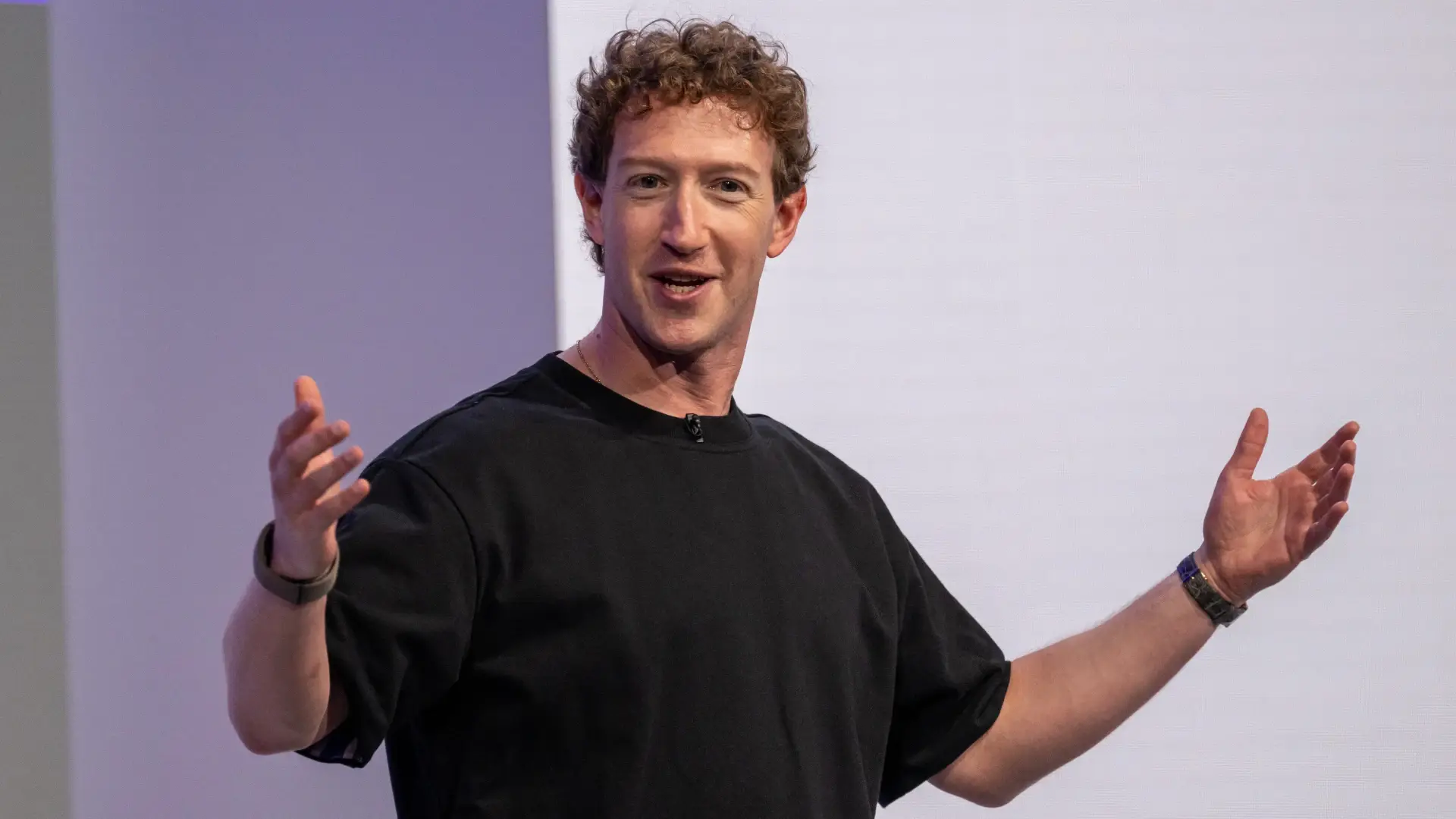
Sam Altman, chief executive of OpenAI, shared a post on X about a man who used ChatGPT, to help design a potential mRNA vaccine protocol to treat his dog. Altman described the meeting as one of the most interesting conversations he had that week.
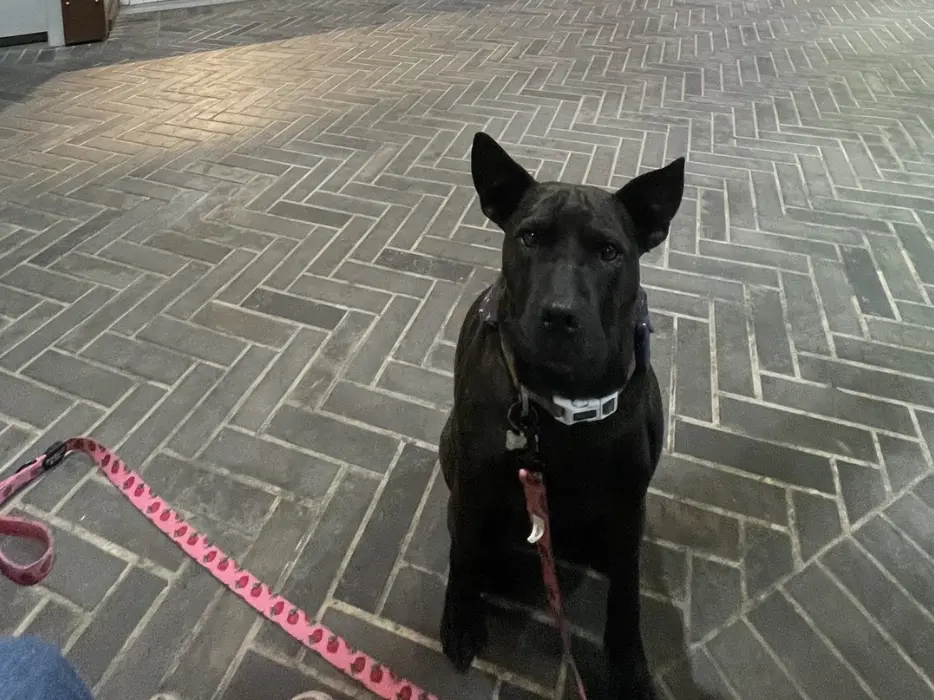
According to Altman, the man behind the effort, Paul Conyngham, used AI tools alongside human expertise to create a treatment protocol aimed at saving his dog named Rosie.
How AI helped design the vaccine protocol

In a post shared on X, Conyngham explained that AI tools played a major role in planning the process.
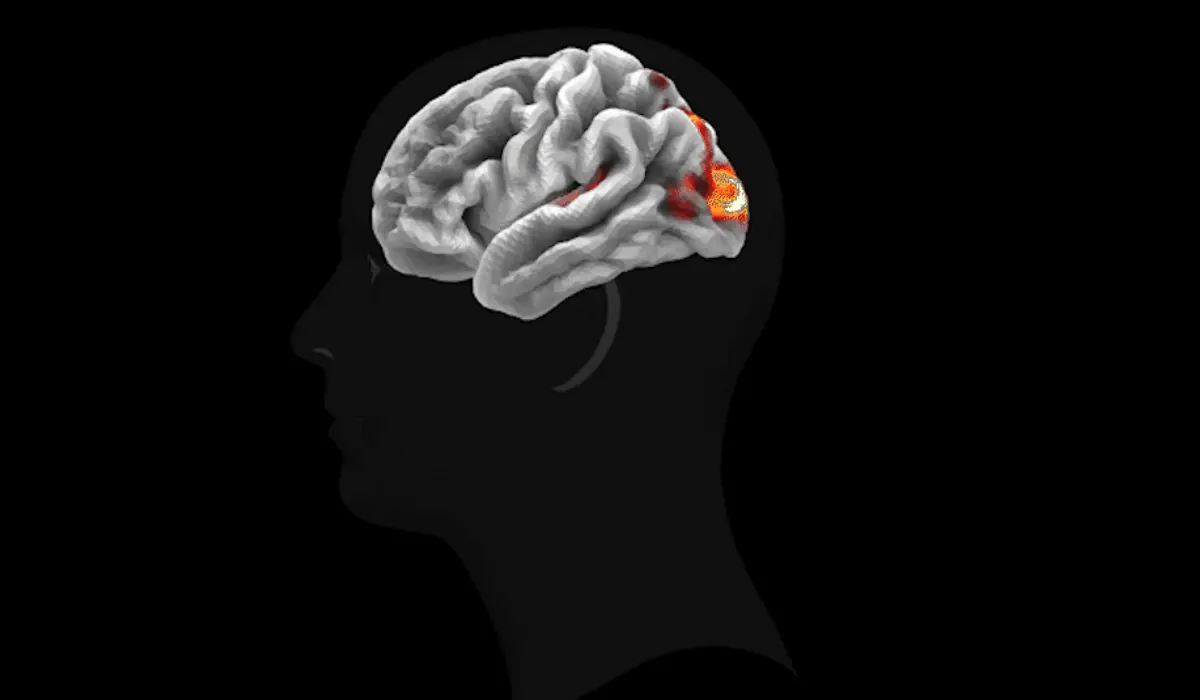
He said chatbots helped him perform tasks that would normally require a large research team. These included analysing genomic information, exploring treatment options and designing a potential vaccine protocol.
“The chatbots empowered me as an individual to act with the power of a research institute,” he wrote.
According to his description, AI assisted with:
Planning research steps
Trending Stories
)
Mushtaq Khan dies at 56: When Welcome actor opened up about his salary for iconic role Ballu
)
US Supreme Court backs Trump administration's use of SAVE database to check voter citizenship
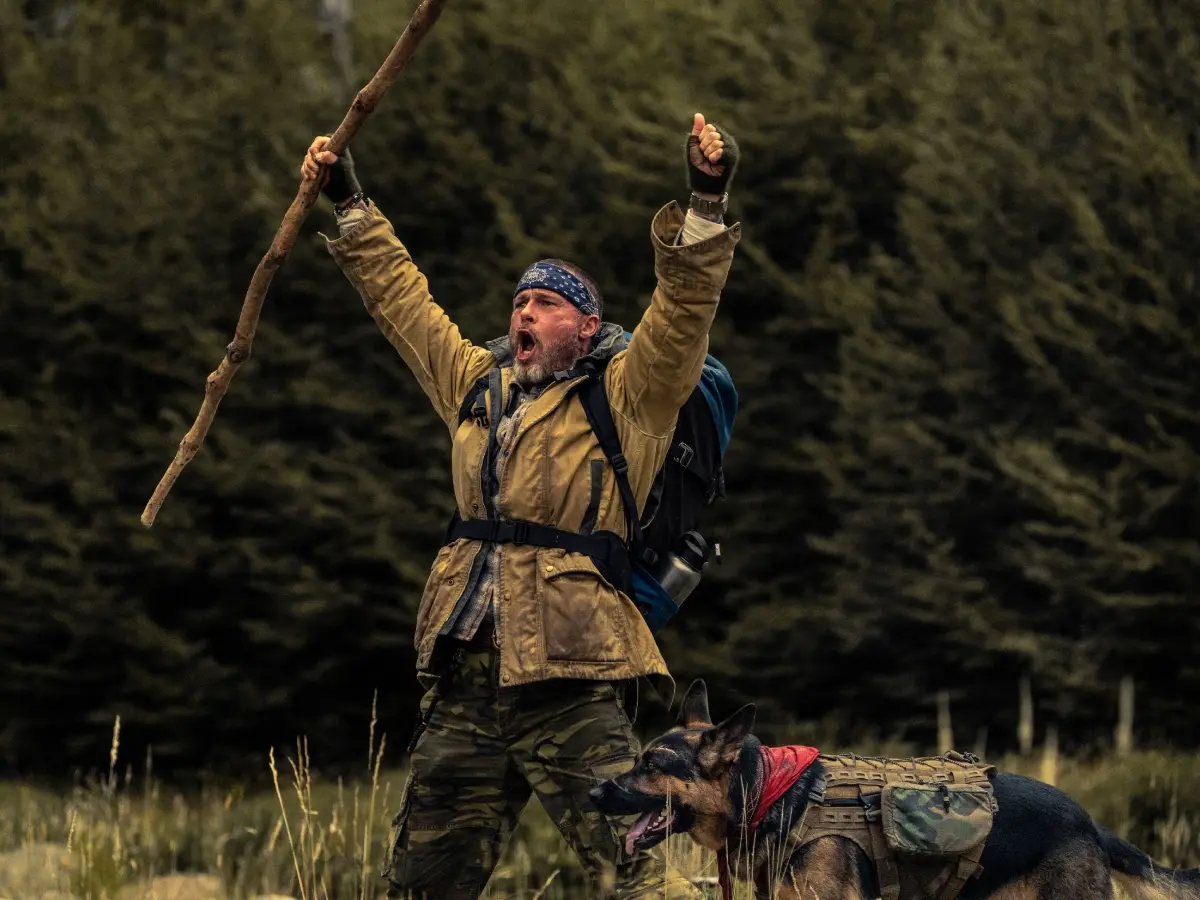)
Heart of the Beast review: Brad Pitt leads a gripping tale of survival and loyalty
)
Outrage erupts after 3-year-old is married to 60-year-old man in Pakistan, link to her sister's murder being probed
)
Pakistan deploys over 20,000 security personnel as PTI vows march for Imran Khan's release
)
Asian Games: Shooting spree continues as India win silver in women’s 50m rifle 3P team event
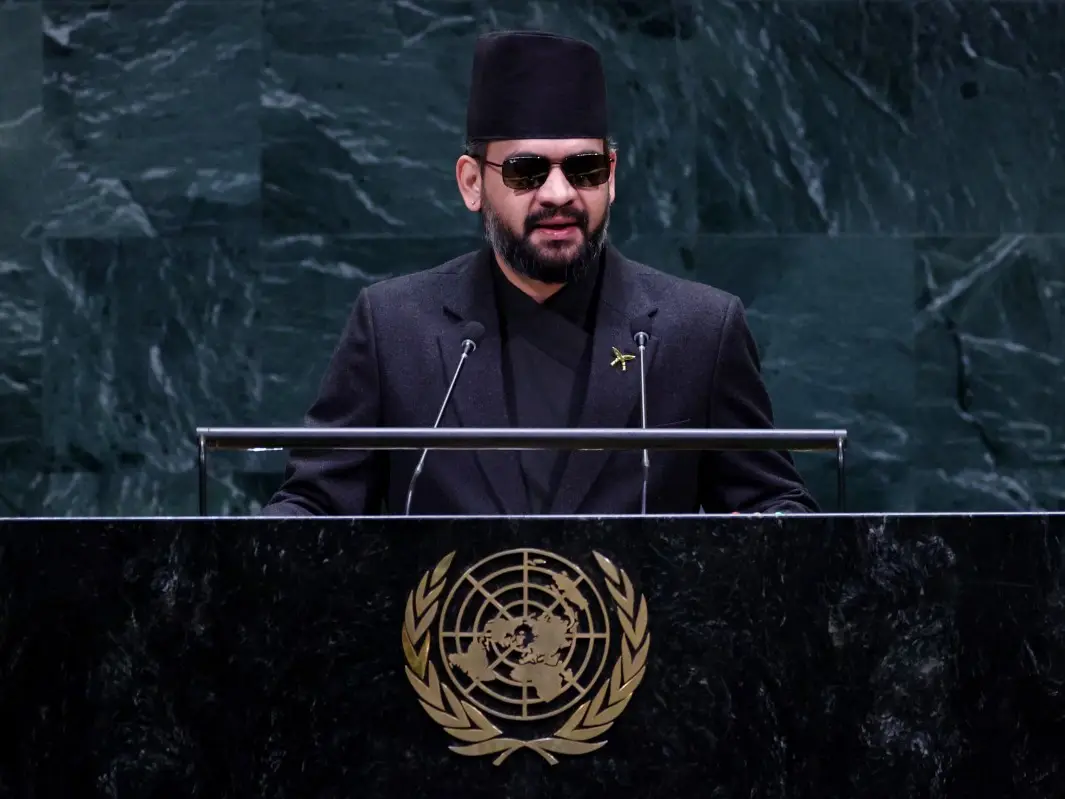)
‘Not just a local tragedy’: Nepal PM Shah warns UN of growing climate threat, says Nepal floods were 'a warning to the world'
)
OpenAI AI Agents hacked 4 websites before Hugging Face, researchers reveal
)
Pentagon quietly adds 37 wounded troops to Iran war tally without explaining when or how
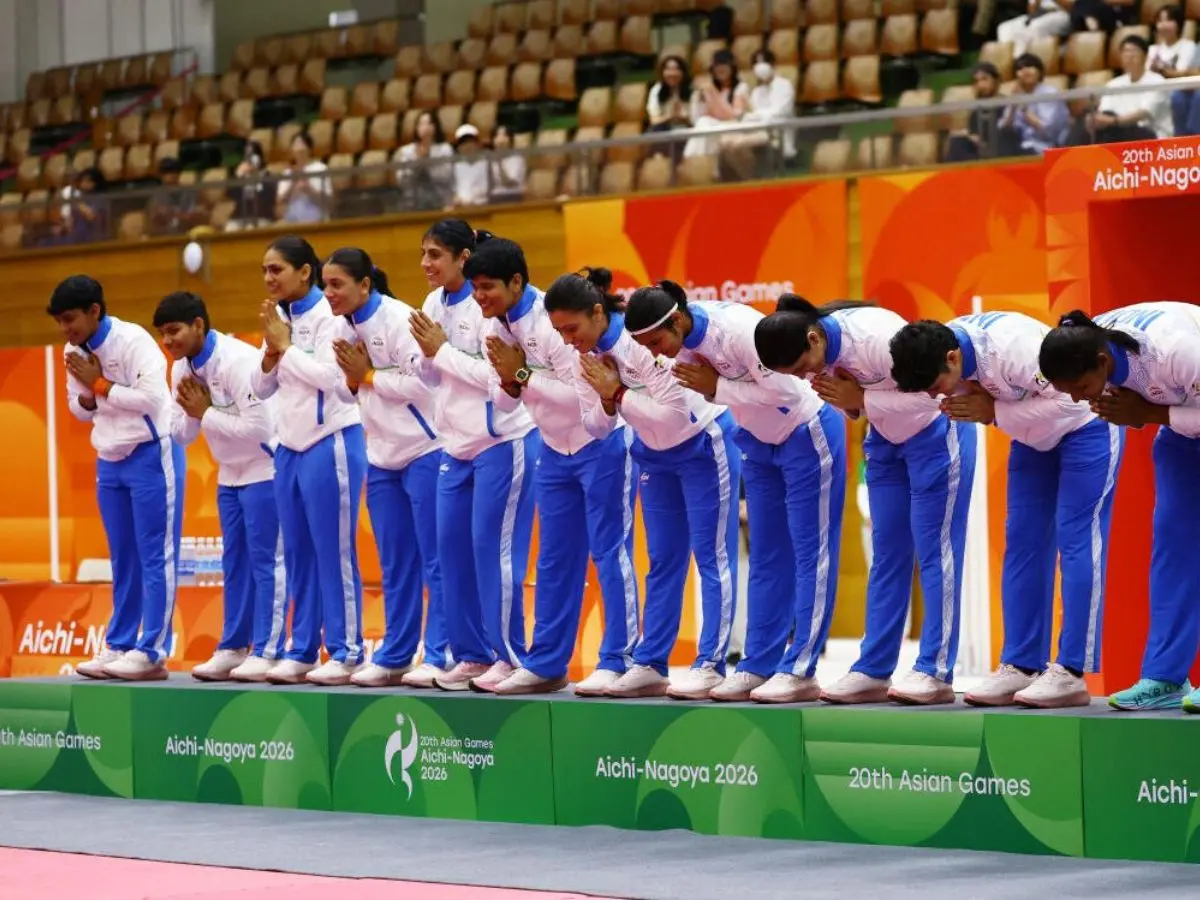)
Asian Games 2026: India women’s kabaddi team edge Iran 37-34 to clinch 3rd gold medal
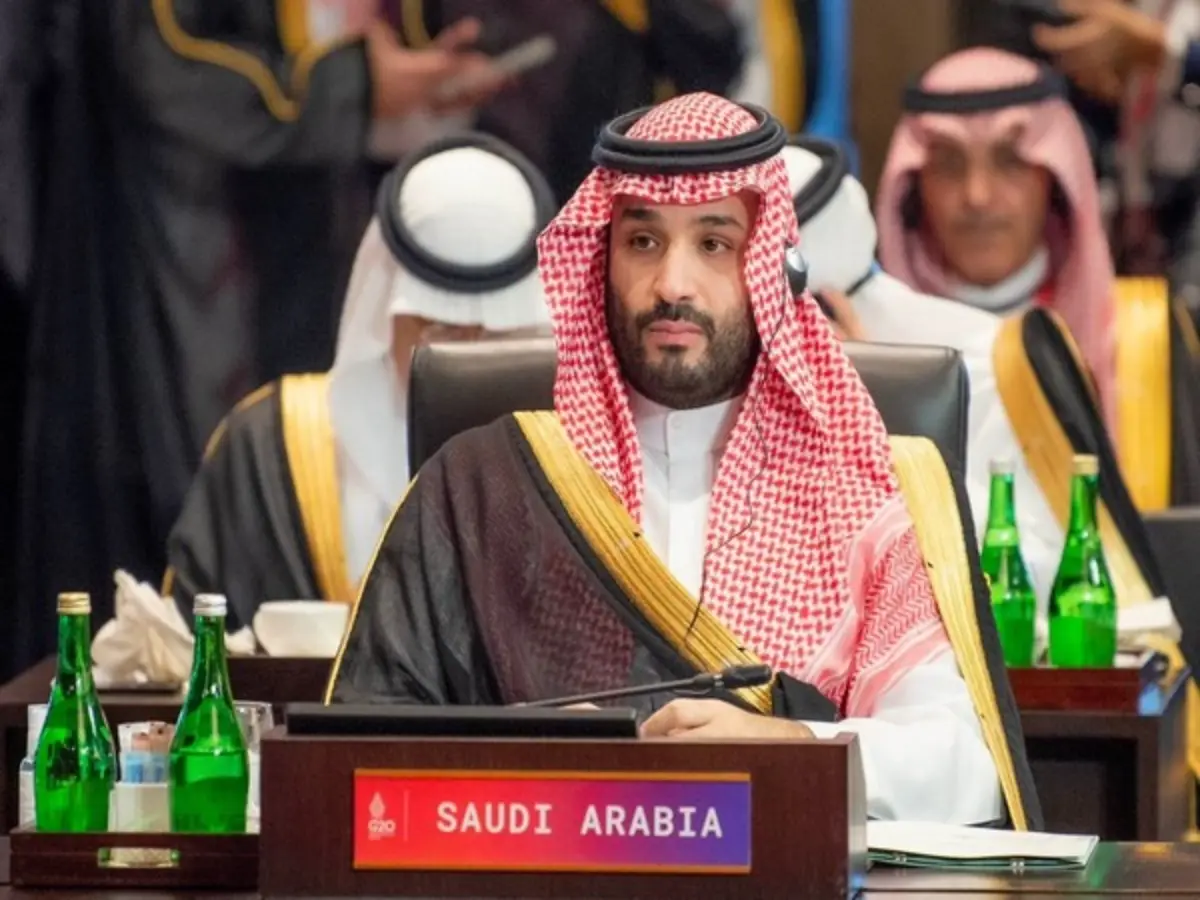)
Saudi Arabia still harbours intent to develop nuclear weapons, reveals US intelligence: Report
&im=FitAndFill=(700,400))
New Friday OTT releases (September 25, 2026): Don’t Be Shy, Hunkkaar: The Roar, Mango Pachcha- 6 movies and TV shows on Netflix, Prime Video and more
)
Yemen's war escalates: Saudi-backed leader calls for general mobilisation against the Houthis
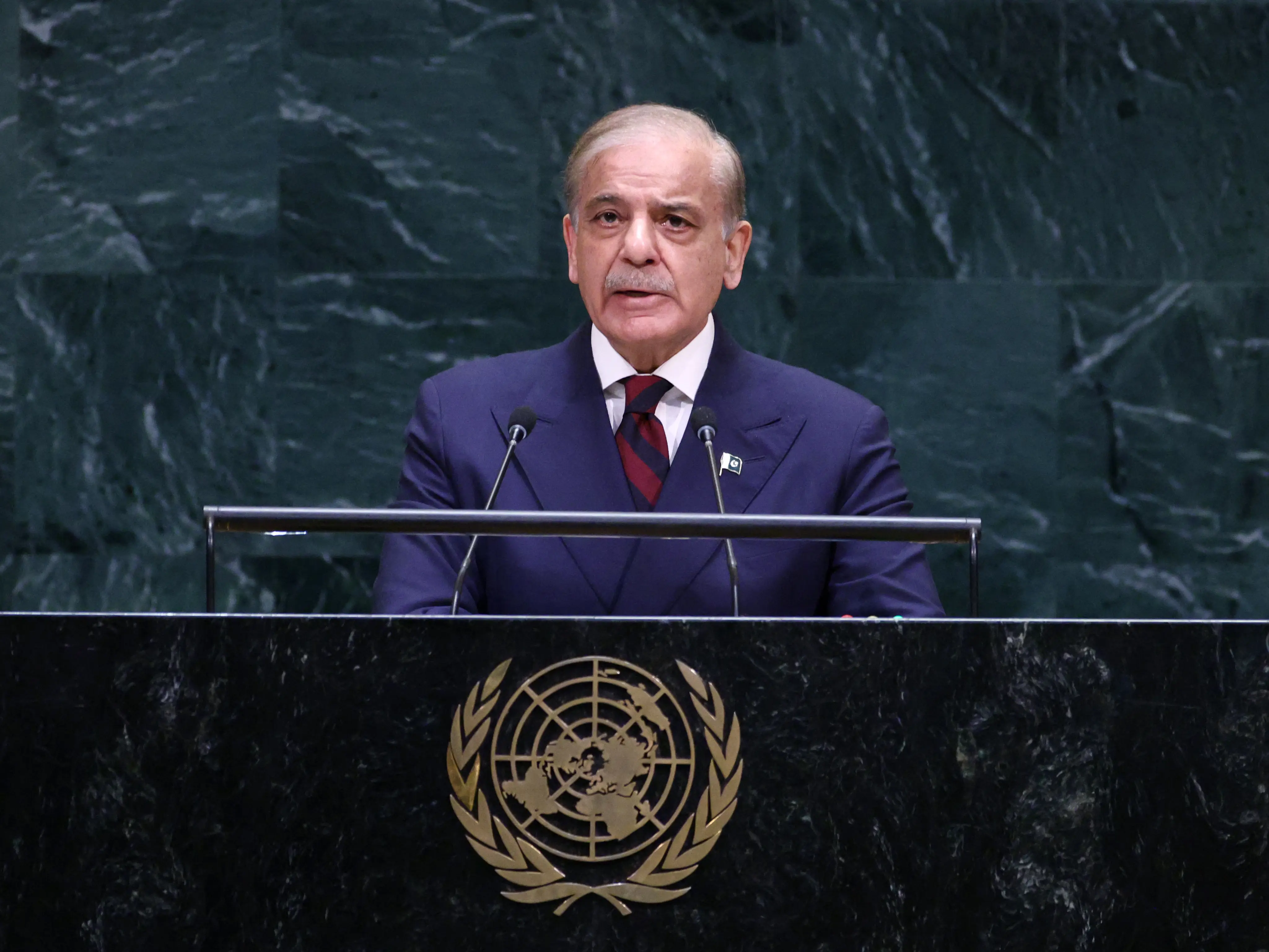)
‘Attack on Mecca a red line for Pakistan’: Shehbaz Sharif warns Houthis at UN
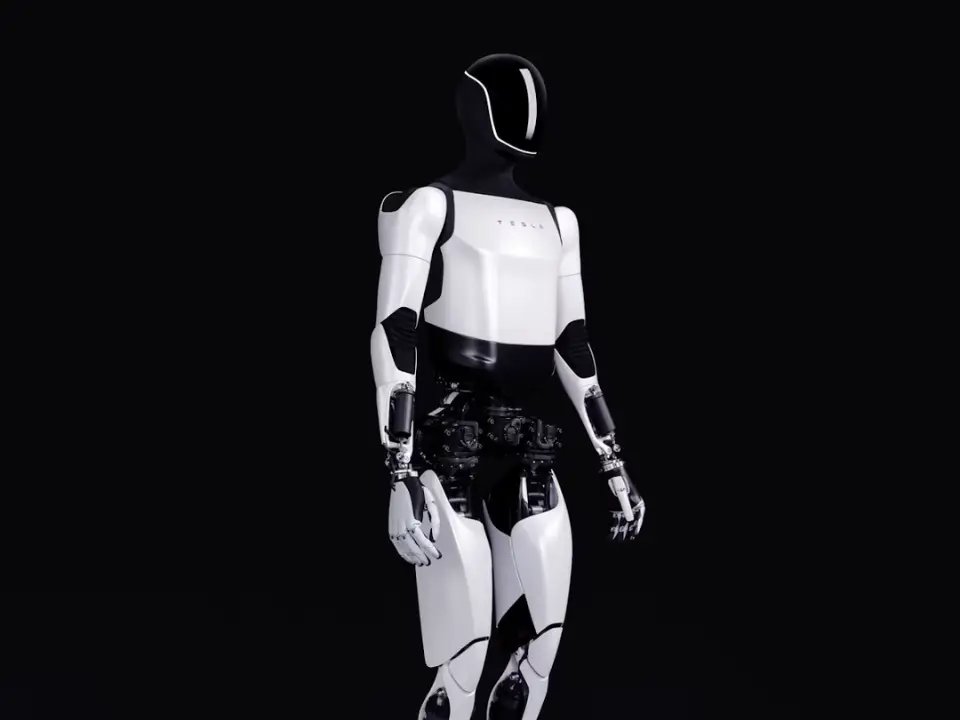)
Tesla is preparing something big for Optimus: new Gen 3 models surface in app
)
Bias or safety concerns? Bengaluru CEO says firm will not hire men from UP, Bihar, Rajasthan, MP. Here's why
)
Did Hitler kill his niece Geli Raubal? Newly found records reopen a 95-year-old mystery
)
Indian diplomat Petal Gahlot raises deteriorating situation in Pakistan-occupied Kashmir in right of reply at UN
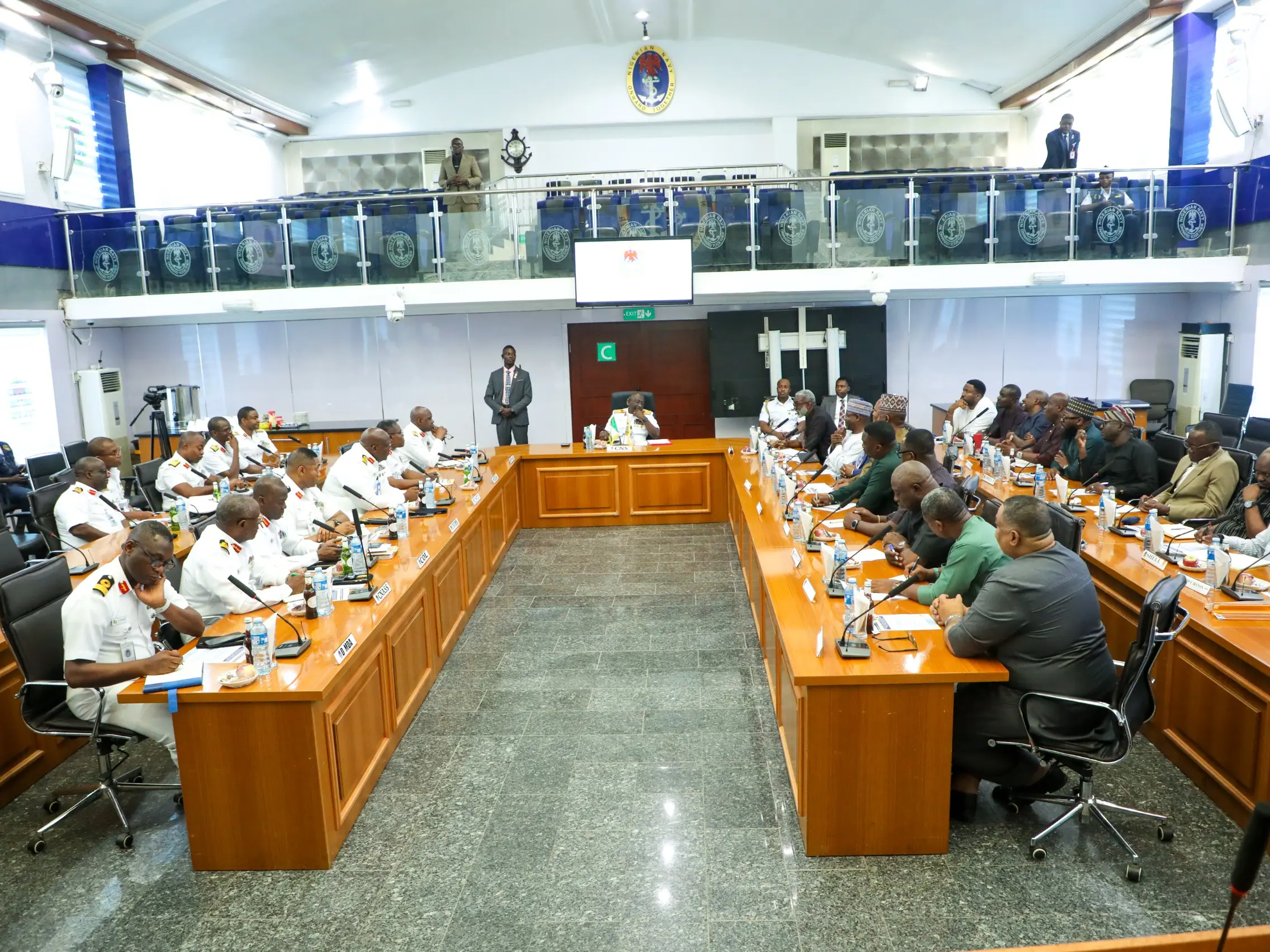)
Nigeria Navy moves to boost oil security, tackle crude theft and infrastructure threats
)
Scientists detect first radio signals directly from faraway planet
)
‘It is all possible’: Putin weighs next steps on Ukraine talks, rules out Europe conflict
)
10,000 gather in support of 87-year-old forcefully evicted from home of 71 years
)
Trump rejects Iran's 7-day ceasefire proposal as US weighs renewed bombing after midterms: Report
)
Red Sea crisis: Houthis promise not to target European ships; UNSC condemns Saudi attacks
)
Gaza's war turned environmental damage into second crisis
)
Saudi oil exports surge despite Iran war
)
Trump-Xi summit wrap: Big pageantry, Iran talks, few major developments and more meetings planned
)
'Making history': Xi Jinping praises Trump as US-China leaders dine at White House
)
India's UN Envoy slams Pakistan: 'They claim security by day, terrorism by night'
)
Jay-Z rape case: Accuser says allegations were false, never met rapper
)
Myanmar training camp case: US national, 6 Ukrainians allowed to meet their families abroad
)
'FIRST LOOK from inside Noah’s Ark': Researchers share video from inside mysterious mound in Turkey
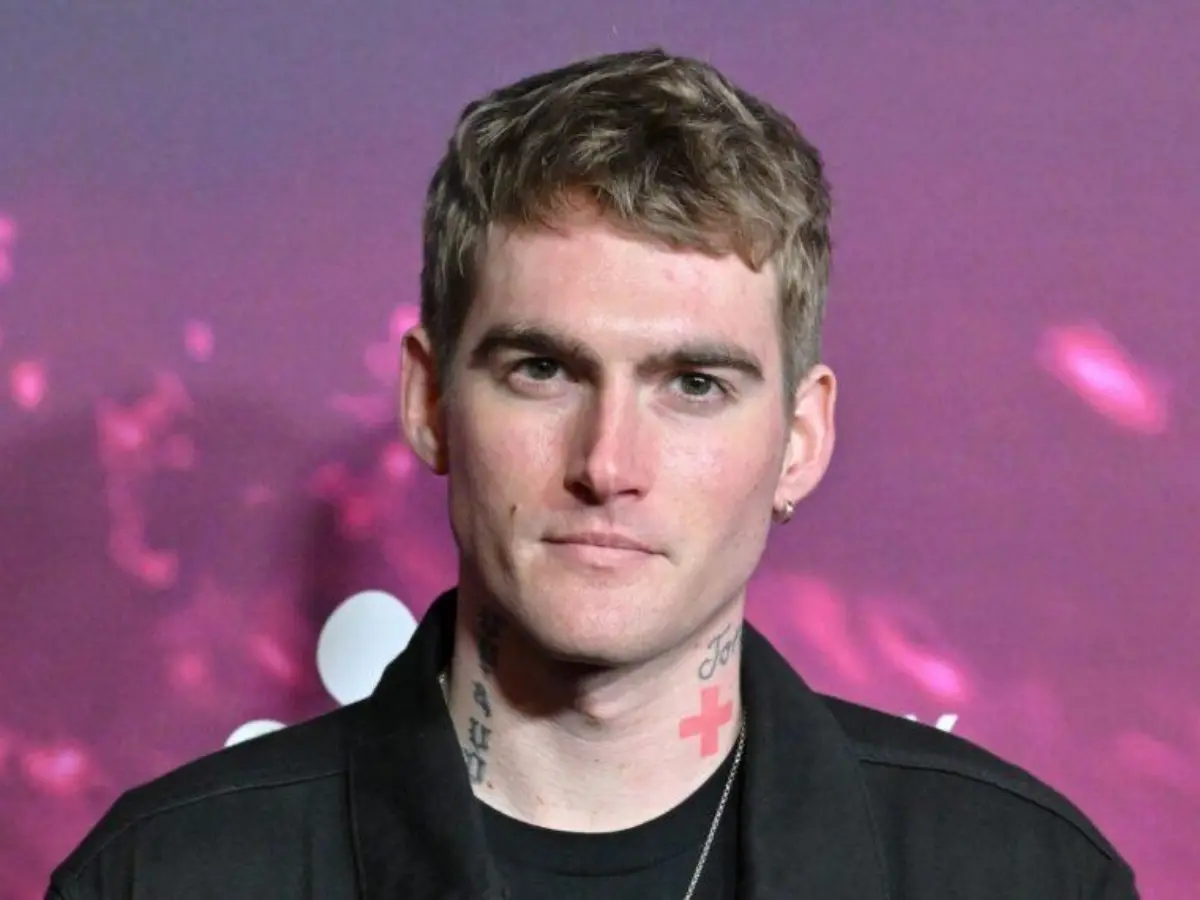)
Cindy Crawford’s son Presley Gerber cremated as death probe continues
)
India's insurance regulator overhauls policies
)
WATCH | As Shehbaz Sharif claims Pakistan’s ‘victory’ during 2025 conflict, Indian diplomat R Srinivas laughs at UN
)
‘Goal is to win it’: Virat Kohli confirms 2027 ODI World Cup will be his final tournament for India
)
'A terrorist country is asking me that question?': Jaishankar hits back at Pakistani journalist at UN; flags attacks on commercial shipping
)
US court backs Pentagon's decision to exclude Anthropic over Claude AI restrictions
Learning scientific concepts
Troubleshooting problems
Checking regulatory considerations
Converting genomic data into a vaccine design
However, he stressed that human experts were involved throughout the process.
“The combination of AI and human collaboration is what made it possible,” he said.
What is an mRNA vaccine?
An mRNA vaccine works by using messenger RNA to instruct cells to produce a specific protein. The immune system then learns to recognise that protein and builds protection against the related disease.
The technology became widely known during the COVID-19 pandemic, when pharmaceutical companies used it to develop vaccines rapidly. Researchers say mRNA platforms are flexible because they can be designed using genetic information. This makes them a potential tool for personalised medicine in the future.
In this case, the vaccine protocol was reportedly designed based on genomic data related to the disease affecting the dog.
Sam Altman reacts to the story
Altman said the meeting made him think about the broader possibilities of AI-assisted scientific work.
“The coolest meeting I had this week was with Paul,” he wrote in a post on X.
He noted that AI tools allowed one individual to plan research steps that might normally require a larger institutional effort.
Altman added that the story raised an interesting idea that similar approaches could eventually become the foundation for new companies focused on AI-assisted biomedical development.
However, he also acknowledged that turning such projects into scalable systems would still be complex.
AI and the future of scientific research
The example highlights how artificial intelligence is gradually entering areas traditionally limited to specialised laboratories. AI models can analyse scientific papers, interpret genomic information and generate hypotheses for researchers to examine.
Still, experts caution that AI-generated medical ideas must always be reviewed by trained professionals. Medical treatments require extensive testing, regulatory approval and safety verification. The case shared by Altman shows how AI tools may support individuals and researchers, but they do not replace human expertise.
A glimpse into AI-assisted discovery
The story of Rosie the dog reflects a broader shift in technology. Artificial intelligence is moving beyond conversation tools and becoming a research assistant. For individuals with technical knowledge, AI can help organise information, accelerate learning and explore complex scientific problems.
While such projects remain rare, they suggest a possible future where AI supports scientific experimentation in new ways. As AI models continue improving, collaborations between machines and human experts may play a larger role in research, medicine and biotechnology.