
&imwidth=800&imheight=600&format=webp&quality=medium "How Nokia collapsed and why it couldn’t compete with the iPhone and other smartphones?")
How Nokia went from market king to cautionary tale: Explainer
The years of dominance
At the start of the 2000s, Nokia was the undisputed leader in mobile phones. Known for durable hardware and long-lasting batteries, it held more than 40 per cent of the global market. The Finnish brand’s simple menu design and affordable handsets put mobile communication within reach for millions. Nokia’s strong supply chain and large patent portfolio further cemented its position as the world’s top phone maker.

Missed software shift
Nokia’s success was built on hardware expertise, yet that strength masked a serious weakness: software. The company relied on its ageing Symbian operating system, which was hard for developers to use and slow to update. When Apple introduced the iPhone in 2007, consumers discovered touchscreens, a fluid interface and an easy-to-use app store. Soon after, Google’s Android offered manufacturers a free, flexible platform that quickly attracted both developers and users.
Inside Nokia, decision-making became slow. Separate business units competed for influence, and leaders hesitated to abandon profitable legacy models. Engineers produced promising prototypes, but many never reached shops because managers feared upsetting existing product lines. By underestimating the importance of a rich software ecosystem, Nokia lost ground just as the smartphone era was taking shape.
Trending Stories
)
‘0% chance’: Nvidia CEO Jensen Huang dismisses AI extinction fears by 2030
)
Trump says he'll build an 'AI Force' and appoint a czar, for 'high IQ' people only
)
BTS' fans question iHeartRadio’s treatment of group after brief festival set
)
AI actress Tilly Norwood glitches mid-interview, switches from English to Chinese | Watch
)
S Jaishankar, former Army chief among high-profile names issued Delhi SIR notices
)
'Were you here to sell chickpeas?': Wasim Akram criticises Babar Azam's captaincy
)
CDU suffers historic defeat in eastern Germany as AfD surges, Merz vows to stay on
)
Iran sets 7 conditions to end war with US: What are Tehran’s demands?
)
Glitch in the matrix caught on camera: Woman vanishes after talking to reporter
)
Fleming's aspirations as England Test coach include WTC, top ranking and Ashes
)
Pilot recreates Mona Lisa in sky over Oklahoma and Arkansas in four-hour flight: VIDEO
)
J&K Assembly Session begins amid chaos: BJP, ruling alliance clash as statehood demand dominates
&im=FitAndFill=(700,400))
Gulshan Grover turns 70: Ram Lakhan, Gangster, Hera Pheri- Must-watch movies of the actor on OTT platforms
)
Noel Tata challenges Chandrasekaran’s reappointment as Tata Sons chairman. What happened at the board meeting
)
US ships in Indian Ocean ‘will be attacked’ if war resumes, warns Iran
)
Punjab man consumes poison outside DC office; Congress, BJP target AAP government
)
Chancellor Friedrich Merz vows to stay on as exit polls signal major poll setback
)
ICE shooting in Texas leaves man seriously injured; officials demand independent investigation and transparency
)
Italy moves to ban face veils in schools as Meloni pushes new integration measures
)
Putin's United Russia party wins 355 seats in Duma election; 4 other parties cross threshold to enter parliament
)
TIFF 2026: Theja Rio’s Angh wins Platform Prize, puts Nagaland story on global stage
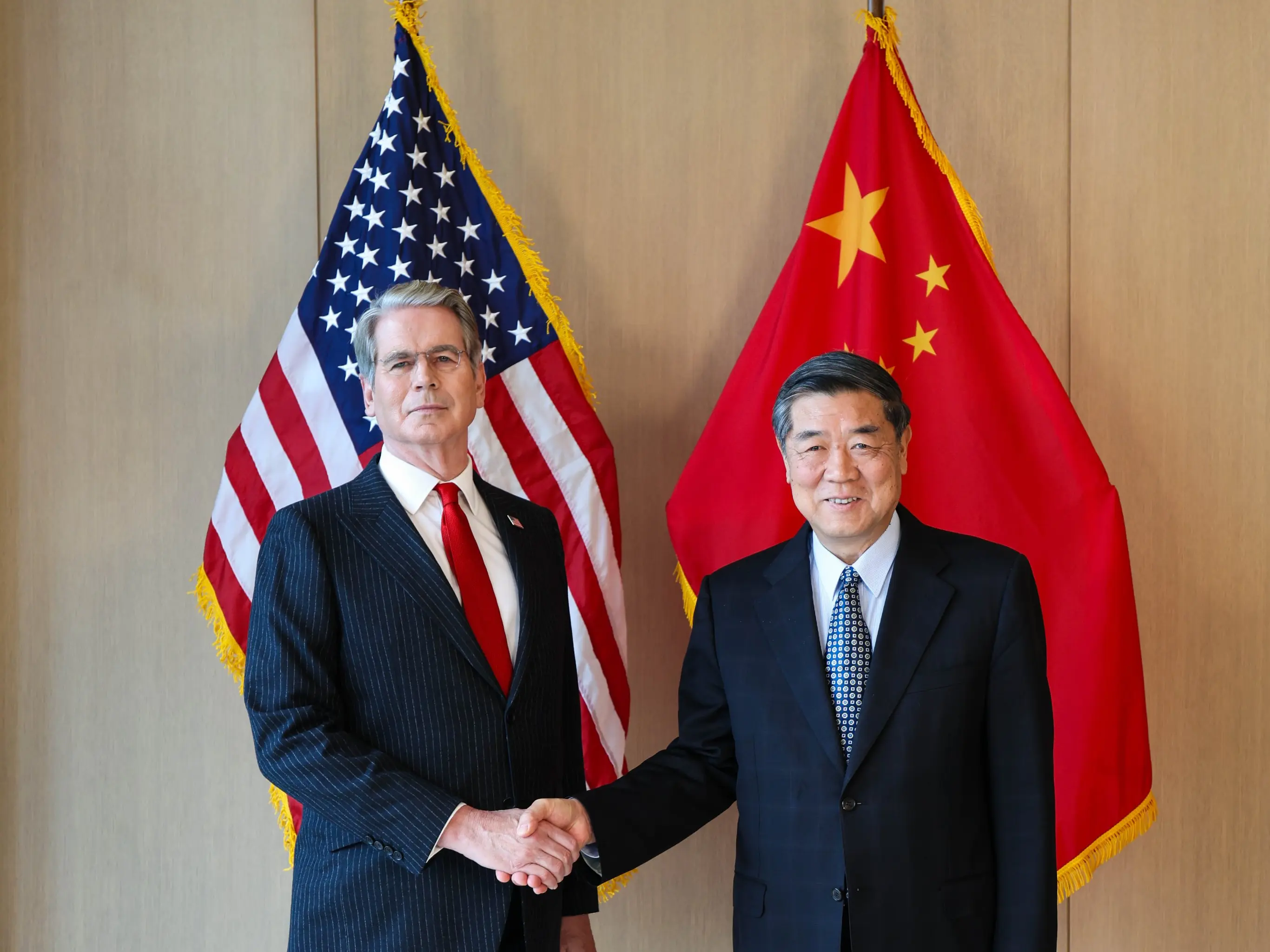)
Bessent meets China’s He Lifeng to prepare for Trump-Xi summit
&im=FitAndFill=(700,400))
Kareena Kapoor birthday special: Inside her net worth, best movies, luxurious lifestyle and love story with Saif Ali Khan
)
Trump-Xi summit: US Treasury Secretary holds meeting with Chinese Vice Premier
)
Delhi: Flagged voters remain on the draft roll but face hearings
)
China now makes advanced memory chips without the machines it was banned from buying
)
'Lot of things to learn from experienced players': Jayasuriya backs Rohit, Virat for 2027 ODI World Cup
)
Operation Sindoor’s hidden naval dimension | MoD reveals Indian Navy Special Forces joined May 7 strikes
)
Delhi Air pollution: Strict crackdown on waste burning
)
Saudi vs Houthis: Houthis claim missiles & drones used in attack on key Saudi sites
)
Saudi Arabia exits China-led mBridge digital currency platform amid Saudi-Houthi conflict
&im=FitAndFill=(700,400))
What TSMC's 2nm technology means for Apple
)
Samsung raises Galaxy S26 prices by Rs 20,000: Here’s what each model now costs
)
Several petrol pumps, other businesses to refuse UPI payments above Rs 2,000 from Oct 16: Is it legal?
)
Mahabharat actor Saurav Gurjar arrested in Hyderabad, sent to 14-day judicial custody in sexual exploitation case
)
Jailer 2: Vidya Balan joins Rajinikanth's upcoming film as Kantha | Watch
)
Arvind Kejriwal, family members, Delhi CM Rekha Gupta get SIR notices
)
SNL UK takes aim at Ed Sheeran with AI Princess Diana sketch
)
Taylor Swift has a 'proud wife' moment as Travis Kelce scores first touchdown of season: 'That’s my husband!'
)
AI kill switch explained: Why shutting down a dangerous AI may not be as simple as pressing a button
&im=FitAndFill=(700,400))
New OTT releases this week (September 21-27, 2026): Shaque: Trust No One, Hunkkaar, Don’t Be Shy- 5 new titles coming to Netflix, Prime Video and more
)
Microsoft executive called AI training the ‘largest theft of labour in human history’
Fall and Microsoft rescue attempt
In a late effort to catch up, Nokia struck a deal with Microsoft in 2011, adopting Windows Phone for its new Lumia range. Reviewers praised the hardware, yet the limited app catalogue failed to attract customers already invested in iOS and Android. Market share continued to slide; however, in 2014 Microsoft bought Nokia’s handset division for about 7 billion US dollars to rescue it. Within two years, Microsoft also exited the mass-market phone business, ending Nokia’s reign in mobile devices.
Nokia has since reinvented itself as a major player in 5G network equipment and digital infrastructure, but its former dominance in consumer handsets is gone. The episode shows that even an industry leader with strong cash reserves can falter when it reacts too slowly to disruptive change.
Lessons for today’s tech firms
Nokia’s story underlines three key points:
Hardware alone is not enough; users value seamless software and services.
Speed matters; large firms must cut internal barriers to act quickly.
Past success does not secure the future; continuous adaptation is essential.
