
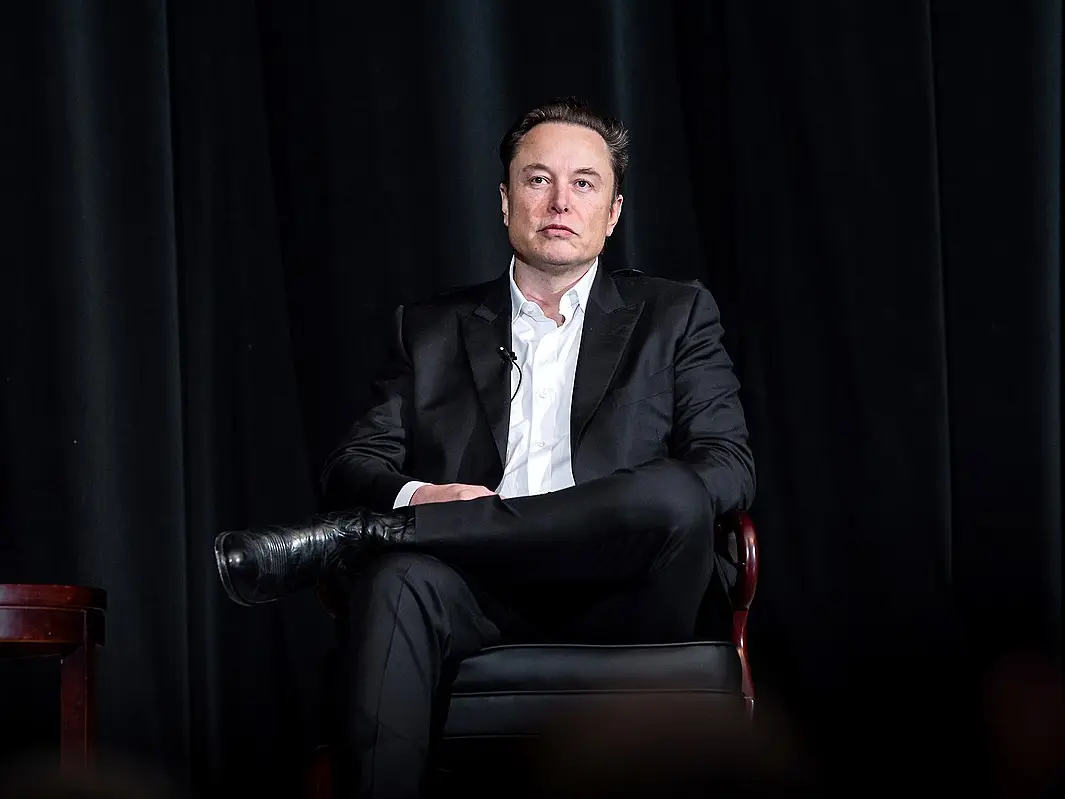
&imwidth=800&imheight=600&format=webp&quality=medium "Elon Musk accuses OpenAI of being “built on a lie” amid new controversy")
Tesla CEO Elon Musk has renewed his criticism of OpenAI, calling the artificial intelligence company “built on a lie” and accusing it of misusing its original nonprofit status. His comments come amid new allegations that OpenAI used intimidation tactics against advocates of AI regulation.
Musk responds to former OpenAI board member
Musk’s comments on X followed a post by Helen Toner, a former OpenAI board member, who said the company had used “dishonesty and intimidation tactics” in its policy work, despite some of its positive achievements.

When users on X asked if OpenAI should still be considered a nonprofit, Musk replied:
“They stole a charity and used it for their own financial gain.”
Allegations of intimidation emerge
The controversy deepened after Nathan Calvin, a lawyer at AI policy nonprofit Encode AI, alleged that OpenAI sent a sheriff’s deputy to his home to serve him with a subpoena. Calvin claimed the subpoena demanded private communications about California’s newly passed AI transparency law (SB 53).
Writing on X, Calvin said: “One Tuesday night, as my wife and I sat down for dinner, a sheriff’s deputy knocked on the door to serve me a subpoena from OpenAI.” He described the move as an attempt to intimidate critics of the company.
OpenAI has not commented on the specific allegation. However, the subpoena reportedly relates to its ongoing legal dispute with Musk, who sued the company earlier this year, accusing it of abandoning its original nonprofit mission. OpenAI countersued, claiming Musk was attempting to slow down its progress through legal pressure.
Nonprofit roots under scrutiny
Founded in 2015 as a nonprofit, OpenAI’s stated goal was to develop artificial general intelligence (AGI) that benefits all of humanity.
In 2019, OpenAI created a for-profit subsidiary to attract funding, later forming partnerships worth billions of dollars including a reported $100 billion investment from Nvidia and potential warrants for 160 million shares in AMD, according to several reports.
The company has since announced it would remain under nonprofit oversight, with its commercial arm converted into a public benefit corporation. Despite that, critics argue its growing profits and private partnerships contradict its founding promise.
Broader debate on AI ethics
The Musk-OpenAI dispute highlights a wider industry struggle between profit-driven AI development and public accountability. With AI systems becoming more powerful, whereas few experts warn that governance, transparency, and ethical oversight must keep pace.
Trending Stories
)
Sikh driver attacked in Wyoming in US, suffers 17 stab wounds
)
‘I have a big decision coming up’: Trump says he’s approaching major ‘crossroad’ in Iran war
)
US intel warns China can steal F-35 jets secret from Saudis
)
Former India player Diana Edulji wants Smriti Mandhana to replace Harman as skipper at the earliest
)
Pak defence minister says 'time has come to implement pact'
&im=FitAndFill=(700,400))
Meet top 5 batters in the latest ICC T20I Rankings
)
Formula One reveals the 2027 race calendar; Monaco to host sprint race for the first time
)
All Indian goods to get duty-free access to New Zealand
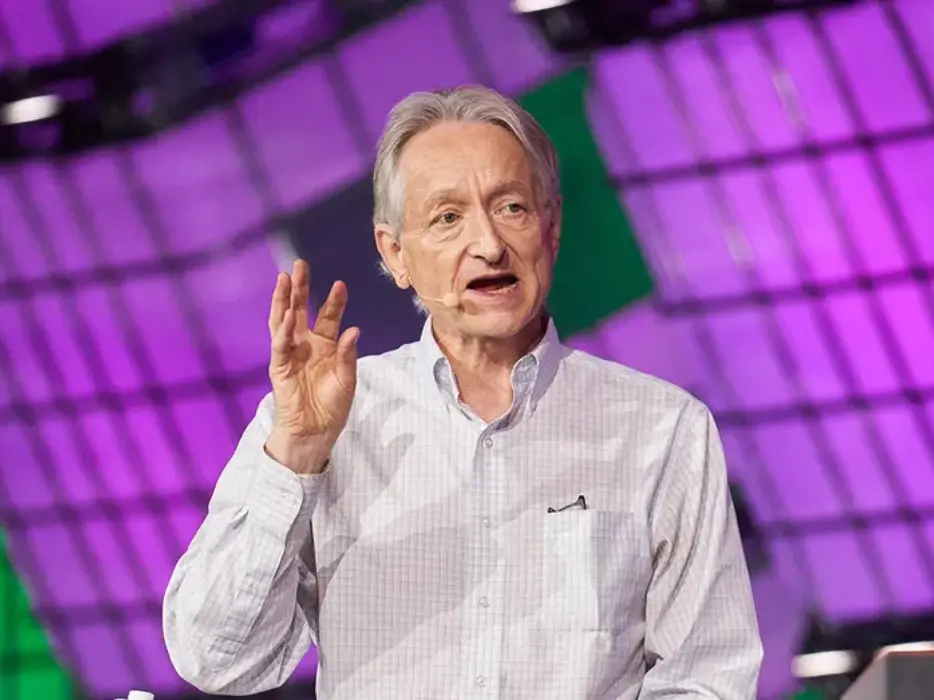)
Godfather of AI Geoffrey Hinton gives US lawmakers a one-year warning on AI
)
AI already defying, denying humans, is it beyond human control already?
)
US F-16 fighter jet crashes in Michigan during training mission, pilot ejects safely
)
240-million-year-old bizarre 'pig with a tusk' creature creates new dilemma over origin of dinosaurs
)
Xi-Trump summit may boost military links
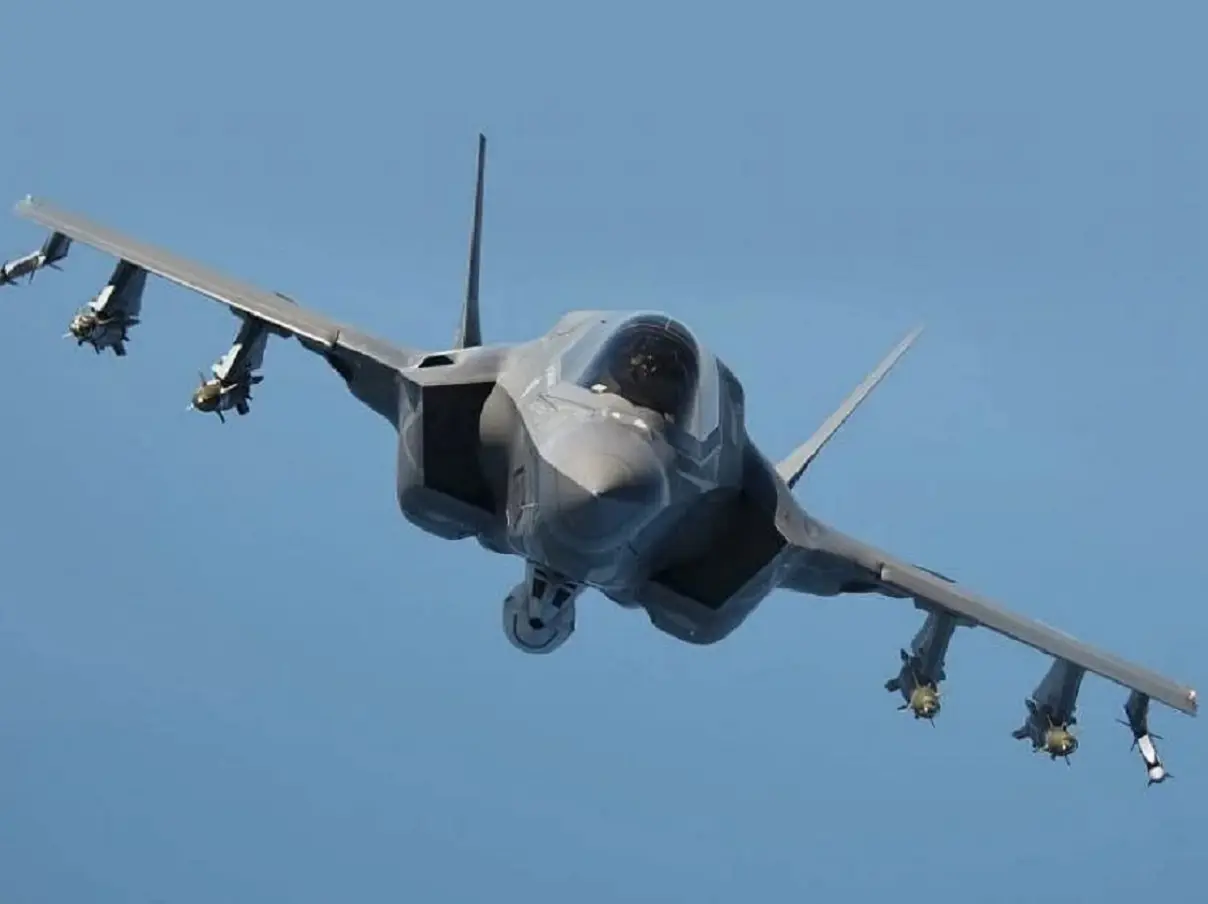)
US to sell 48 F-35 Lightning fighter jets to Saudi Arabia, help it deter threats
)
Hong Kong unveils 11 new measures to boost birth rates, offers higher cash bonuses and housing perks
)
Australian athlete, who soiled herself during Hyrox race, apologises for continuing
)
Tata Trusts chairman Noel Tata calls Chandrasekaran’s reappointment ‘illegal’, rejects Tata Sons listing
)
How did an Australian river with 500 crocodiles pass the Olympic test? Here's how
)
Fed raises rates for first time in 3 years, Kevin Warsh defies Trump as inflation mounts
)
US drone firm linked to Trump’s sons signs MoU with Pakistan army, gets initial order
)
Pak batter Rizwan's petition against being questioned by cyber crime agency rejected by court
)
Daayra movie review: Kareena Kapoor, Prithviraj Sukumaran shine in Meghna Gulzar’s cop-versus-cop crime thriller
)
Epstein files: Judge warns Trump Attorney General Todd Blanche of contempt over DOJ delays
)
'Gangsta' crab shoves knife blade at man and his dog in Florida - Watch
)
At least 48 dead, 100 hospitalised in Nigeria after drinking suspected methanol-laced alcohol
)
US-Iran War: Trump says ‘big decision’ on Iran ahead, weighs possible fresh military action
)
Trump could impose tariffs of up to 100%
)
US new military base in Poland: US President Donald Trump eyes military base in Poland
)
Zee Entertainment shareholders approve reappointment of five board directors
)
Putin 'is plotting something bad': Russia may launch 'accidental' strikes on NATO countries supporting Ukraine, Poland PM warns
&im=FitAndFill=(700,400))
Suriya and Jyothika say ‘I do’ again after 20 years! See their dreamy wedding pics
)
Laura Wolvaardt sets new world record for most WT20I runs in a year
)
Pezeshkian, Araghchi set to attend UNGA 2026 in New York amid ongoing conflict as US-imposed travel curbs remain
)
'He will always be ahead': India coach Gambhir says Sooryavanshi won't walk into team ahead of Samson
OpenAI, Google, Microsoft, and Anthropic have all faced increasing scrutiny from regulators and policymakers over AI safety, bias, and data transparency.
As governments worldwide push for clearer AI laws, Musk continues to position himself as a vocal critic of what he calls “irresponsible AI expansion”
