Skild AI, backed by Amazon, unveils robot brain - Here’s what it means

&imwidth=600&imheight=450&format=webp&quality=medium "Skild AI, backed by Amazon, unveils robot brain - Here’s what it means")
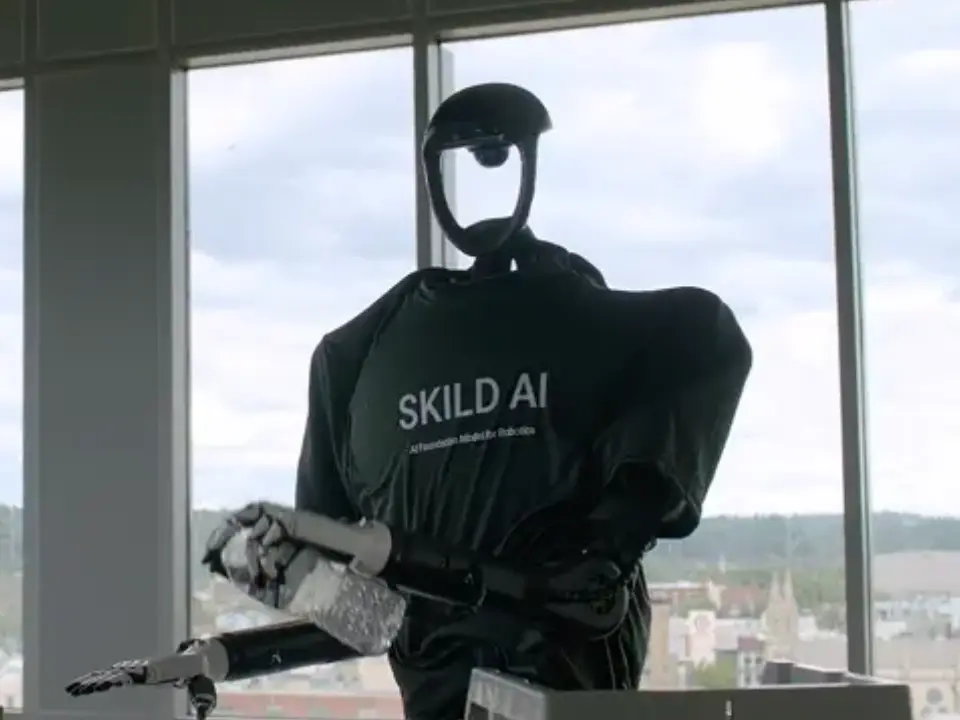
Skild AI Robots Photograph: (Skild AI)
Amazon-backed Skild AI has launched an AI brain for robots that can learn, move, and make decisions. It is built for everything from factory arms to humanoids; This tech could change how robots work in real life. Read more below.
A robotics startup supported by Amazon and Japan’s SoftBank has unveiled a new artificial intelligence model called Skild Brain. This system is designed to run across many different types of robots from factory machines to humanoid helpers. The launch is a big step towards building multi-purpose robots that can work in more complex and changing environments.
One AI model for all kinds of robots
The Skild Brain model gives robots the ability to move, learn, and make decisions in a more human-like way. In demo videos shared by the company, robots using Skild Brain were seen climbing stairs, staying balanced when pushed, and picking up objects in messy surroundings.
According to Reuters, the model is designed with safety in mind. It includes built-in power limits, so robots do not apply dangerous levels of force when interacting with people or objects.
Solving the data problem in robotics
One major challenge in building robot intelligence is the lack of data. Skild AI’s co-founders Deepak Pathak and Abhinav Gupta explained that, unlike language or images, the internet doesn’t have useful data for robot movement or tasks.
To address this, Skild trains its model using both simulations and real-world human-action videos. As more robots use the Skild system, the data collected is sent back to the AI to improve it. This approach builds a kind of “shared brain” across all robots using the system, said Gupta, who previously set up Meta’s robotics lab in Pittsburgh.
Backed by major investors and industry partners
Skild AI already has clients such as LG CNS, which handles IT services for the LG Group, and other unnamed companies working in logistics and industrial sectors.
According to Reuters, Skild raised $300 million last year in a Series A funding round, reaching a valuation of $1.5 billion. The company has hired experts from Tesla, Nvidia, and Meta. Its major backers include Menlo Ventures, Sequoia Capital, Khosla Ventures, and Amazon.
Trending Stories
)
)
)
)
)
)
)
)
)
)
)
)
)
)
)
)
)
)
)
)
)
)
)
)
)
)
)
)
)
)
)
)
)
)
&im=FitAndFill=(700,400))
)
)
)
)
Raviraj Jain, a partner at Lightspeed Venture Partners, noted that while software can be updated instantly, robotics needs physical setups. But Skild’s approach allows robots across sectors to gain new skills faster, helping the industry move forward.
