‘Fight till our last breath’: Sujeet Kalkal on Asian Games gold, wrestling and PWL

&imwidth=600&imheight=450&format=webp&quality=medium "‘Fight till our last breath’: Sujeet Kalkal on Asian Games gold, wrestling and PWL")
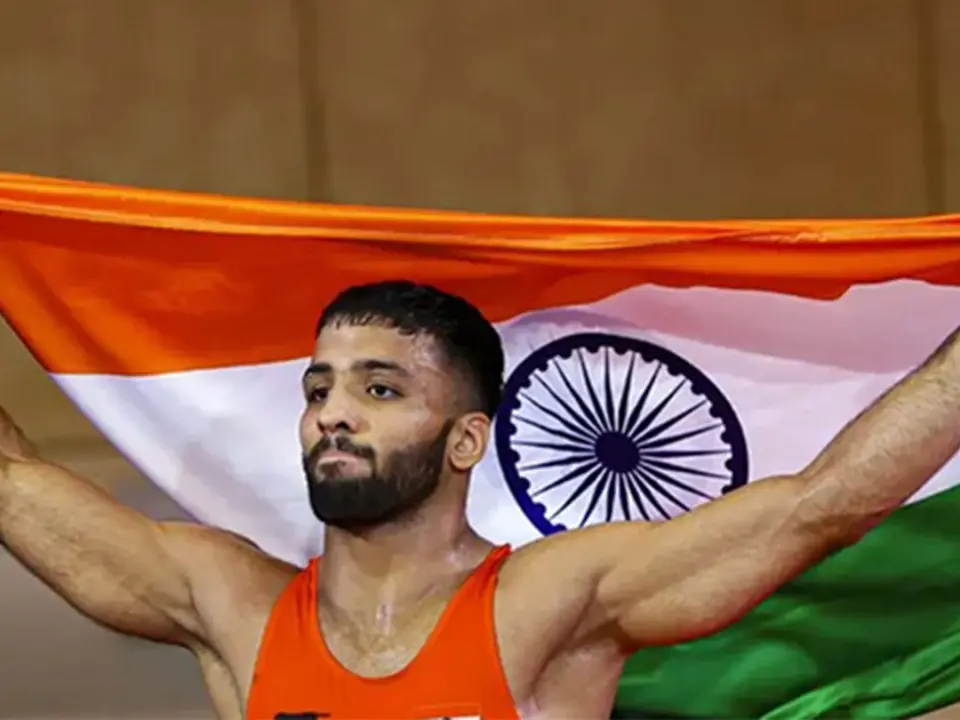
File image of Sujeet Kalkal Photograph: (File image)
Asian Games gold medallist Sujeet Kalkal discusses his winning mindset, wrestling techniques, World Championships preparations and the future of PWL
For Sujeet Kalkal, the decisive moments of a wrestling bout are not about panic or making desperate moves. They are about staying patient, securing points and continuing to fight until the final breath. That was the mindset the Indian wrestler carried into his final bout at the 2026 Asian Games, where he won gold for the country. With the stakes high and little time to think on the mat, Kalkal knew that composure and conviction could make the difference. “I had in mind that we have to be patient and cover the points. We have to fight till our last breath, and the blessings of the people of the country are with us. We should not let the flag of the country fall,” Kalkal told WION in an exclusive interview.
Sujeet Kalkal's wrestling philosophy: Trust the basics
In wrestling, opponents rarely arrive without a plan. They study match footage, analyse techniques and look for weaknesses they can exploit. Kalkal is no different, but his approach is built around refining his strengths rather than constantly changing his style. Asked how he prepares for opponents who may have studied his bouts, the Indian wrestler explained that there is little time to overthink once a contest begins. The key, he suggested, is to understand the opposition's weaknesses and know when to use the techniques that have been practised repeatedly. “We don't change much in our wrestling. We have been doing the same thing for 15-20 years,” he said.
For Kalkal, repetition is not a limitation; it is the foundation of consistency. Wrestlers may have different styles and preferred moves, but the ability to execute a familiar technique at the right moment can determine the outcome of a closely fought contest. He believes every wrestler has one or two techniques capable of changing a match, which is why athletes continue to practise them until they become instinctive.
From years of practice to the Asian Games podium
Kalkal's gold medal is the product of years spent building his skills on the mat. His journey began early. He took up wrestling at the age of four under the guidance of his father, Dayanand, a former international Greco-Roman wrestler who later worked as a coach with the Sports Authority of India. The early years laid the groundwork for a career that would see him emerge as one of India's promising wrestling talents. He went on to win the U23 World Wrestling Championships, strengthening his reputation on the international circuit.
Trending Stories
&imwidth=280&imheight=210&format=webp&quality=medium)
&imwidth=280&imheight=210&format=webp&quality=medium)
&imwidth=280&imheight=210&format=webp&quality=medium)
&imwidth=280&imheight=210&format=webp&quality=medium)
&im=FitAndFill=(700,400)&imwidth=280&imheight=210&format=webp&quality=medium)
&imwidth=280&imheight=210&format=webp&quality=medium)
&imwidth=280&imheight=210&format=webp&quality=medium)
&imwidth=280&imheight=210&format=webp&quality=medium)
&im=FitAndFill=(700,400)&imwidth=280&imheight=210&format=webp&quality=medium)
&imwidth=280&imheight=210&format=webp&quality=medium)
&imwidth=280&imheight=210&format=webp&quality=medium)
&imwidth=280&imheight=210&format=webp&quality=medium)
&imwidth=280&imheight=210&format=webp&quality=medium)
&imwidth=280&imheight=210&format=webp&quality=medium)
&imwidth=280&imheight=210&format=webp&quality=medium)
&imwidth=280&imheight=210&format=webp&quality=medium)
&imwidth=280&imheight=210&format=webp&quality=medium)
&imwidth=280&imheight=210&format=webp&quality=medium)
&imwidth=280&imheight=210&format=webp&quality=medium)

&imwidth=280&imheight=210&format=webp&quality=medium)
&imwidth=280&imheight=210&format=webp&quality=medium)
&imwidth=280&imheight=210&format=webp&quality=medium)
&imwidth=280&imheight=210&format=webp&quality=medium)
&imwidth=280&imheight=210&format=webp&quality=medium)
&im=FitAndFill=(700,400)&imwidth=280&imheight=210&format=webp&quality=medium)
&imwidth=280&imheight=210&format=webp&quality=medium)
&imwidth=280&imheight=210&format=webp&quality=medium)
&imwidth=280&imheight=210&format=webp&quality=medium)
&imwidth=280&imheight=210&format=webp&quality=medium)
&imwidth=280&imheight=210&format=webp&quality=medium)
&imwidth=280&imheight=210&format=webp&quality=medium)
&imwidth=280&imheight=210&format=webp&quality=medium)
&im=FitAndFill=(700,400)&imwidth=280&imheight=210&format=webp&quality=medium)
&imwidth=280&imheight=210&format=webp&quality=medium)
&imwidth=280&imheight=210&format=webp&quality=medium)
&imwidth=280&imheight=210&format=webp&quality=medium)
&imwidth=280&imheight=210&format=webp&quality=medium)
&imwidth=280&imheight=210&format=webp&quality=medium)
&imwidth=280&imheight=210&format=webp&quality=medium)
Why Sujeet Kalkal wants Pro Wrestling League every year
Beyond his own performances, Kalkal believes the future of Indian wrestling depends on creating more opportunities for athletes to compete. One platform he wants to see sustained is the Pro Wrestling League (PWL), which brings wrestlers together in a professional team-based competition. “I suggest the Pro Wrestling League do it every year,” he said. Kalkal believes an annual league would help elevate wrestling in India and contribute to the country's medal ambitions. Regular competition can give wrestlers another platform to test themselves, develop their match strategies and gain experience against strong opposition.
His own association with the league has also brought him into the spotlight. At the 2026 PWL auction, Delhi Dangal Warriors secured Kalkal for Rs 52 lakh following a three-way bidding contest involving UP Dominators and Tiigers of Mumbai Dangals. His base price was Rs 12 lakh, making the final bid more than four times that amount.
Also Read: ‘Just install a bowling machine’: Chahal reacts to flat tracks after West Indies’ 250-run chase
The next target: The World Championships
For an athlete who has just reached the top of the Asian Games podium, there is little temptation to take an extended break from ambition. Asked about his next tournament and whether he would make any special changes to his preparation, Kalkal returned to the same principle that guides his wrestling: focus on the weaknesses of the opponent and continue working on the details. Rather than suggesting a dramatic overhaul, his response pointed towards continuity, identifying areas that need improvement while maintaining the techniques that have served him well.
A gold medal — and a burger in Japan
There is also a lighter side to the discipline that defines a wrestler's life. Strict diets and demanding training schedules leave little room for indulgence, making the moments after a major competition all the more satisfying. For Kalkal, the answer to what he had missed was simple: a burger. Asked whether he had eaten it in Japan or waited until returning to India, he revealed that he had enjoyed one in Japan itself.
His family's reaction to the Asian Games gold was equally personal. Kalkal said his family was delighted, adding that everyone had hoped he would win after seeing how many years he had spent practising. “I have been practising for so many years,” he said, reflecting on the achievement.

