Explained: Why Mercedes have landed in trouble and what is the compression ratio issue ahead of 2026 F1 season

&imwidth=600&imheight=450&format=webp&quality=medium "Explained: Why Mercedes have landed in trouble and what is the compression ratio issue ahead of 2026 F1 season")
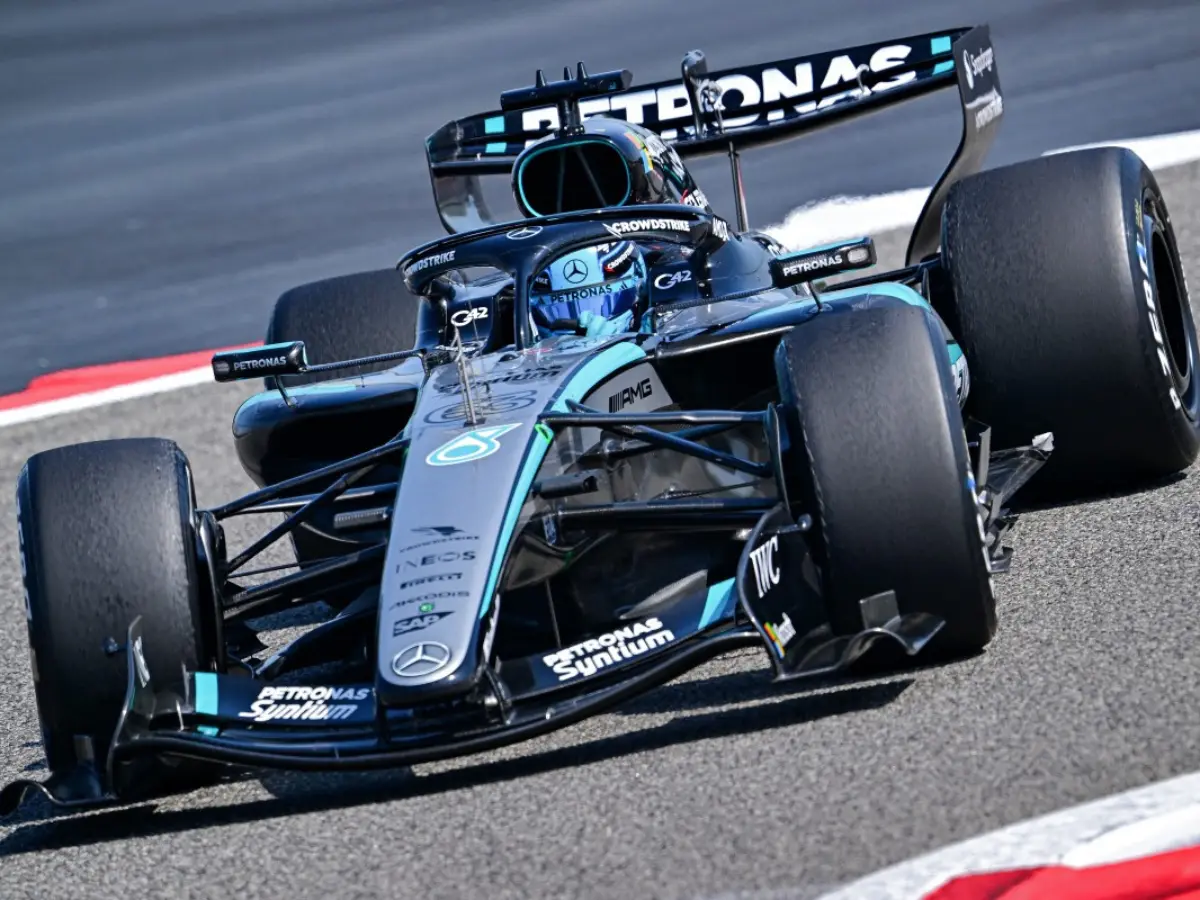
Explained: Why Mercedes have landed in trouble and what is the compression ratio issue ahead of 2026 F1 season Photograph: (AFP)
Ahead of the 2026 F1 season, a new set of regulations have been introduced, which includes a transformation in engines. Staying with the same, all teams participating have made necessary changes to their engines, including Mercedes; however, they have found a loophole.
The Formula One season will raise its curtain on March 8 as top teams will compete for the prestigious title. However, before the engines crank up, eight-time World Constructors' Championship winners Mercedes have been embroiled in a controversy surrounding the norms of operation of the engine. The extent of the controversy is now at its peak with FIA (Formula One’s governing body) stepping in and ordering Mercedes to change their controversial engine. So what is the controversy and why Mercedes are in the news as WION explains takes a deep look.
What is the controversy?
Ahead of the 2026 F1 season, a new set of regulations have been introduced, which includes a transformation in engines. Staying with the same, all teams participating in the 2026 F1 season have made necessary changes to their engines, including Mercedes; however, they have found a loophole to improve the performance of their engine. This loophole has angered other teams on the grid, provoking them to launch a complaint.
The loophole could prove beneficial for the teams to improve their performance during the race. The results from last week’s testing in Bahrain clearly showed Mercedes at a distinct advantage, raising further concerns among other teams.
What is the loophole?
Trending Stories
&imwidth=280&imheight=210&format=webp&quality=medium)
&imwidth=280&imheight=210&format=webp&quality=medium)
&imwidth=280&imheight=210&format=webp&quality=medium)
&imwidth=280&imheight=210&format=webp&quality=medium)
&imwidth=280&imheight=210&format=webp&quality=medium)
&im=FitAndFill=(700,400)&imwidth=280&imheight=210&format=webp&quality=medium)
&imwidth=280&imheight=210&format=webp&quality=medium)
&imwidth=280&imheight=210&format=webp&quality=medium)
&imwidth=280&imheight=210&format=webp&quality=medium)
&imwidth=280&imheight=210&format=webp&quality=medium)
&imwidth=280&imheight=210&format=webp&quality=medium)
&imwidth=280&imheight=210&format=webp&quality=medium)
&im=FitAndFill=(700,400)&imwidth=280&imheight=210&format=webp&quality=medium)
&imwidth=280&imheight=210&format=webp&quality=medium)
&imwidth=280&imheight=210&format=webp&quality=medium)
&imwidth=280&imheight=210&format=webp&quality=medium)
&imwidth=280&imheight=210&format=webp&quality=medium)
&im=FitAndFill=(700,400)&imwidth=280&imheight=210&format=webp&quality=medium)
&im=FitAndFill=(700,400)&imwidth=280&imheight=210&format=webp&quality=medium)
&imwidth=280&imheight=210&format=webp&quality=medium)
&imwidth=280&imheight=210&format=webp&quality=medium)
&imwidth=280&imheight=210&format=webp&quality=medium)
&imwidth=280&imheight=210&format=webp&quality=medium)
&imwidth=280&imheight=210&format=webp&quality=medium)
&im=FitAndFill=(700,400)&imwidth=280&imheight=210&format=webp&quality=medium)
&imwidth=280&imheight=210&format=webp&quality=medium)
&imwidth=280&imheight=210&format=webp&quality=medium)
&imwidth=280&imheight=210&format=webp&quality=medium)
&imwidth=280&imheight=210&format=webp&quality=medium)
&imwidth=280&imheight=210&format=webp&quality=medium)
&imwidth=280&imheight=210&format=webp&quality=medium)
&imwidth=280&imheight=210&format=webp&quality=medium)
&imwidth=280&imheight=210&format=webp&quality=medium)
&imwidth=280&imheight=210&format=webp&quality=medium)
Mercedes have dodged a new regulation relating to the combustion ratio between the largest and smallest volumes in the cylinder of the engine. It has been claimed that the engine only complies with this limit during specific static tests at ambient temperature, which is how the FIA checks that the cars are legal, but that they could actually achieve a higher combustion ratio while running at higher temperatures.
Mercedes have allegedly managed to 'exploit the fuel compression limit', which could give them a huge advantage of 0.4 seconds per lap. Previously, the fuel compression ratio had been set at 18:1, and it has been reduced to 16:1 ahead of 2026.
It has been claimed that Mercedes may have found a way to effectively run the fuel compression at 18:1 on track, but still comply with the rules when the cars are stationary and checked by the sport's governing body, the FIA.
What is the latest development?
In a statement released on the Formula One website, the F1 Power Unit Advisory Committee has confirmed that they have submitted a proposal that would require engines to meet this limit also during operating temperature.
"Over recent weeks and months, the FIA and the power unit manufacturers have collaboratively developed a methodology to quantify how the compression ratio changes from ambient to operating conditions," read the statement.
"Following validation of this approach, a proposal has been submitted whereby, from August 1, 2026, compliance with the compression ratio limit must be demonstrated not only at ambient conditions, but also at a representative operating temperature of 130°C.
"The vote has been submitted to the power unit manufacturers, and its outcome is expected within the next 10 days and will be communicated in due course."
This slight loophole has given Mercedes an advantage during the main race, which could see them being the team to beat in the 2026 F1 season.