Sri Lanka’s controversial new law to regulate online content comes into force

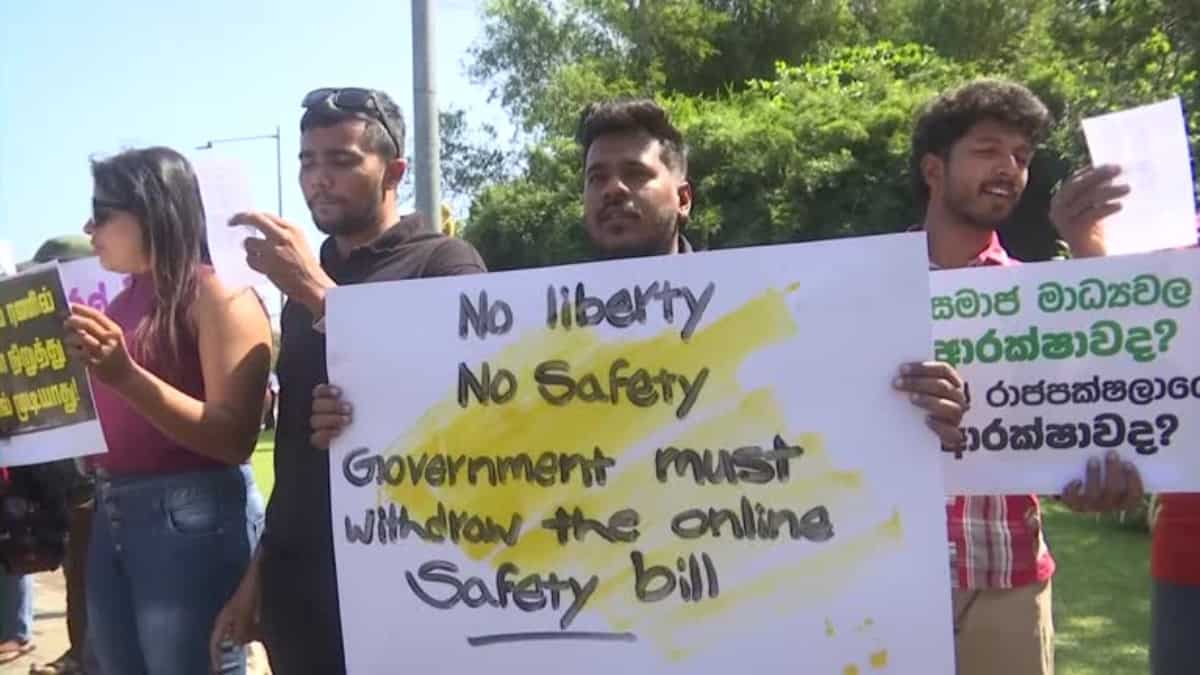
Sri Lanka's controversial online safety bill
Sri Lanka’s draconian law to regulate online content came into effect on Thursday (Feb 1) amid widespread criticism and concern. The law, which rights groups and opposition politicians allege is aimed at stifling free speech, passed last week in the country’s parliament.
What is the bill about?
The Online Safety Bill will give a five-member commission the power to assess and remove the content it considers illegal. Additionally, the members of the so-called “Online Safety Commission” will be appointed by President Ranil Wickremesinghe.

The bill also proposed jail terms and hefty fines for what it considers illegal content and making social media platforms such as Google, Facebook, and X, liable for such content on their platforms.
ALSO READ |Sri Lanka’s big blow to China: Year-long moratorium on entry of ‘spy ships’
The government has said that the law is aimed at battling cyber crime including child abuse, data theft and online fraud, but the critics of the law and opposition politicians have said that it is to suppress free speech and dissent ahead of elections.
&imwidth=180&imheight=135&format=webp&quality=medium)
Pakistan denies reports of PAF jets being used in attacks against Iran-backed Houthis in Yemen
&imwidth=180&imheight=135&format=webp&quality=medium)
Can you be mean to AI? Anthropic’s new rules explicitly ban cruelty to Claude
&imwidth=180&imheight=135&format=webp&quality=medium)
Trump has a new 'enemy': Anyone who calls it 'artificial intelligence'. Here's what we wants instead
&im=FitAndFill=(700,400)&imwidth=180&imheight=135&format=webp&quality=medium)
Food shortages, suicide attempts and more: USS Abraham Lincoln returns to US after 321 day deployment — What happened aboard the US carrier?
&imwidth=180&imheight=135&format=webp&quality=medium)
BTS agency HYBE announces first-ever Weverse Con Festival in India
&imwidth=180&imheight=135&format=webp&quality=medium)
Trump honours Microsoft CEO Satya Nadella with top technology honour amid immigration scrutiny
&imwidth=180&imheight=135&format=webp&quality=medium)
'I ended 8 wars': Trump slams Nobel Peace prize decision, claims award was his due
&imwidth=180&imheight=135&format=webp&quality=medium)
Russia president Putin promises to 'do everything' to help settle Middle East conflict as US-Iran negotiations stall
&imwidth=180&imheight=135&format=webp&quality=medium)
‘We will end ICC’: US sanctions International court, threatens to cripple hours after Navi Pillay wins Nobel Peace Prize
&imwidth=180&imheight=135&format=webp&quality=medium)
Delhi protest: Metro curbs, train cancellations, traffic diversions as protesters seek CEC Gyanesh Kumar’s resignation
&imwidth=180&imheight=135&format=webp&quality=medium)
UK navy hit by espionage scandal: Sailor accused of spying for Russia | Gravitas
&imwidth=180&imheight=135&format=webp&quality=medium)
‘Ruh Roh’: Top US official mocks ‘Indian market collapse’ claim after Trump’s IT curbs. But did it? | FACT CHECK
&imwidth=180&imheight=135&format=webp&quality=medium)
Powerful 7.7 magnitude earthquake strikes Panama, tsunami warning issued
&im=FitAndFill=(700,400)&imwidth=180&imheight=135&format=webp&quality=medium)
New Friday OTT releases (October 9, 2026): Reporting Live, Animals, Take Charge of My Heart- 6 new titles coming on Netflix, JioHotstar and more
&im=FitAndFill=(700,400)&imwidth=180&imheight=135&format=webp&quality=medium)
Rakul Preet Singh birthday special: 7 times the Ramayana actress served glamorous looks
&imwidth=180&imheight=135&format=webp&quality=medium)
Ryan Reynolds’ private messages reveal his blunt views on Justin Baldoni from Blake Lively’s legal case
&imwidth=180&imheight=135&format=webp&quality=medium)
Trump announces Russian diesel deal as Zelensky criticises move
&imwidth=180&imheight=135&format=webp&quality=medium)
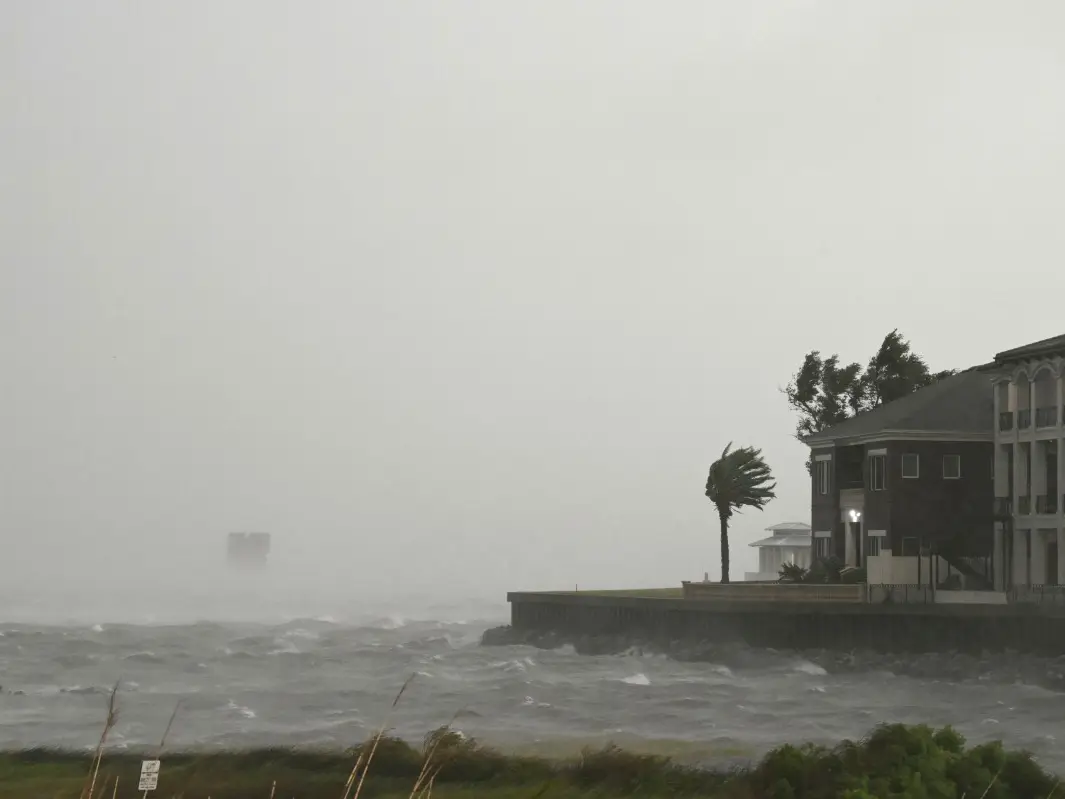
Hurricane Isaias makes landfall in Florida as Category 2 storm with winds of 105mph, threatens Gulf Coast with life-threatening surge
&imwidth=180&imheight=135&format=webp&quality=medium)
Katie Zacharia likely to succeed Karoline Leavitt as Trump's White House press secretary
&imwidth=180&imheight=135&format=webp&quality=medium)
US midterm elections 2026: What a blue wave or blue tsunami could mean for Trump
&imwidth=180&imheight=135&format=webp&quality=medium)
OpenAI shuts down Russian, Iranian influence operations using ChatGPT to spread propaganda
&imwidth=180&imheight=135&format=webp&quality=medium)
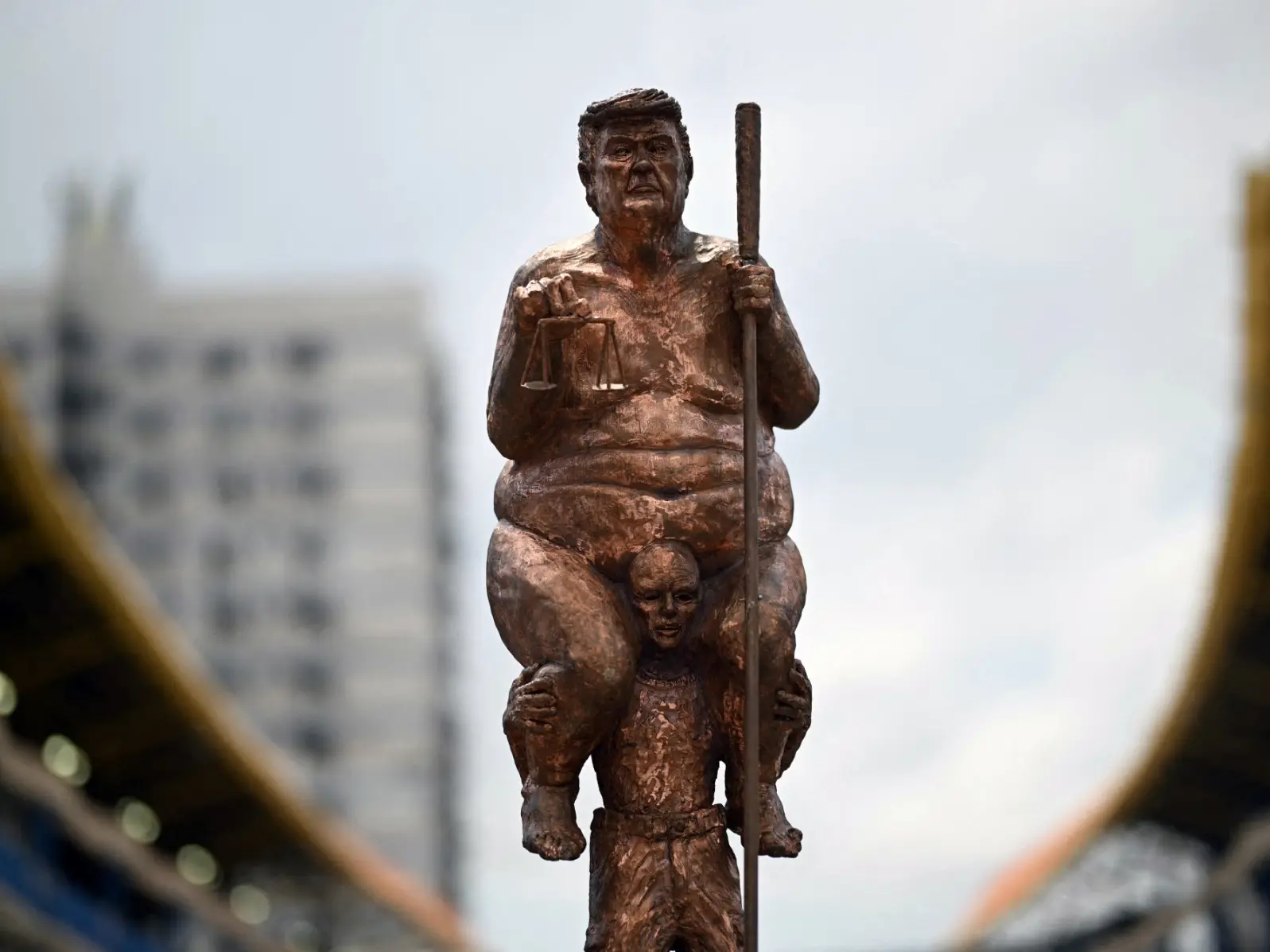
Trump's naked 23-karat gold statue unveiled near European Parliament
&imwidth=180&imheight=135&format=webp&quality=medium)
IND vs WI: West Indies set record for highest successful run chase in T20Is against India
&imwidth=180&imheight=135&format=webp&quality=medium)
Delhi on high alert for CJP protest: Delhi police to use body cams to 'prove whether we did anything’; Pink Force, RAF, 35,000 personnel deployed
&imwidth=180&imheight=135&format=webp&quality=medium)
Musk doubles down on Starlink India licence allegations; Rahul Gandhi says ‘wait till...’
&im=FitAndFill=(700,400)&imwidth=180&imheight=135&format=webp&quality=medium)
Fastest-growing Asian economies in 2026: Who tops the chart? Where does India rank?
&imwidth=180&imheight=135&format=webp&quality=medium)
SC questions closure of 57 Delhi Metro stations, asks Centre to resume services in regulated manner
&imwidth=180&imheight=135&format=webp&quality=medium)
New York protests erupt as Trump administration defends ICE shooting
&imwidth=180&imheight=135&format=webp&quality=medium)
‘Never-ending flow of cheap labour’: JD Vance hits back at Indian-origin Congresswoman over US green card curbs for major tech companies
&imwidth=180&imheight=135&format=webp&quality=medium)
‘Right to protest must be protected, but...’: Delhi Police reveals why it denied CJP permission for October 10 Jantar Mantar protest
&imwidth=180&imheight=135&format=webp&quality=medium)
‘Real boss of India’: Elon Musk escalates attack over Starlink’s India entry
&imwidth=180&imheight=135&format=webp&quality=medium)
'I am not going to be watching it': JD Vance on livestream of Nidal Hasan's firing squad execution
&imwidth=180&imheight=135&format=webp&quality=medium)
Sri Lankan Tamil worker gets death sentence in Saudi Arabia over blasphemy, calls for pardon intensify
&imwidth=180&imheight=135&format=webp&quality=medium)
New York ICE shooting sparks protests as Mamdani to call on Trump to halt ICE operations
&imwidth=180&imheight=135&format=webp&quality=medium)
Houthis continue direct hits on Saudi targets, Türkiye and Pakistan missing in action | Gravitas
The bill was passed on January 24 with a majority of 46 votes in the 225-member house amid protests outside the parliament.
Sri Lanka has reported 8,000 cybercrime complaints in 2023, said Public Security Minister Tiran Alles, on Tuesday (Jan 23) while introducing the bill, adding that “We all agree that we need laws to address these issues. This is why we are bringing this law.”
“It is not to suppress the media or the opposition...Any complaint will be taken up by the commission, who will be appointed by the president and they will decide how to act,” said the Sri Lankan minister.
‘Adamant pursuit’
On Thursday, a Sri Lankan pro-democracy group, March 12 Movement, said that the government’s “adamant pursuit” of the legislation was a “clear indication of its intention to silent dissent and suppress civic activism,” as quoted by BBC.
Additionally, several international rights groups, including Human Rights Watch (HRW), Amnesty International, and the United Nations have expressed concerns over the law.
Last year, the UN human rights office said that the law “could potentially criminalize nearly all forms of legitimate expression, creating an environment that has a chilling effect on freedom of expression.”
ALSO READ |Sri Lanka's ambitious 2024 budget targets higher revenues and a controlled deficit
“The law would seriously threaten the right to freedom of expression as Sri Lanka prepares for parliamentary and presidential elections later this year,” Meenakshi Ganguly, Deputy Asia Director of HRW, wrote in a statement.
“This legislation is a threat to our democracy,” Harsha de Silva, a lawmaker of Sri Lanka’s main opposition Samagi Jana Balawegaya, told parliament last week.
He added, “This will have a severe negative impact on expanding e-commerce in Sri Lanka, to provide jobs to our youth and help our economy, which is in desperate need of growth.”
(With inputs from agencies)