Rohingya in Bangladesh cheer US decision on Myanmar 'genocide'

Rohingya
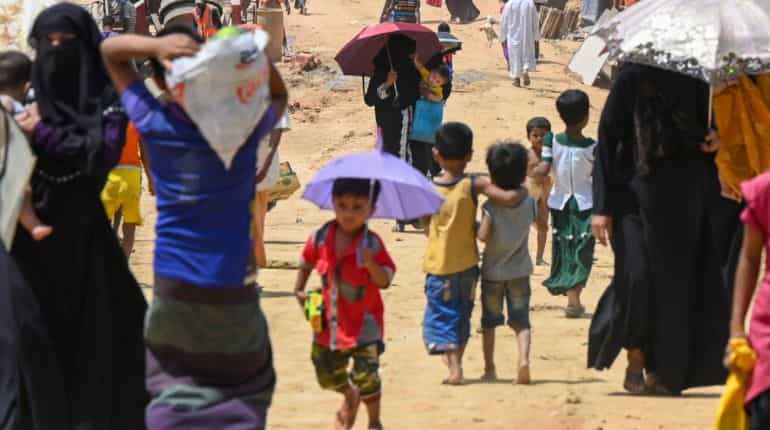
Saying she saw with her own eyes her two daughters killed by theMyanmarmilitary, Rahima Khatun is hopeful the US designation of the 2017 onslaught against theRohingyaas "genocide" will bring some justice.
The girls, thrown into a burning house as their village was razed to the ground, were among thousands of victims of a brutal crackdown againstMyanmar's long-marginalised Muslim minority.
Myanmar's junta denies the allegations and the case is currently being heard at the United Nations' highest court at The Hague, but the US declaration has provided hope for justice among manyRohingya.

"TheMyanmarmilitary slaughtered and raped women. One day they came and threw our children alive into the fire. My two daughters were among them," said Khatun, 52, tears rolling down her cheeks at a refugee camp inBangladesh.
The crackdown prompted an exodus of about 740,000 people intoBangladesh, joining more than 100,000 others who had fled earlier waves of violence.
)
US Treasury rallies global financial institutions for Op Economic Outcast to isolate Iran
)
Trump praises India’s Opium crackdown, hails anti-drug efforts
)
Saudi Vs Houthis: Yemeni military rebels clash with Houthis
)
Veteran actor Anant Nag honoured with Indian cinema’s highest award
)
Pakistan boycotts chess match against Israel at Olympiad
)
Lionel Messi for 2026 Ballon d’Or over Mbappe and Yamal, says Diego Simeone
)
Protests erupt over migrant housing plan in Piddington
)
Formula One reveals the 2027 race calendar; Monaco to host sprint race for the first time
)
Bigg Boss 20: Mahhi Vij reveals she lost Yuva role to Kareena Kapoor; 'didn’t work out in my favour'
)
No Pandya as Auqib Nabi earns maiden ODI call-up; Mayank returns for WI T20Is| check full squads
)
Former India player Diana Edulji wants Smriti Mandhana to replace Harman as skipper at the earliest
)
US House votes 417-3 to pass Ratepayer Protection Act targeting AI data center electricity costs
)
Pakistan: Imran Khan's sons Kasim & Sulaiman claim their father is 'tortured' in jail
&im=FitAndFill=(700,400))
New OTT releases this week (September 14-20, 2026): Lust Stories 3, Waiting Hai, Irumudi- 5 new titles coming on Netflix, Prime Video and more
)
Taiwan seeks deeper India ties as direct flights restart soon and chip projects advance
)
Trump gets new power to hit India, China with up to 100% tariffs as US Senate clears Russia sanctions bill
)
Former OpenAI researcher warns of growing risks from Artificial Intelligence
)
Want to get married within a year? Why 18 lakh people rush to Jaipur for ‘sacred henna’
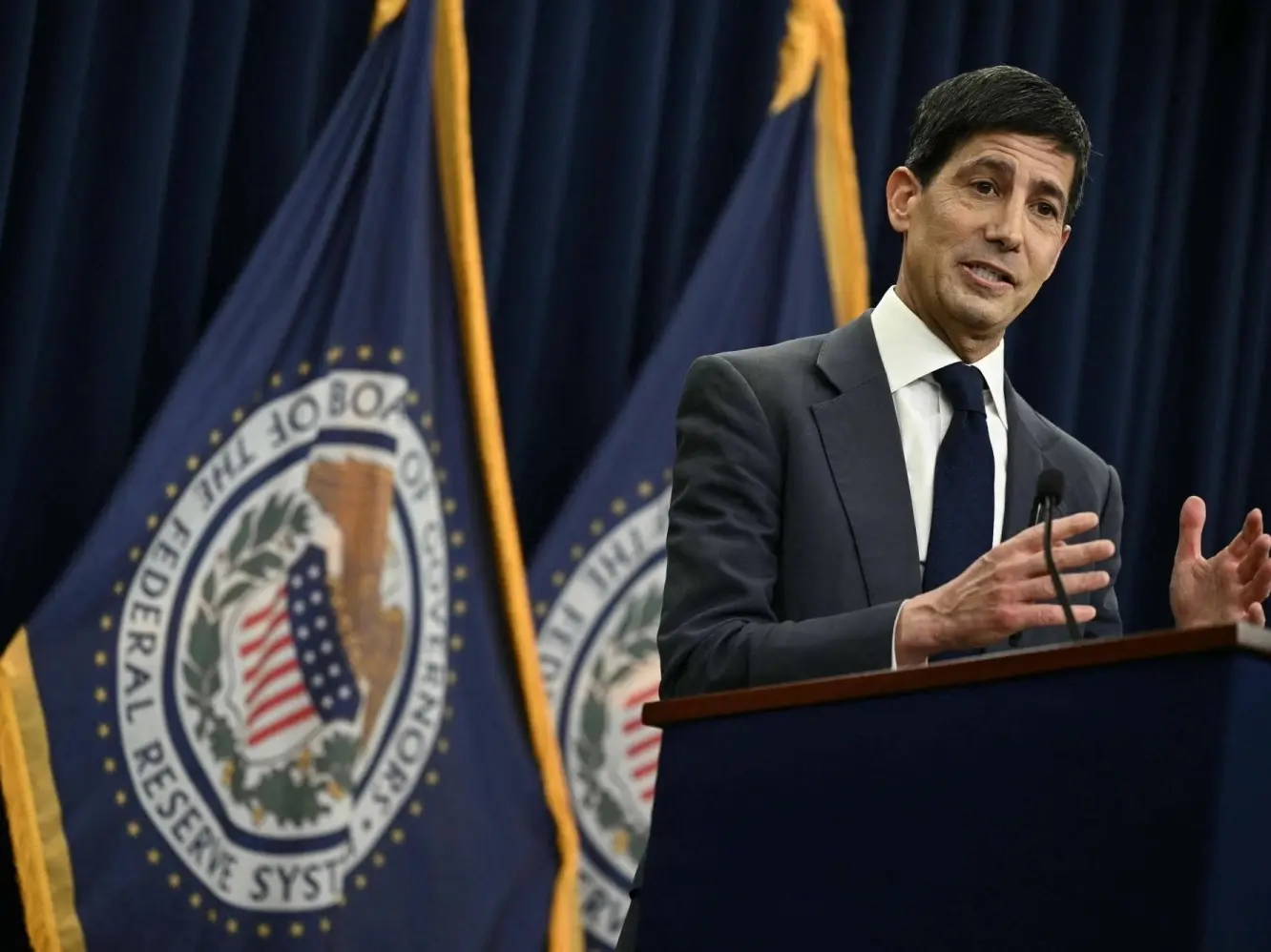)
Fed raises rates for first time in 3 years, Kevin Warsh defies Trump as inflation mounts
)
Chiefs tight end Travis Kelce named one of the victims in $35 million ponzi scheme
)
The Early Spring season 2 is happening, but fans have one request - 'don't change the actors'
)
All Indian goods to get duty-free access to New Zealand
)
Sydney Sweeney defends provocative ad choice, the internet is still not impressed
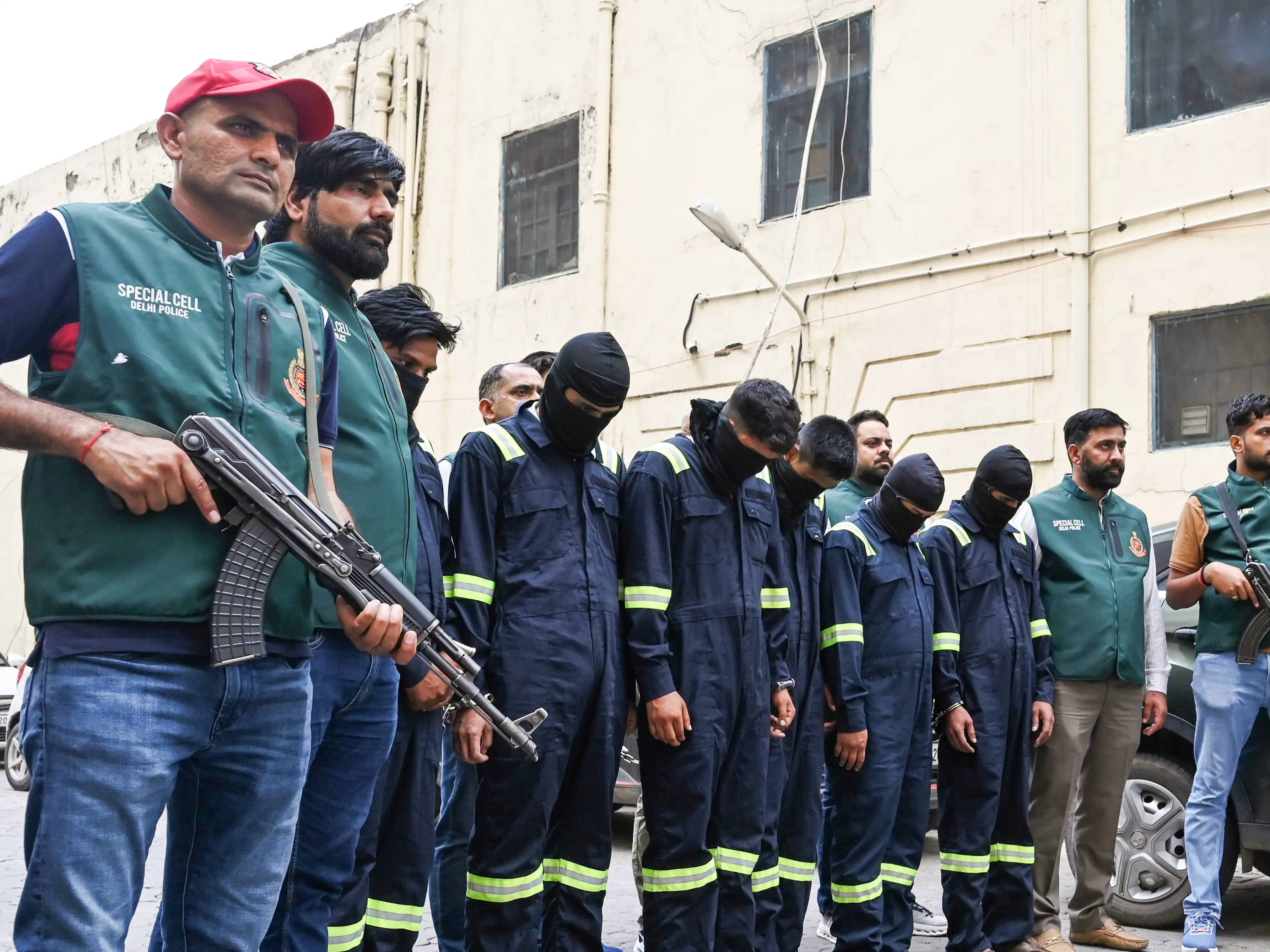)
Shahzad Bhatti Network declared terrorist organisation under UAPA: Govt order
)
Europe wants a common playbook for security threats, seeks security beyond NATO
)
Trump calls Canada-EU associate membership plan ‘laughable’ and threatens 'very serious tariffs'
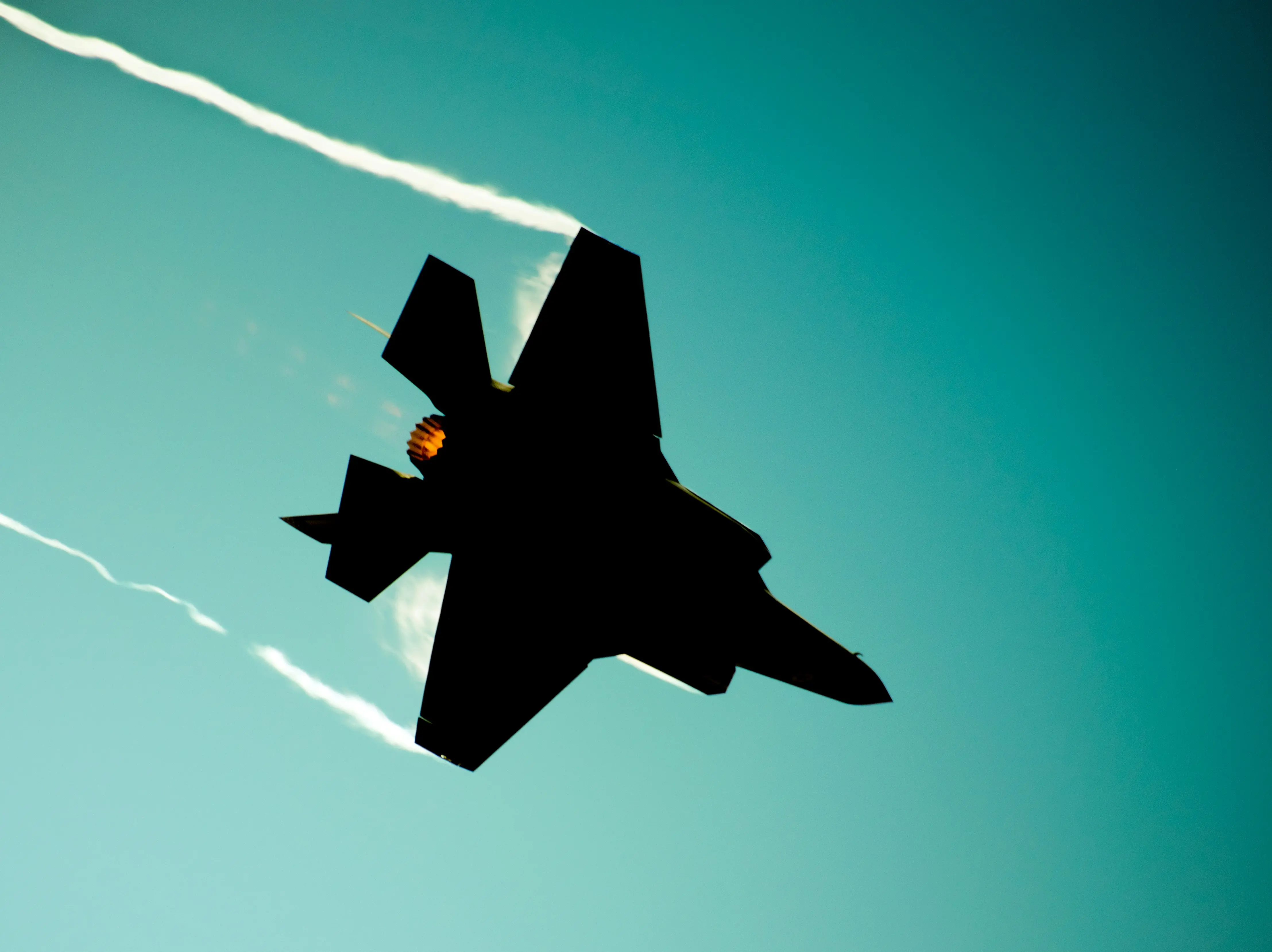)
‘Imagine 50 AI fighters cornering one manned jet’: India’s mobbing doctrine eyes a new era of air warm
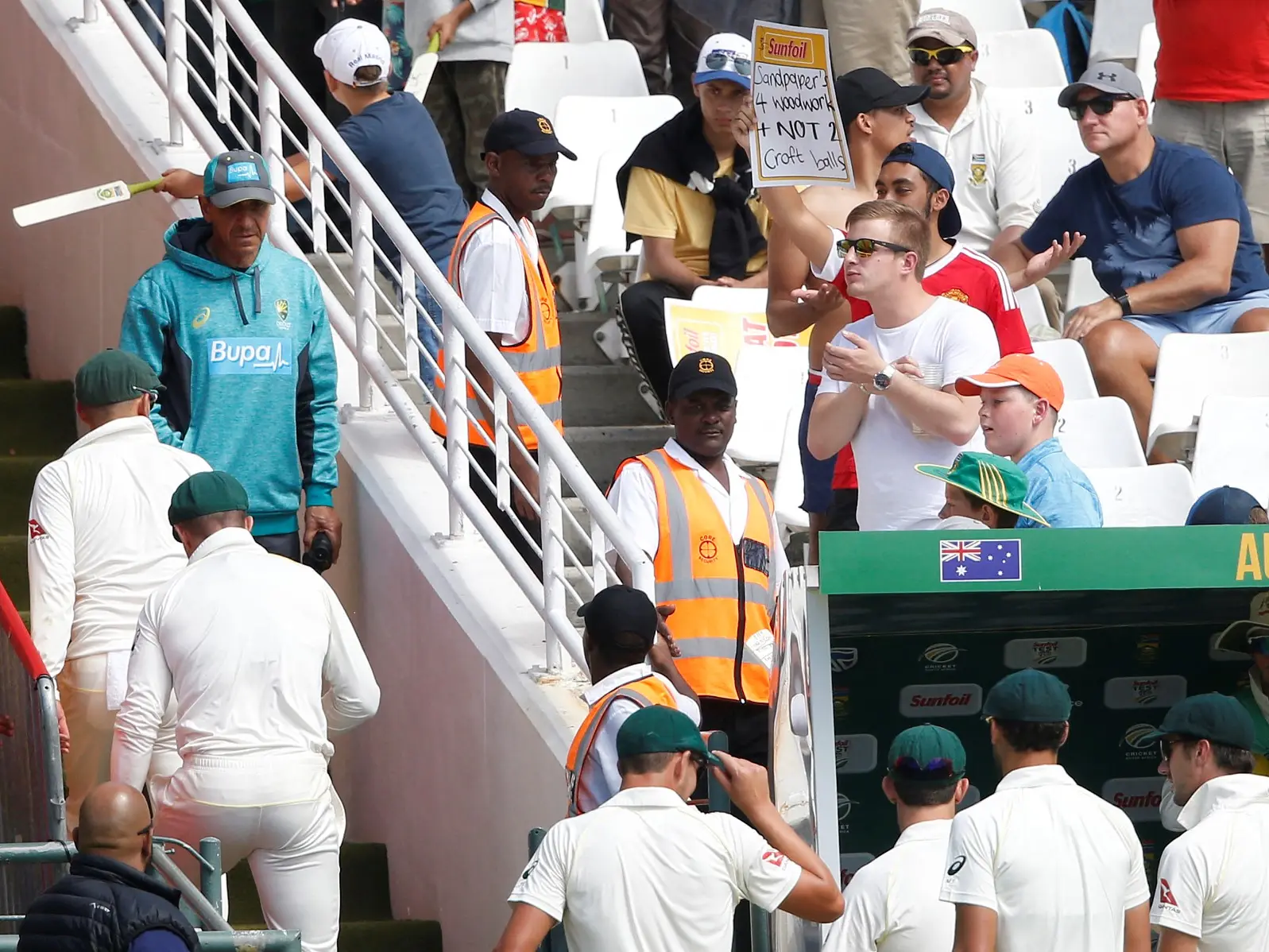)
AUS vs SA: Steve Smith still gets 'little flashbacks' from sandpaper gate
)
India breaks silence on US Russia sanctions bill, 100% tariff threat: ‘Committed to energy security’ for 1.4 billion
)
Abhishek Sharma rises to No. 2 in T20Is; ENG’s Robinson 3rd after record Pakistan Tests
)
Daayra movie review: Kareena Kapoor, Prithviraj Sukumaran shine in Meghna Gulzar’s cop-versus-cop crime thriller
)
Katrina Kaif’s postpartum weight is not the problem; your gaze is
)
Hong Kong unveils 11 new measures to boost birth rates, offers higher cash bonuses and housing perks
)
US trade tariff: 100% tariff targets Russian buyers amid trade tensions
)
Pak batter Rizwan's petition against being questioned by cyber crime agency rejected by court
)
Saudi vs Houthis: Riyadh claims to have shot Houthi drone targeting Mecca
)
Prime Minister Narendra Modi's birthday: Italian PM Meloni sends birthday wishes
&im=FitAndFill=(700,400))
Suriya and Jyothika say ‘I do’ again after 20 years! See their dreamy wedding pics
)
Pakistan naval vessel returns to harbour with 'severe damage' after collision with Indian warship in Arabian Sea
They live in a vast network of squalid camps made up of bamboo shacks, refusing to return home untilMyanmarensures the rights of theRohingya.
Washington said this week there was clear evidence of an attempt at the "destruction" of the minority group.
Community leaders in the camps, activists and victims told AFP that the US move would bringMyanmar's military to account and -- perhaps -- allow them to go back and rebuild their villages and lives across the border.
"We have been waiting for a long time for this day. The US is the world's most powerful nation. Theirdecisionwill reverberate across the world. Maybe we'll get justice soon," local leader Sayed Ullah told AFP.
Ullah, 33, who heads aRohingyarights group in the camps, also lost several relatives and dozens of fellow villagers during the 2017 offensive.
YoungRohingyaactivist Sawyeddollah, 23, said news of the USdecisionspread like wildfire through the settlements, with people sharing video of Secretary of State Antony Blinken's speechoncellphones.
"I hope the Biden administration will create a quick tribunal to go for action to implement theirdecision," Sawyeddollah said.
"America didn't say anything all these years. But yesterday'sdecisionmade all of us very happy," said Robi Ullah, 45, another refugee.
Siraj Ullah, 65, said he offered prayers to God to express gratitude to the United States.
"I hope they (the US) can ensure our repatriation as early as possible. If we get all of our rights back we are agreed to go back to our homeland instantly," Ullah told AFP.
No genocidal intent
Myanmar's juntaonTuesday said it "categorically rejects" the US declaration.
"Myanmarhas never engaged in any genocidal actions and does not have any genocidal intent to destroy, in whole or in part, a national, racial or religious group or any other group," it said.
Bangladesh, which has borne the brunt of sheltering the refugees, called the USdecisionoverdue but still "good news", and said it would strengthen the case againstMyanmarat the International Court of Justice.
"I believe, hopefully after the statement of the US Secretary of State, they (Washington) will also put more pressureontheMyanmargovernment so that they take back their people as they have already promised,"BangladeshForeign Minister A.K. Abdul Momen said.
He added however thatMyanmarwas continuing to stall repatriation efforts, most recently by issuing a list of 700Rohingyawho could return which he said was "defective" and likely to be rejected by theRohingyacommunity.
"The way the list is prepared, it feels like it lacks goodwill and smacks of ulterior motives," he said.
Mohammad Zafar, anotherRohingyacommunity leader in Kutupalong, the biggest of the refugee camps -- and the largest in the world -- played down the prospect of returning home any time soon.
"I highly doubt whether it will bring any change to our fate. We are literally stranded in a foreign land for years, barely surviving," he said.
"The damage has been done to us. Nothing can compensate unless there are visible actions," Zafar told AFP.
Watch |Myanmar committed genocide against Rohingya, says US. But what is genocide?