From Armenia to Myanmar: Accusations of genocide in the past

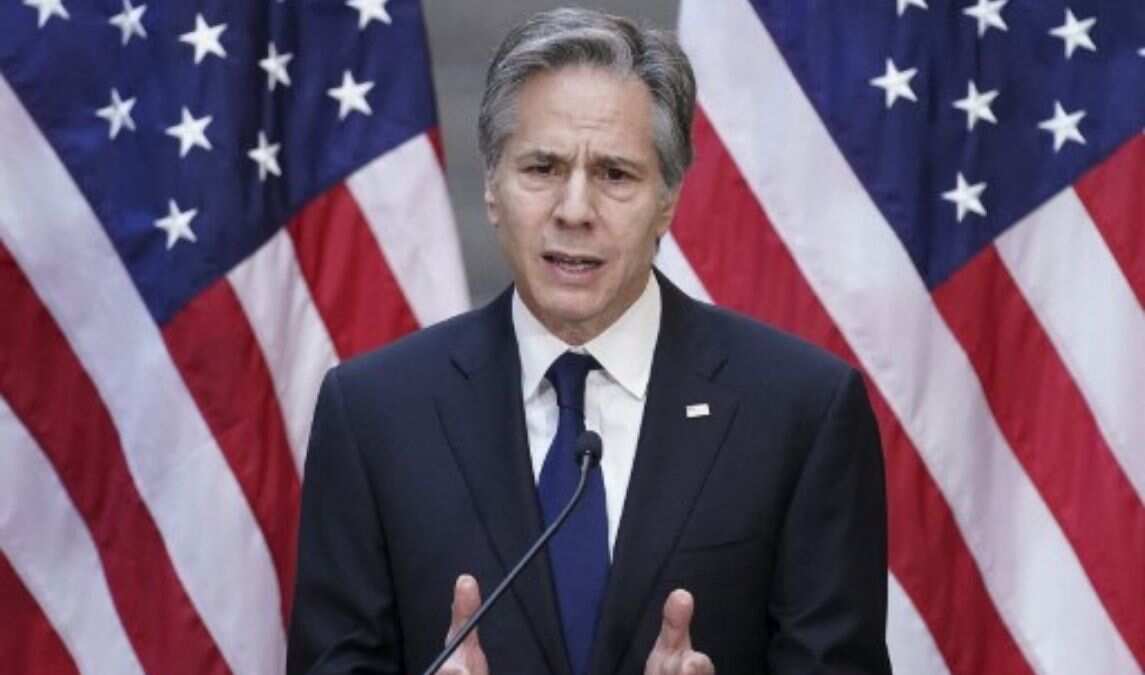
Myanmar military's attacks on Rohingya were genocide
The United States claimed that violence committed by Myanmar's military against the Rohingya was an attempt to exterminate the mostly Muslim minority and constitutes genocide.
The violence had sparked a mass exodus of Rohingya from the country in 2016-2017. Blinken said there was "clear intent" to destroy the Muslim minority.
US Secretary of State Antony Blinken said, "I have determined that members of the Burmese military committed genocide and crimes against humanity against Rohingya."
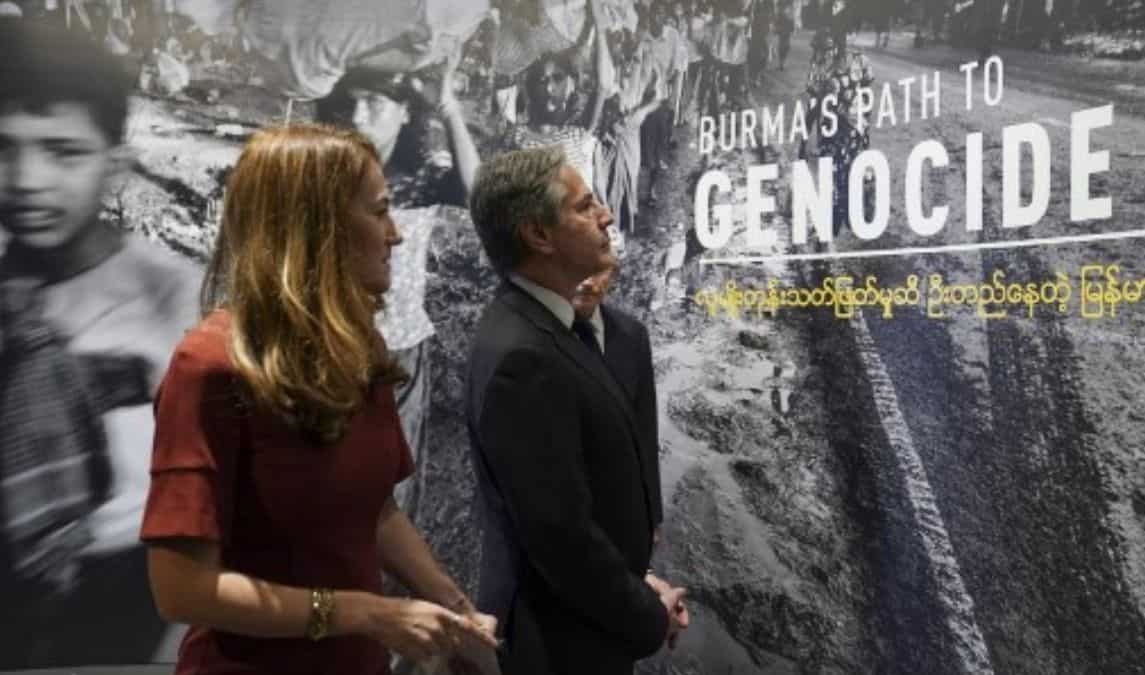
What is genocide?
Genocide can be defined as the gravest crime against humanity. When crimes are committed intentionally to destroy a national, ethnic, racial or religious group, they constitute genocide.
The term genocide was coined by Jewish-Polish lawyer Raphael Lemkin in 1943. Lemkin witnessed the horrors of the Holocaust as every member of his family was killed, except his brother.
He then campaigned to have genocide recognised as a crime under international law. In December 1948, United Nations Genocide Convention was adopted. It came into effect in January 1951.
The term, derived from the Greek word "genos", for race or tribe, and the suffix "cide" from the Latin for "to kill", was first used to describe the Holocaust of six million Jews during World War II.
Here's a look at other genocides that have been recognised by international courts or individual states.
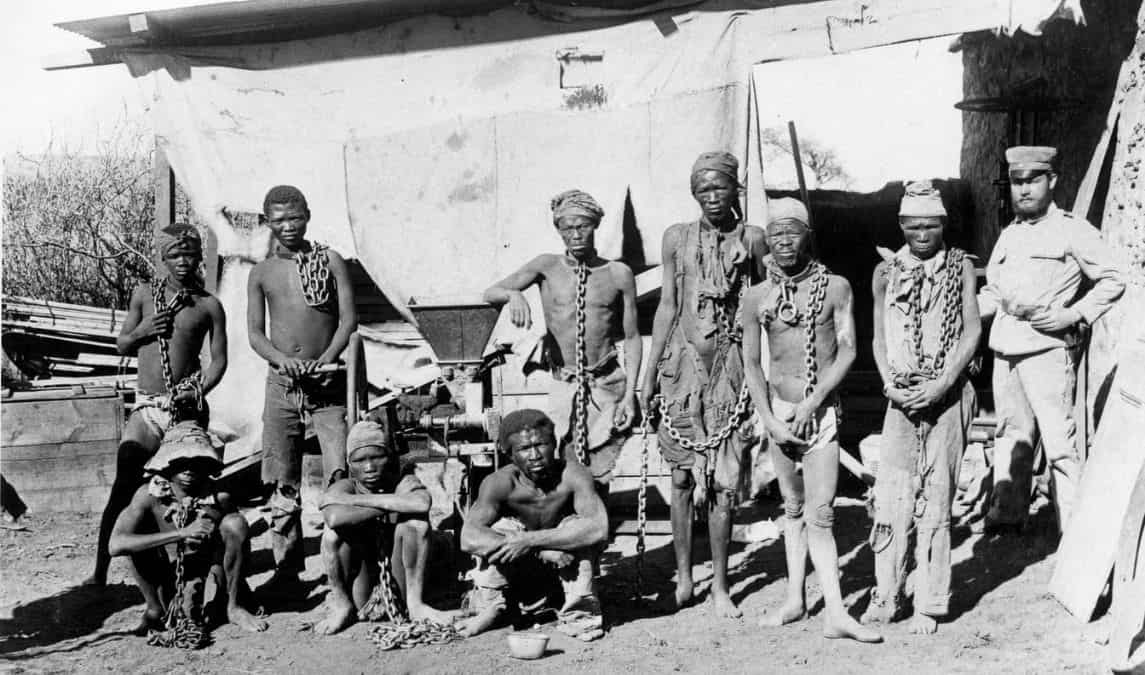
Namibia: First genocide
Germany in 2021 acknowledged it had committed genocide in colonial-era Namibia.
German settlers killed tens of thousands of indigenous Herero and Nama people between 1904 and 1908, a massacre historians called the first genocide of the 20th century.
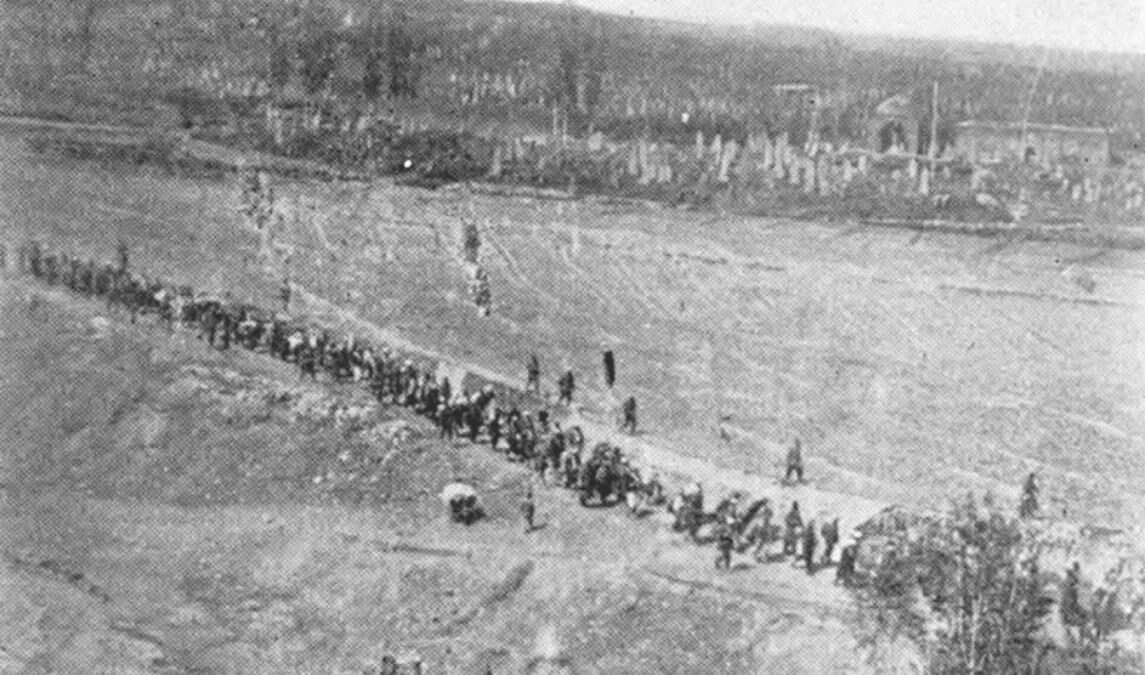
Armenia
Armenia says Ottoman Turk forces killed up to 1.5 million Armenians between 1915 and 1917, during World War I.
It has long sought international recognition of this as genocide, backed by around 20 countries and many historians.
The charge is vehemently rejected by Turkey, which admits nonetheless that up to 500,000 Armenians were killed in fighting, massacres or by starvation during mass deportations from eastern Anatolia.
Cambodia
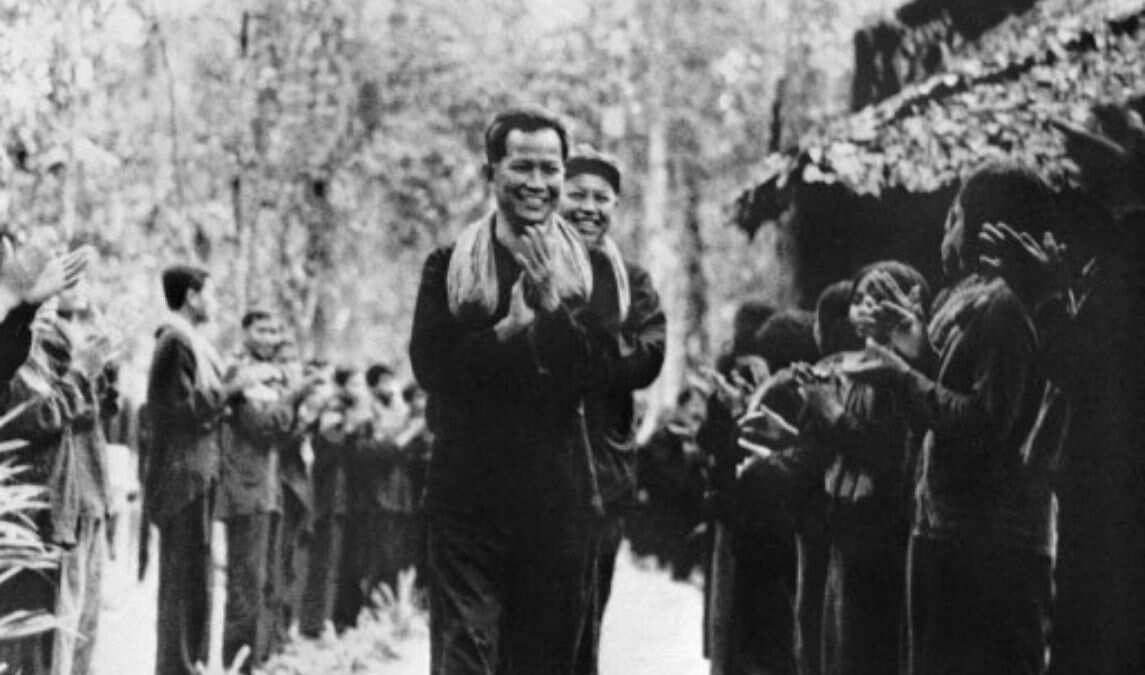
In a file picture taken on April 1976 , Khieu Samphan Prime Minister of the "Kampuchea Democratique" (Khmer Rouge) regime applauds his soldiers.
During a four-year reign of terror by the Maoist Khmer Rouge regime from April 1975 to January 1979, some two million people died from starvation, mass executions and overwork.
In November 2018, a UN-sponsored tribunal convicted the two top surviving leaders of the Khmer Rouge, Nuon Chea and Khieu Samphan, of genocide.
Nuon Chea has since died and Khieu Samphan has appealed.
Rwanda
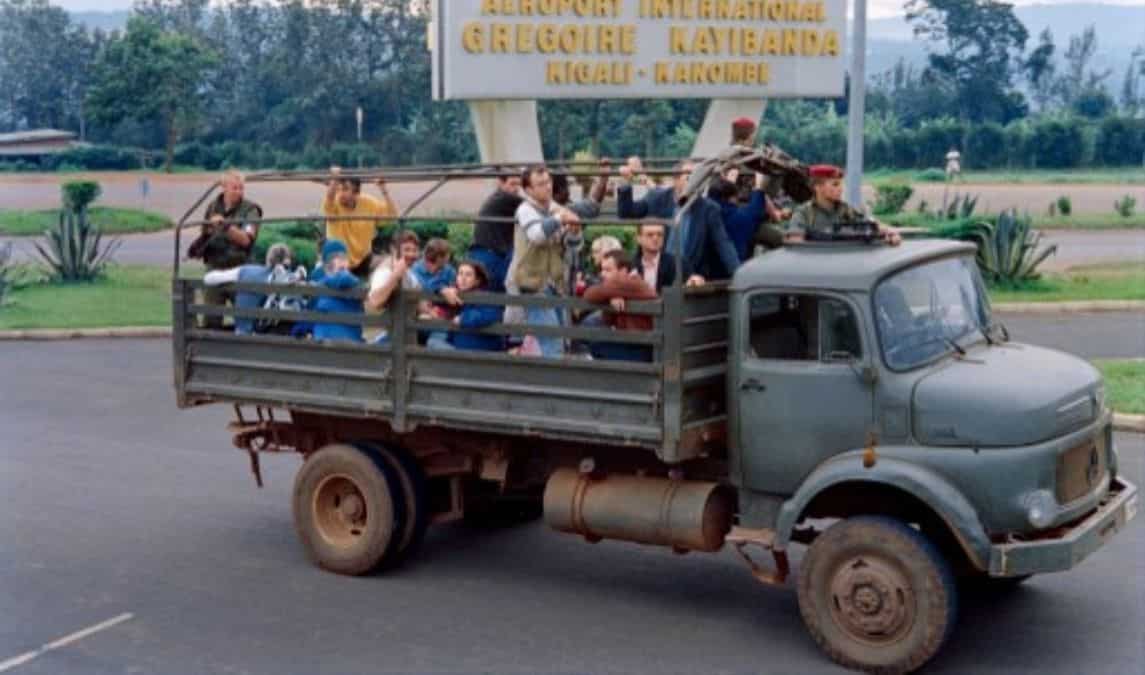
In this file photo, French paratroopers help european citizens at Kigali airport on April 11, 1994 during an evacuation operation, as massacres between Hutus and Tutsis go on.
The Rwandan genocide began in early April 1994 shortly after the ethnic Hutu president was killed when his plane was shot down in an attack blamed by the government on Tutsi rebels.
At least 800,000 people, mostly Tutsis and some moderate Hutus, were slaughtered over the following 100 days, according to the UN.
The UN set up the International Criminal Tribunal for Rwanda, which issued the world's first genocide conviction in 1998.
Srebrenica
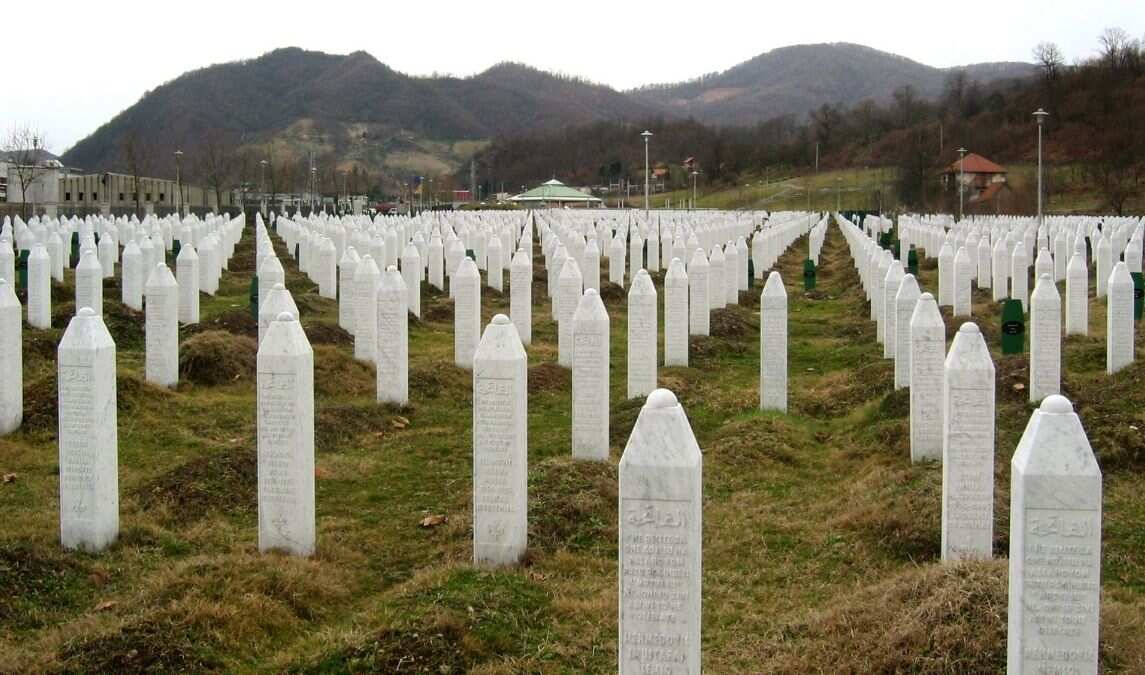
The 1995 massacre at Srebrenica, eastern Bosnia, of almost 8,000 Muslim men and boys by Bosnian Serb forces was recognised as a genocide by the International Court of Justice, the UN's top legal body, in 2007.
Former Bosnian Serb leader Radovan Karadzic and military chief Ratko Mladic were handed life sentences for genocide by a special UN court.
Sudan
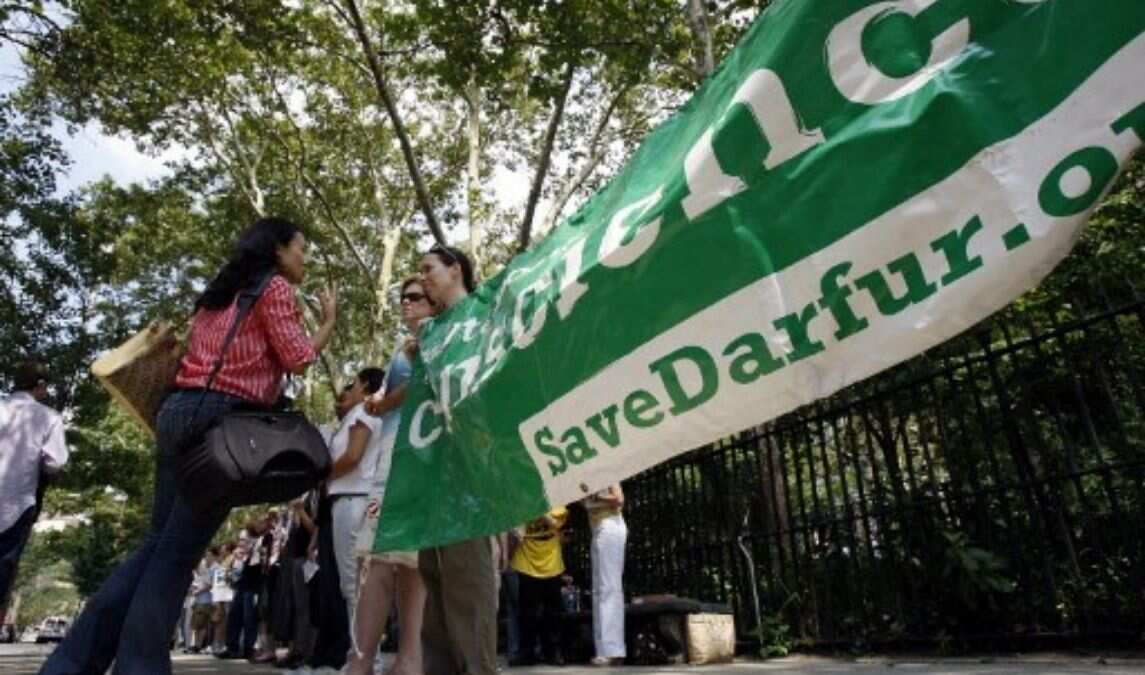
In this file photo, a coalition of groups demonstrated across the street from the Chinese Mission to the United Nations, 26 July 2007, in New York, calling on the Chinese government to act against genocide in the Darfur region of Sudan.
In August 2021, Sudan said it planned to hand over to the International Criminal Court ex-president Omar al-Bashir, who is wanted for genocide over fighting that erupted in the western Darfur region in 2003.
The UN estimates that the Darfur conflict left 300,000 people dead.
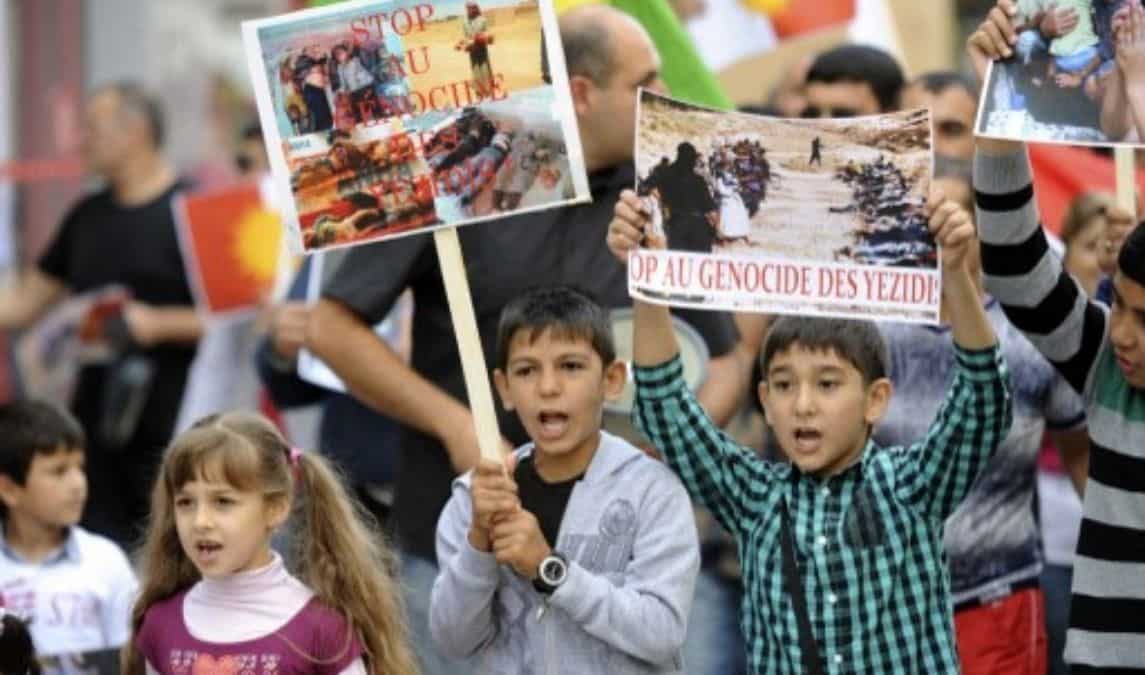
Yazidis in Iraq
Islamic State jihadists in August 2014 carried out a massacre of Yazidis, a Kurdish-speaking community in northwestern Iraq.
In November 2021, a German court convicted an Iraqi jihadist of "genocide".
The parliaments of several Western states have also termed the crimes "genocide".
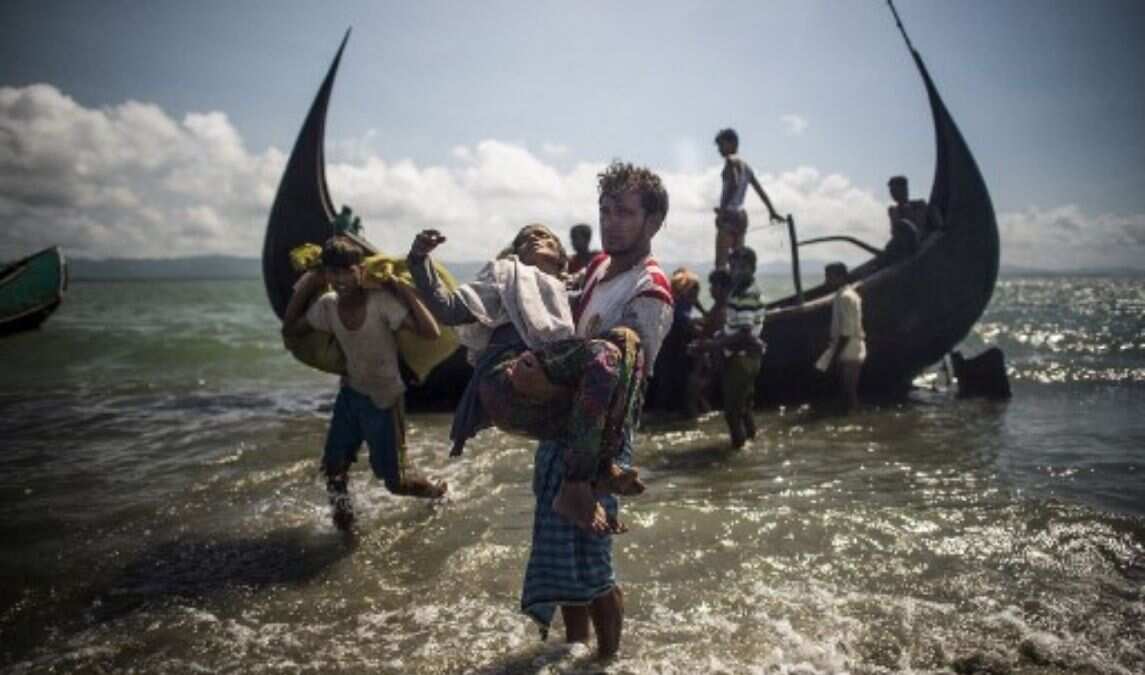
Rohingya in Myanmar
Around 740,000 of Myanmar's mostly Muslim Rohingya community fled the Buddhist-majority country for Bangladesh from August 2017, amid reports of rape, murder and arson.
Myanmar has been accused of "genocide" by The Hague-based International Court of Justice (ICJ).
The International Criminal Court has also opened a probe.

Uyghurs
Uyghurs
)
)
)
)
)