Why are people charging their phone in airplane mode? Know science and benefits behind it

Airplane mode disables all wireless activity, cutting power drain and heat during charging. Tests show it shaves 4-11 minutes off charge time and keeps phones cooler, which slows lithium-ion battery degradation. Used regularly, it's less about speed and more about long-term battery health.
How Airplane Mode Actually Works
Switching on airplane mode kills all wireless functions simultaneously: cellular, Wi-Fi, Bluetooth, and GPS included. Your device stops searching for towers, syncing apps in the background, or exchanging data. It remains powered on, and your alarm still functions, but it's running in a minimal-activity state.
Charging Speed Gets a Boost
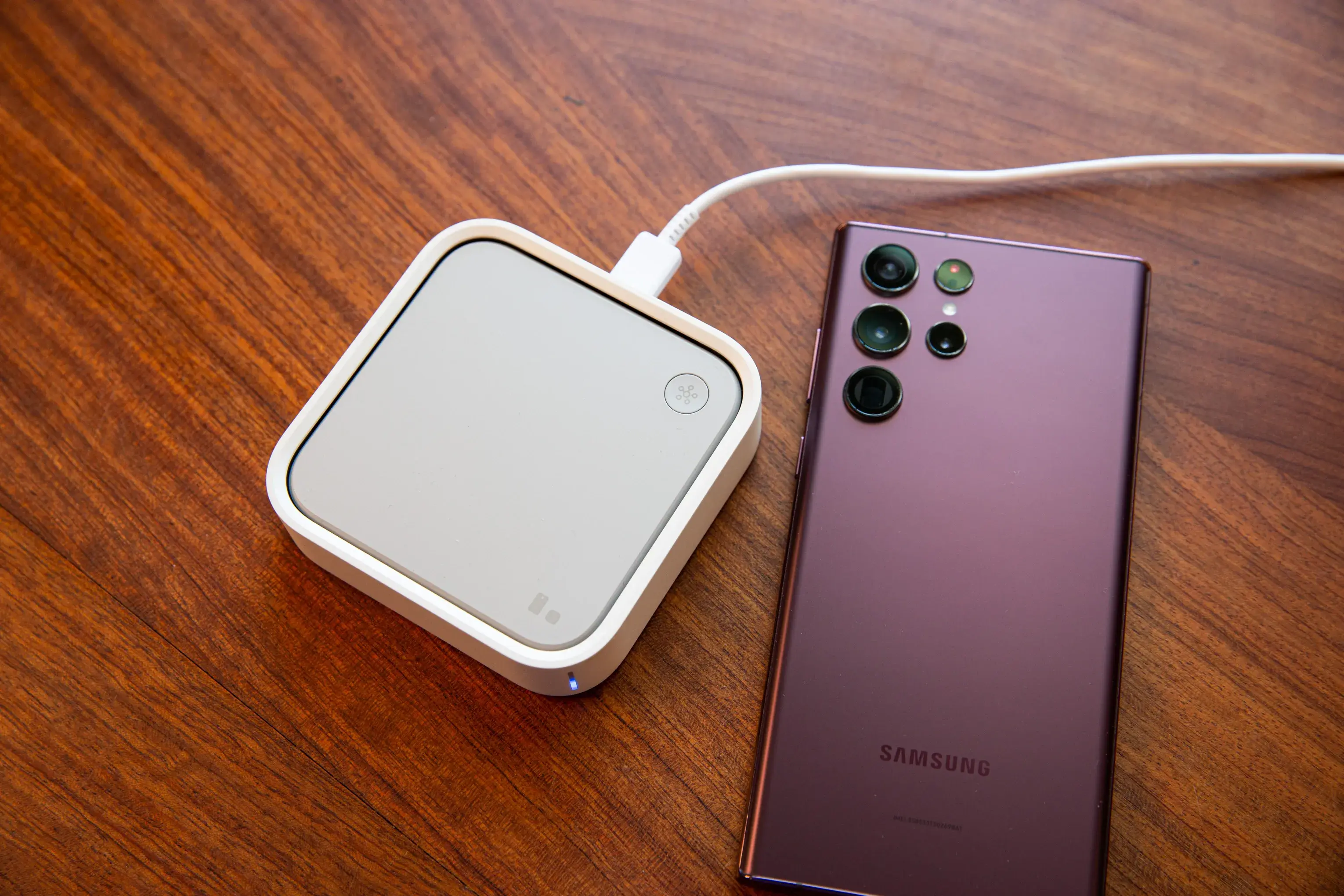
SlashGear's testing on a Samsung Galaxy S24 Ultra verified that aeroplane mode does speed up charging, backing up earlier results from CNET. The improvement is small, around 4 to 11 minutes for a full charge, but it's consistent and reproducible across both newer and older devices.
The Science Behind the Gain Speed Boost
While connected to a network, the cellular radio draws considerable power just searching for a signal. Research published in ACS Energy Letters found that background processes and heat buildup during charging actively interfere with the charging process itself. Turning on airplane mode eliminates that drain, channelling more power directly into the battery.
Lower Heat, Healthier Battery
This effect carries more weight than the speed gain. Heat poses the greatest threat to lithium-ion batteries. A study in ACS Omega found that charging at elevated temperatures considerably accelerates battery wear, and repeated heat exposure across charge cycles chips away at long-term capacity. Charging in aeroplane mode keeps the device cooler, making it a healthier option.

Battery's Long-Term Health Improves
Most people focus on their current charge rather than the 500th one down the line. The ACS Energy Letters research on lithium-ion temperature effects demonstrated that even small drops in heat across repeated charging cycles can noticeably slow degradation over time. Used consistently, airplane mode matters less for speed and more for preserving battery capacity in the long run.
)
)
)
)
)