India: Tamil Nadu's 'Amma' no more

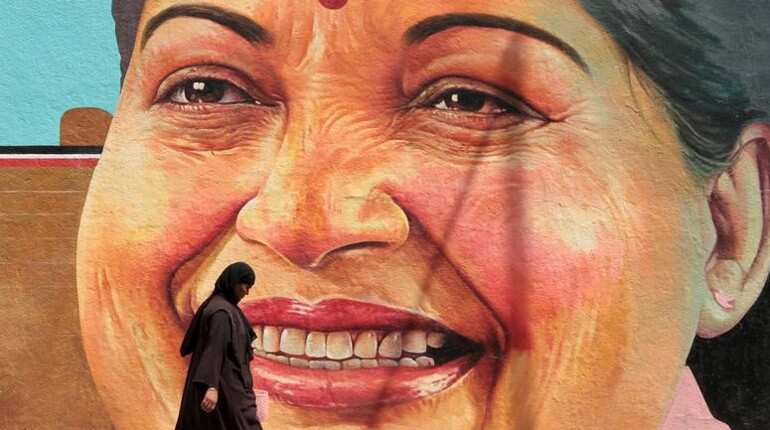
Jayalalithaa
From 1991 to 2016, Jayalalithaa became the chief minister of Tamil Nadu for a record six times
In a political career that spanned over 27 years, J Jayalalithaa had a looming presence in Indian politics. But it was not politics that got propelled herto the spotlight. Born on February 24, 1948, Jayalalithaa was introduced to the world of films at a young age.
Sheaced as an actress between 1965 and 1980 to become one of thehighest-paid celebrities in the country.
Jayalalithaa then turned to politics by joining the All India Anna Dravida Munnetra Kazhagam (AIADMK), a party founded by south Indian cultural icon and once her co-star MG Ramachandran.

But her venture into politics was bittersweet.
In 1989, Jayalalithaa claimed she was assaulted by the oppositionlegislators, who pulled her saree in the assembly. After the incident, Jayalalithaa allegedly vowed to enter the house only when she became the chief minister.
And she did just that.
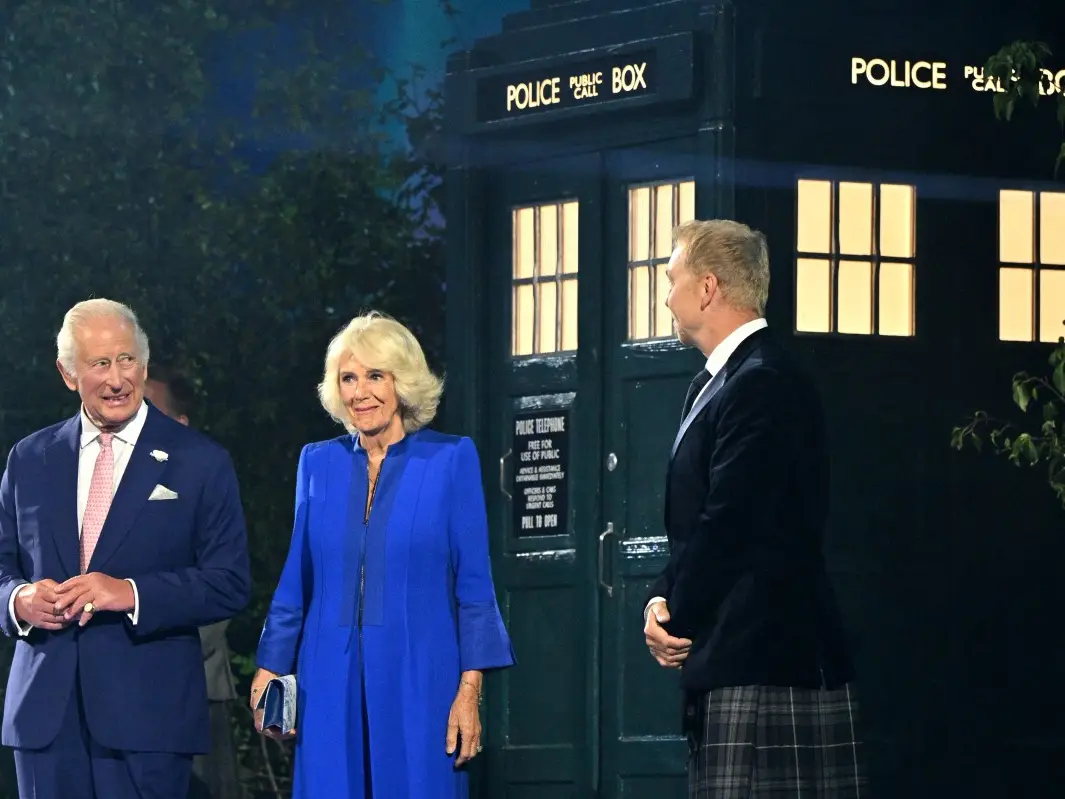)
The Royals enter the Doctor Who universe: King Charles and Queen Camilla beam into Commonwealth Games in TARDIS
)
'I was almost trafficked in Paris,' says Australian woman, shares terrifying ordeal - 'I am on the black market'
)
Why did India turn down the US offer for F-35 fighter jets? EXPLAINED
)
India avoids higher US tariff, secures lower 10% rate. Here's how
)
DMK leader Udhayanidhi Stalin detained over 'double-meaning' Trisha remark in Vijay's Tamil Nadu
)
22 children dead, 35 infected: India's Gujarat faces Chandipura virus outbreak — Experts explain symptoms
&im=FitAndFill=(700,400))
Meet top 5 bowlers in latest ICC ODI rankings 2026 - check who sits at the top
&im=FitAndFill=(700,400))
Can an S-400 detect a bird?
&im=FitAndFill=(700,400))
'Fifth-generation fighters': Can the S-400 shoot down an F-35?
)
Trump, Putin kissing in Amsterdam? Pride parade’s ‘couple’ goes viral | WATCH
)
'Crass, cheap and deeply derogatory:' Internet slams Udhayanidhi Stalin over his 'double-meaning' remark on Trisha
)
Pakistan minister admits ‘system has collapsed’, Munir pushes for more provinces | Gravitas
&im=FitAndFill=(700,400))
Why are iPhones so expensive compared to Android phones?
)
Bombay High Court canteens inspected after judges question Maharashtra FDA's 'selective' crackdown
)
WI vs PAK, 2nd Test: Shafique and skipper Babar lead fightback with unbroken 168-run stand on Day 2
)
Trump says Iranian school bombing photos could be AI-generated - 'I don’t think...'
)
Influencer killed on livestream: Mexican cartel boss' son asked dad to kill woman who broke up with him
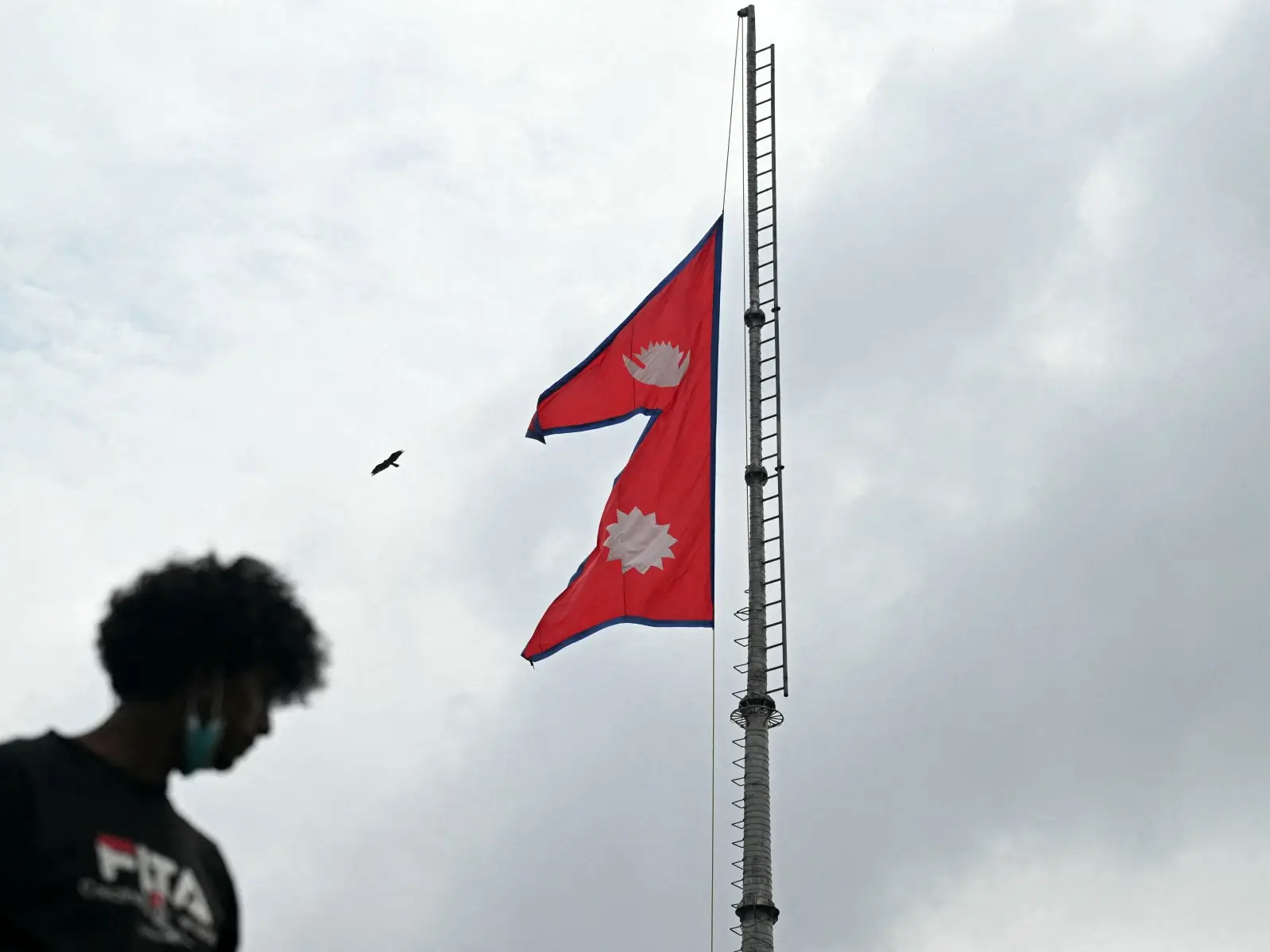)
What’s happening in Nepal? How did a local clash turn into communal violence? WION Decodes
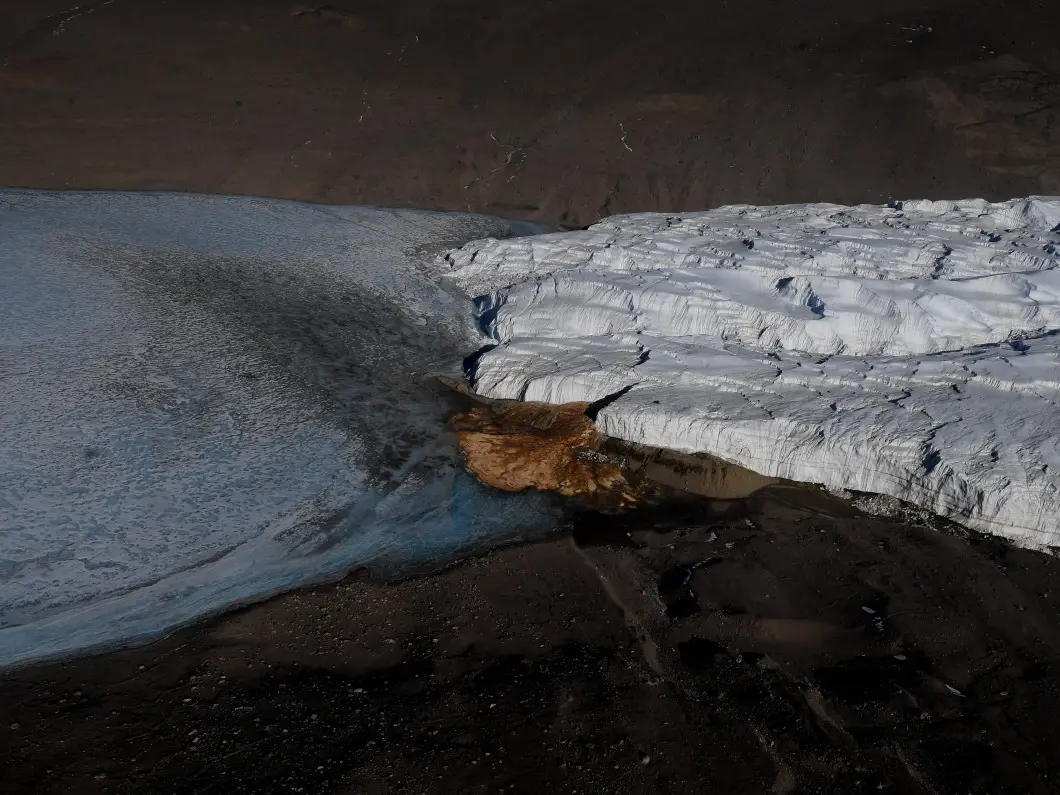)
Scientists find descendants of ancient sea creatures trapped under Antarctica's Blood Falls
&im=FitAndFill=(700,400))
7 longest flights in the world - Singapore, Qantas, Qatar and others
)
Multiple WhatsApp accounts, including in India, are under review for 24 hours. Here’s why
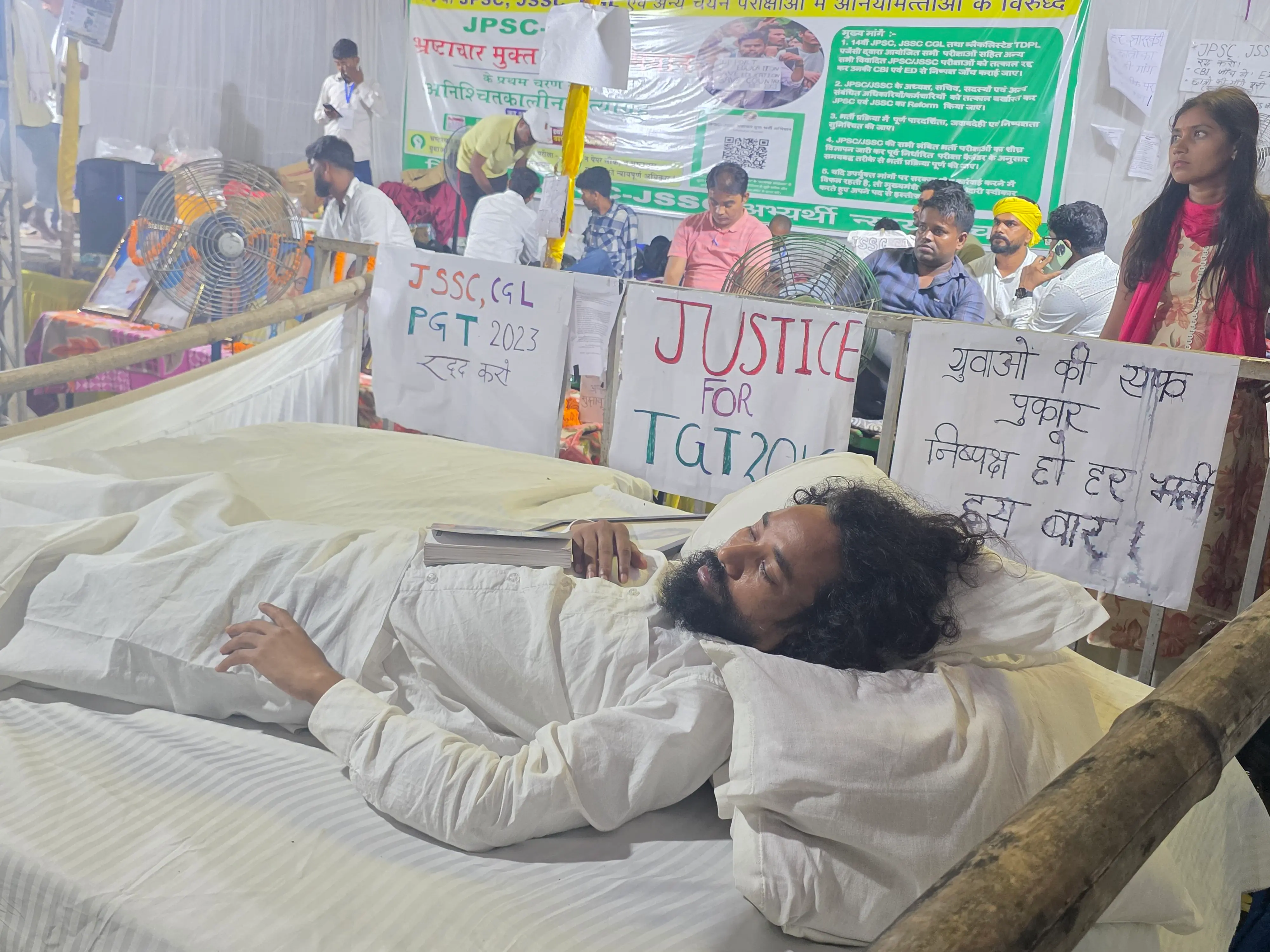)
Who is Devendra Nath Mahto, Jharkhand’s 'Sonam Wangchuk' fasting for protesting students?
)
PM Modi expected to visit Kyrgyzstan and Uzbekistan as India firms up Central Asia ties
&im=FitAndFill=(700,400))
Meet top 5 bowlers in latest ICC Test rankings 2026 - check who sits at the top
&im=FitAndFill=(700,400))
Meet top 5 batters in latest ICC Test rankings 2026 - check who sits at the top
&im=FitAndFill=(700,400))
Meet top 5 bowlers in latest ICC T20I rankings 2026 - check who sits at the top
)
'He is courageous leader': DK Shivakumar after TN CM Vijay postpone his Cauvery-related Karnataka visit
&im=FitAndFill=(700,400))
Why Russian tanks are much lighter compared to US tanks
)
Tamil Nadu leader Udhayanidhi Stalin draws severe backlash over derogatory remark against Trisha
&im=FitAndFill=(700,400))
Why Russian jets use heavier steel compared to US jets
&im=FitAndFill=(700,400))
New OTT releases this week (August 3-9, 2026): Main Vaapas Aaunga, Uyir, Operation Safed Sagar- 6 titles coming on Netflix, Prime Video and more
)
Wipro's margins fall to 15-quarter low as AI investment eats into profit
&im=FitAndFill=(700,400))
Why Russian fighter pilots wear blue flight suits compared to US pilots
&im=FitAndFill=(700,400))
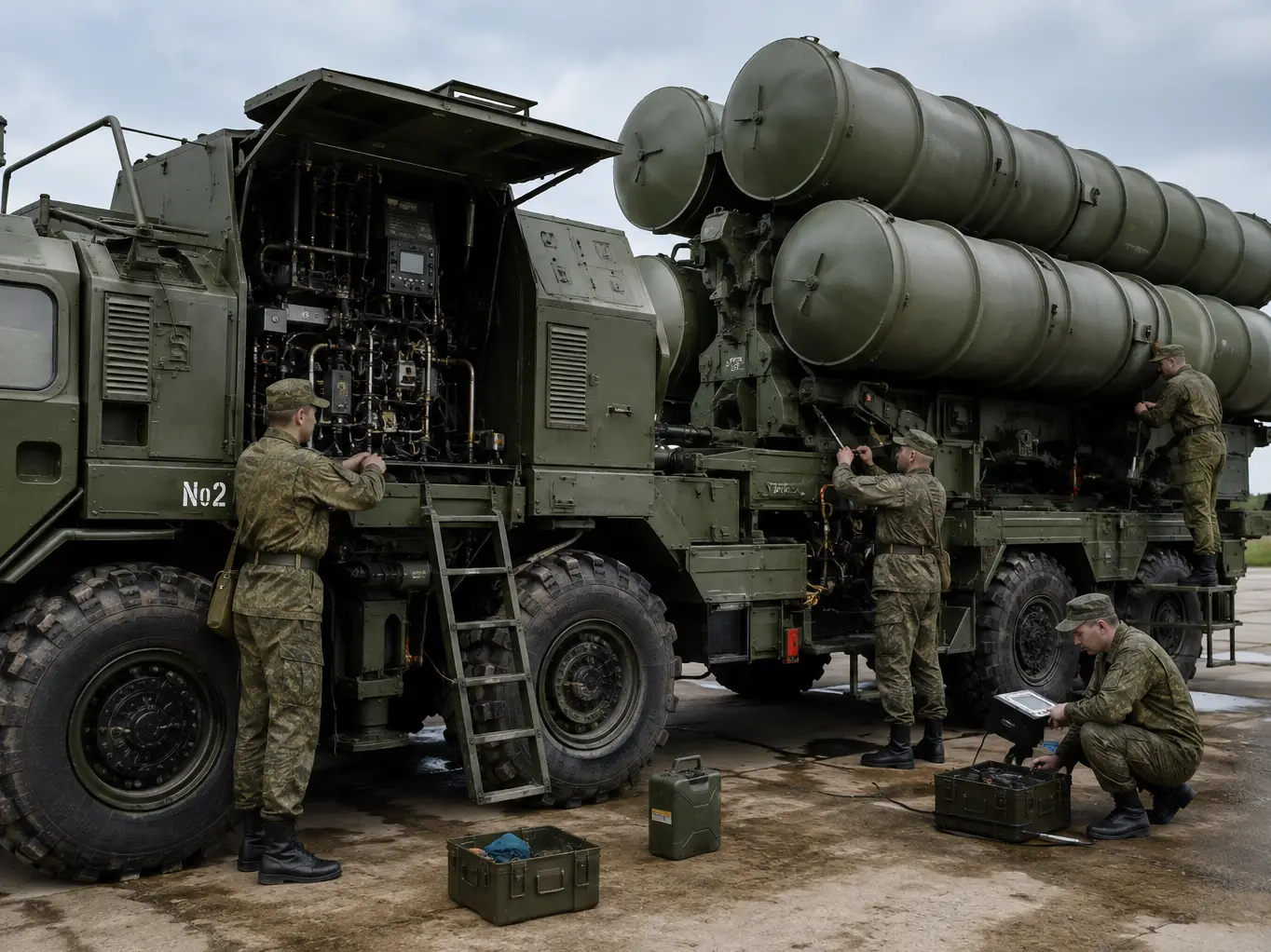
How often does an S-400 need maintenance?
In 1991, Jayalalithaa was sworn-in as the chief minister of Tamil Nadu state, becoming the youngest ever and the second woman chief minister of the state.
Once looked down upon by many in the opposition because of her career in acting, Jayalalithaa went on to become one of the strongest political forces India would see for decades to come.
From 1991 to 2016, Jayalalithaa became the chief minister of Tamil Nadu for a record six times.
She faced multiple graft cases but despite the charges, Jayalalithaa maintained her popularity among the poor. Over time, her populist schemes helped forgea 'demigod' stature. Her supporters indulged in a cult-like worship, many even making small temples for her. She came to be known as "Amma" or mother.
“I am an unconventional politician”, Jayalalithaa had said in an interview with BBC and so she was.
Jayalalithaa passed away at 68 due to a cardiac arrest following a prolonged illnesson December 5 2016, marking the end of an era in the country’s regional power play.
(WION)