Explained | Anwaar-ul Haq Kakar established as Pakistan's caretaker PM. Why it matters

Pakistan caretaker PM
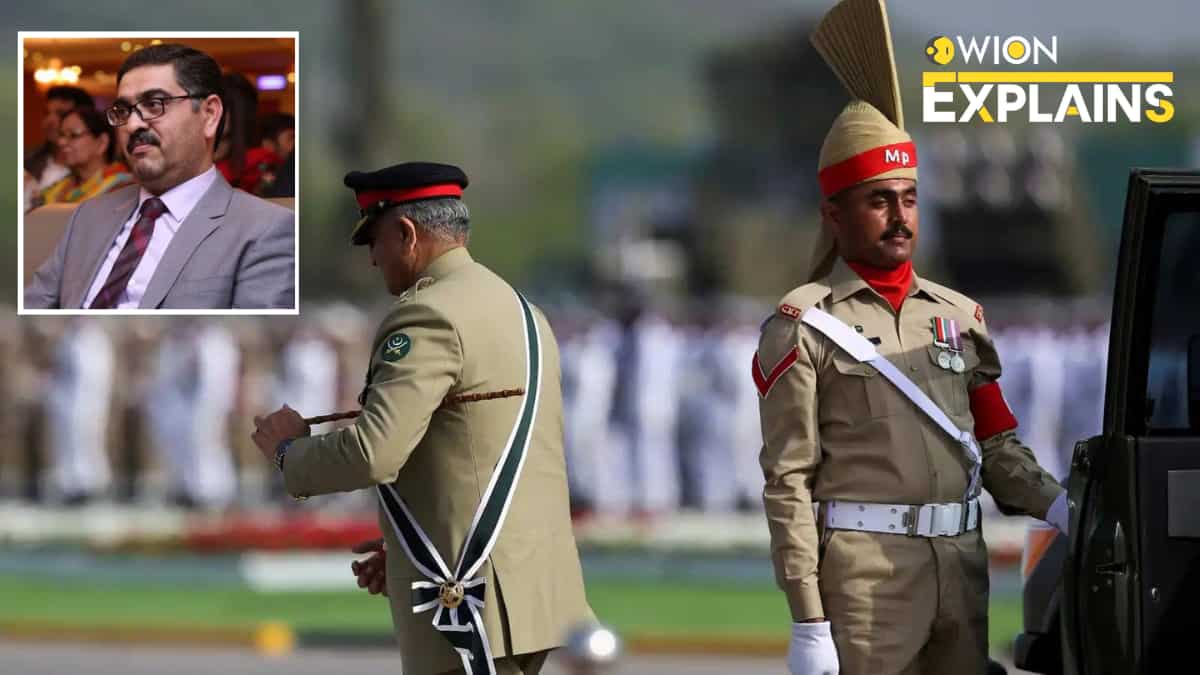
Anwaar-ul Haq Kakar, a teacher-turned politician from Pakistan's restive province of Balochistan, is now Pakistan's prime minister with a much-discussed 'caretaker' prefix.
Kakar, Pakistan's 24thprime minister since country's existence in 1947, heads the Balochistan Awami Party formed in 2018 by a group of dissidents from former Prime Minister Nawaz Sharif's Pakistan Muslim League (Nawaz) and a second short-tenured Prime Minister Chaudhry Shujaat Hussain's Pakistan Muslim League (Quaid e Azam group) parties.
The second group of dissidents led by Shujaat Hussain has been a vocal supporter of military-intelligence nexus of Pakistani power centre dubbed as the 'establishment'. Hussain was one of the top proponents of the 1999 coup by the then army chief Pervez Musharraf, and has been described as army's man in Pakistani electoral politics since.

Elected to the National Assembly in 2018, The senator has done a Master’s in political science and sociology from University of Balochistan and started his career by teaching in a school in his native town, it reported.
Kakar has served as the chairperson of the Senate Standing Committee on Overseas Pakistanis and Human Resource Development. He was also a member of the Business Advisory Committee, Finance and Revenue, Foreign Affairs and Science and Technology.
Anwaar-ul Haq Kakar as Pakistani PM: Why it matters?
&imwidth=180&imheight=135&format=webp&quality=medium)
'Hell of a beautiful a**': Trump compliments Nicki Minaj as rapper joins him in Michigan rally
&imwidth=180&imheight=135&format=webp&quality=medium)
'Hire the robot, fire the human': Bill Gates's words hint at a bleak future
&imwidth=180&imheight=135&format=webp&quality=medium)
'Lousy president': Trump hits back at Obama over 'cheesecake factory' White House jibe
&imwidth=180&imheight=135&format=webp&quality=medium)
Jordan strikes 'terrorist organisations' in Syria after deadly church attack as Damascus shuts main border crossing
&imwidth=180&imheight=135&format=webp&quality=medium)
Microsoft offers voluntary exit packages to 60,000 employees in India, US, UK and Canada
&imwidth=180&imheight=135&format=webp&quality=medium)
WATCH | Virat Kohli returns to training ahead of New Zealand ODI series
&imwidth=180&imheight=135&format=webp&quality=medium)
'He is a red flag': Ex-India strength and conditioning coach on Rohit's fitness regime
&imwidth=180&imheight=135&format=webp&quality=medium)
One dead, six injured in Elizabeth, New Jersey mass shooting; suspect flees
&imwidth=180&imheight=135&format=webp&quality=medium)
Maurene Comey, daughter of ex-FBI director James Comey, was unlawfully fired as federal prosecutor, judge rules
&imwidth=180&imheight=135&format=webp&quality=medium)
Hijack scare unfolds on United flight over suspicious text message. Here is what happened
&imwidth=180&imheight=135&format=webp&quality=medium)
‘That is a miss’: Ravi Ashwin questions Sooryavanshi’s demotion to No. 3 in 2nd T20I vs NZ
&imwidth=180&imheight=135&format=webp&quality=medium)
Pakistan airline PIA unveils new crew uniforms, faces online criticism
&imwidth=180&imheight=135&format=webp&quality=medium)
Police called after 3-year-old scores 10 goals in 12 minutes at Florida youth soccer game
&imwidth=180&imheight=135&format=webp&quality=medium)
Trick or Treat -Anthropic's IPO sales pitch is the perfect Halloween scare for AI enthusiasts
&im=FitAndFill=(700,400)&imwidth=180&imheight=135&format=webp&quality=medium)
New OTT releases this week (October 26-November 1, 2026): Baththa, Akka, The One About Matthew Perry- 7 titles coming on Netflix, Prime Video and more
&imwidth=180&imheight=135&format=webp&quality=medium)
Mohra re-release in 4K: Akshay Kumar, Raveena Tandon’s film to clash with Ranbir Kapoor’s Ramayana
&imwidth=180&imheight=135&format=webp&quality=medium)
IND vs NZ 3rd T20I: Abhishek Sharma equals Rohit Sharma's record of 35-ball 100
&imwidth=180&imheight=135&format=webp&quality=medium)
US Midterms 2026: Last leg polls and forecasts indicate Democratic momentum, but Senate control remains uncertain
&imwidth=180&imheight=135&format=webp&quality=medium)
'Already tired of his 9-to-5': Baby born with a moustache becomes internet sensation, video goes viral | Watch
&imwidth=180&imheight=135&format=webp&quality=medium)
Zimbabwe slips four places to 14th out of 29 in Africa’s Digital Rights and Inclusion ranking
&imwidth=180&imheight=135&format=webp&quality=medium)
Democrats allege 'desperate efforts to cover up' Trump's involvement in Jeffrey Epstein sex crimes, release 50-page report
&imwidth=180&imheight=135&format=webp&quality=medium)
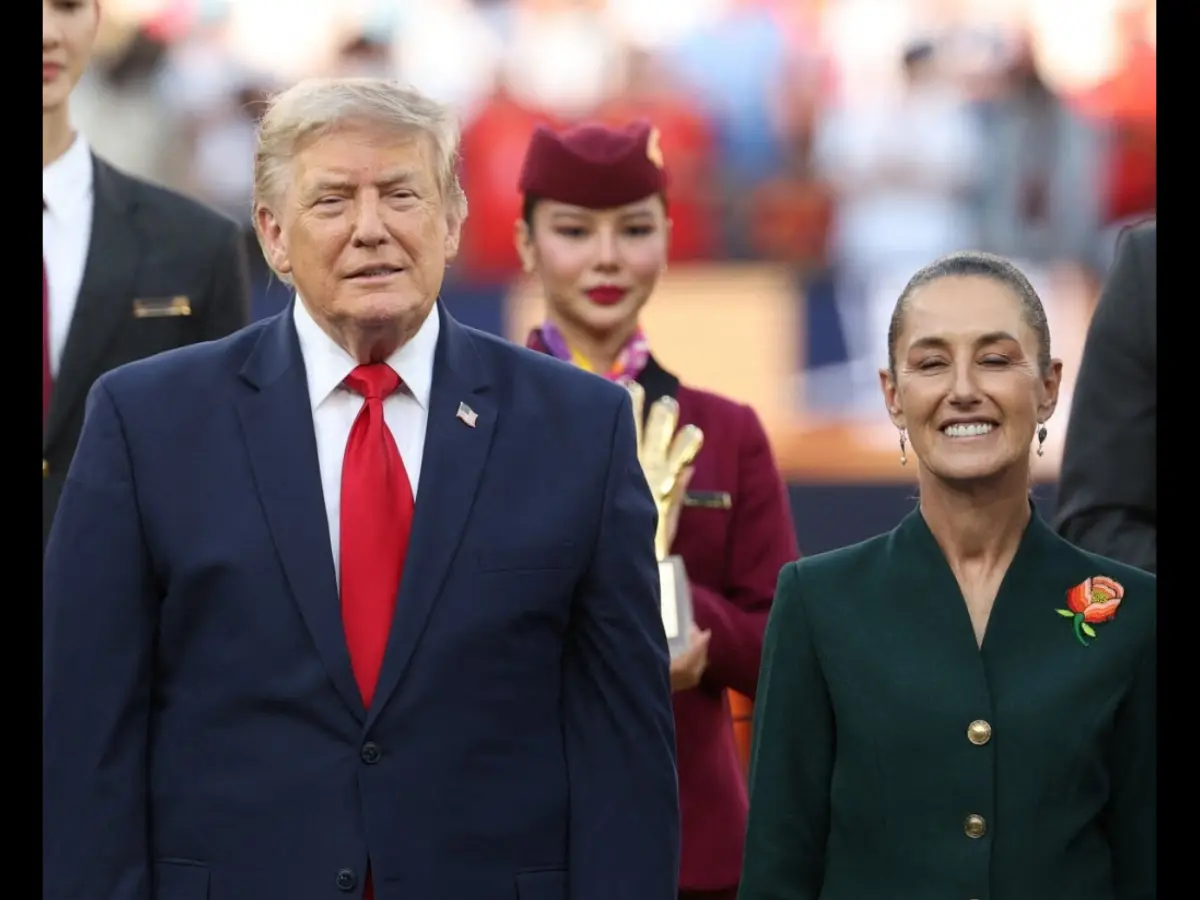
'She is a beautiful woman': Trump mocks Mexican President Sheinbaum, mimics her voice at US Midterms rally
&imwidth=180&imheight=135&format=webp&quality=medium)
Uttarakhand innovator Ravi Tamta builds flying car without any formal engineering degree
&imwidth=180&imheight=135&format=webp&quality=medium)
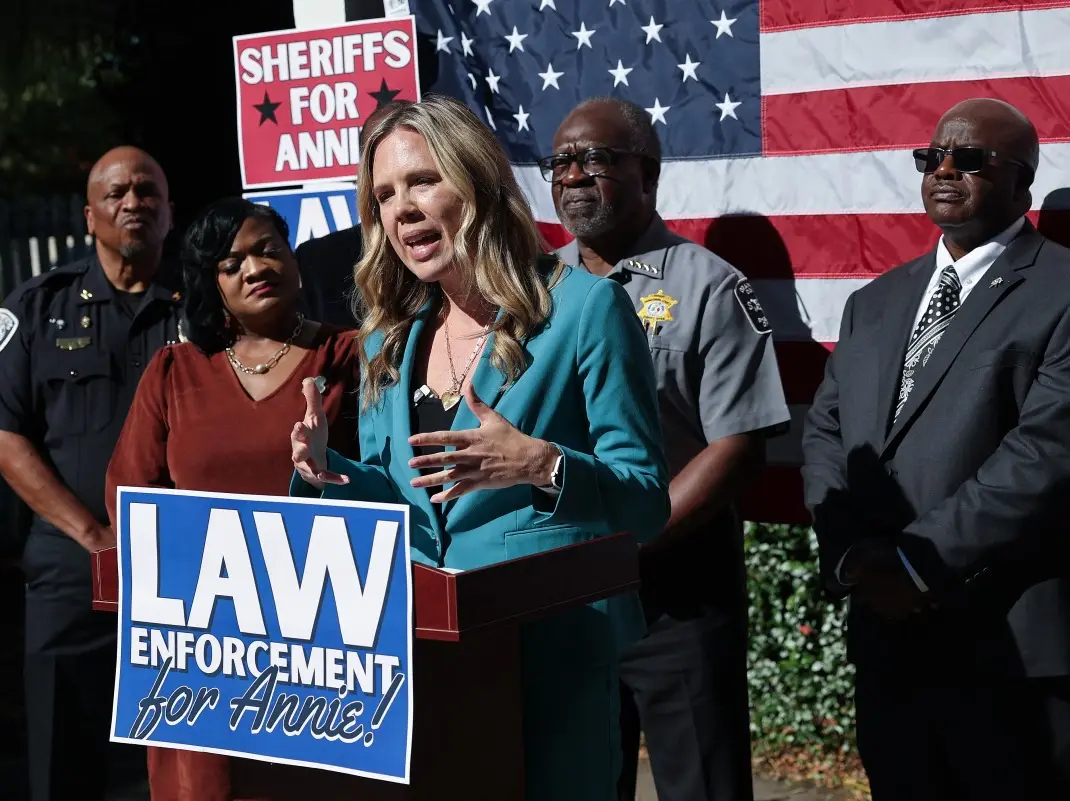
US midterms 2026: Democrat Annie Andrews gains bipartisan backing against Trump's pick Darline Graham in South Carolina Senate race
&imwidth=180&imheight=135&format=webp&quality=medium)
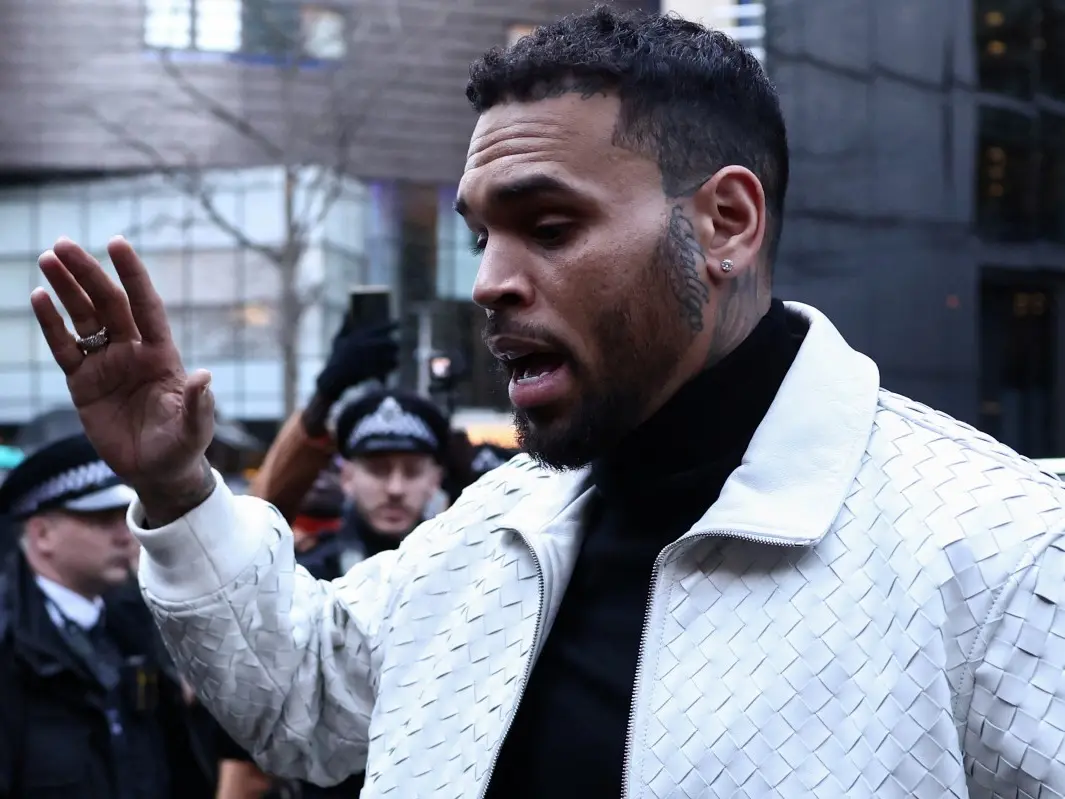
Chris Brown given suspended eight-month jail term for London nightclub attack
&imwidth=180&imheight=135&format=webp&quality=medium)
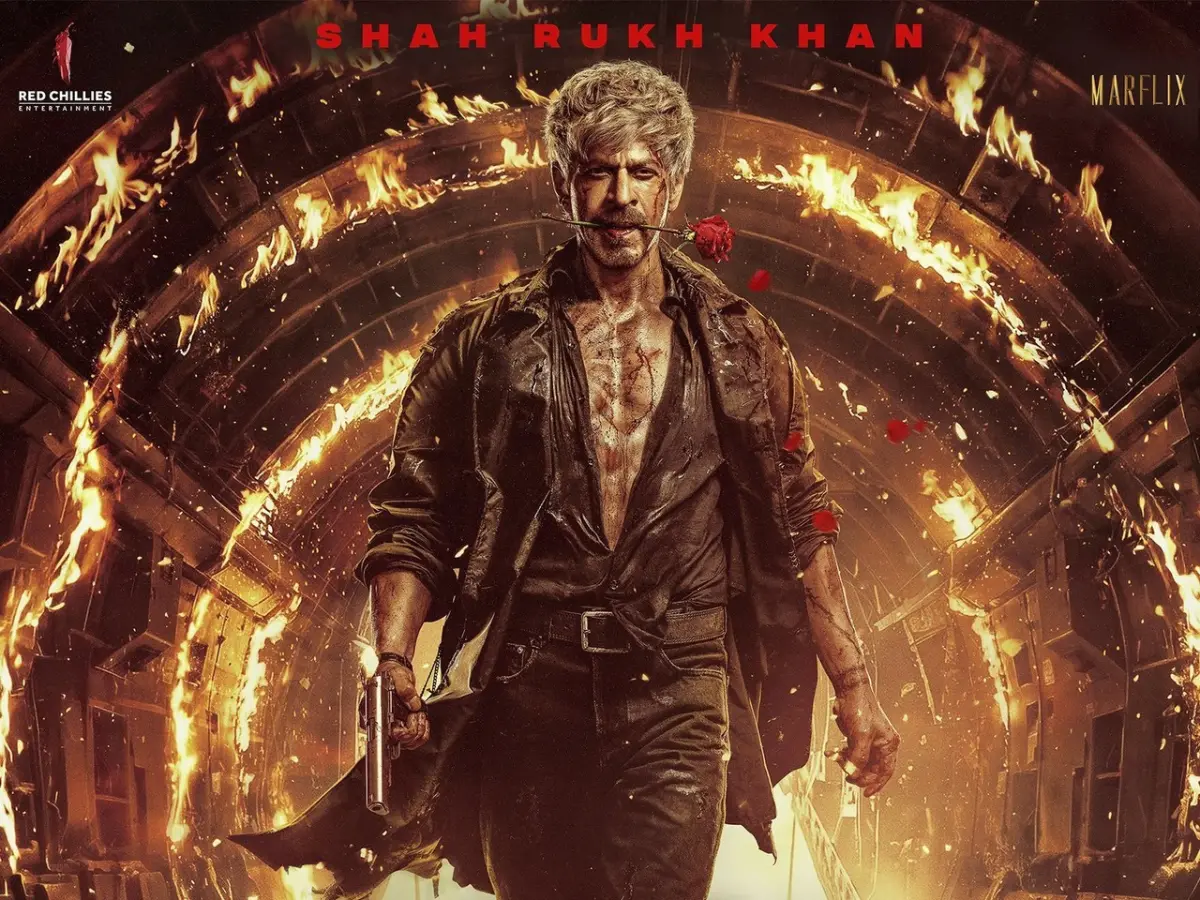
Shah Rukh Khan unveils new poster of King, Internet reacts
&imwidth=180&imheight=135&format=webp&quality=medium)
'Shove that ballroom up your a**': Trump heckled at Mississippi rally over White House ballroom renovations | WATCH
&imwidth=180&imheight=135&format=webp&quality=medium)
Trump accused of 'brutal' rape by ex-Miss Switzerland; Beatrice Keul alleges 'Don's best friend' Epstein facilitated assault in 1993
&imwidth=180&imheight=135&format=webp&quality=medium)
Meta’s AI bet is getting more expensive: What its $95 billion share plan means
&imwidth=180&imheight=135&format=webp&quality=medium)
Trump’s oil and gas holdings surge to $81.6 million amid Iran war as Americans face rising fuel costs
&imwidth=180&imheight=135&format=webp&quality=medium)
'I've done my work sincerely': AR Rahman on facing backlash over Ramayana soundtrack
Because the elections in Pakistan will not be held for another four-five months.
Pakistan's election body had said it is ready to hold national elections in October butan official schedule has not been released. However, according to Pakistani law, elections must be held within 90 days of the dissolution of the National Assmebly, an event that occurred earlier this week.
Pakistan People's Party leader Raja Riaz, who served as Leader of Opposition in the now-dissolved Pakistan's National Assembly told the Dawn newspaper that it was decided that the "caretaker PM should be someone from a smaller province and a non-controversial personality".
"Our aim was to remove the sense of deprivation in small provinces," Riaz added.
Anwaar-ul Haq Kakar ticks many boxes to be established as caretaker prime minister of Pakistan.
He hails from Balochistan, a province where armed separatism continues to show the signs of belligerence.
He belongs to the Kakar tribe, a Pashtun tribe based in northern Balochistan, parts of Iran and southern Afghanistan. Thereby he is being seen as representative of both the Pashtuns and Balochs.
Why Pakistan needs a caretaker Prime Minister?
A caretaker government is a temporary administration in charge of overseeing day-to-day affairs and ensuring smooth transition of power through free and fair elections.
Such interim prime ministers are often appointed in countries with history of coup d'etats and fragile democratic structures dominated by the military.
In the case of Pakistan, India's western neighbour, a caretaker interim government's term is limited from 60 to 90 days. This administration is responsible for maintaining law and order and continuing governance in the country while ensuring free and fair elections and subsequent smooth transition of power.
In Pakistan, caretaker governments were introduced to the 1973 Constitution by General Zia-ul-Haq in 1985 under the Revival of Constitution of 1973 Order (RCO).
Earlier, the Constitution stated that while the National Assembly is dissolved, heads of the government such as the prime minister, and the cabinet, would continue to hold office until the new government is elected.
Thereby, once the President or governor dissolves the National Assembly, a caretaker cabinet has to be appointed until a new prime minister is elected.
Such structure has evolved in Pakistan to prevent election rigging.
This amendment was further strengthened in 2010 through the 18th Amendment of the Constitution, which stated that the interim prime minister shall be selected by the president or governor in consultation with the outgoing PM and the leader of the opposition in the National Assembly.
The family members of the caretaker Prime Minister cannot contest in the upcoming elections.
A 2012 amendment removed the authority of the president or governor in the selection process and said that, in case the prime minister and opposition leader cannot reach a consensus, the speaker of the assembly and then the Election Commission of Pakistan will choose the interim prime minister out of two given nominees.
Pakistan is in the middle of apolitical turmoil since former Prime Minister Imran Khan lost avote of no confidence in Pakistan's parliament in April last year. The cricketer-turned-politicianblames the military and the United States for plotting to remove him.
In January this year, Khan, who heads the Pakistan Tehreek-e-Insaf (PTI) party, got the assemblies in Punjab and Khyber Pakhtunkhwa provinces his party dominated, dissolved in a bid to force snap elections.
Khan remains under arrest with a prison sentence of three years after being convicted by a court of selling state gifts when he was prime minister.
WATCH WION LIVE HERE
You can now write for wionews.com and be a part of the community. Share your stories and opinions with us here.