UK: DNA of 100,000 babies to be sequenced for identification of rare genetic conditions


UK research
The entire DNA of 100,000 newborns is to be sequenced as a part of a 105 million pound ($128.7 million) research programme in England, paving the way for better diagnosis and early treatment for rare genetic conditions. The government-funded research will be the first time that whole genome sequencing (WGS) would be offered to healthy babies.
The research led by Genomics England with the United Kingdom’s National Health Service (NHS) may also be the biggest of its kind. In addition to the current heel prick blood test which looks for nine rare disorders which include cystic fibrosis and sickle cell disease, the project will analyse the full DNA of the baby as well as the parents if required.
ALSO READ:Thousands of nurses in UK to go on strike for the first time ever in history

The Newborn Genomes Programme will begin next year to check the feasibility of the test and if successful could be rolled out across the country for diagnosing conditions that affect thousands of newborn babies each year. The research would look at genes which are known to connect around 200 rare diseases which begin within five years of life, however, adult-onset illnesses will not be assessed.
Notably, there are 7,000 single gene disorders most of which develop in early childhood. The Department of Health and Social Care, on Tuesday, said the programme is a part of the 175 million pound boost to “cutting-edge genomics research” out of which at least 26 million pounds is also allocated to improving the accuracy and speed of cancer diagnoses.
“Our goal in the Newborn Genomes Programme is to do more for the thousands of children born every year in the UK with a treatable genetic condition,” said Chief Medical Officer (CMO) of Genomics England, Dr Rich Scott. He added, “We want to be able to say to parents that we’ve done the best we can to identify and do something about these life-changing illnesses, in a timely way before the damage these conditions can cause has been done.”
)
Why asking questions could be more important than memorising answers
)
Osama Bin Laden ‘planned’ to target India, CIA reveals dozens of declassified documents
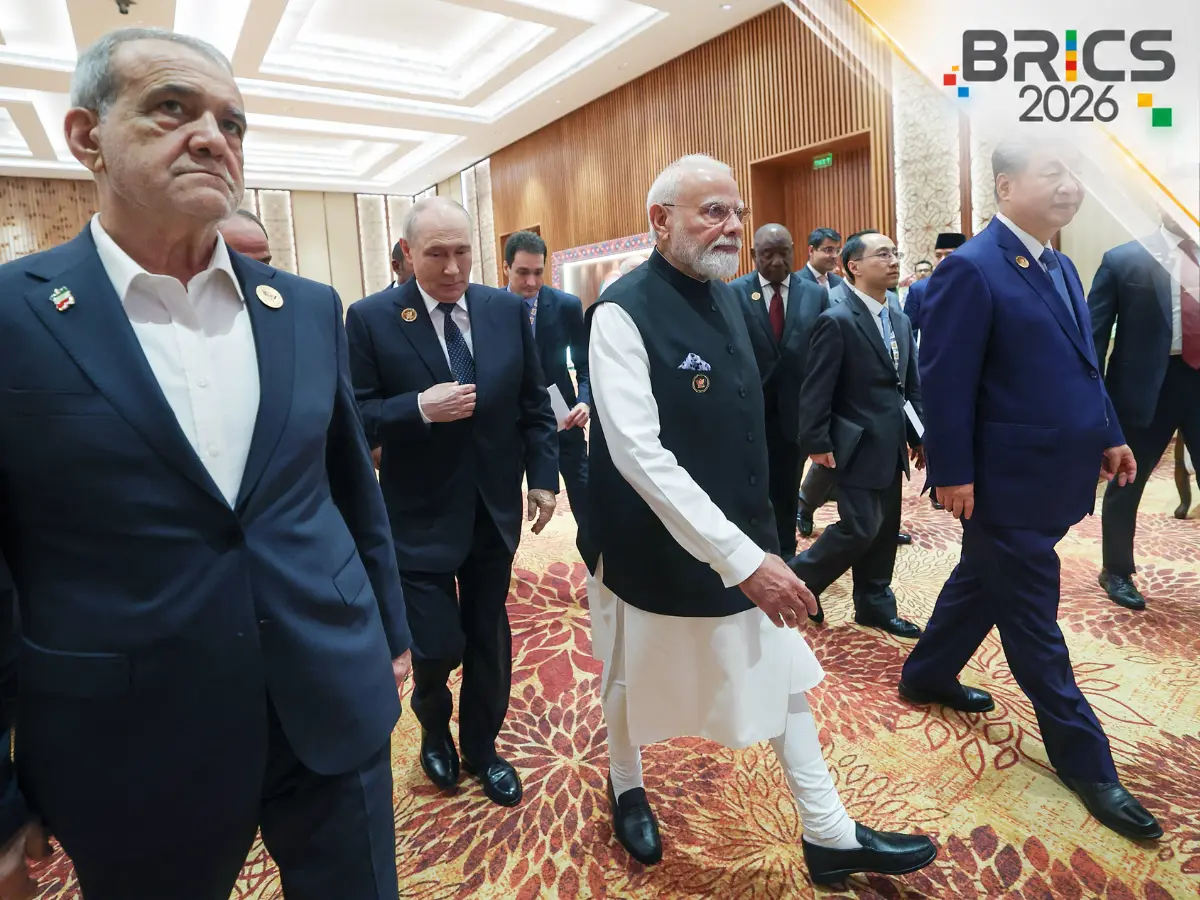)
'Iran won't surrender': Pezeshkian sends blunt message to US while attending BRICS Summit in India
)
BRICS Summit 2026: Global leaders of BRICS nations attend main open session
)
Celine Dion makes emotional stage comeback after six years: 'I'm so delighted to see you'
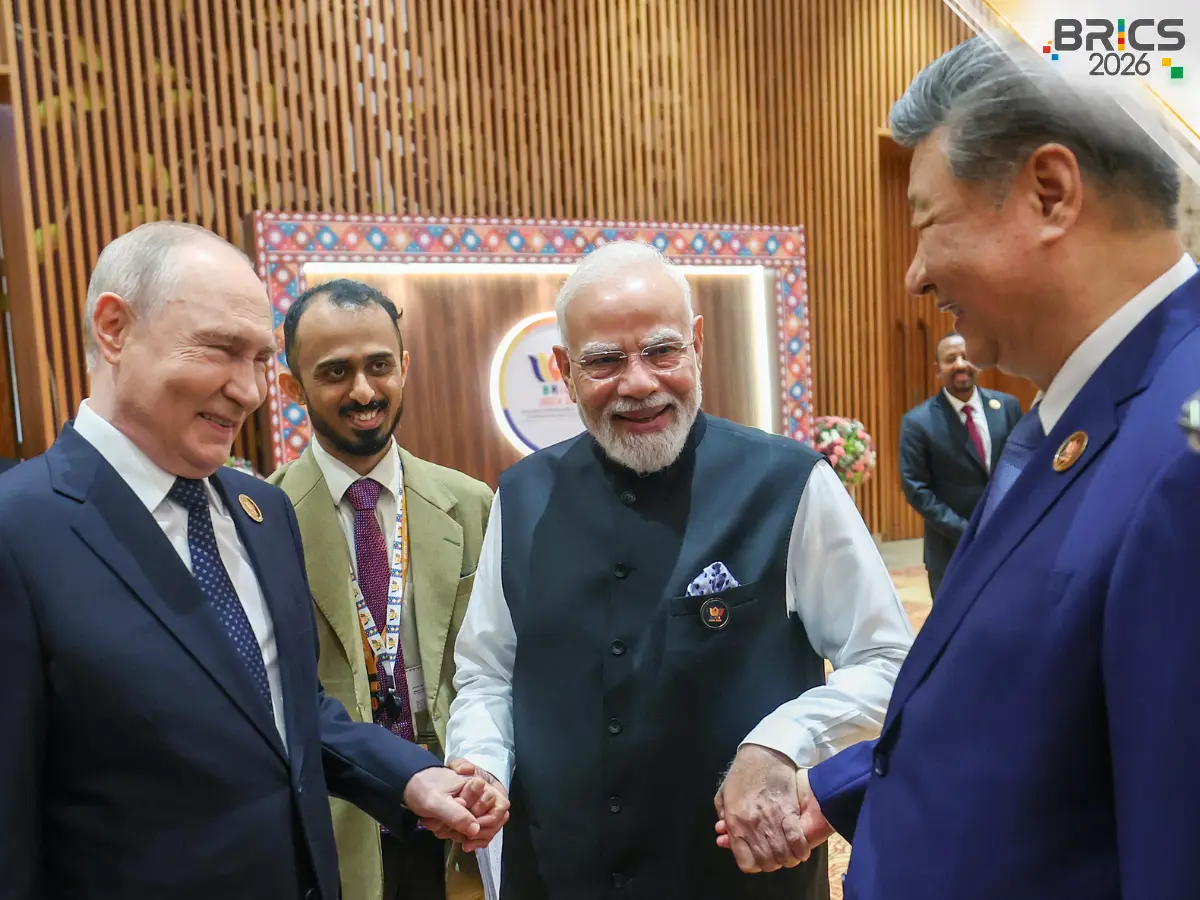)
PM Modi and China's Xi offered to help resolve Russia-Ukraine war: Kremlin
)
Why dehydration is the hidden cause of travel fatigue on long flights
&im=FitAndFill=(700,400))
Meet top 5 batters fastest to 3000 runs in T20Is
)
Top 5 places to visit in Goa beyond its famous beaches
)
'He is popular...': Malaysian PM Anwar Ibrahim's praise for PM Modi during bilateral meeting | WATCH
)
BRICS Summit 2026: PM Modi, Xi reach key consensus on ties, China to assume BRICS chairmanship in 2027
)
BRICS Summit 2026: Consensus on joint declaration, diplomatic win for India
)
Trump says Canada eager to reach a deal, it could come ‘fairly soon’ if Ottawa treats US farmers better
)
‘Partners, not rivals’: Xi outlines four point plan for stronger India-China ties
&im=FitAndFill=(700,400))
Why Chinese PL-15 air-to-air missiles use dual-pulse motors compared to European interceptors
)
Could staying indoors all day affect your health?
)
BRICS Summit 2026: PM Modi addresses Day 2 of 18th BRICS summit
)
Who is the smiling man beside Modi, Putin and Xi at BRICS Summit 2026?
)
800 million years old - Scientists discover 'fingerprints' of supercontinent Gondwana in ancient rocks
)
Why going digital does not always mean becoming more efficient
&im=FitAndFill=(700,400))
Why do air defence missiles explode near their target instead of hitting it?
)
War is making Russia stronger? How Ukraine is shaping Moscow’s next generation of weapons
)
Migration protests return to Portsmouth as rival demonstrations face off
)
From severe mobility problems to recovery: Madhuri the elephant’s journey of wildlife care
)
BRICS Summit day 1: New Delhi declaration adopted with full consensus, big diplomatic win for India
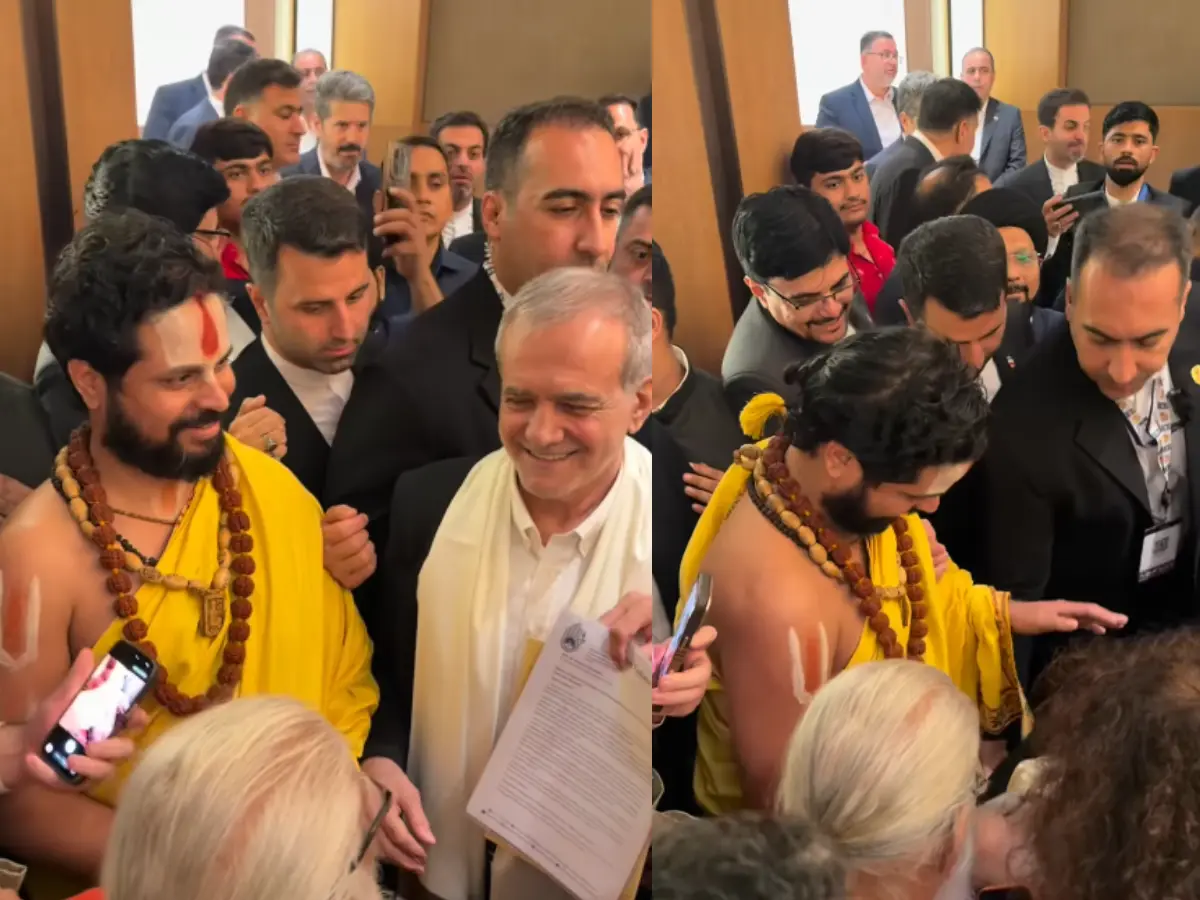)
Did Iran President Pezeshkian touch feet of Hindu spiritual leader at Delhi event as shown in viral video?
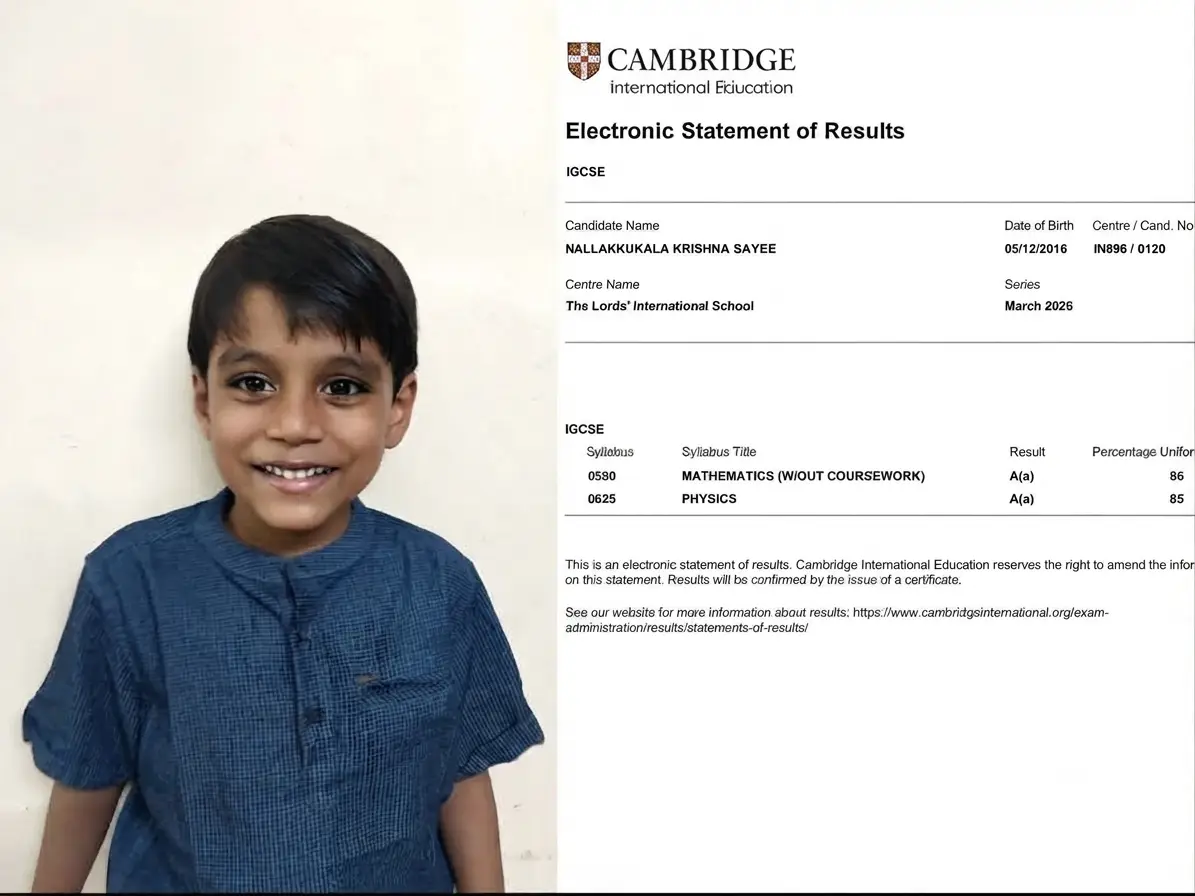)
9-year-old Chennai prodigy clears Cambridge IGCSE grade 10 exams
)
Why does your body need time to adjust after a long journey?
)
BRICS Summit 2026: PM Modi to hold bilateral with leaders of seven countries
)
Ramanathaswamy temple takes centre stage as PM Modi welcomes world leaders at BRICS
)
Houthis launch cross-border strike on Saudi Arabia as Yemen war escalates
)
BRICS Summit 2026: Chinese president Xi Jinping departs from New Delhi after attending BRICS summit
)
Why does your skin need protection from UV rays?
)
How does the loss of forests affect the way wildlife lives and moves?
)
IND vs AFG, 1st T20I: When and where to watch live streaming in India?
)
Why do wild animals need quiet places to survive?
)
Bigg Boss 20: Qazi Touqeer gets a special ‘rockstar’ moment from Salman Khan
)
Humans may lose control of AI: Anthropic CEO calls for slowdown, Altman, Musk back him
ALSO READ:WATCH | UK medical students train with life-like holographic patients in world-first
Meanwhile, echoing a similar sentiment, the clinical advisor for the programme David Bick said “We can prevent a condition which if it arises could damage a child permanently and take years to sort out…For the families this is enormously important and very gratifying.” He also noted that some of these conditions can be treated much more easily and effectively if caught early to improve health as well as save the NHS money.
(With inputs from agencies)
WATCH WION LIVE HERE
You can now write for wionews.com and be a part of the community. Share your stories and opinions with us here.