
&imwidth=800&imheight=600&format=webp&quality=medium "The science behind why you keep scrolling – and how it rewires your brain")
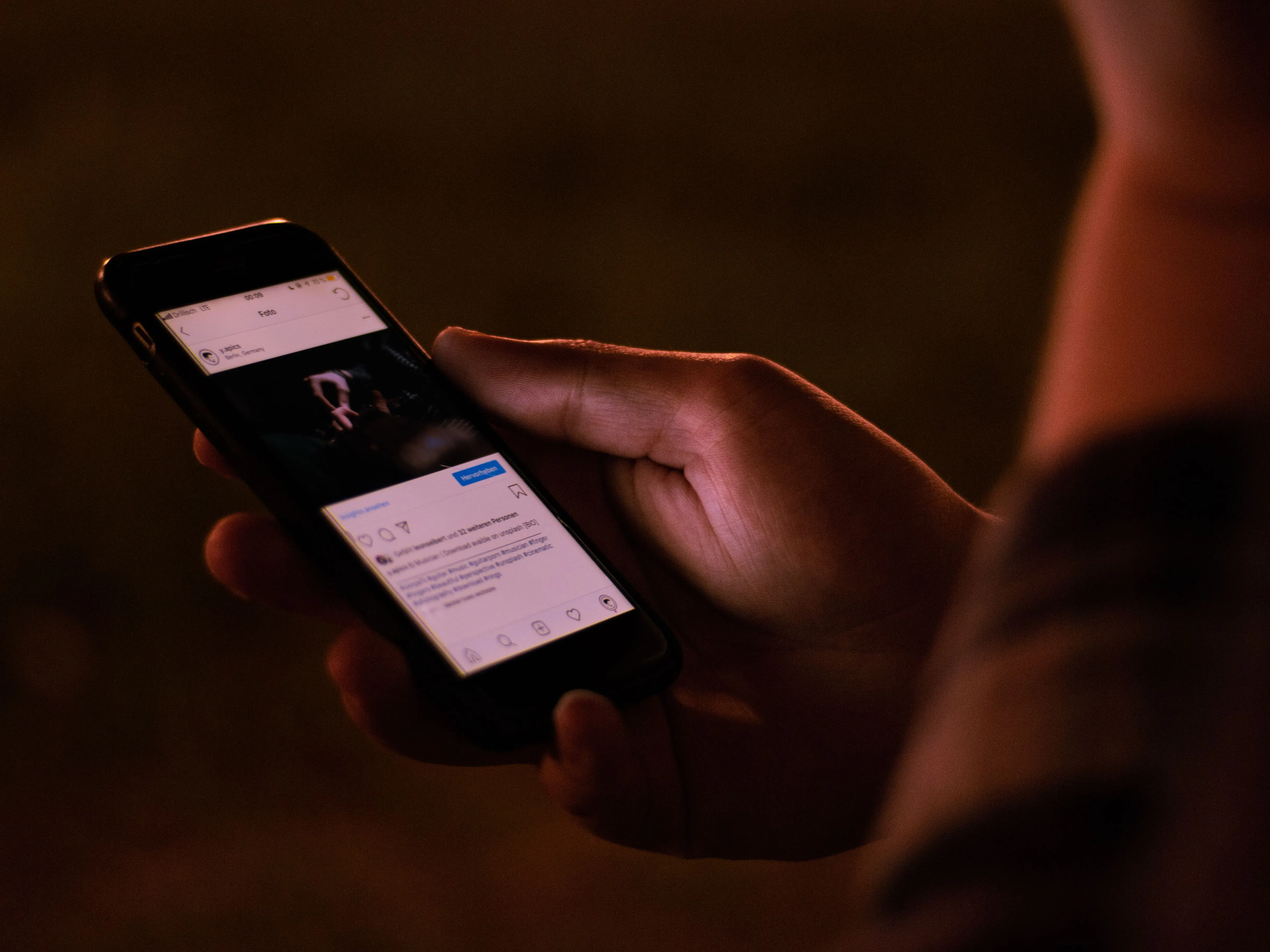
It happens to many of us. Ten minutes turns to 30, then 30 turns to an hour, and suddenly it is two hours since you have been doomscrolling on social media. Whether it is cute cat videos, funny memes, or news content, scrolling social media for hours has become a part of the daily routine for many people, with some even becoming addicted to social media. Amid rising concerns over social media, governments have also started taking action, banning it for teenagers across several nations.
Scientists are increasingly studying what makes people hooked on social media and how it affects attention, mood and behaviour. While experts caution against claims that smartphones are “destroying” the brain, evidence suggests that digital platforms can reinforce habits that shape how we consume information.
Why your brain loves endless scrolling

Our social media feeds are endless, which makes it difficult to stop scrolling. While a book has a final page, or a TV show has an ending, our Instagram or Facebook feeds just don’t end. This creates a curiosity: What will be the next post? Our brain, which gets addicted to the dopamine it gets every time your favourite content pops up on the feed, seeks more rewards. As a result, many people continue scrolling for way longer than they intended to get their next rewarding experience.
The dopamine myth and the power of variable rewards
Dopamine is not simply a “feel-good” chemical. It also plays a key role in motivation and reward-seeking behaviour. Psychologists often compare social media feeds to slot machines because both rely on unpredictable rewards. A user might find a funny video, an exciting update or a message from a friend after several swipes. The timing is never certain.
Trending Stories
)
Why asking questions could be more important than memorising answers
)
Osama Bin Laden ‘planned’ to target India, CIA reveals dozens of declassified documents
)
'Iran won't surrender': Pezeshkian sends blunt message to US while attending BRICS Summit in India
)
BRICS Summit 2026: Global leaders of BRICS nations attend main open session
)
Celine Dion makes emotional stage comeback after six years: 'I'm so delighted to see you'
)
PM Modi and China's Xi offered to help resolve Russia-Ukraine war: Kremlin
)
Why dehydration is the hidden cause of travel fatigue on long flights
&im=FitAndFill=(700,400))
Meet top 5 batters fastest to 3000 runs in T20Is
)
Top 5 places to visit in Goa beyond its famous beaches
)
'He is popular...': Malaysian PM Anwar Ibrahim's praise for PM Modi during bilateral meeting | WATCH
)
BRICS Summit 2026: PM Modi, Xi reach key consensus on ties, China to assume BRICS chairmanship in 2027
)
BRICS Summit 2026: Consensus on joint declaration, diplomatic win for India
)
Trump says Canada eager to reach a deal, it could come ‘fairly soon’ if Ottawa treats US farmers better
)
‘Partners, not rivals’: Xi outlines four point plan for stronger India-China ties
&im=FitAndFill=(700,400))
Why Chinese PL-15 air-to-air missiles use dual-pulse motors compared to European interceptors
)
Could staying indoors all day affect your health?
)
BRICS Summit 2026: PM Modi addresses Day 2 of 18th BRICS summit
)
Who is the smiling man beside Modi, Putin and Xi at BRICS Summit 2026?
)
800 million years old - Scientists discover 'fingerprints' of supercontinent Gondwana in ancient rocks
)
Why going digital does not always mean becoming more efficient
&im=FitAndFill=(700,400))
Why do air defence missiles explode near their target instead of hitting it?
)
War is making Russia stronger? How Ukraine is shaping Moscow’s next generation of weapons
)
Migration protests return to Portsmouth as rival demonstrations face off
)
From severe mobility problems to recovery: Madhuri the elephant’s journey of wildlife care
)
BRICS Summit day 1: New Delhi declaration adopted with full consensus, big diplomatic win for India
)
Did Iran President Pezeshkian touch feet of Hindu spiritual leader at Delhi event as shown in viral video?
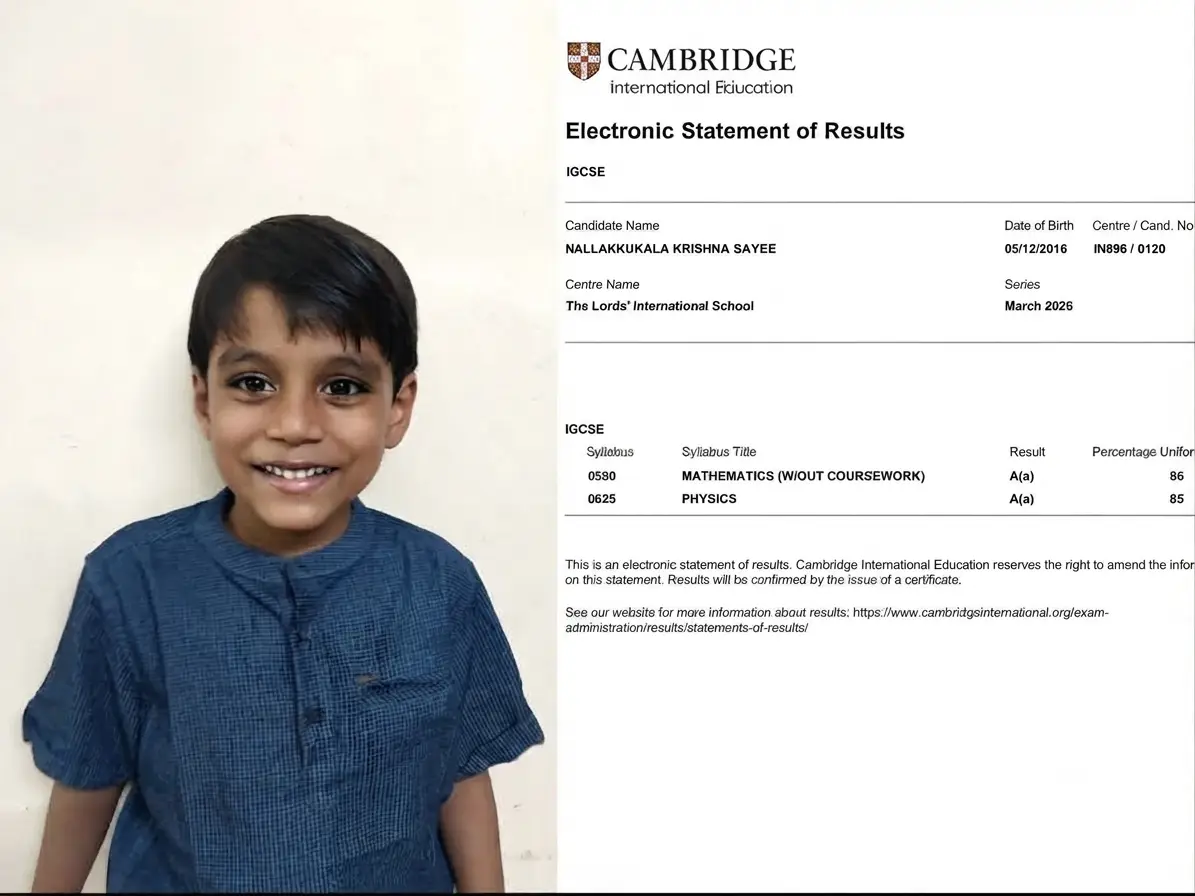)
9-year-old Chennai prodigy clears Cambridge IGCSE grade 10 exams
)
Why does your body need time to adjust after a long journey?
)
BRICS Summit 2026: PM Modi to hold bilateral with leaders of seven countries
)
Ramanathaswamy temple takes centre stage as PM Modi welcomes world leaders at BRICS
)
Houthis launch cross-border strike on Saudi Arabia as Yemen war escalates
)
BRICS Summit 2026: Chinese president Xi Jinping departs from New Delhi after attending BRICS summit
)
Why does your skin need protection from UV rays?
)
How does the loss of forests affect the way wildlife lives and moves?
)
IND vs AFG, 1st T20I: When and where to watch live streaming in India?
)
Why do wild animals need quiet places to survive?
)
Bigg Boss 20: Qazi Touqeer gets a special ‘rockstar’ moment from Salman Khan
)
Humans may lose control of AI: Anthropic CEO calls for slowdown, Altman, Musk back him
Experts call this a variable reward schedule. Because rewards arrive unpredictably, users remain motivated to continue searching. In many cases, the anticipation of a reward becomes just as powerful as the reward itself. This may explain why some people continue to scroll even when they are no longer enjoying the content.
Also read | WION Decodes | Why does coffee calm some people instead of waking them up? Here’s what science says
A need for novelty
Our brain pays attention to novelty. New information could give us an opportunity, a resource, or a threat. Humans are naturally attracted to unknown experiences – and social media never fails to provide us with fresh content. With every new post, users encounter a new image, video, opinion or headline. This feeds our brains the constant stimulation it desires.
Over time, this pattern can encourage rapid switching between different pieces of information. Researchers suggest that constant exposure to highly stimulating content may make slower activities such as reading, studying or deep work feel less engaging by comparison.
Mental health feedback loop
Scrolling becomes even more compelling when content triggers strong emotions. According to researchers, anxiety and information consumption often reinforce one another. People who feel worried may seek more information to reduce uncertainty. But the repeated exposure to content may also increase stress rather than helping them feel better.
This creates a feedback loop in which anxiety fuels more scrolling, and more scrolling fuels anxiety. Studies have linked excessive doomscrolling to higher levels of stress, pessimism and emotional exhaustion.
Is scrolling really rewiring the brain?
While scientists refrain from making dramatic claims such as social media is damaging the brain, neuroplasticity may explain how your digital habits can impact behaviour.
Scientists generally avoid dramatic claims that social media is damaging the brain. However, the concept of neuroplasticity helps explain how digital habits can shape behaviour.
Neuroplasticity is the brain’s ability to adapt through repeated experiences. The neural pathways that are used frequently become stronger over time. Habits based on novelty, rapid rewards and constant task-switching can become increasingly automatic over time.
Social media itself is not harmful and can help educate, entertain and content people. However, it becomes a problem when the endless feeds start replacing focused work, meaningful interactions and time away from screens. Understanding the science behind scrolling reveals that the struggle to stop is not simply about willpower. It is also about these platforms designed to keep attention engaged for as long as possible.
WATCH | G7 Summit 2026: World Leaders Gather For The High Stakes Summit In Evian-Les-Bains

