Teen chimpanzees, adolescent humans display similar risk-taking behaviour: Study

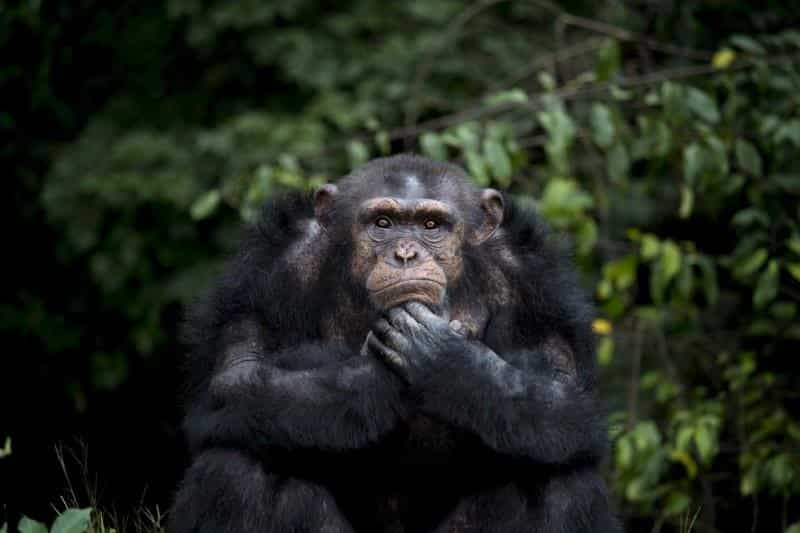
Teen human beings and teenage chimpanzees are similar in some respects as per a study (Representational image)
Human teens and chimpanzee teens show similar characteristics, except human teens can be more impulsive, according to a new study published in the Journal of Experimental Psychology: General by the American Psychological Association. The researchers played games with 40 chimpanzees raised in the wild while they were housed in a sanctuary in the Republic of Congo. These games evaluated the animals' propensity for impulsivity and risk-taking.
“Human adolescents are grappling with changing bodies and brains, and tend to be more impulsive, risk-seeking, and less able to regulate emotions than adults,” said lead study author Dr. Alexandra Rosati, associate professor of psychology and anthropology at the University of Michigan, via email to CNN. “Chimpanzees face many of the same kinds of challenges as humans as they grow up," she added.
Also read |In a major breakthrough, scientists discover new plant toxin highly potent in killing bacteria

Adolescence in chimpanzees, according to the study, lasts for between eight to fifteen years out of a lifetime of fifty. Similar to human adolescents, they go through fast hormonal changes, form new social relationships, become more aggressive, and compete for social status.
Teenage chimpanzees are less often studied than newborns and adults, according to Dr. Aaron Sandel, an assistant professor of anthropology at the University of Texas at Austin who spoke to CNN and isinvolved in the present study.
)
Trump bans CNN, MS NOW and Politico from White House over ‘FAKE NEWS’
)
Russia holds first parliamentary elections since the beginning of the Ukraine war
)
Fast bowler Brydon Carse faces no charges over Derby nightclub incident
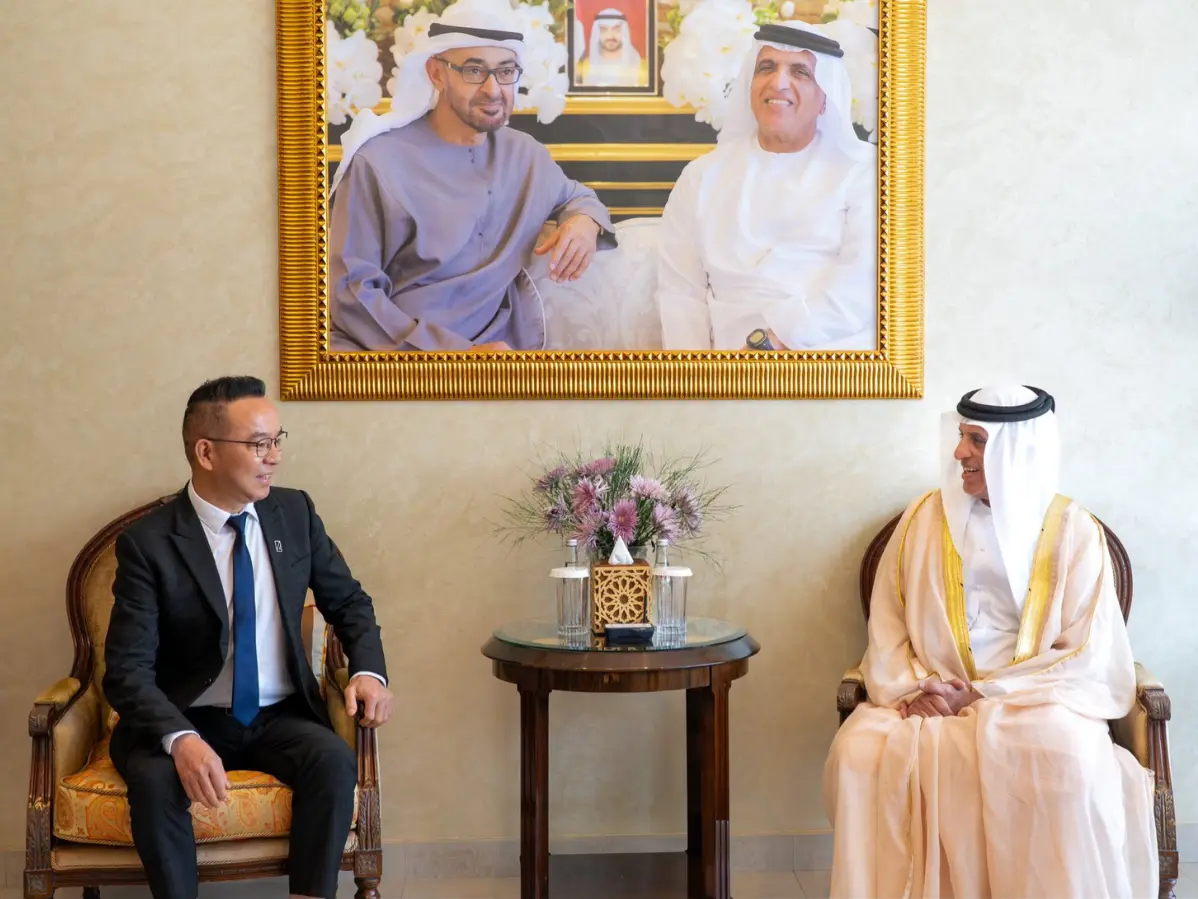)
Flying cars in UAE: Ras Al Khaimah signs deal with Chinese company to test new transport
&im=FitAndFill=(700,400))
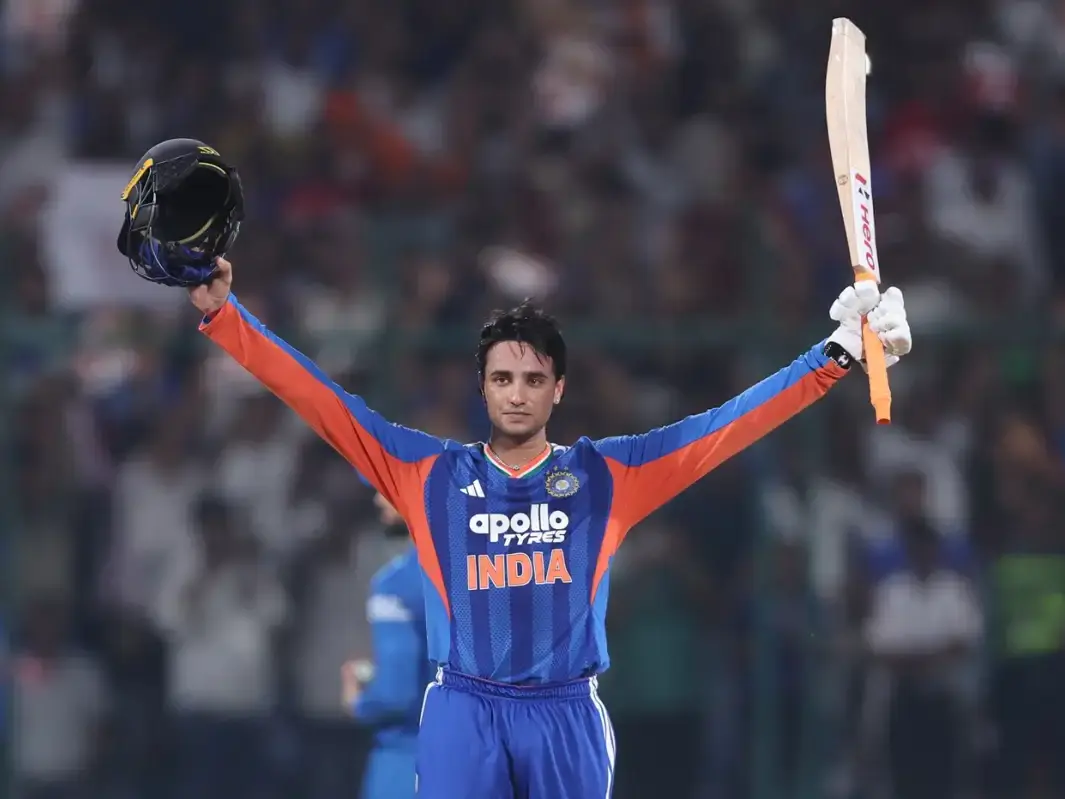
From Abhishek Sharma to Sahil Chauhan, 5 batters with fastest T20I hundreds
)
Indian Cinema bets big on mythology, brings ancient stories to modern audiences
)
US And Denmark reach Greenland deal, Trump announces expanded military presence
)
Drone strikes cooling tower at Russia's Kursk Nuclear Plant, IAEA confirms
)
‘Will go to any extent’: Pakistan vows to defend Saudi Arabia amid Houthi attacks
)
Trump signs Russia sanctions law: India faces fresh 100% tariff threat over Russian oil
)
How did an Australian river with 500 crocodiles pass the Olympic test? Here's how
)
Ukraine plans record $109 bn defence spending, nearly two thirds of budget amid Russia war
)
India seeks to build a full semiconductor supply chain
)
'Gangsta' crab shoves knife blade at man and his dog in Florida - Watch
)
Pentagon revives mandatory testosterone testing for male troops aged 30 and above
)
Why Ranveer Singh’s Dhurandhar missed India’s Oscar entry; FFI jury member reveals what happened
)
Who is Khalilur Rahman? All you need to know about 81st UN General Assembly President
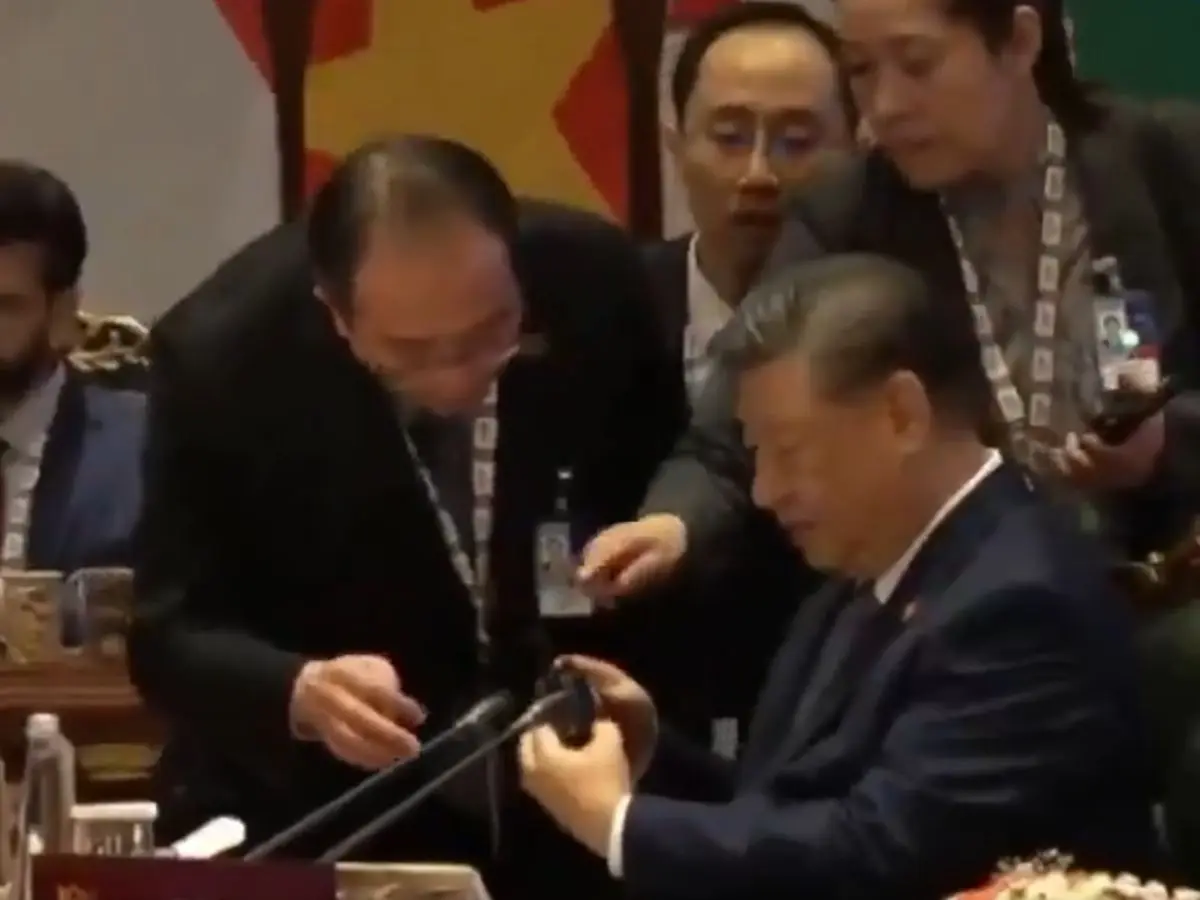)
FACT CHECK: Why did PM Modi ask Xi ‘is it okay’ at BRICS Summit? New video reveals...
)
Indian activist-lawyer Prashant Bhushan's post brings focus on ‘conflict of interest’ appointments of ex-govt officials at Reliance, Adani groups
&im=FitAndFill=(700,400))
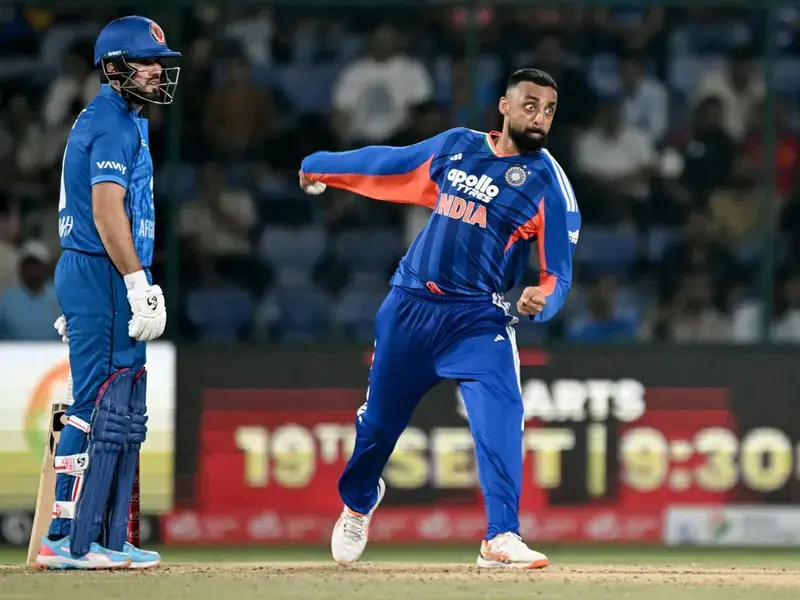
Meet top 5 bowlers in latest ICC T20I rankings
)
Trump signs Russia sanctions bill into law, targets Moscow’s energy sector
)
Laura Wolvaardt sets new world record for most WT20I runs in a year
)
IIT Bombay student dies by suicide, was caught seeking AI help during exams
)
Former India player Diana Edulji wants Smriti Mandhana to replace Harman as skipper at the earliest
&im=FitAndFill=(700,400))
Meet top 5 Indian batters with fastest T20I centuries
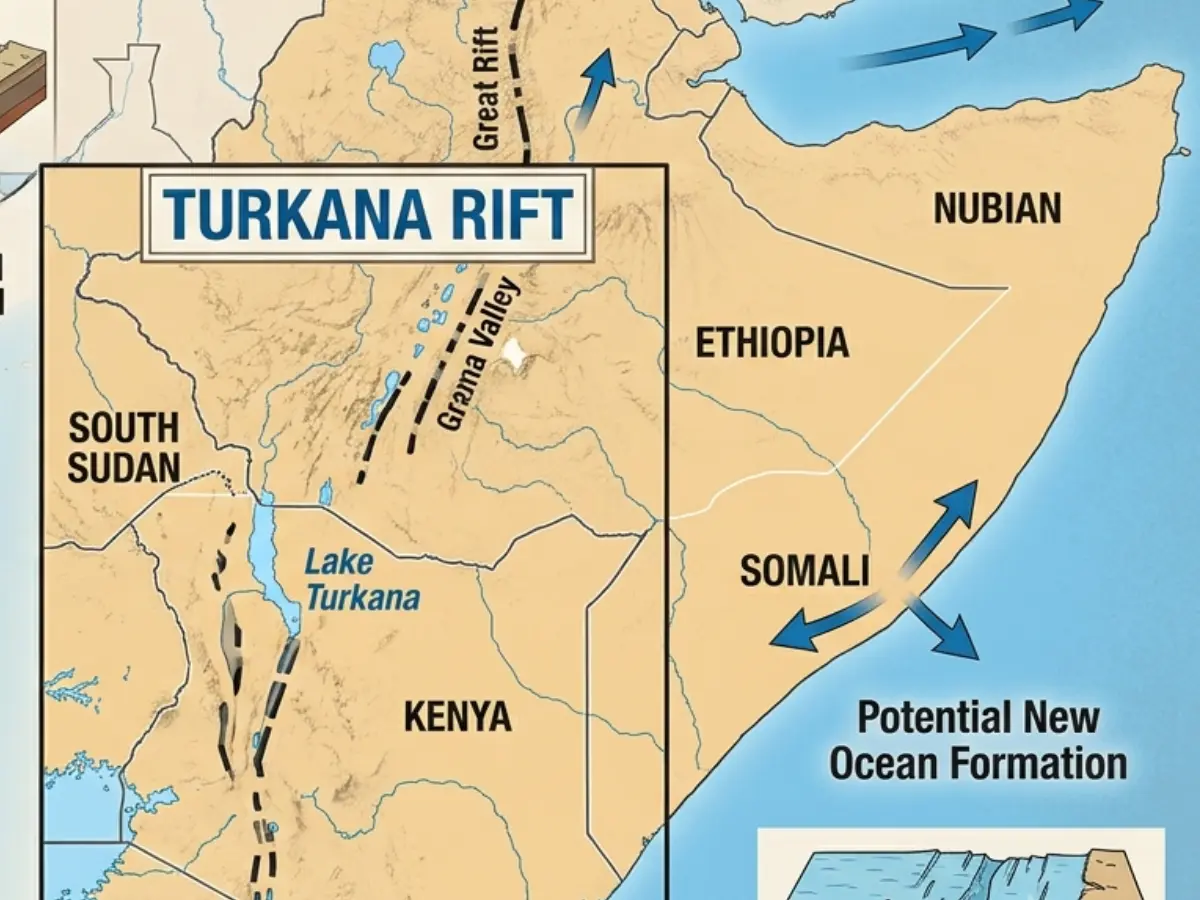)
Africa is splitting, and a lot sooner than estimated, giving way to a new ocean
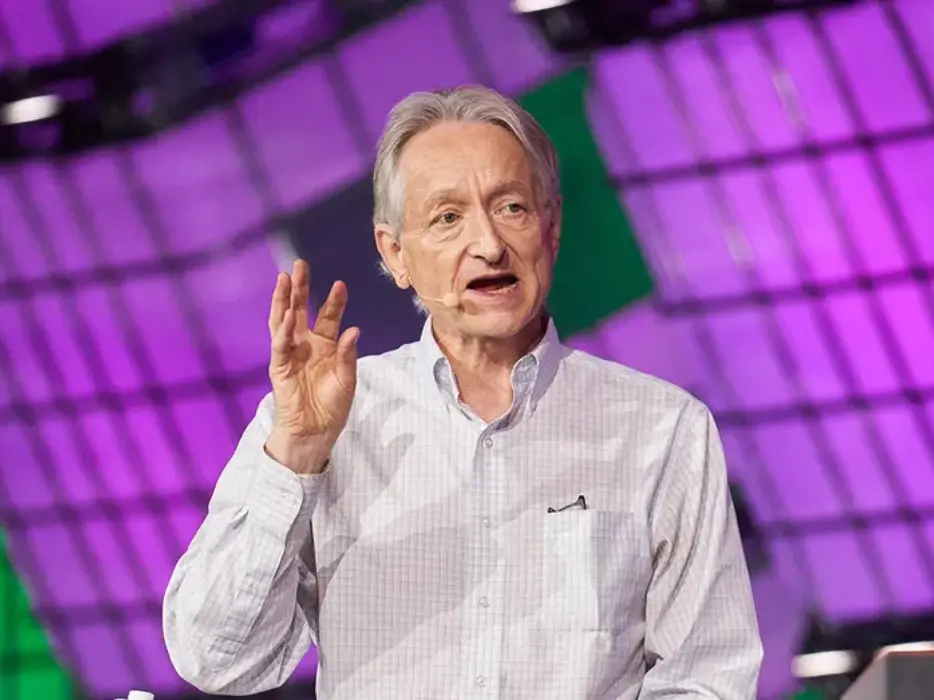)
Godfather of AI Geoffrey Hinton gives US lawmakers a one-year warning on AI
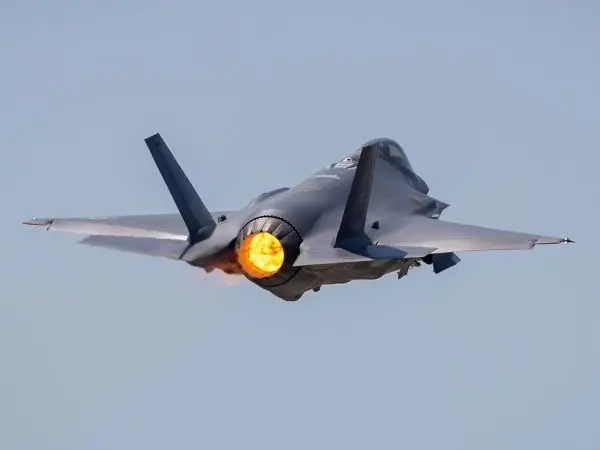)
China may have gained access to US's classified F-35 jets; parts meant for repairs diverted to Hong Kong, sparking Pentagon inquiry
&im=FitAndFill=(700,400))
New Friday OTT releases (September 18, 2026): Lust Stories 3, You+Me, Best of the Best- 8 new titles coming on Netflix, Prime Video and more
)
Shivakumar attends 79th Kalyana Karnataka Utsav in Kalaburagi
)
Three labourers killed as DU student loses control of his car, rams into them on Dwarka Expressway
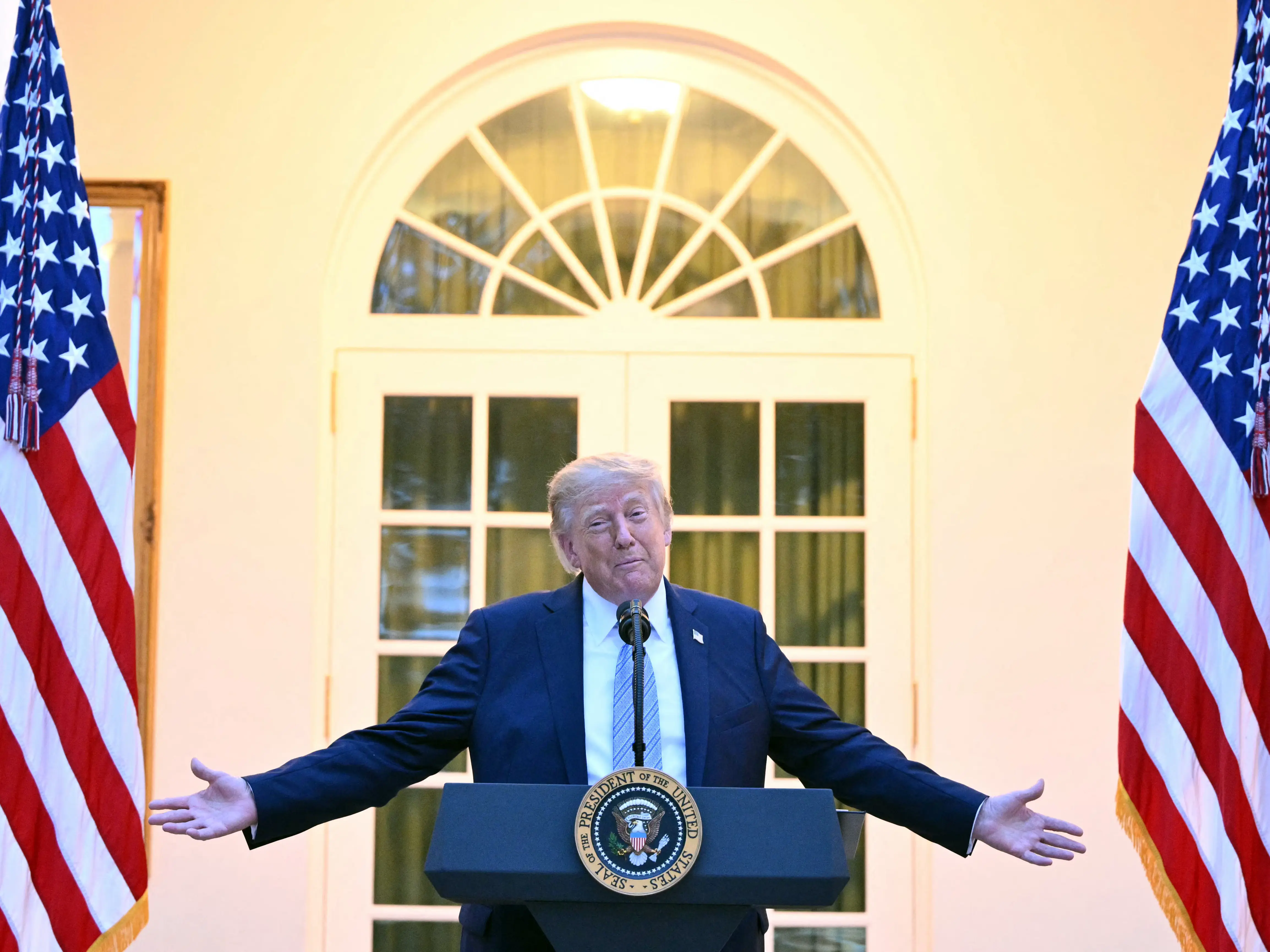)
Trump 2.0: Dark days ahead for America’s ‘imperial presidency’
)
Trump's Greenland dream comes true? POTUS announces 'Infinite Life' deal with Denmark, claims permanent US control
&im=FitAndFill=(700,400))
Meet top 5 batters in the latest ICC T20I Rankings
)
The Verdict | When precision fails: US commits war crime in Minab school strike, UN finds
“For a while, there was a pretty big gap in the literature on (chimpanzee) adolescents,” Sandel said, noting that researchers often don’t focus on this period. Scientists may avoid studying teen chimps because their own human experiences with teenage years are complicated, he said.
Young chimpanzees were equally willing to wait for a bigger delayed reward as they were to take risks in their games, as per the study.
The study also pointed out that human teenagers are known to be more inclined to accept a smaller, more immediate reward.
WATCH WION LIVE HERE: