Study finds simple blood test to be effective in detecting Alzheimer's disease

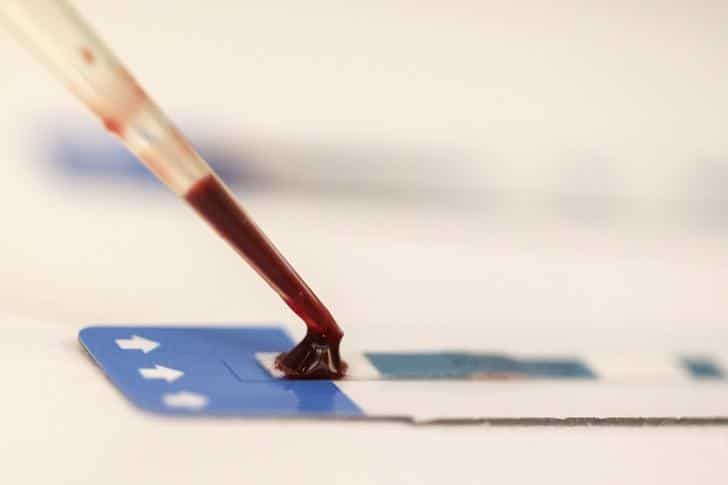
Blood test
Alzheimer's disease can take a toll on the patient as well as their loved ones as cognitive decline and neurodegeneration introduces severe impediments as the disease progresses. Some of the ways to detect presence of Alzmeimer's disease is by making expensive brain scans or carrying out painful lumbar punctures. But a study has now said that a simple blood test may give as accurate results as those yielded by traditional methods in determining whether a person has Alzheimer's disease or not. What's more, the blood test is already available in the market.
The study has been published in journal Jama Neurology on Monday (January 22). In some countries, in order to receive medicines for Alzhemier's, the patient needs to prove that they have accumulation of amyloids in their brain. Accumulation of amyloids is one of the indicators of Alzheimer's disease.
Watch | Scientists sound alarm for potential outbreak

“It’s just impossible to do spinal taps and brain scans on everyone that would need it worldwide. So this is where the blood test [has] a huge potential.” said Dr Nicholas Ashton from Gothenburg University, who is also the first author of the study.
Also Read | Beware! You might be making your pets sick unknowingly, new study suggests
In their published study, the authors have said that the protein p-tau217 was a biomarker for Alzheimer's. In other words, presence of this protein has implications on the doctor's diagnosis about whether a person has Alzheimer's disease or not.
Also Read | ‘Zombie’ virus, after remaining frozen 48,500 years in Arctic, may cause a deadly pandemic, warn scientists
The researchers focussed on a commercially available blood test called ALZpath. They analysed results obtained from 786 people in the US, Canada and Spain. These people had also had a lumbar puncture or an amyloid PET scan to detect presence of tau proteins in their brain. Three trials were carried out and it was seen in all of them that ALZpath blood test was as effective as traditional methods to detect signs of Alzheimer's.
“80% of individuals could be definitively diagnosed on a blood test without any other investigation,” Ashton said.
He was quoted by The Guardian.
(With inputs from agencies)