
&imwidth=800&imheight=600&format=webp&quality=medium "Researchers develop new quantum device that turns electricity into sound at nanoscale: Here's how")
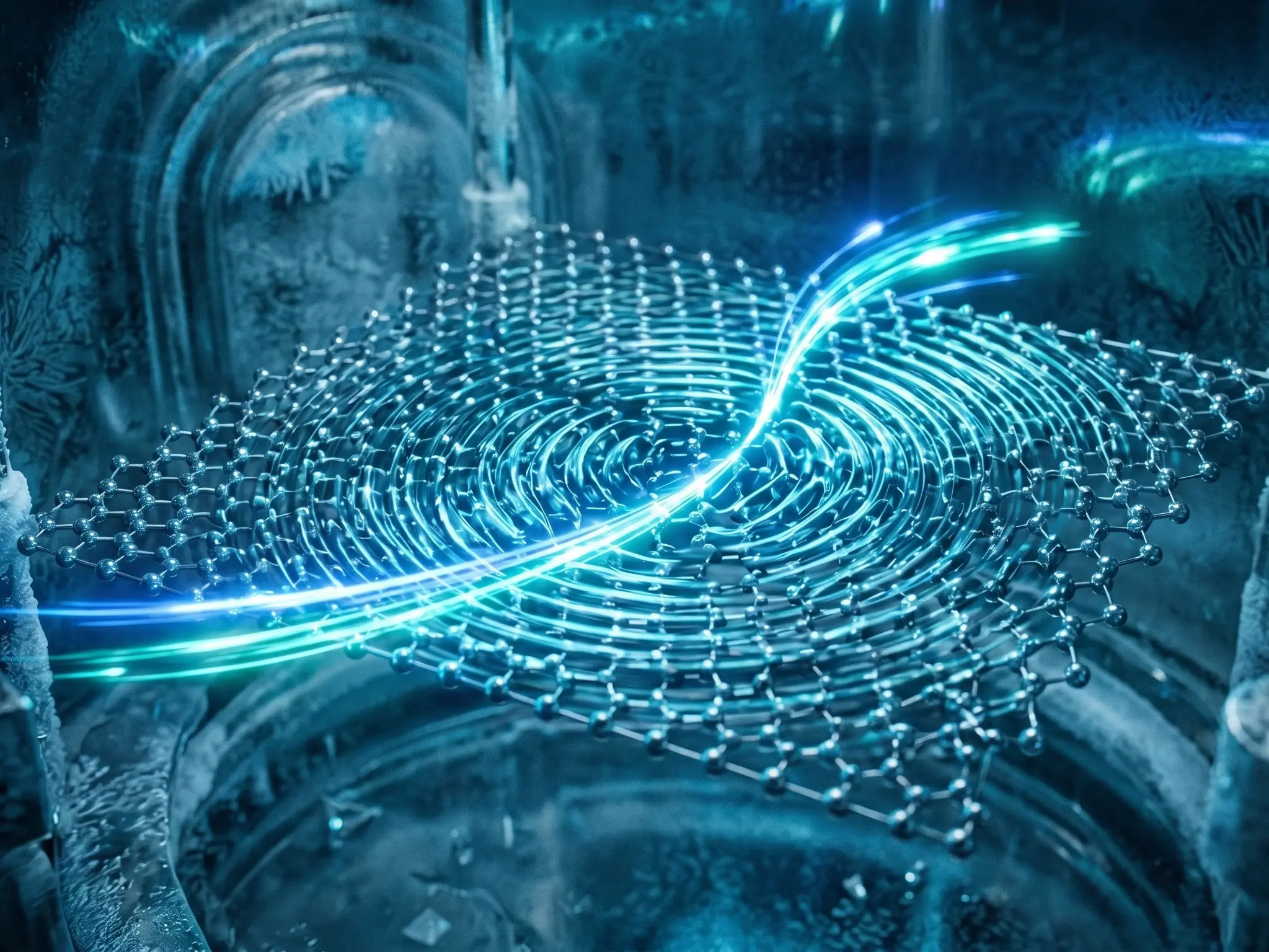
McGill University's researchers have developed a device that generates sound-like particles at extremely cold temperatures. This particle, also known as ‘phonons’, can be used to create phonon lasers, with possible applications in communications and medical diagnostics.
"Modern communication is largely based on light, including electromagnetic waves and electrical currents. In a medium such as oceans, sound can travel, whereas light and electrical currents cannot," said Michael Hilke. "In the human body, sound waves can also be a useful tool," he added.
Michael Hilke, an Associate Professor of Physics and co-author of the study published in Physical Review Letters. The study revealed that the device was built and analysed at McGill and the National Research Council of Canada, and the material was synthesised at Princeton University.

Two-dimensional layer of a crystal
The device sends an electrical current through a two-dimensional layer of crystal and holds electrons within an area just a few atoms thick. The researchers have discovered that when electrons are thrust hard enough using this channel, they release in the form of energy because of bursts of sound-like vibrations, also called phonons, in predictable and tunable patterns.
This is achieved by cooling the devices to extremely low temperatures, ranging from around 10 milli-Kelvin to 3.9 Kelvin, causing electrons to behave in a more controlled and predictable way. Under such conditions, scientists can observe quantum effects, where matter exhibits wave-like properties instead of acting purely as solid particles.
Trending Stories
&im=FitAndFill=(700,400))
Shahid Kapoor to Rajkummar Rao: Actors who rule both theatres and OTT
&im=FitAndFill=(700,400))
How 2nm technology improves iPhone performance
)
BRICS Summit 2026: Trump wants to weaken BRICS, but maybe doing the opposite
&im=FitAndFill=(700,400))
Meet top 5 batters fastest to 3000 runs in T20Is
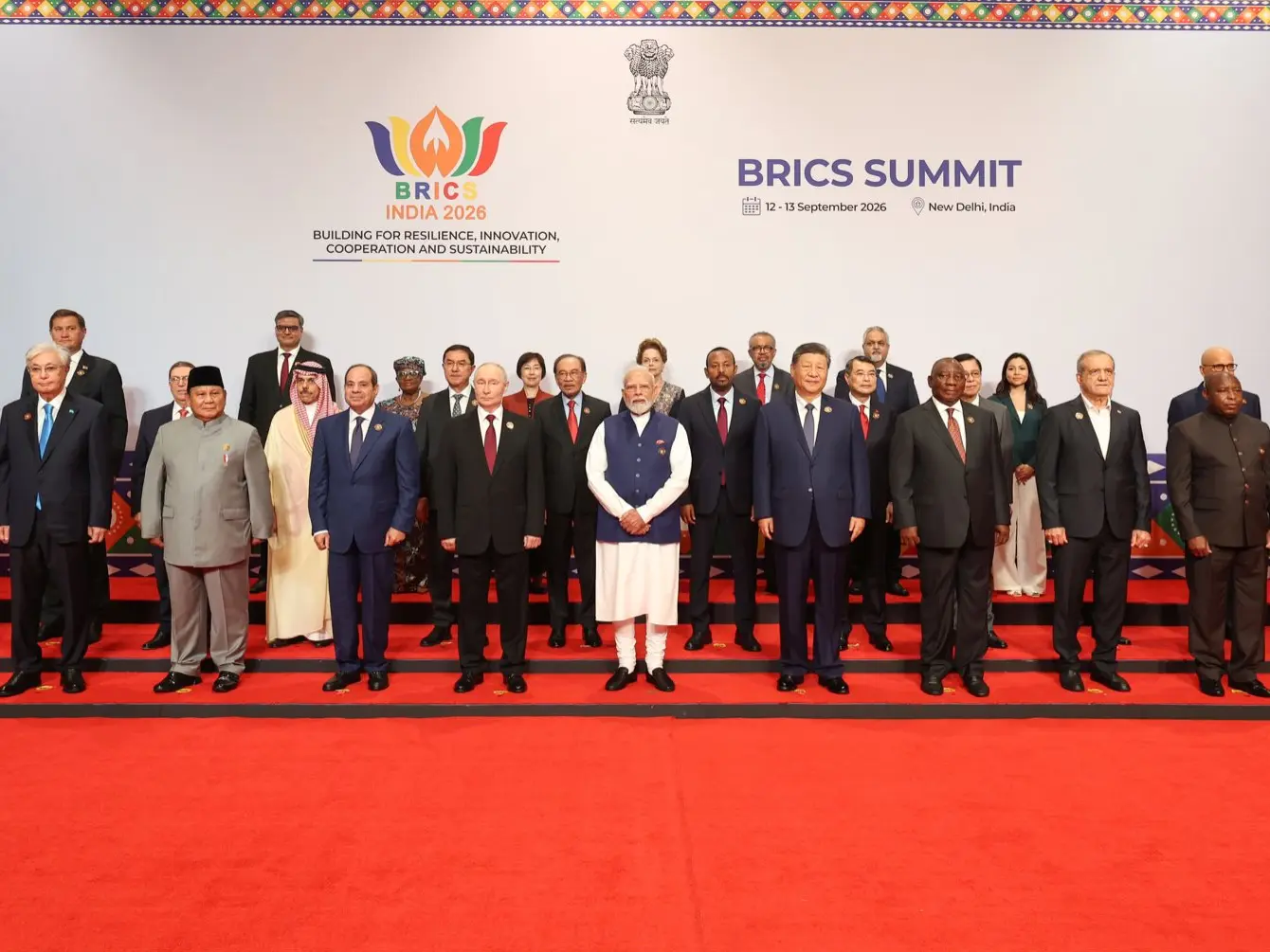)
Did BRICS Summit 2026 prove that an 11-member bloc with India and China in it can still agree on key issues?
)
Top 5 places to visit in Goa beyond its famous beaches
&im=FitAndFill=(700,400))
Why European Meteor missiles use ramjet engines compared to standard US solid rockets
)
'He is popular...': Malaysian PM Anwar Ibrahim's praise for PM Modi during bilateral meeting | WATCH
)
BRICS Summit 2026: PM Modi, Xi reach key consensus on ties, China to assume BRICS chairmanship in 2027
)
Russia-Ukraine-US talks in October? Kremlin says not ruling out possibility of trilateral
)
UK breakup on the cards? Scotland, Wales and Northern Ireland push for independence
)
‘Want to reset ties with India, have engagement based on mutual interests,’ says Bangladesh minister
)
Trump says Canada eager to reach a deal, it could come ‘fairly soon’ if Ottawa treats US farmers better
)
The Verdict | Africa is too big to remain a guest at the BRICS table
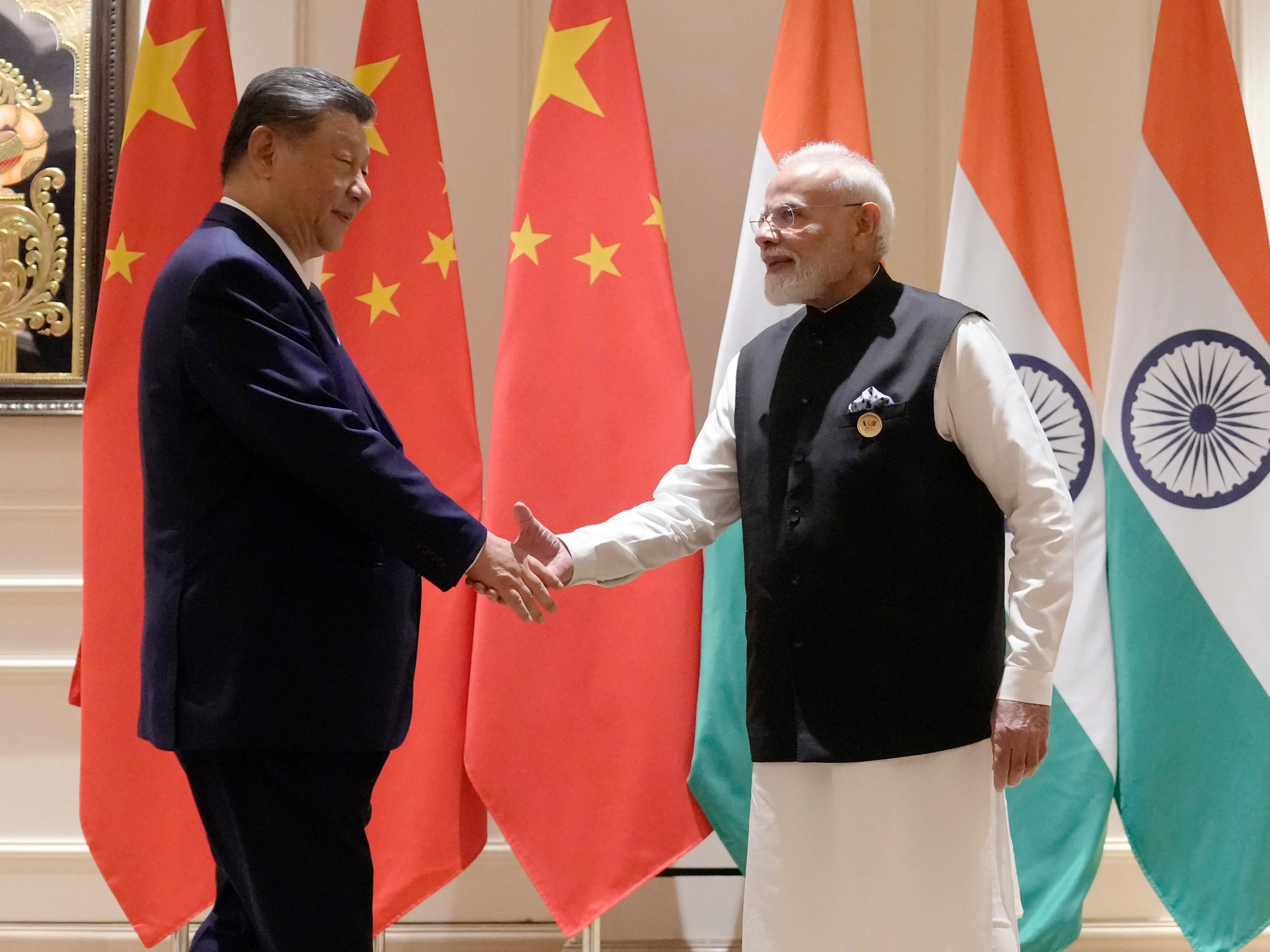)
‘Partners, not rivals’: Xi outlines four point plan for stronger India-China ties
&im=FitAndFill=(700,400))
Why Chinese PL-15 air-to-air missiles use dual-pulse motors compared to European interceptors
)
'It’s going to be a war': Ben Shelton on facing Zverev in US Open title clash
)
NATO under Russian threat? Drone strikes just 2 km from Poland, narrow escape for former UK PM, CIA chief
)
Song Ha Yoon school violence case explained: The claims, denials and latest twist of Marry My Husband actress
)
'80% of Indians are non-vegetarian': Rahul Gandhi slams BRICS Summit dinner menu, BJP calls it 'politics on food menu'
)
BRICS Summit: New Delhi declaration adopted with full consensus, big diplomatic win for India
)
800 million years old - Scientists discover 'fingerprints' of supercontinent Gondwana in ancient rocks
)
Russian drone hits Warsaw-bound train near Polish border, Zelensky accuses Moscow of ‘deliberate’ targeting
)
War is making Russia stronger? How Ukraine is shaping Moscow’s next generation of weapons
)
BRICS Summit 2026: Russia-India-China grouping never formalised
)
From severe mobility problems to recovery: Madhuri the elephant’s journey of wildlife care
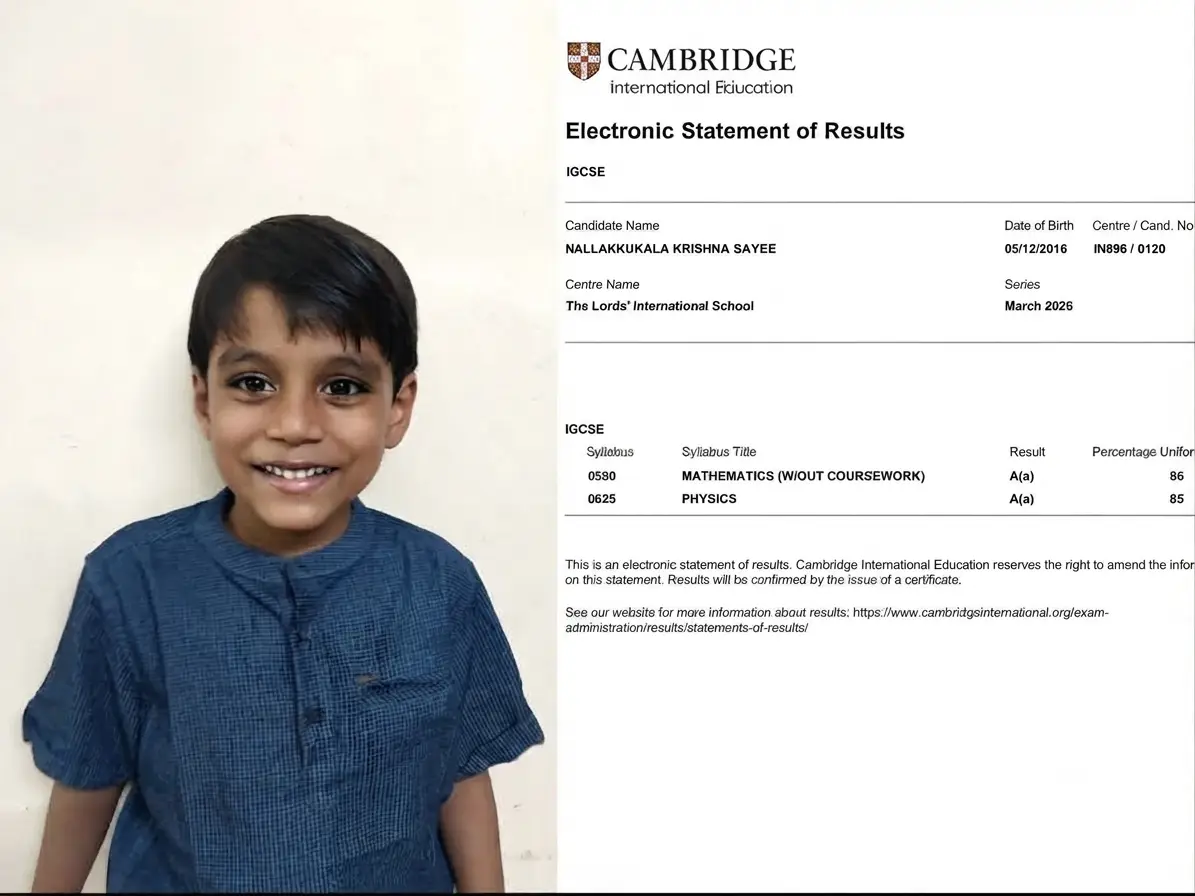)
9-year-old Chennai prodigy clears Cambridge IGCSE grade 10 exams
)
Indian importers urge Bangladesh to lift export ban on 'Hilsa' fish ahead of Durga Puja
)
Humans may lose control of AI: Anthropic CEO calls for slowdown, Altman, Musk back him
)
BRICS Summit 2026: Modi-Xi moment highlights India-China thaw at BRICS
)
US diplomat accused of possessing child abuse images secretly flown out of UK by US Marines
)
Bigg Boss 20: Who Is Rohed Khan? Meet the Austrian actor from Bade Miyan Chote Miyan
)
PM Modi and China's Xi offered to help resolve Russia-Ukraine war: Kremlin
)
Akram, Afridi, Mushtaq tear into PCB after Pakistan’s Test series collapse in UK
"At absolute zero temperatures, that is, the world of quantum physics, no sound is created unless electrons travel collectively at the speed of sound or above," Hilke explained. "Earlier work had observed related effects as electron speeds approached the sound barrier. Our study goes further by pushing the system well beyond that point and showing that existing theories need to be reassessed by considering that electrons can be very hot even if the host crystal is close to absolute zero temperature," he added.
Hilke noted that the next phase involves testing the device with alternative materials such as graphene, which could enable it to function at even higher speeds. This advancement may pave the way for faster communication technologies, improved sensing devices, applications in biological research, and more sophisticated medical systems. "Phonons are hard to generate and harness in a controlled way, so we are exploring new regimes. At a broad level, this is about how electrical current and energy move and are converted inside advanced electronic materials," he said.

