How early-universe gravitational waves may have formed dark matter: New study reveals surprising link

A new study suggests ancient stochastic gravitational waves from the early universe may have generated low-mass fermions that later evolved into dark matter. This offers a fresh explanation for one of the biggest mysteries, linking cosmic ripples to unseen matter shaping the universe.
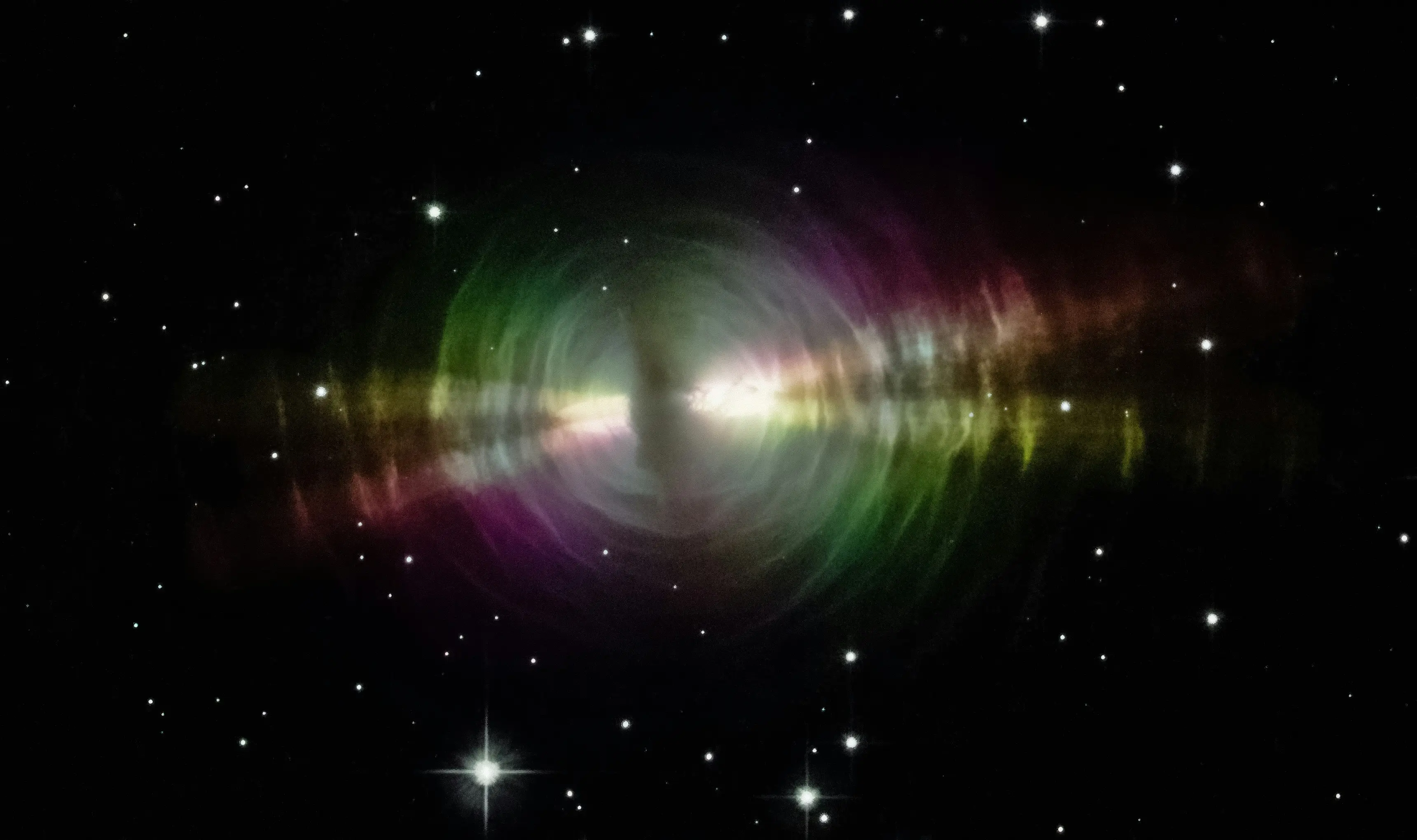
Stochastic gravitational waves
Gravitational waves may have played a significant role in creating dark matter during the earliest moments of the universe, a new study by Professor Joachim Kopp of Johannes Gutenberg University Mainz (JGU) and the PRISMA++ Cluster of Excellence, working with Dr Azadeh Maleknejad from Swansea University, has revealed. The research introduced new calculations about the point, which is an unexplored process in which so-called stochastic gravitational waves could give rise to dark matter.
Dark matter
Dark matter is one of physics’ biggest mysteries. While visible matter makes up only about 4 per cent of the universe, dark matter accounts for roughly 23 per cent, influencing galaxies and cosmic structures. Though its presence is evident through observations, its exact nature remains unknown, with scientists actively exploring theories and experiments to understand what it is made of.
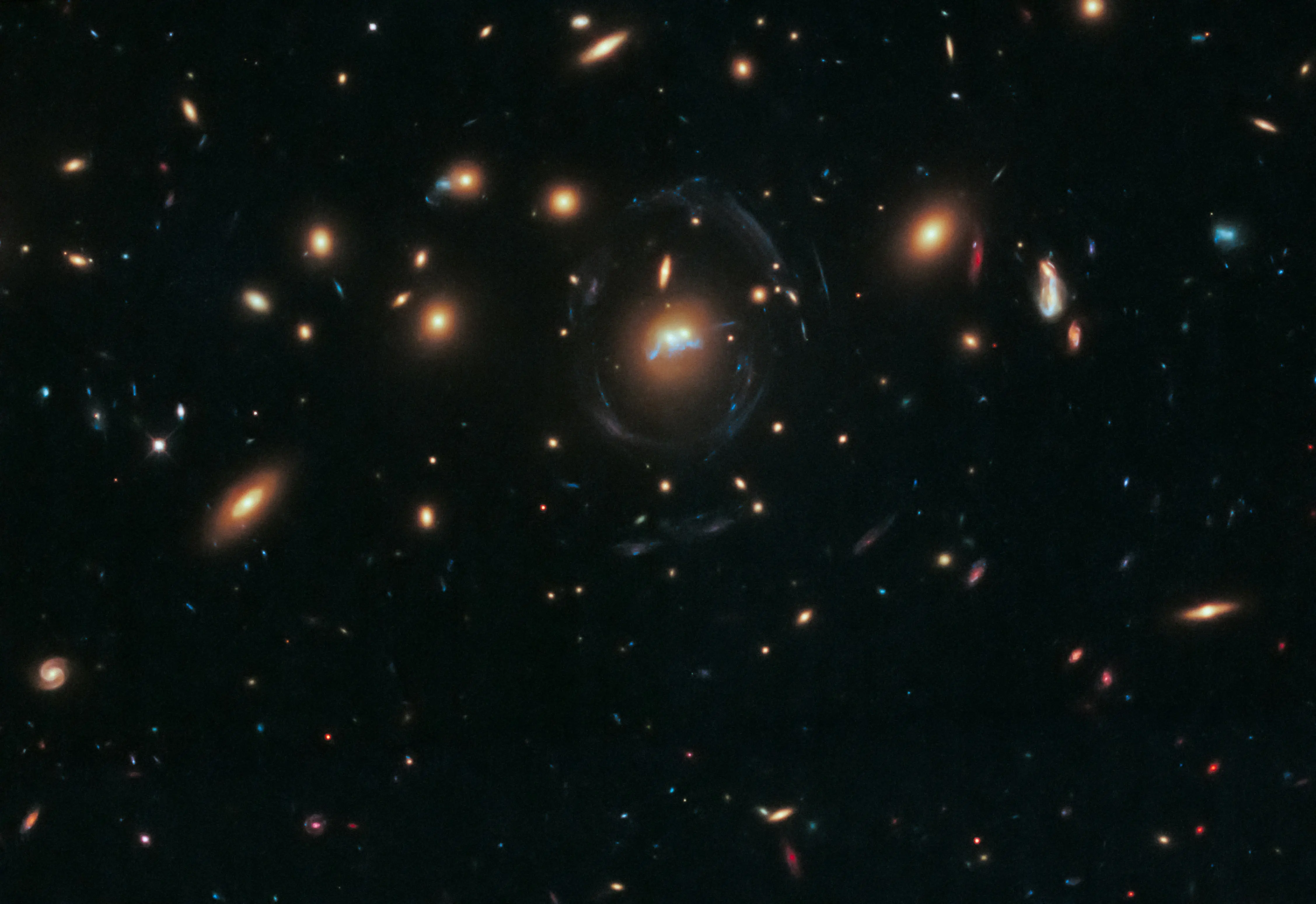
Gravitational Waves and Particle Formation from a New Path
Gravitational waves are distortions in spacetime generated by some of the universe’s most powerful events, such as collisions involving black holes or neutron stars. However, not all of these waves originate from such violent phenomena. A separate category, called stochastic gravitational waves, is produced by a variety of processes that do not involve massive celestial objects. These waves are significantly weaker and contribute to a persistent background signal permeating the universe. Many are believed to be extremely ancient, dating back to the period shortly after the Big Bang, and may have formed during key stages of cosmic evolution, such as phase transitions as the universe cooled or through primordial magnetic fields.
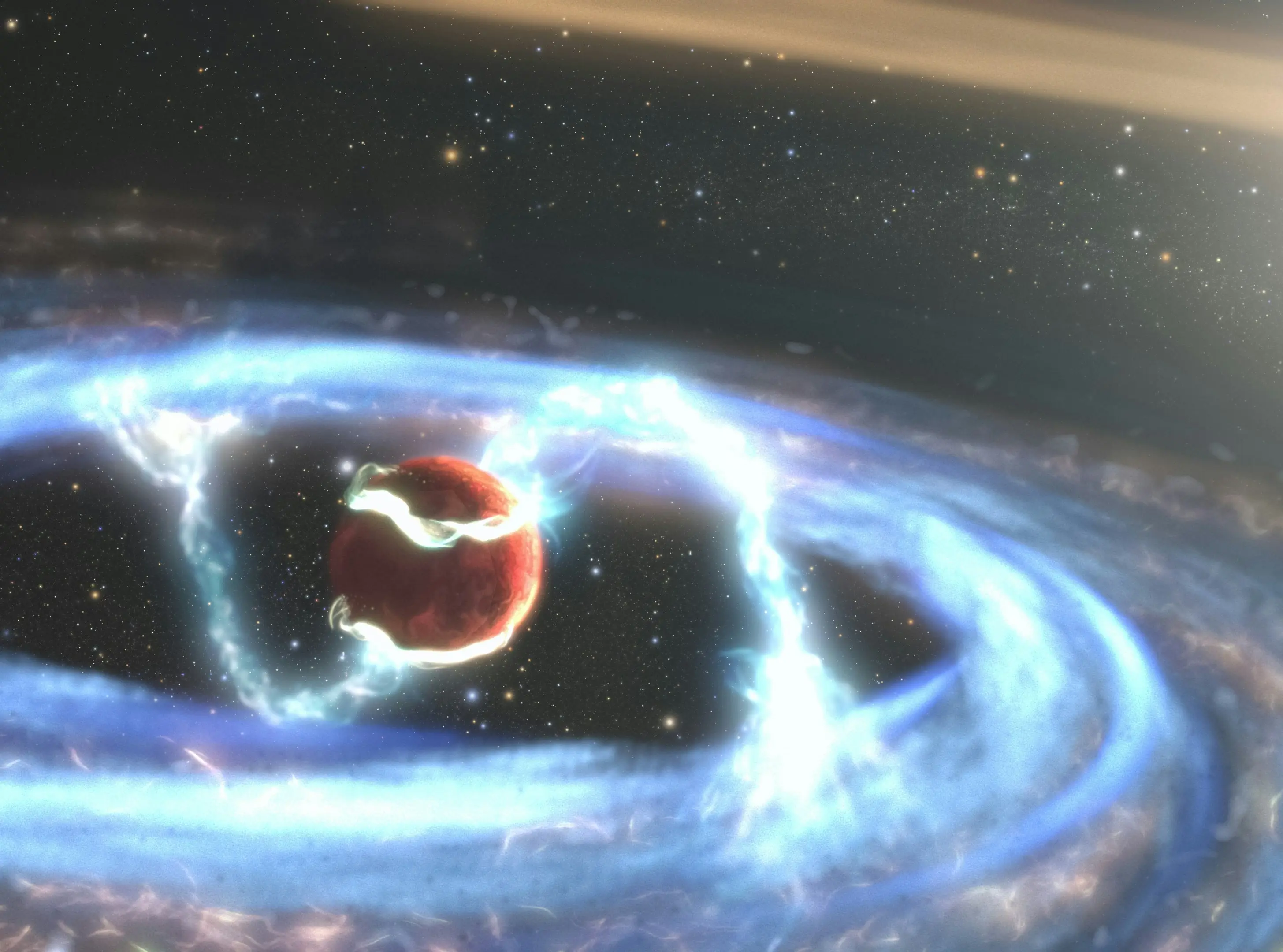
From Early Universe Waves to Dark Matter Particles
The study indicates that primordial gravitational waves may have generated fermions with little or no initial mass. Fermions, which include particles like electrons, protons, and neutrons, could have later acquired mass over time. Researchers suggest that these early particles may have eventually evolved into the dark matter that exists in the universe today.
What Comes Next for This Theory
"The next step in developing this line of research is to go beyond our analytical estimates and conduct numerical calculations to improve the accuracy of our predictions. Another avenue for future research is the investigation of further possible effects of gravitational waves in the early universe. One example for this would be a mechanism that could account for the well-known difference in particles and antiparticles produced," said Professor Joachim Kopp.
)
)
)
)
)