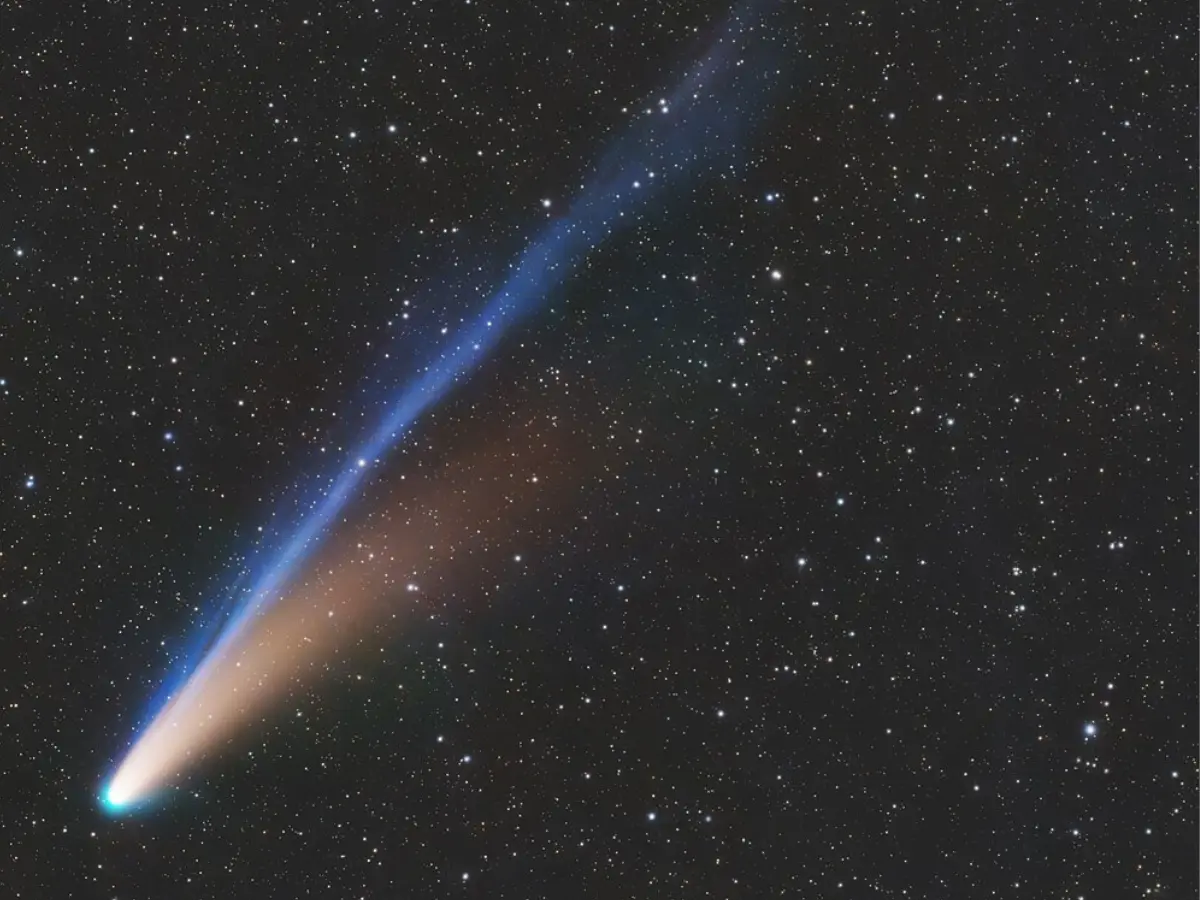
'You source of tears...': A monk saw the 76-year comet TWICE 600 years before Edmond Halley did

&imwidth=600&imheight=450&format=webp&quality=medium "'You source of tears...': A monk saw the 76-year comet TWICE 600 years before Edmond Halley did")
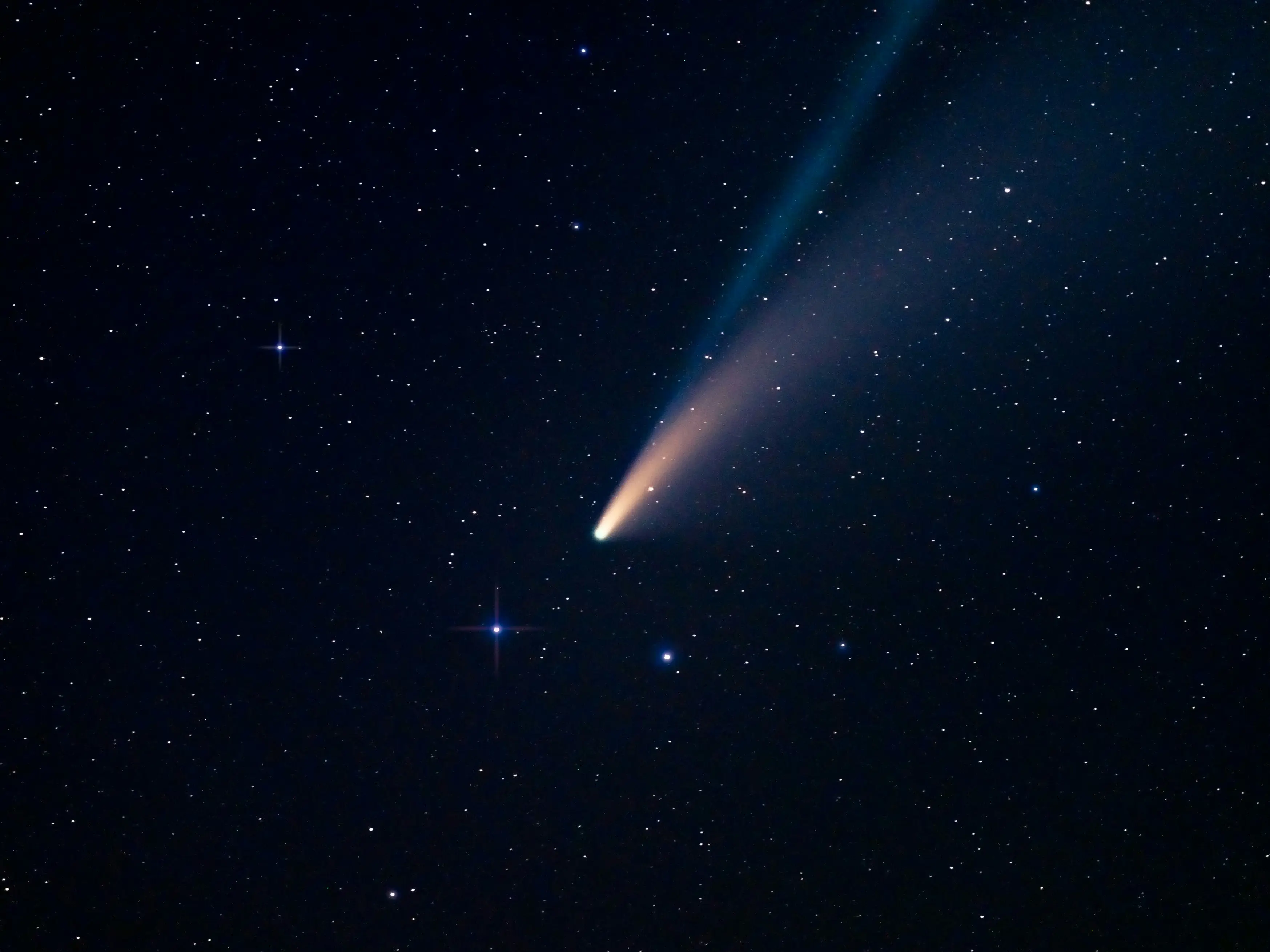
Halley's Comet returns towards Earth every 76 years. Photograph: (Unsplash)
Halley's Comet might be named after Edmond Halley, but it was a British monk, Eilmer of Malmesbury, who first saw it centuries ago. He saw it as a young boy, and then years later, saw it again and doled out some ominous words.
New research indicates that Eilmer of Malmesbury, an 11th-century English Benedictine monk, was the first person to observe Halley’s Comet over 600 years before Edmond Halley. He saw the comet twice in his lifetime - 989 CE and 1066 CE - and recognised its periodic nature. This has been documented by the 12th-century chronicler William of Malmesbury, which makes Eilmer, and not Edmond Halley, the first person see the comet and recognise that it returns after a certain number of years. Today, we know that Halley's comet makes an appearance approximately every 76 years. Professor Simon Portegies Zwart from Leiden University, along with other astronomers, states in research that Eilmer's achievement has remained unrecognised by historians. While the monk saw the comet in 989 and then again 77 years later, Edmond Halley caught a glimpse in 1705. Zwart, Lewis and others published their research in the book "Dorestad and Everything After. Ports, townscapes & travellers in Europe, 800-1100".
Eilmer, or Aethelmaer, was extremely young when he saw the comet for the first time. Gesta Regum Anglorum (Deeds of the Kings of the English) by William of Malmesbury also mentions Eilmer's exact words upon the comet's return: "You've come, have you? ... It is long since I saw you... You source of tears to many mothers." The chronicle shows that Eilmer knew it was the same comet he had seen as a young boy. However, Edmond Halley was the one who scientifically proved that the comet returns every 76 years or so. He analysed observations of bright comets in 1531, 1607, and 1682 using Isaac Newton's newly published theory of gravitation. He calculated that these were not three separate comets, but only one with an elliptical orbit with a period of approximately 76 years. He predicted its return in 1758, and it did. However, he passed away in 1742 and could not witness his prediction coming true.
Why the Halley's Comet discovery matters
The revelation that Halley's Comet was seen several years before proves that medieval scholars were far more observant and analytical regarding the natural world than previously thought. It challenges the narrative that rigorous scientific observation only began with the Enlightenment.
Halley's Comet observations in 1066
Trending Stories
)
)
)
)
)
)
)
)
)
)
)
)
)
)
)
)
)
)
)
)
)
)
)
)
&im=FitAndFill=(700,400))
)
)
)
)
)
)
)
)
)
)
)
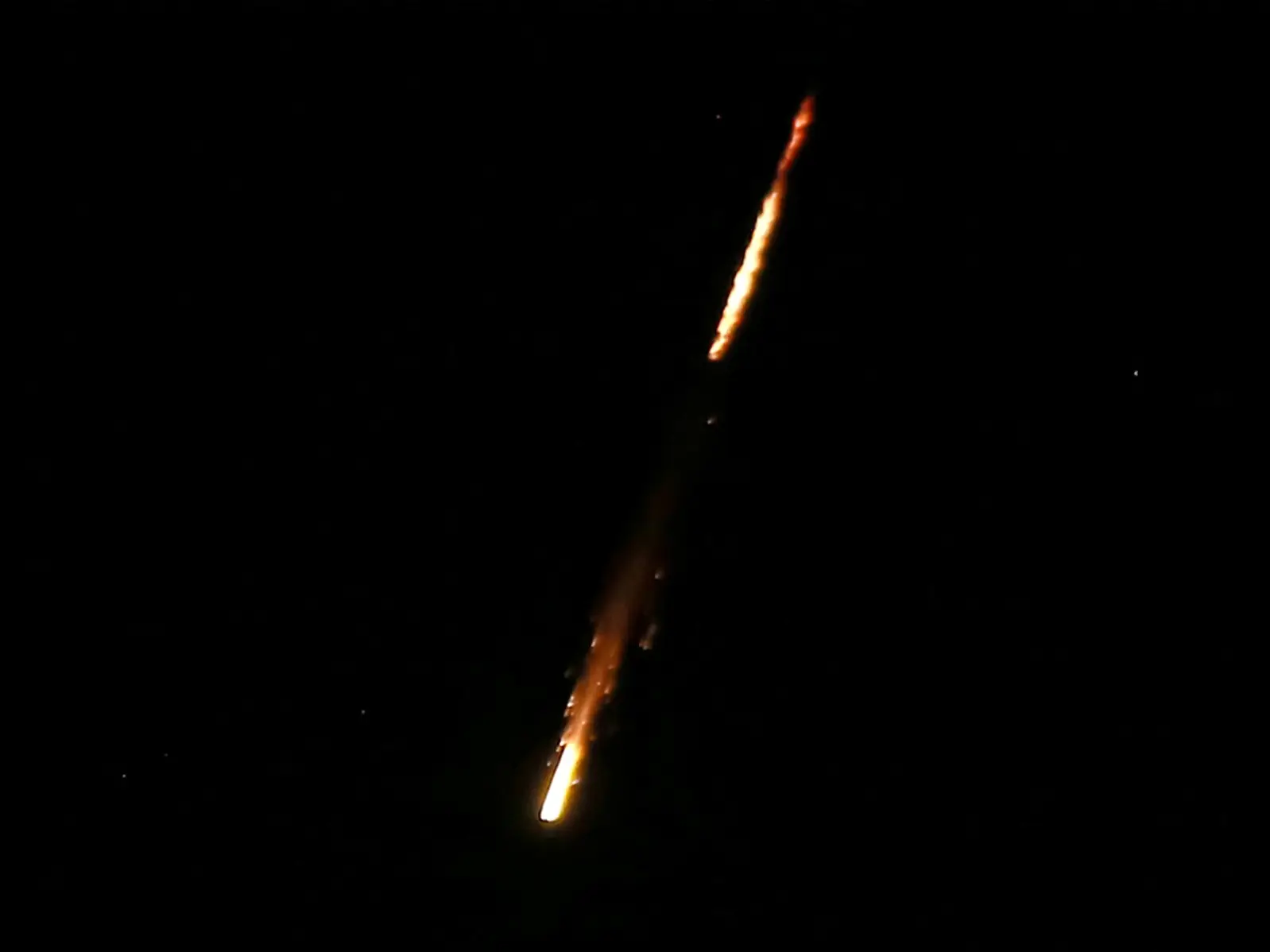
Historical records indicate that the comet remained visible in China for over two months in 1066. It reached peak brightness on 22 April, and was not seen in Brittany and the British Isles until 24 April. The comet was illustrated on the Bayeux Tapestry.
Halley's Comet omens and beliefs
In ancient times, comets were associated with bad occurrences. When Halley's Comet visited in 1066, King Harold Godwinson ruled England for a short time from 6 January to 14 October. Before this, records retrieved by the researchers suggested that a comet was seen five times over centuries around this time, and all those appearances were linked to the deaths of kings, war or famine in the British Isles. There is even a comet not mentioned in the chronicles that came right before the death of Archbishop Sigeric of Canterbury in 995. Leiden researchers say it is a historical equivalent of fake news.