
&imwidth=800&imheight=600&format=webp&quality=medium "A star vanished in Andromeda galaxy. Now a strange red source is puzzling astronomers")
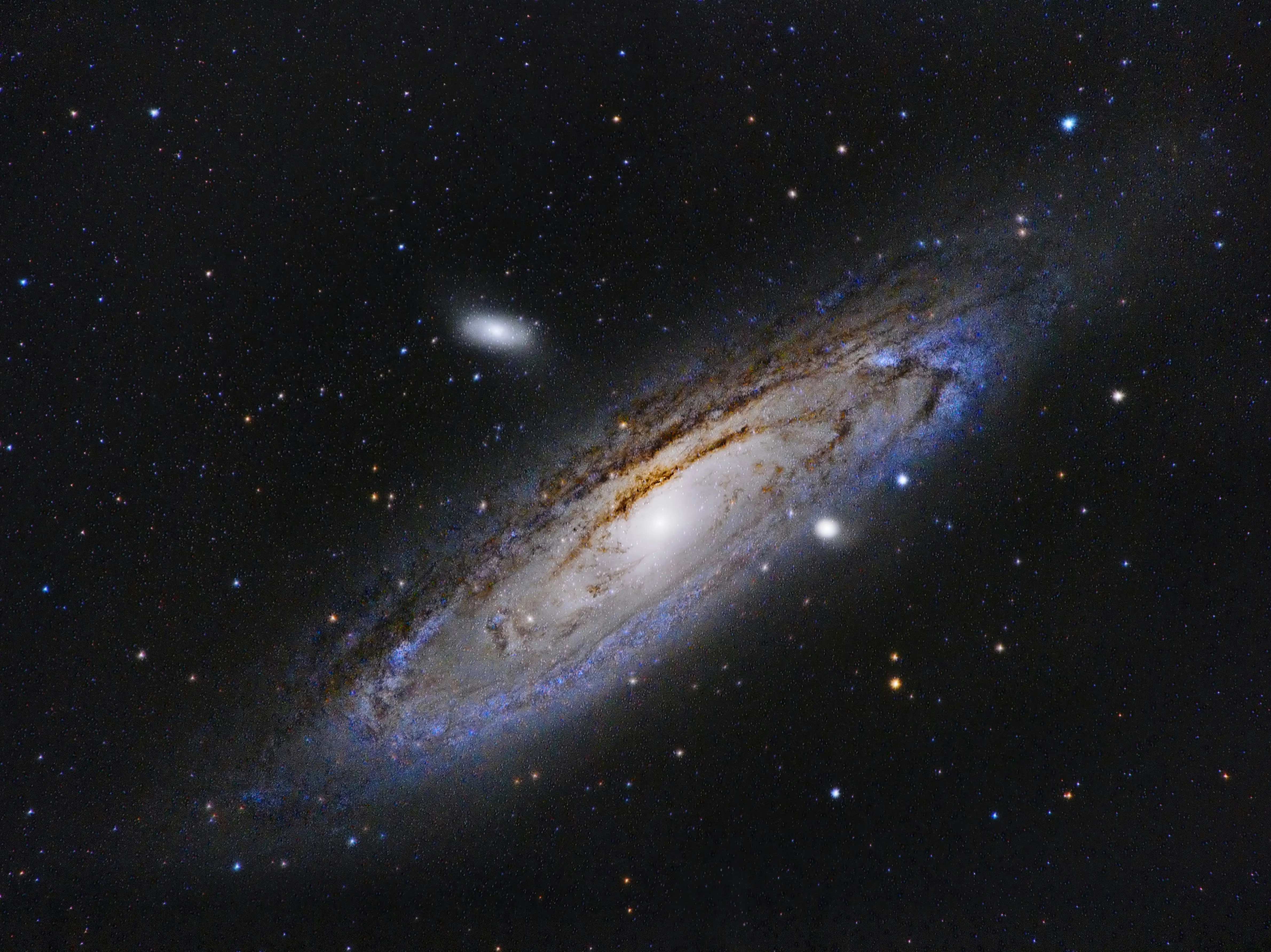
A yellow supergiant star, M31-2014-DS1, vanished from the Andromeda Galaxy between 2014 and 2018, and astronomers don't have an answer about what happened to it. Two teams of researchers studied the event and recently came up with possible explanations for its disappearance, IFL Science reported. One of the teams used the James Webb Space Telescope to understand what could have happened to the star that was observed shining brightly in 2014. They state in their preprint, which has yet to be peer reviewed, that it likely turned into a black hole without undergoing a supernova, the explosive death of a star. These bright bodies in the cosmos have a way to end their lives. Once their fuel runs out, they burst into a supernova, putting on an extremely bright show. However, nothing of the sort was seen with M31-2014-DS1. The researchers think that it was a failed supernova.
Explaining the two scenarios, they wrote that "stellar-mass black holes (BHs) are understood to represent the end states of massive stellar evolution". Theoretically speaking, there are "multiple pathways to their formation. These include both successful terminal explosions – in which the progenitor star ejects most of its core and outer envelope in a core-collapse supernova – and failed explosions, where the star undergoes near-complete implosion with little accompanying mass ejection."

Red light in place of missing star
The team used JWST and the Chandra X-ray Observatory to see what was left and found an "extremely red source" in place of the star. Its brightness is only around 7–8 per cent of the original star. There is also a shell of dust surrounding the red source that stretches out to a whopping 40-200 times the distance between Earth and Sun. The team thinks the red spot is material ejected by the star that is now falling back into a newly formed black hole. However, the accretion is not seen in X-ray observations, making the failed supernova theory questionable.
Another team made observations that challenge the failed supernova theory.
Trending Stories
)
Did India risk its US trade deal despite softer stance at BRICS?
&im=FitAndFill=(700,400))
How 2nm technology improves iPhone performance
&im=FitAndFill=(700,400))
Shahid Kapoor to Rajkummar Rao: Actors who rule both theatres and OTT
)
First naval drone battle? Ukraine says Sargan 3000 sank Russian unmanned boat
)
BRICS Summit 2026: Trump wants to weaken BRICS, but maybe doing the opposite
&im=FitAndFill=(700,400))
Meet top 5 batters fastest to 3000 runs in T20Is
)
Did BRICS Summit 2026 prove that an 11-member bloc with India and China in it can still agree on key issues?
)
Top 5 places to visit in Goa beyond its famous beaches
)
Delhi’s balancing act: BRICS serves as a stage for West Asia diplomacy
&im=FitAndFill=(700,400))
Why European Meteor missiles use ramjet engines compared to standard US solid rockets
)
'He is popular...': Malaysian PM Anwar Ibrahim's praise for PM Modi during bilateral meeting | WATCH
)
Iran, India agree to deepen humanitarian and political ties, President Pezeshkian says
)
‘Want to reset ties with India, have engagement based on mutual interests,’ says Bangladesh minister
)
BRICS Summit 2026: PM Modi, Xi reach key consensus on ties, China to assume BRICS chairmanship in 2027
)
UK breakup on the cards? Scotland, Wales and Northern Ireland push for independence
)
Russia-Ukraine-US talks in October? Kremlin says not ruling out possibility of trilateral
)
Trump says Canada eager to reach a deal, it could come ‘fairly soon’ if Ottawa treats US farmers better
)
The Verdict | Africa is too big to remain a guest at the BRICS table
)
‘Partners, not rivals’: Xi outlines four point plan for stronger India-China ties
&im=FitAndFill=(700,400))
Why Chinese PL-15 air-to-air missiles use dual-pulse motors compared to European interceptors
)
NATO under Russian threat? Drone strikes just 2 km from Poland, narrow escape for former UK PM, CIA chief
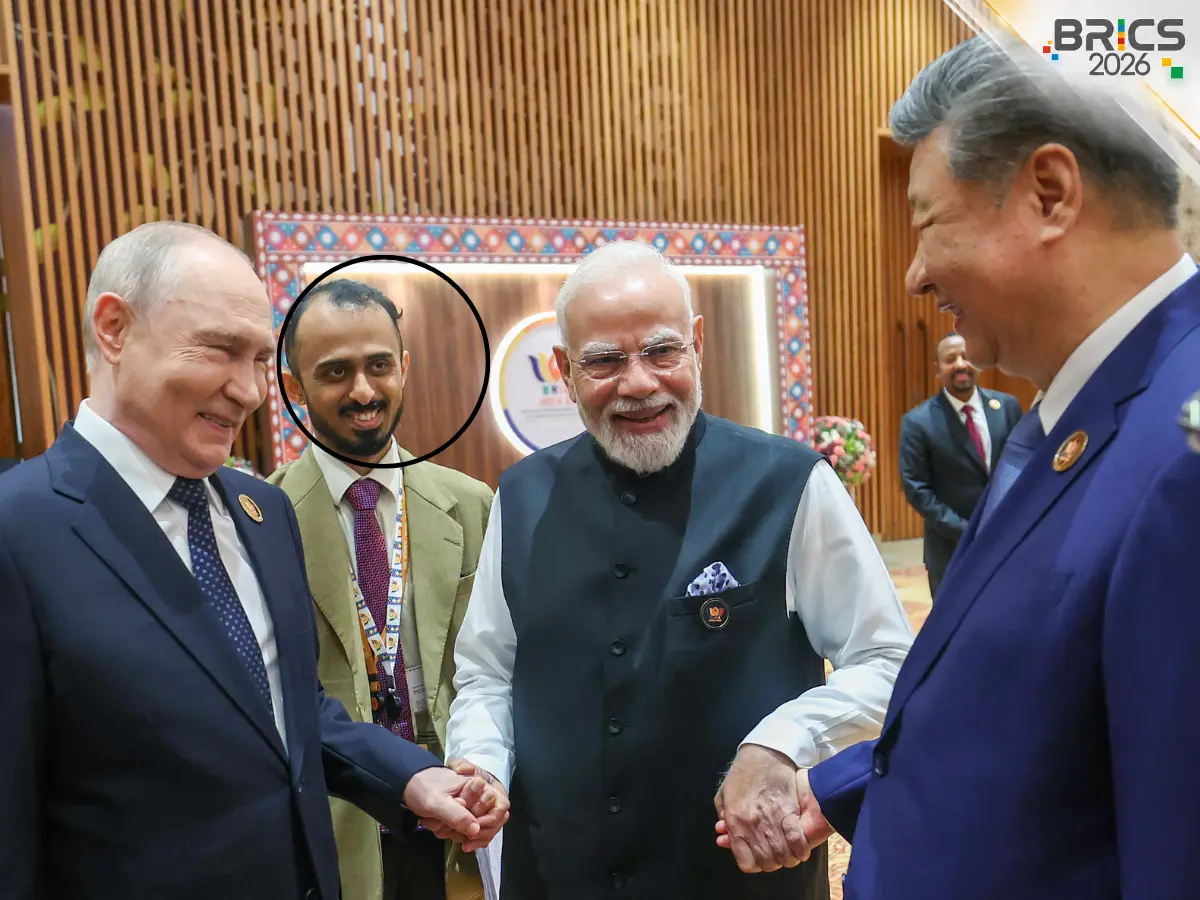)
Who is the smiling man beside Modi, Putin and Xi at BRICS Summit 2026?
)
BRICS Summit: New Delhi declaration adopted with full consensus, big diplomatic win for India
)
800 million years old - Scientists discover 'fingerprints' of supercontinent Gondwana in ancient rocks
)
Russian drone hits Warsaw-bound train near Polish border, Zelensky accuses Moscow of ‘deliberate’ targeting
)
War is making Russia stronger? How Ukraine is shaping Moscow’s next generation of weapons
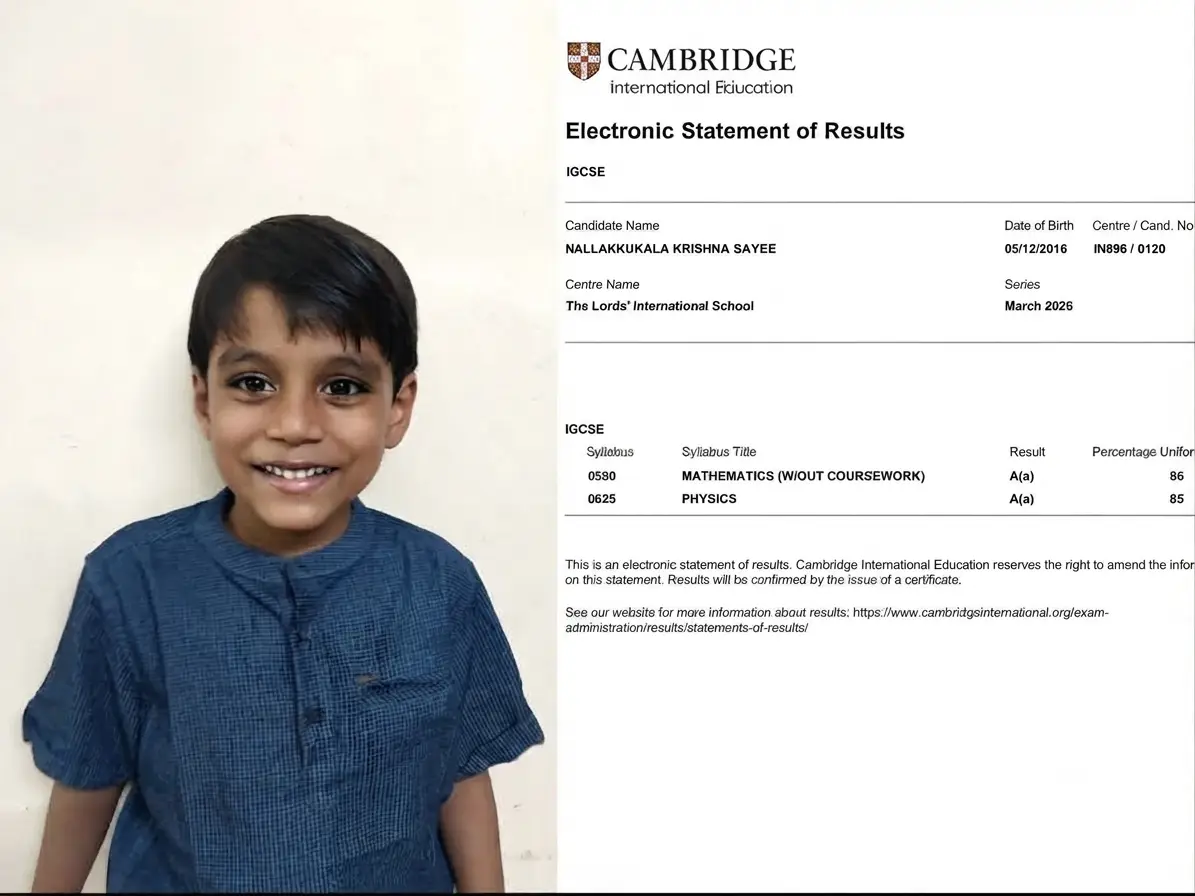)
9-year-old Chennai prodigy clears Cambridge IGCSE grade 10 exams
)
Indian importers urge Bangladesh to lift export ban on 'Hilsa' fish ahead of Durga Puja
)
Humans may lose control of AI: Anthropic CEO calls for slowdown, Altman, Musk back him
)
US diplomat accused of possessing child abuse images secretly flown out of UK by US Marines
)
BRICS Summit 2026: Modi-Xi moment highlights India-China thaw at BRICS
&im=FitAndFill=(700,400))
From Rinku Singh to Mayank Yadav, 5 players dropped from India’s squad for Afghanistan T20Is
)
PM Modi and China's Xi offered to help resolve Russia-Ukraine war: Kremlin
)
Akram, Afridi, Mushtaq tear into PCB after Pakistan’s Test series collapse in UK
Why it could not be a failed supernova
"Several observational details challenge the interpretation of M31-2014-DS1 as a failed SN," the team wrote in their paper. They say that if it went directly from being a star to a black hole without a supernova, then the luminosity from fallback accretion should decline as the accretion rate decreases. But not much of a fall has been noticed in the brightness of the source. They used the Chandra telescope to find the X-rays, but none were detected. Both studies have been posted on the pre-print server arXiv.
Scientists say the dust could be hampering a proper view of the zone. Which brings them to a second explanation - a stellar merger. The team says it is possible that two stars collided and created this dust which is making it hard to see what is going on there. They believe once the dust settles, the main source might become visible.

