James Webb Telescope observes jet stream as fast as 'category 5' storms on Jupiter


Jupiter
NASA's James Webb Space Telescope (JWST), renowned for its deep space discoveries, has recently unveiled captivating imagery from our very own cosmic neighbourhood, offering novel insights into the intricate dynamics of the gas giant, Jupiter.
Stunning snapshotscaptured by the JWST in 2022, have unexpectedly exposed a colossal high-speed jet stream swirling across the planet's equator at an astounding speed of approximately 320 mph (515 kph) and spanning over 3,000 miles (4,800 kilometres).
'That totally surprised us'

Ricardo Hueso, of the University of the Basque Country, the lead author of the study documenting the findings, expressed his astonishment at the discovery.
Also read |This 'hell-like' exoplanet has been sending mysterious signals. JWST will now help find out why
Joining in the sentiment, Leigh Fletcher from the University of Leicester said, "It’s amazing to me that, after years of tracking Jupiter’s clouds and winds from numerous observatories, we still have more to learn."
)
'We do not wish to continue. It's America that must choose': Iran president Pezeshkian calls on US to end war
)
Ram Mandir donation theft case: Trust gets clean chit, Champat Rai made prosecution witness; 70,000-page charge sheet filed
)
US faces fresh cost crunch as mortgage rates hit 7%, oil tops $107 and gas prices surge
)
Yemen called Trump for US military support in fight against Houthis: Official
)
Welcome actor Mushtaq Khan dies at 56 after battling cancer
)
Meet Adrian Abraham: 9-year-old Indian-origin guitar prodigy aiming for a Guinness World Record
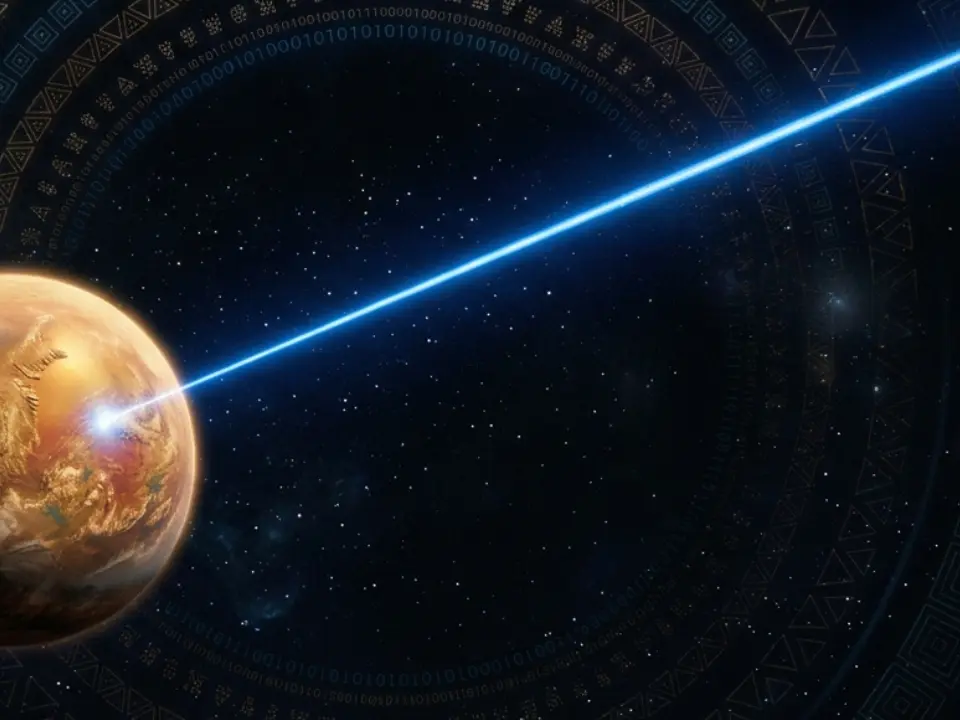)
Scientists detect first radio signals directly from faraway planet
)
Trump's welcome to Xi demonstrates 'attraction' to dictators: Chuck Schumer
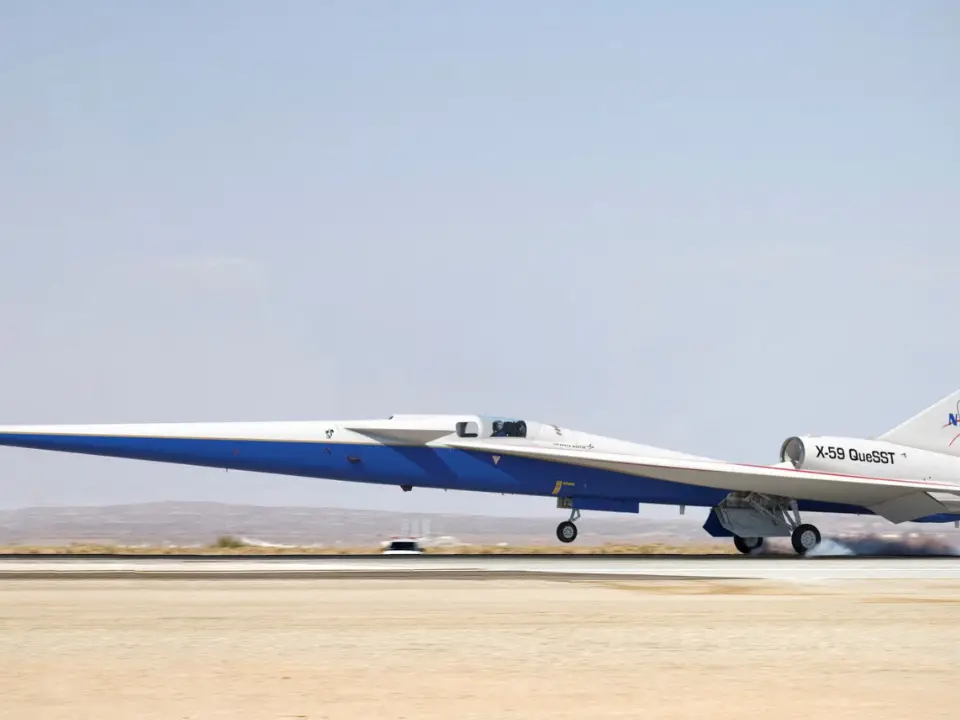)
China to test supersonic jet that moves at Mach 2, double the speed of sound
)
CNN, Politico and MS NOW back in White House after judge blocks Trump’s media ban
)
US judge questions Trump’s decision to ban CNN, MS NOW and Politico from White House
)
WION Iconic Tourism Summit 2026: Union Minister Shekhawat on 'experiential travel', peace diplomacy
)
Trump gifts Xi a bald eagle sculpture at White House dinner: Here’s what it symbolises
)
Australian PM Anthony Albanese calls OpenAI AI incident 'unacceptable' after restricted data access
&im=FitAndFill=(700,400))
Netanyahu at UN: Mass walkout, attack on Mamdani and Iran threats | In Pics
)
‘We’ve never gotten along better’: Trump praises Xi, jokes about White House ballroom at high-stakes state dinner
)
EC appointment law: Why is the 2023 act controversial, and what happens next? WION explains
)
'AI got into my speech': Prince Harry jokes after teleprompter failure at event in New York
)
What’s in a name? Trump’s 'Lake America' move gets a tit-for-tat response from Canada
)
Cyclone Arnab: Landfall expected before midnight tomorrow as IMD issues orange alerts across six states
)
Trump’s Board of Peace unveils $2.45bn Gaza plan,66 projects: But where’s the money?
)
'Making history': Xi Jinping praises Trump as US-China leaders dine at White House
)
WION Iconic Tourism Summit: Is India's travel boom outrunning its airports, airlines and hotels?
)
'We would all be dead': Netanyahu defends decision to strike Iran's nuclear facilities in his UN speech
)
Who is Lt-Gen Nauman Mahmood, Pakistan's first secretary general of Makkah Defence Alliance?
)
‘Not just a local tragedy’: Nepal PM Shah warns UN of growing climate threat, says Nepal floods were 'a warning to the world'
)
Israeli envoy to US Yechiel Leiter’s son critically injured in West Bank ramming attack
)
2,000-foot tube, laser tests and more: China builds towns to expand nuclear arsenal, satellite images show
)
'What kind of confession is this?': Pakistan PM Shehbaz Sharif’s 'terrorists would be roaming New York' remark goes viral, raises alarm online. Watch
)
WION Iconic Tourism Summit: How local tourism MSMEs must upskill for AI integration
)
Nations League: Germany draw on Klopp debut; Portugal, Norway win
)
'Partners rather than rivals': Xi Jinping's first message after landing in US for Trump summit
)
'Fund people, not bombs': Hundreds take to New York streets as Netanyahu delivers speech at UN; dozens arrested
)
Mumbai Indians appoint Luke Williams as head coach for Women’s Premier League
)
IIT Bombay CCTV footage emerges: Sahil Wakode seen looking at phone in examination hall
)
Russia likely to target Spain, France and Italy in drone attacks, warns CIA: Report
)
WATCH | China President Xi Jinping lands in US as Trump greets him ahead of high-stakes summit
)
Trump-Xi state dinner 2026: Who is invited? Full guest list of tech CEOs, business leaders and officials
)
A seven-day roadmap? Iran proposes plan to end war, reopen Strait of Hormuz and resume nuclear talks
)
What’s on the menu? Inside Trump’s lavish White House state dinner for Xi
)
Xi Jinping's 'special plane' vs Trump's Air Force One: What's the difference?
The findings have been published in the journal Nature Astronomy.
Why does a jet stream on Jupiter matter?
The team explained that the newfound jet stream, exceeding the velocity of a Category 5 hurricane on Earth, promises to provide crucial insights into Jupiter's turbulent atmosphere.
Researchers anticipate that the "crisp" images will help with a comprehensive understanding of the celestial giant's intricate cloud formations and weather patterns.
"We knew the different wavelengths of Webb and Hubble would reveal the three-dimensional structure of storm clouds, but we were also able to use the timing of the data to see how rapidly storms develop," said Michael Wong of the University of California, Berkeley, who led the associated Hubble observations and was a member of the new study.
"Jupiter has a complicated but repeatable pattern of winds and temperatures in its equatorial stratosphere, high above the winds in the clouds and hazes measured at these wavelengths," said Fletcher, adding "If the strength of this new jet is connected to this oscillating stratospheric pattern, we might expect the jet to vary considerably over the next two to four years."
"It'll be really exciting to test this theory in the years to come," he added.
(With inputs from agencies)
WATCH WION LIVE HERE
You can now write for wionews.com and be a part of the community. Share your stories and opinions with us here.

