How DNA 3D printing could transform nanotechnology and medicine

&imwidth=600&imheight=450&format=webp&quality=medium "How DNA 3D printing could transform nanotechnology and medicine")
Scientists use DNA and water to 3D print microscopic devices Photograph: (X)
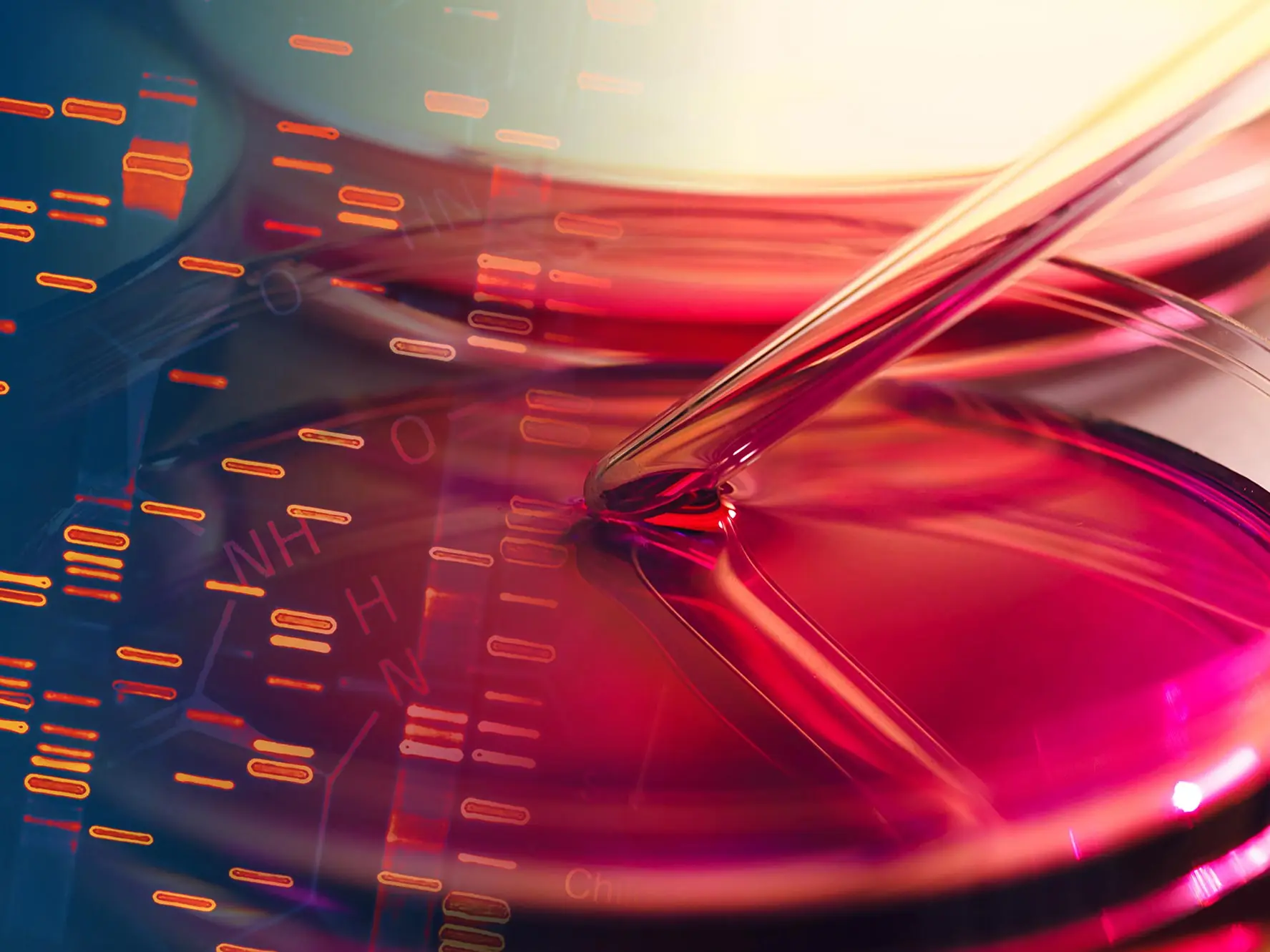
Scientists at Columbia Engineering have invented a new way to build tiny 3D structures using DNA and water. This self-assembling technique could revolutionize nanotechnology, making microscopic electronics and medical devices cheaper, greener, and easier to produce.
Researchers at Columbia Engineering have developed a new technique that uses DNA and water to create self-assembling 3D structures. This method could transform how we build microscopic electronics and medical devices in the future.
The study, published in Nature, shows how DNA molecules can act as a type of natural building block. When placed in water, these molecules automatically arrange themselves into complex 3D shapes, similar to how living cells naturally organise.
Lead researcher Professor Oleg Gang said this approach could “redefine how we manufacture at the smallest scale,” offering a simpler and more sustainable alternative to traditional nanotechnology methods.
How DNA 3D Printing Works
In regular 3D printing, machines add layers of material step-by-step to form a design. This new method works differently.
According to the Columbia Engineering team, the process uses DNA strands programmed with specific instructions. When combined with water, these strands naturally lock into place, forming a pre-designed structure without external machines.
Trending Stories
)
)
)
)
)
)
)
)
)
)
)
)
)
)
)
)
)
)
)
)
)
)
)
&im=FitAndFill=(700,400))
)
)
)
)
)
&im=FitAndFill=(700,400))
)
)
)
)
)
)
The result is a self-assembling process that happens on a microscopic level. The team demonstrated this by creating small electronic components that could one day be used in devices like sensors, flexible electronics, and even medical implants.
Why This Discovery Matters
This innovation could significantly reduce the cost and complexity of building nanoscale technology.
As reported by VoxelMatters, using DNA and water makes the process environmentally friendly and energy-efficient. It also opens doors for breakthroughs in medicine, such as tiny drug delivery systems or diagnostic tools that can work inside the human body.
However, researchers note that this technology is still in its early stages. Further testing is needed before it can be scaled up for commercial use.
Professor Gang added that combining biology with engineering could “help bridge the gap between natural processes and man-made technology.”
