Boys in all-male choirs lift up singing several notches when girls are in audience, finds study


Animal-huma mating practise
The Animal Kingdom is full of myriad mating practices, where the males of the species attempt to woo the females. We humans are hairless primates after all, and recent study has shown that our species too, in a matter of speaking, fluff out our feathers and perform a dance for the females.
As per a research article published in The Royal Society, boys in all-male choirs tend to boost their vocals when girls are in the audience.
Mating call

Researchers based their observation on a renowned boys' choir group. They noticed that the basses — the oldest boys with the deepest boys — "boosted their acoustic prominence by increasing energy in a high-frequency band of the vocal spectrum when girls were in an otherwise male audience".
The effect, as per the report, was particularly seen in the oldest boys, aged between 16 and 19.
)
Trump says Russia has ‘lost control’ of its diesel industry, calls for end to ‘ridiculous, never-ending’ war
)
Putin's United Russia party wins 355 seats in Duma election; 4 other parties cross threshold to enter parliament
)
Delhi Air pollution: Strict crackdown on waste burning
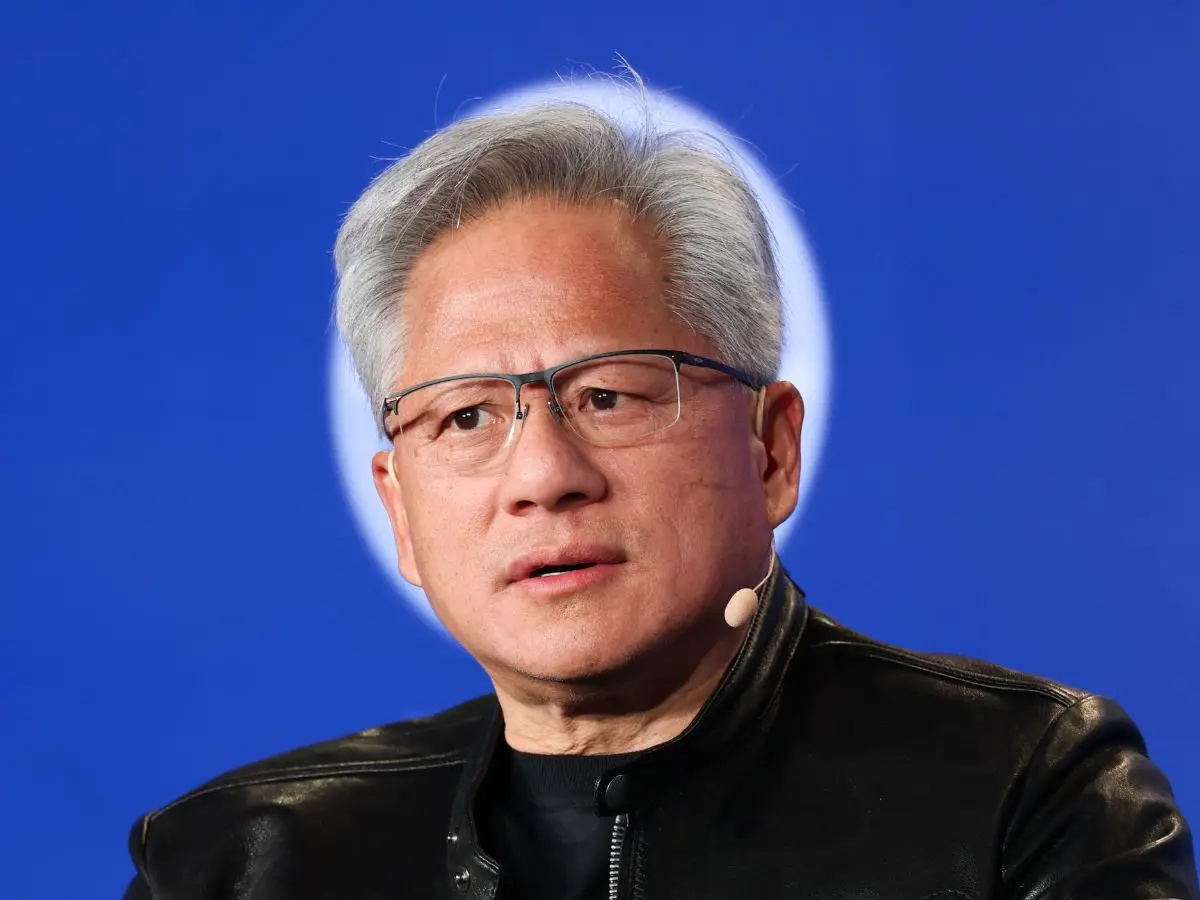)
‘0% chance’: Nvidia CEO Jensen Huang dismisses AI extinction fears by 2030
)
Samay Raina-Mukesh Chhabra controversy explained: What happened over girlfriend joke on India's Got Latent?
)
Trump's helipad event overshadowed by audio failure as major TV networks suspend pool coverage
)
Russia-Ukraine war: Russian strikes knock out three of Ukraine's largest steel plants
)
Glitch in the matrix caught on camera: Woman vanishes after talking to reporter
)
Samsung raises Galaxy S26 prices by Rs 20,000: Here’s what each model now costs
)
IIT Bombay tensions ease after three-hour open house; director’s assurances pacify students
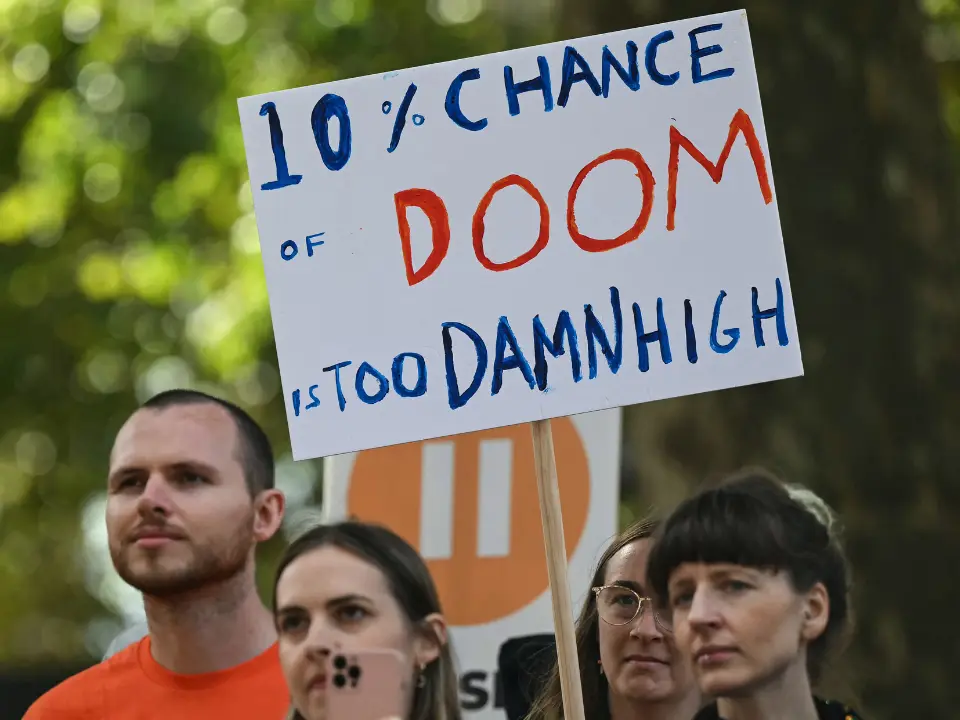)
Anti-AI activists storm summit, say 'incompetent' leaders are leading us into a disaster - 'We need a vote'
)
J&K Assembly Session begins amid chaos: BJP, ruling alliance clash as statehood demand dominates
)
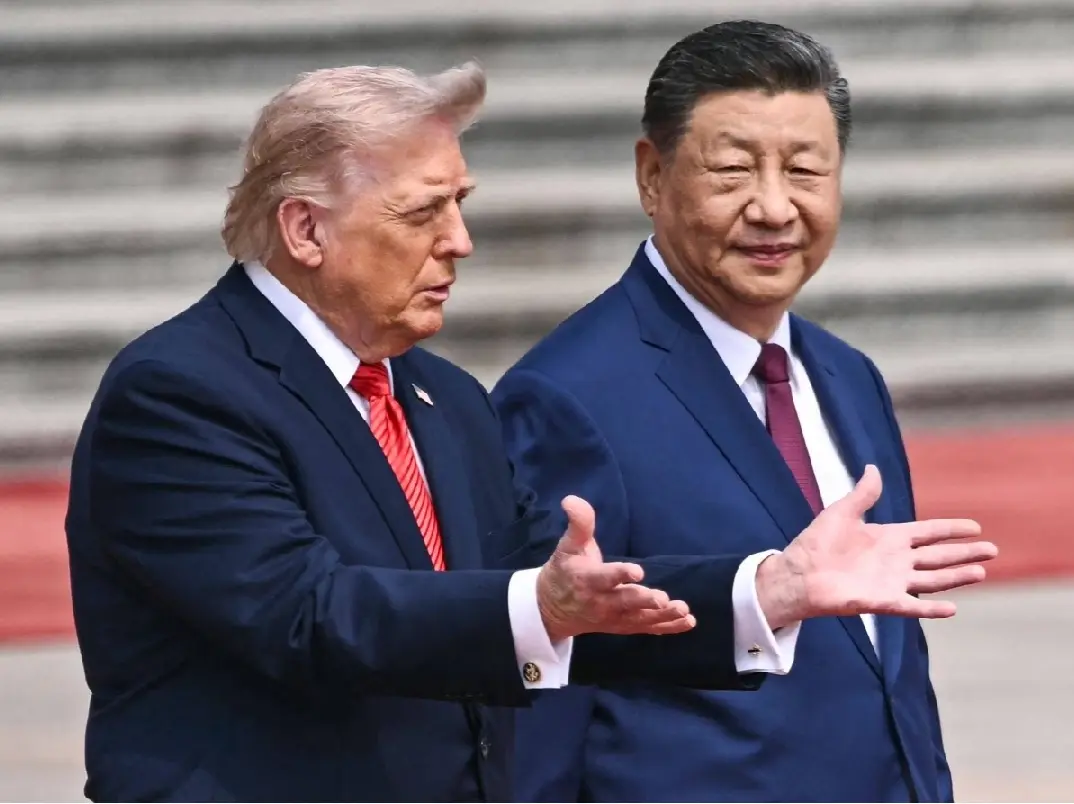
Bessent meets China’s He Lifeng to prepare for Trump-Xi summit
)
US and China vie for AI dominance as calls grow for regulation | Gravitas
)
FIFA chief Infantino wants to reform governing body with consultation from federations
)
The Verdict | The Mecca Agreement is under scrutiny as Houthis attack Saudis
)
India at UNGA81: Jaishankar warns global order under 'growing stress', pushes for ‘reformed multilateralism’
)
Saudi Arabia exits China-led mBridge digital currency platform amid Saudi-Houthi conflict
)
'Lot of things to learn from experienced players': Jayasuriya backs Rohit, Virat for 2027 ODI World Cup
)
$110 billion Warner Bros merger: Paramount reaches settlement with 12 US states
)
Mahabharat actor Saurav Gurjar arrested in Hyderabad, sent to 14-day judicial custody in sexual exploitation case
&im=FitAndFill=(700,400))
New OTT releases this week (September 21-27, 2026): Shaque: Trust No One, Hunkkaar, Don’t Be Shy- 5 new titles coming to Netflix, Prime Video and more
)
From ‘communist’ to ‘great mayor’: Trump praises Mamdani after New York meeting, discusses immigration and housing
)
Report: Zelensky meets CIA chief Ratcliffe at Shannon airport, weeks after his secret Moscow trip
)
WATCH | Mysterious lights over Tehran caught on video. Drone, aircraft or something else?
)
White House TV pool halts Trump coverage after CNN barred from UNGA events
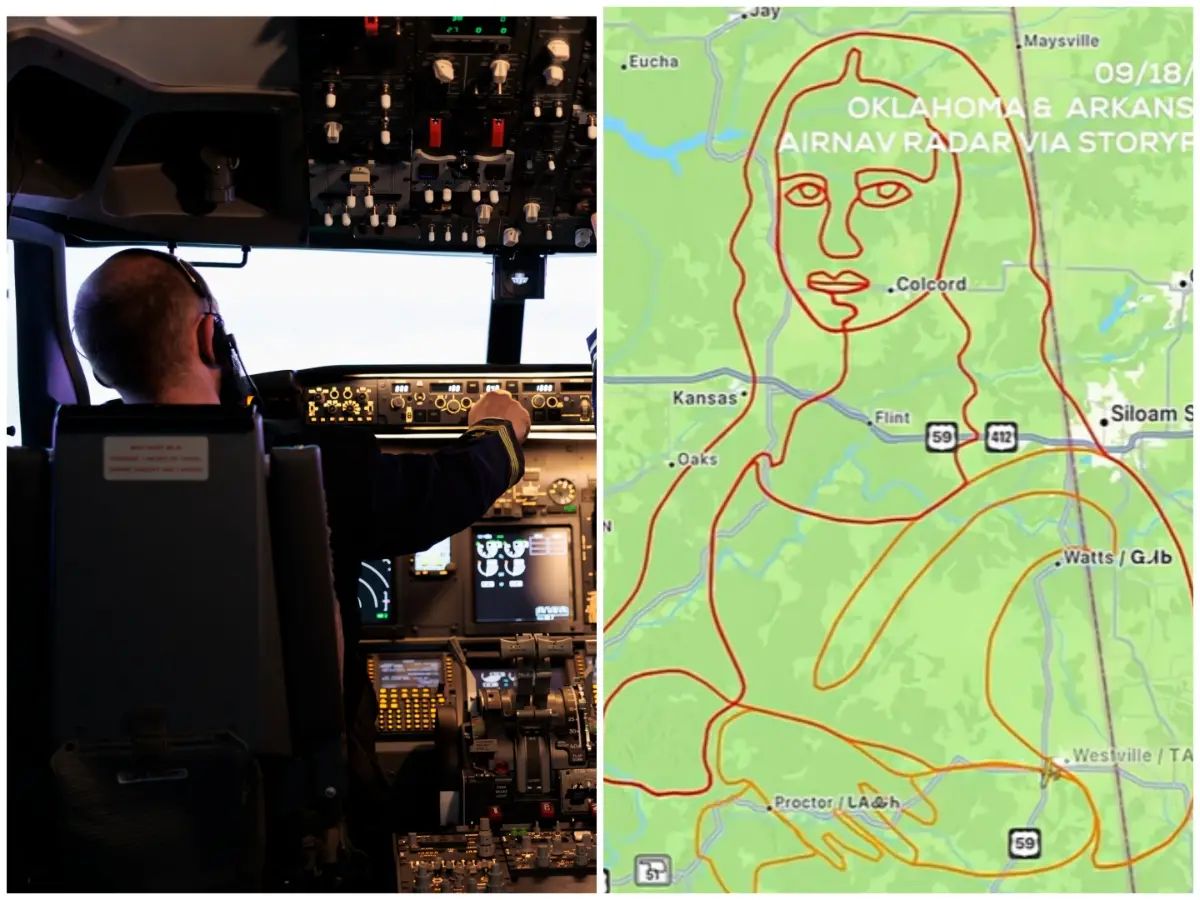)
Pilot recreates Mona Lisa in sky over Oklahoma and Arkansas in four-hour flight: VIDEO
)
UK PM Burnham agrees to 'defensive' military support for Saudi Arabia against Houthis
)
Jailer 2: Vidya Balan joins Rajinikanth's upcoming film as Kantha | Watch
)
Microsoft executive called AI training the ‘largest theft of labour in human history’
)
IIT Bombay student death: CCTV footage becomes key evidence as police reconstruct Sahil Wakode's final hours
)
40-foot waves crash into cruise ship in dangerous stretch near Antarctica. Watch
)
US-Iran war, peace deals and more: What to expect from Trump's UNGA 2026 speech
)
Explainer: Why rare-earth export licences and Board of Trade are US priorities ahead of Trump-Xi summit
)
BTS fans mock iHeartRadio’s day 2 turnout after short set controversy
)
The Scandal: Why so scandalous? Ji Chang Wook leaves you gasping for air
Researchers pose that this behaviour may be similar to that observed in "non-human animals" like flashing fireflies, chorusing crickets and frogs. In such species, the "simultaneous cooperation and competition is manifest in rhythmically coordinated communal displays produced by groups of males to attract female mates," write the researchers.
They further say that such displays "can be a side effect of sexually motivated competition, whereby individual males produce earlier or more intense signals that mask rival signals."
But do the girls like it?
Apparently they do. For the purpose of this research, male and female listeners were given recordings of an all-male choir. These recordings were from shows where the audience was all male, and another where female members were in the audience.
Also read |'Hundreds' of girls fell victim to AI-generated deepfake porn images,saysa victim'smother
Listeners either reported which audio they believed had this mating call behaviour, or which one they preferred. It was found that while male listeners could "eavesdrop" on the behaviour, female listeners were both sensitive to it and also displayed a preference for it.
"It's really subtle and probably something that's subconscious," said Peter Keller, one of the authors behind this research while talking to The Guardian.
"The boys' singing sounds more brilliant and has a more attractive, ringing quality when girls are in the audience, but it is subtle," said Keller, a professor of neuroscience at Aarhus University in Denmark.
(With inputs from agencies)

