'Cosmic burger': NASA's James Webb telescope clicks 'hamburger' in space

NASA
When our solar system formed, the Sun was the first to form out of clumps of gaseous clouds that came together, collapsed under their own gravity and eventually kickstarted nuclear fusion as more and more material 'fell' into the still-forming Sun. After the Sun was formed, the remaining material was still revolving around it. This 'protoplanetary' disc eventually gave rise to planets.
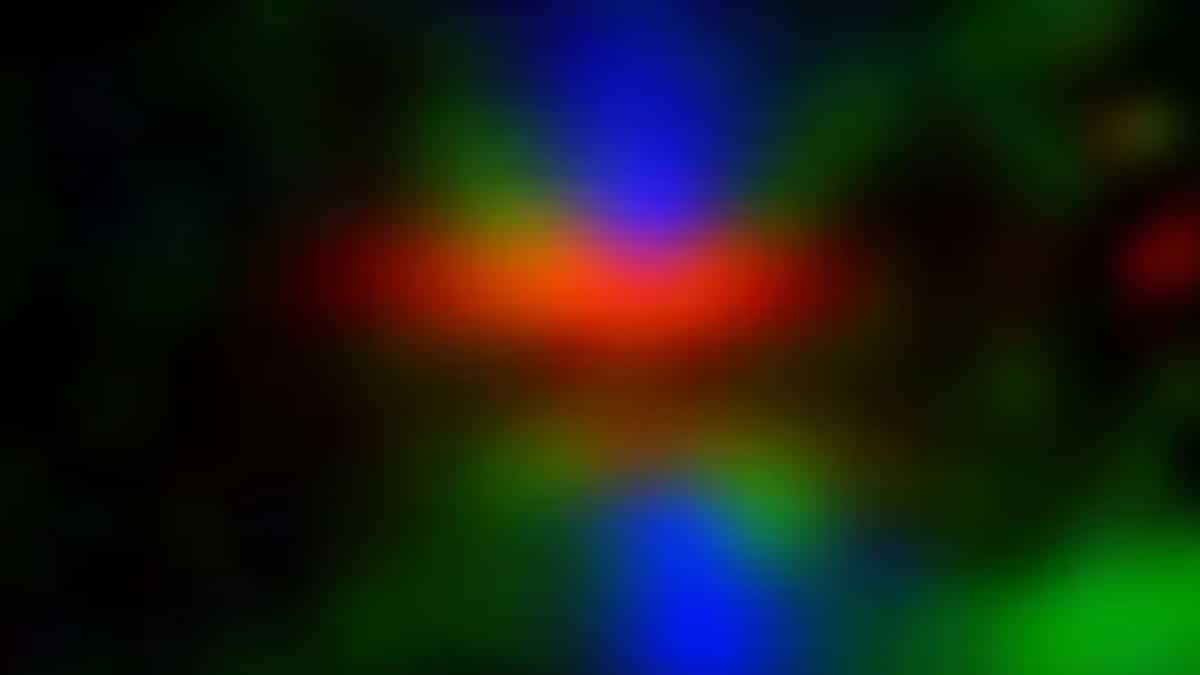
Researchers have used the James Webb Space Telescope (JWST) to click a space 'hamburger'. In a layman terms, this is the very first ice map of a protoplanetary disc around a young star.
Why study protoplanetary discs?

The protoplanetary disc around a young star can contain many elements. As reported in Space[dot]com, presence of ice in the protoplanetary disc helps matter clump together. This may in turn, help formation of planets or even comets around the star. Study of protoplanetary discs can reveal a lot about formation of our solar system and models of planet formation.
Watch | NASA satellites discover a 6-planet in-sync solar system
)
Mushtaq Khan dies at 56: When Welcome actor opened up about his salary for iconic role Ballu
)
Hawaii braces for Hurricane Nolo: NOAA warns of flash flooding and mudslides
)
Bangkok declares flood disaster as heavy rain submerges roads and homes
)
US Supreme Court backs Trump administration's use of SAVE database to check voter citizenship
)
Outrage erupts after 3-year-old is married to 60-year-old man in Pakistan, link to her sister's murder being probed
)
Donald Trump shares image of Xi's arrival in Washington, carries signs of AI
)
Pakistan deploys over 20,000 security personnel as PTI vows march for Imran Khan's release
)
Anthropic says Claude found a new gene-editing enzyme but science isn't confirmed
)
Farhan, who went viral for AK47 celebration vs India in Asia Cup, hopes to lead Pakistan beyond Asian Games
)
Prince Harry offers rare glimpse into Archie and Lilibet’s life after UK move
)
OpenAI AI Agents hacked 4 websites before Hugging Face, researchers reveal
&im=FitAndFill=(700,400))
New Friday OTT releases (September 25, 2026): Don’t Be Shy, Hunkkaar: The Roar, Mango Pachcha- 6 movies and TV shows on Netflix, Prime Video and more
)
Asian Games 2026: India face Afghanistan in quarterfinal on Sep 28; Pakistan clash with Hong Kong
)
‘Attack on Mecca a red line for Pakistan’: Shehbaz Sharif warns Houthis at UN
)
Death toll rises to 64 in Indonesia's Java Sea ferry incident; 71 still missing
)
‘I rejected it’: Trump confirms turning down Iran’s proposal to reopen Hormuz, claims Tehran is losing ‘badly’
)
Nigeria Navy moves to boost oil security, tackle crude theft and infrastructure threats
)
Indian diplomat Petal Gahlot raises deteriorating situation in Pakistan-occupied Kashmir in right of reply at UN
)
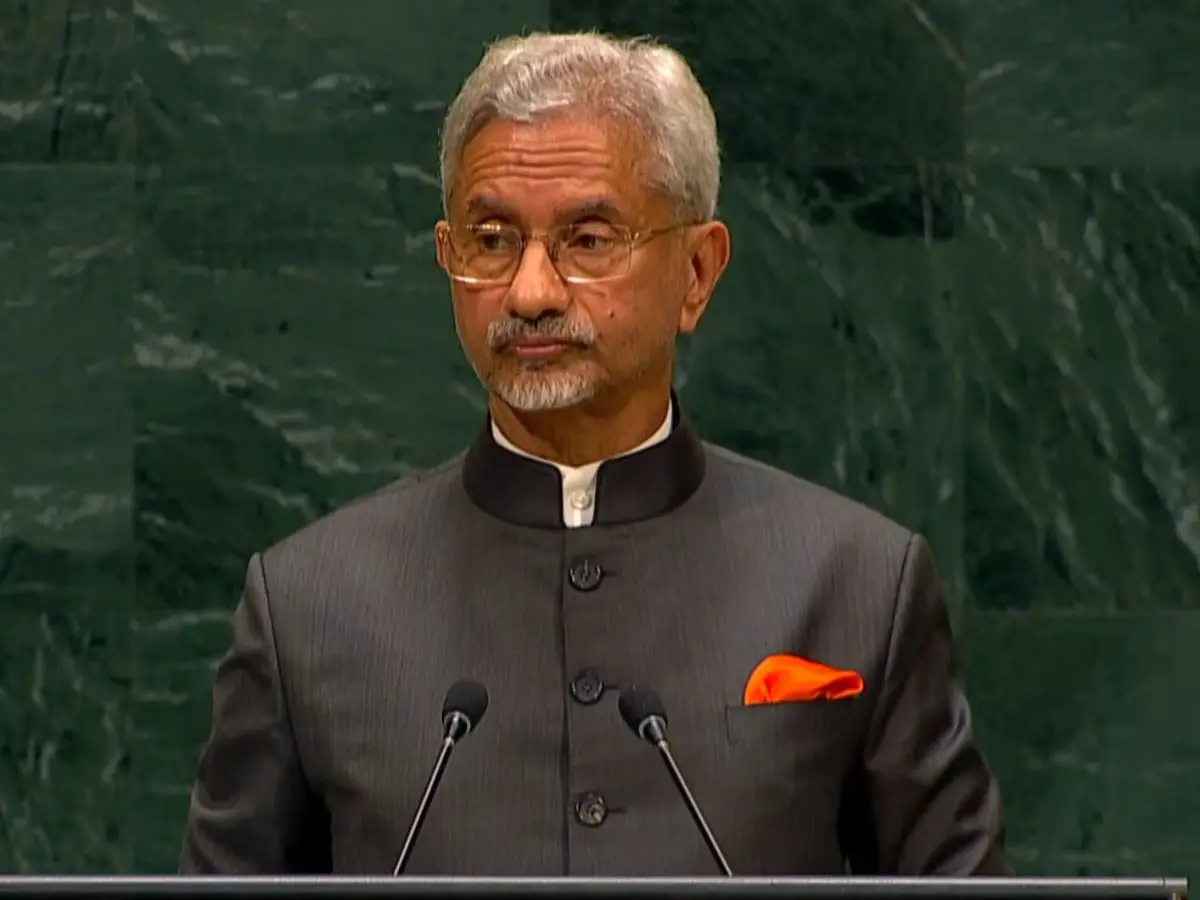
'Countries far from conflict are penalised': Jaishankar calls for Gulf peace, seafarer safety at UN
)
Scientists detect first radio signals directly from faraway planet
)
‘It is all possible’: Putin weighs next steps on Ukraine talks, rules out Europe conflict
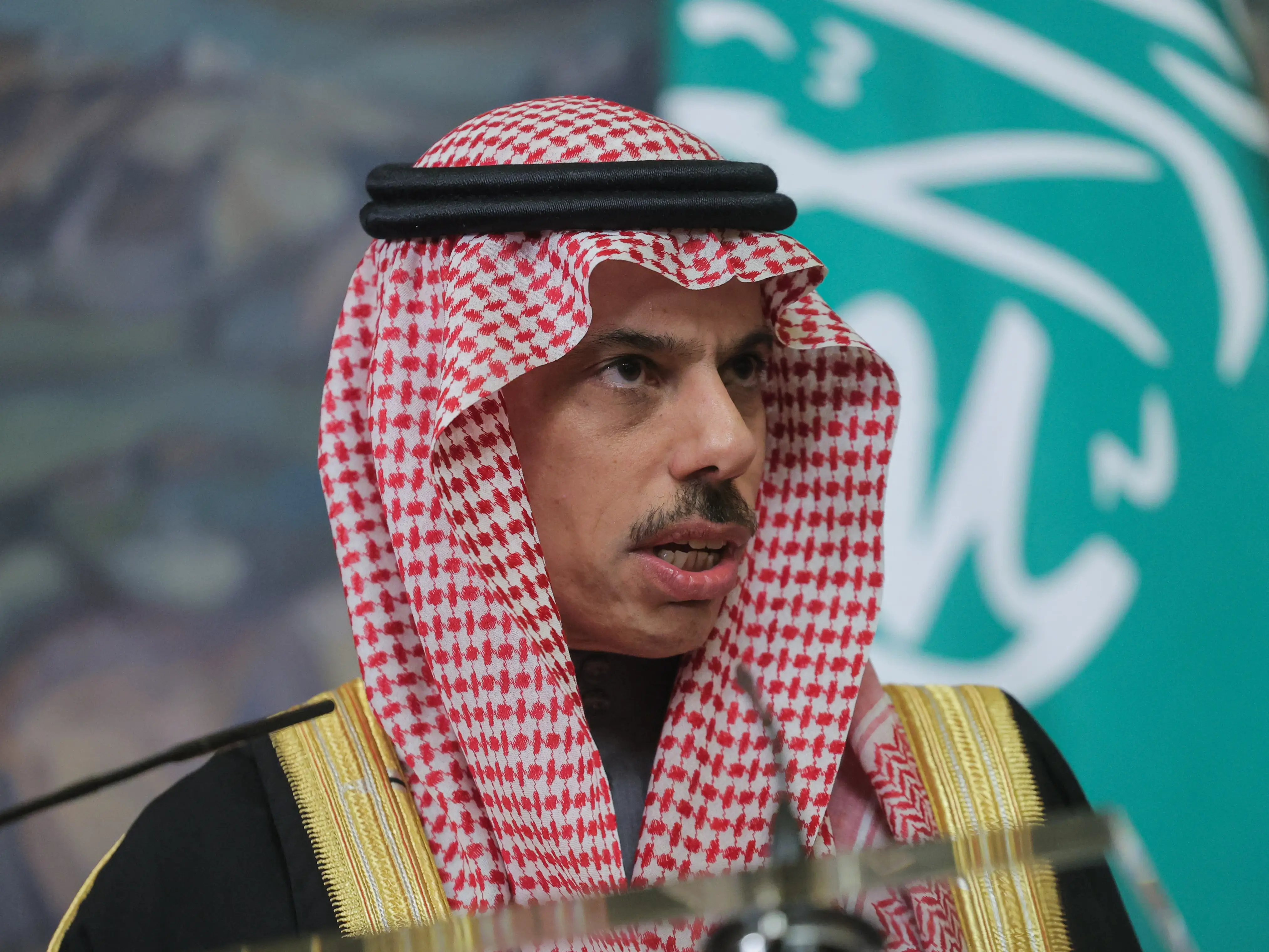)
Global community 'absent' in Gulf crisis: Saudi at UN calls for freedom of navigation, pre war status for Hormuz
)
The Paradise: Nani reacts to mixed reviews from critics and audience; ‘I have also learnt from the flaws’
)
Trump rejects Iran's 7-day ceasefire proposal as US weighs renewed bombing after midterms: Report
)
Gaza's war turned environmental damage into second crisis
)
Trump-Xi summit wrap: Big pageantry, Iran talks, few major developments and more meetings planned
)
'What kind of confession is this?': Pakistan PM Shehbaz Sharif’s 'terrorists would be roaming New York' remark goes viral, raises alarm online. Watch
)
Manchester City found guilty: Premier League delivers its verdict on the FFP charges
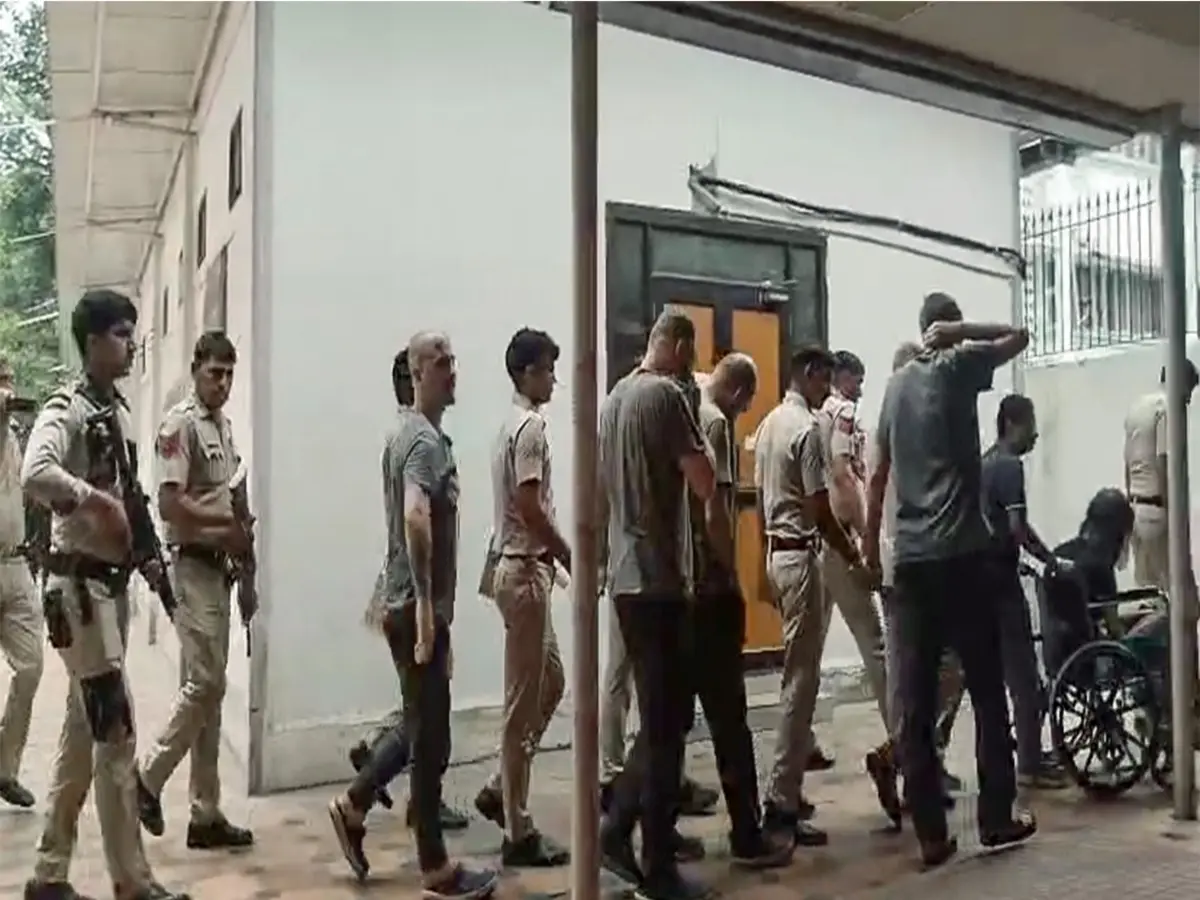)
Myanmar training camp case: US national, 6 Ukrainians allowed to meet their families abroad
)
'FIRST LOOK from inside Noah’s Ark': Researchers share video from inside mysterious mound in Turkey
)
Cindy Crawford’s son Presley Gerber cremated as death probe continues
)
WATCH | As Shehbaz Sharif claims Pakistan’s ‘victory’ during 2025 conflict, Indian diplomat R Srinivas laughs at UN
)
'A terrorist country is asking me that question?': Jaishankar hits back at Pakistani journalist at UN; flags attacks on commercial shipping
)
Russia will achieve Ukraine war aims; Europe doing everything to block peace talks: Lavrov at UN
)
‘Serial practitioner of terrorism’: Jaishankar calls out Pakistan’s ‘state-sponsored’ terror at UNGA
)
US court backs Pentagon's decision to exclude Anthropic over Claude AI restrictions
Making an ice-map of a protoplanetary disc using a telescope from Earth is very tough due to obstruction created by our water-molecule-loaded atmosphere. But from space, and with the help of a super-powerful telescope like JWST, what's impossibile soon ceases to remain impossible.
The team of researchers led by Ardjan Sturm, a scientist from Leiden University in the Netherlands, pointed JWST at a young star designated as HH 48 NE. It is 600 light-years away from us.
Also Read | A strange star near Milky Way's black hole may have extra-galactic origin: Study
As the star passed through the protoplanetary disc, its light was filtered through the dust, ice and other material containing a variety of elements. Now each element absorbs and emits light in specific way, giving rise to somewhat of a 'signature' of that element. And by observing the spectrum, a picture can be 'painted' about what elements might be present in whatever the light is passing through.
Watch | Rare, elusive 'red sprite' snapped: Astronaut captures unique view from ISS
"The direct mapping of ice in a planet-forming disk provides important input for modeling studies that help to better understand the formation of our Earth, other planets in our Solar System and around other stars. With those observations, we can now begin to make firmer statements about the physics and chemistry of star and planet formation," said Ardjan Sturm, the lead author of the study as quoted on the website of Leiden University.
The image prepared by analysing the spetra resembles a hamburger complete with brown buns, green lettuce and more.
(With inputs from agencies)