Netanyahu says overthrowing Iran’s regime is ‘well within reach’ | RTP

&imwidth=600&imheight=450&format=webp&quality=medium "Netanyahu says overthrowing Iran’s regime is ‘well within reach’ | RTP")
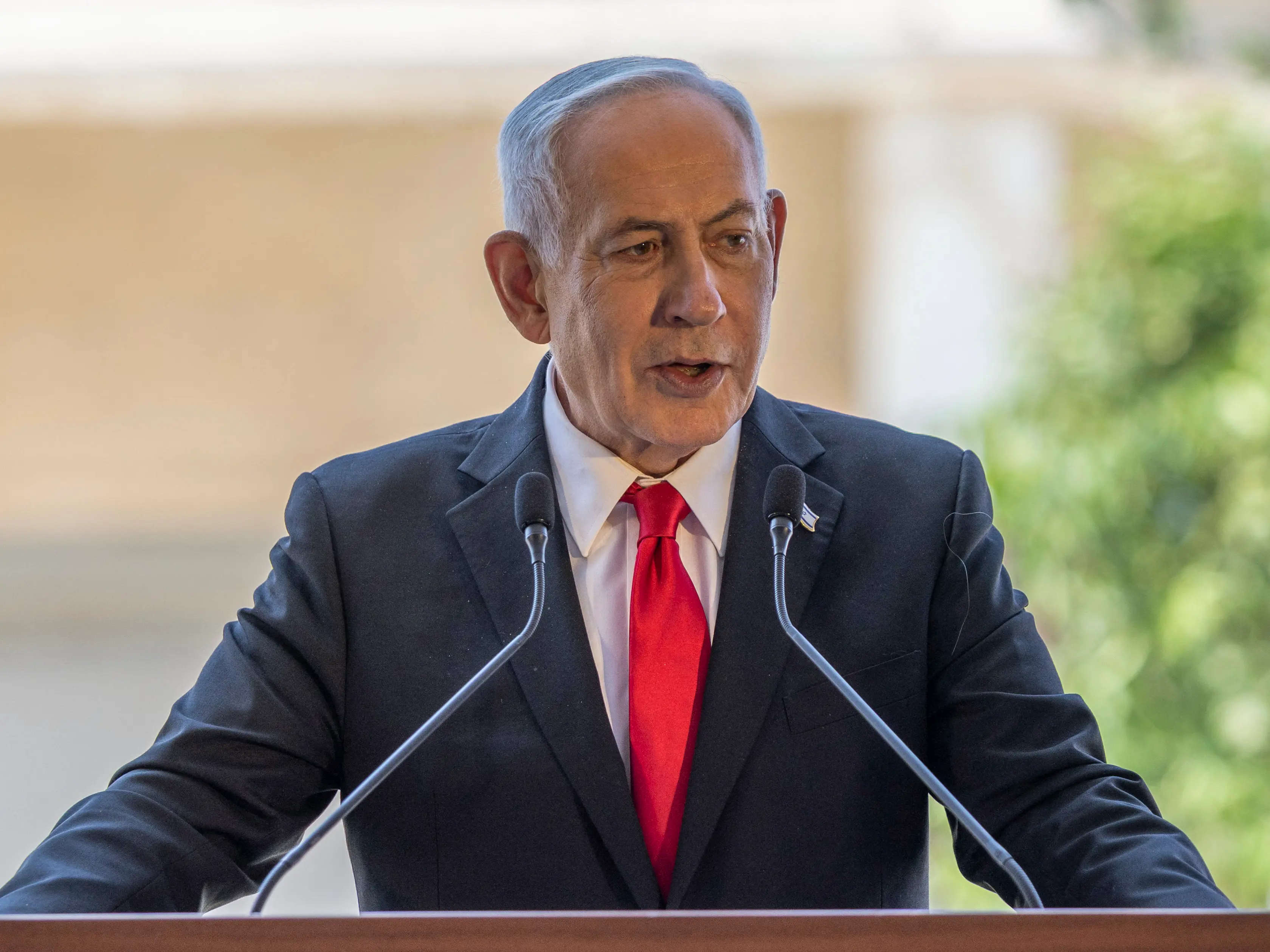
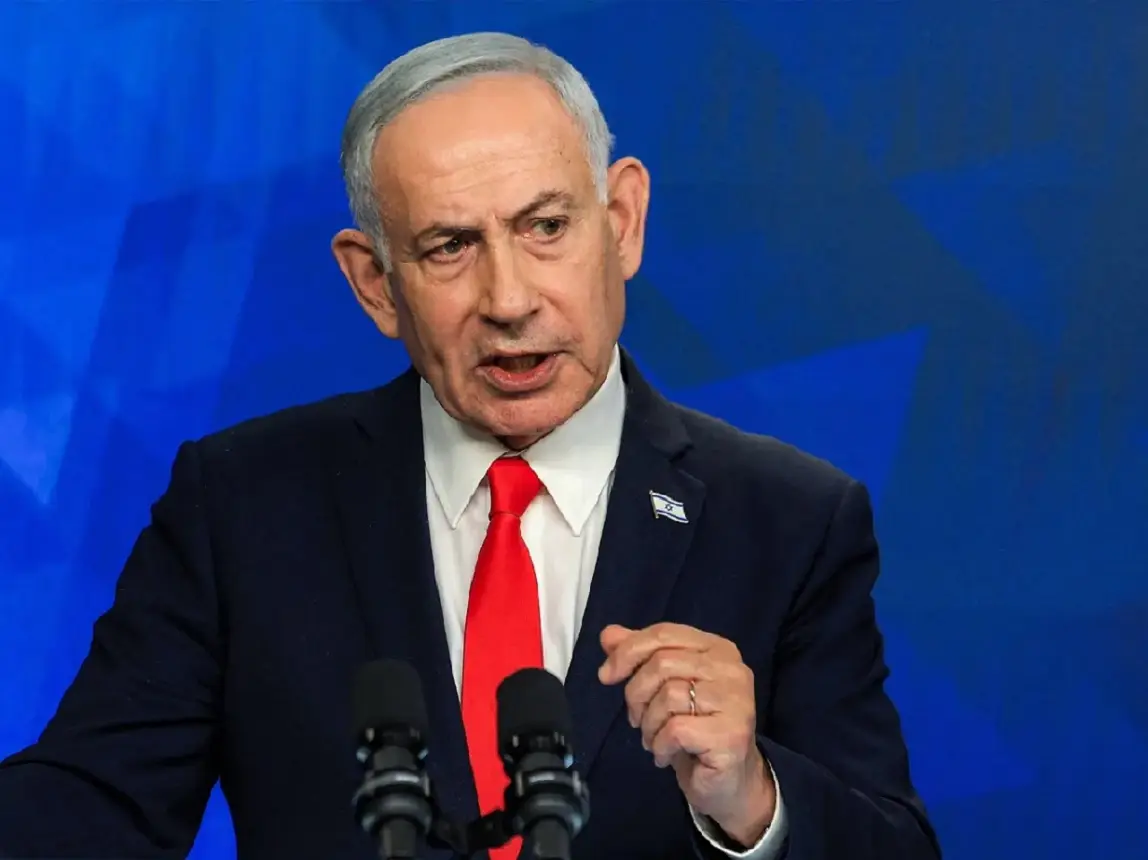
Israeli Prime Minister Benjamin Netanyahu. Photograph: (AFP)
Benjamin Netanyahu has renewed his call for regime change in Iran, saying the Islamic Republic is weaker than ever and that overthrowing its leadership is now “well within reach.”
Israeli Prime Minister Benjamin Netanyahu has once again said that regime change in Iran is achievable. He said the main objective of his foreign policy right now is regime change, and that in his opinion, the goal is achievable in the foreseeable future.
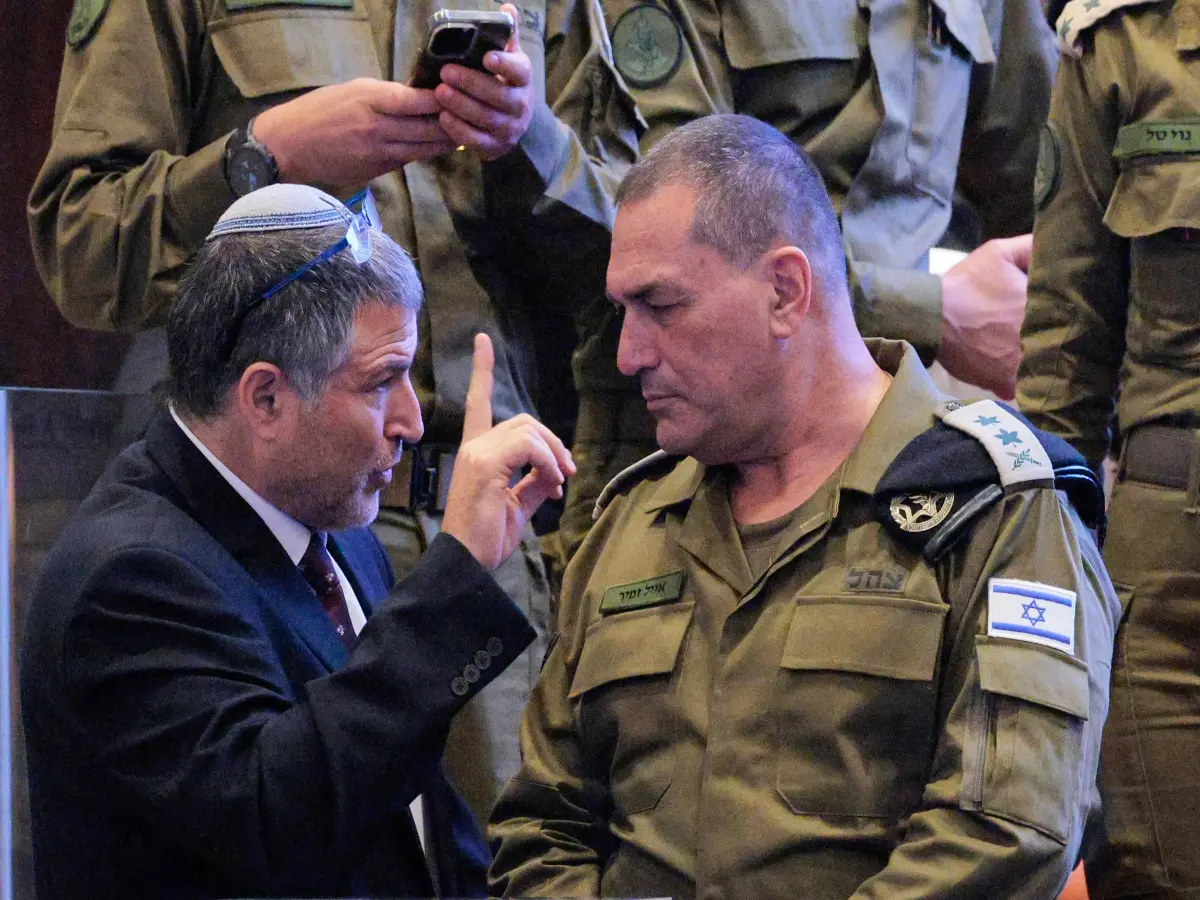
PM Netanyahu made this statement at a meeting which was attended by Defence Minister Israel Katz, Israeli Army Chief of General Staff Eyal Zamir, and the country's military leadership, days before Israelis celebrate New Year.
Netanyahu's office released a statement, stating, "I am convinced of our ability to eliminate this threat once and for all. That is, to overthrow this regime. This is the main goal, but its achievement is already near. It is not impossible. It is well within reach."
According to the Israeli Prime Minister, the Islamic Republic is currently "weaker than ever" and "fighting for survival." A video released in Hebrew on X, has Netanyahu saying, quote: "I say to our enemies: Don't mess with us." He also added that Israel has the strength, determination and internal unity.
The statement comes ahead of the October elections in Israel, where Benjamin Netanyahu is facing a challenge from Gadi Eisenkot. On his X handle, Netanyahu posted an AI-generated video with New York Mayor Zohran Mamdani, and the Palestinian and Turkish leaders eagerly waiting for his defeat. The caption says, quote: Israel's enemies want Netanyahu to fall. We must not let them win.
Remember, this is not the first time that PM Netanyahu has made such a statement. In May this year, during an interview with CBS Channel, he said that "It's possible to topple the Iranian regime, but it's not guaranteed."
Trending Stories
&imwidth=280&imheight=210&format=webp&quality=medium)
&imwidth=280&imheight=210&format=webp&quality=medium)
&imwidth=280&imheight=210&format=webp&quality=medium)
&imwidth=280&imheight=210&format=webp&quality=medium)
&imwidth=280&imheight=210&format=webp&quality=medium)
&imwidth=280&imheight=210&format=webp&quality=medium)
&im=FitAndFill=(700,400)&imwidth=280&imheight=210&format=webp&quality=medium)
&imwidth=280&imheight=210&format=webp&quality=medium)
&imwidth=280&imheight=210&format=webp&quality=medium)
&imwidth=280&imheight=210&format=webp&quality=medium)
&imwidth=280&imheight=210&format=webp&quality=medium)
&im=FitAndFill=(700,400)&imwidth=280&imheight=210&format=webp&quality=medium)
&imwidth=280&imheight=210&format=webp&quality=medium)
&imwidth=280&imheight=210&format=webp&quality=medium)
&imwidth=280&imheight=210&format=webp&quality=medium)
&imwidth=280&imheight=210&format=webp&quality=medium)
&imwidth=280&imheight=210&format=webp&quality=medium)
&im=FitAndFill=(700,400)&imwidth=280&imheight=210&format=webp&quality=medium)
&im=FitAndFill=(700,400)&imwidth=280&imheight=210&format=webp&quality=medium)
&imwidth=280&imheight=210&format=webp&quality=medium)
&imwidth=280&imheight=210&format=webp&quality=medium)
&imwidth=280&imheight=210&format=webp&quality=medium)
&imwidth=280&imheight=210&format=webp&quality=medium)
&imwidth=280&imheight=210&format=webp&quality=medium)
&imwidth=280&imheight=210&format=webp&quality=medium)
&im=FitAndFill=(700,400)&imwidth=280&imheight=210&format=webp&quality=medium)
&imwidth=280&imheight=210&format=webp&quality=medium)
&imwidth=280&imheight=210&format=webp&quality=medium)
&imwidth=280&imheight=210&format=webp&quality=medium)
&imwidth=280&imheight=210&format=webp&quality=medium)
&imwidth=280&imheight=210&format=webp&quality=medium)
&imwidth=280&imheight=210&format=webp&quality=medium)
&imwidth=280&imheight=210&format=webp&quality=medium)
&imwidth=280&imheight=210&format=webp&quality=medium)
Before this, in March this year, the Jerusalem Post had reported that Mossad chief David Barnea told Israel’s cabinet before the war with Iran that regime change in Tehran was possible, but would most likely take around one year, not just days or weeks.
According to the Jerusalem Post, Barnea presented multiple scenarios to Israeli leaders on the eve of war, with some suggesting a few months, but a one-year timeframe was considered the most likely estimate.
In contrast to the initial days of the war, when Trump and Netanyahu had pushed for regime change, the last few months have seen a backtracking on this demand, and more emphasis on denuclearisation of Iran.
However, both PM Netanyahu and President Trump have renewed calls for a regime change now, urging Iranians to stand up against their leadership.
On September 2, Trump told the press that Iranians aren't protesting because they know they will be shot.
The question now is: Are both leaders anticipating something favourable soon, or are these pressure tactics to reach a peace deal sooner, the American way?