Trump isn't on the ballot, but his presidency is | The Verdict

&imwidth=600&imheight=450&format=webp&quality=medium "Trump isn't on the ballot, but his presidency is | The Verdict")
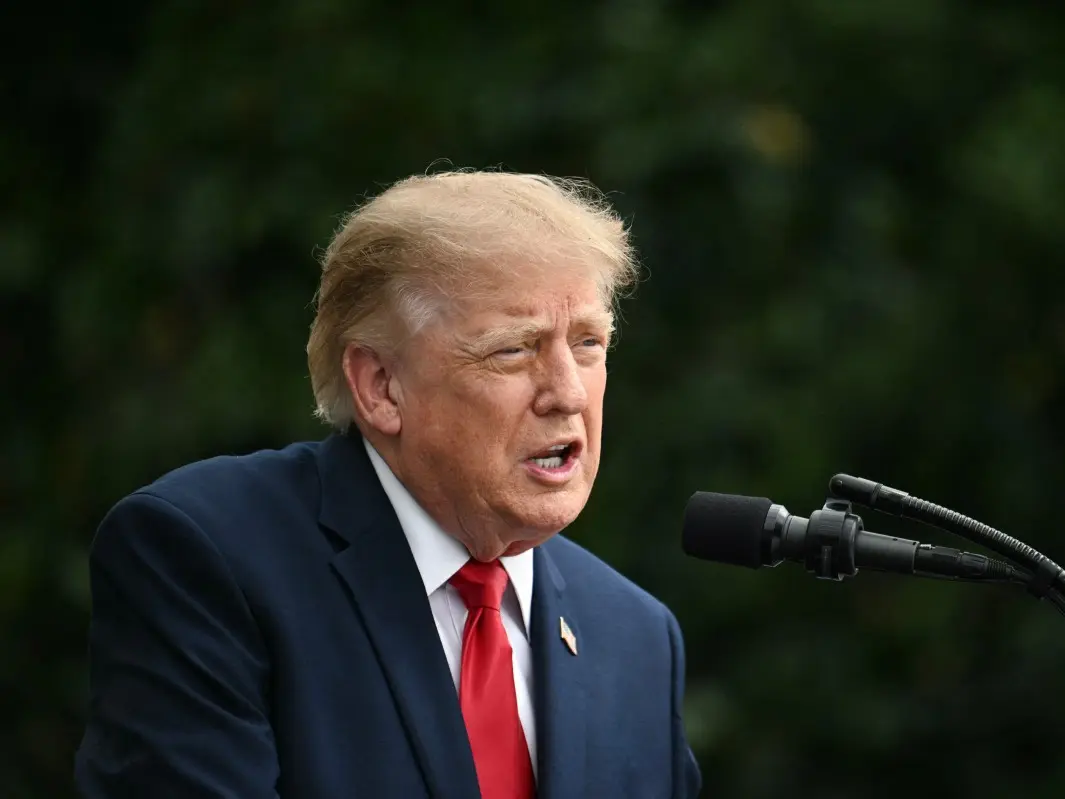
US President Donald Trump. Photograph: (AFP)
Donald Trump may not be on the 2026 midterm ballot, but his Iran war, political record, media confrontation and weakening approval ratings are increasingly shaping the battle for control of Congress.
Donald Trump insists the midterm elections do not enter his thinking. But with November approaching, the political pressure surrounding his presidency is becoming increasingly difficult to separate from the war in Iran, divisions within the Republican Party, his confrontation with the media and deteriorating poll numbers.
Perhaps the most significant warning is coming from inside his own party.
Republican lawmakers have increasingly shown a willingness to challenge the president, particularly over the Iran war. Some have backed congressional efforts to restrain his war powers, while vulnerable Republicans have also distanced themselves from administration positions on issues ranging from immigration to trade.
For a president who has exercised extraordinary influence over the Republican Party, even limited defections matter.
Then there is Iran.
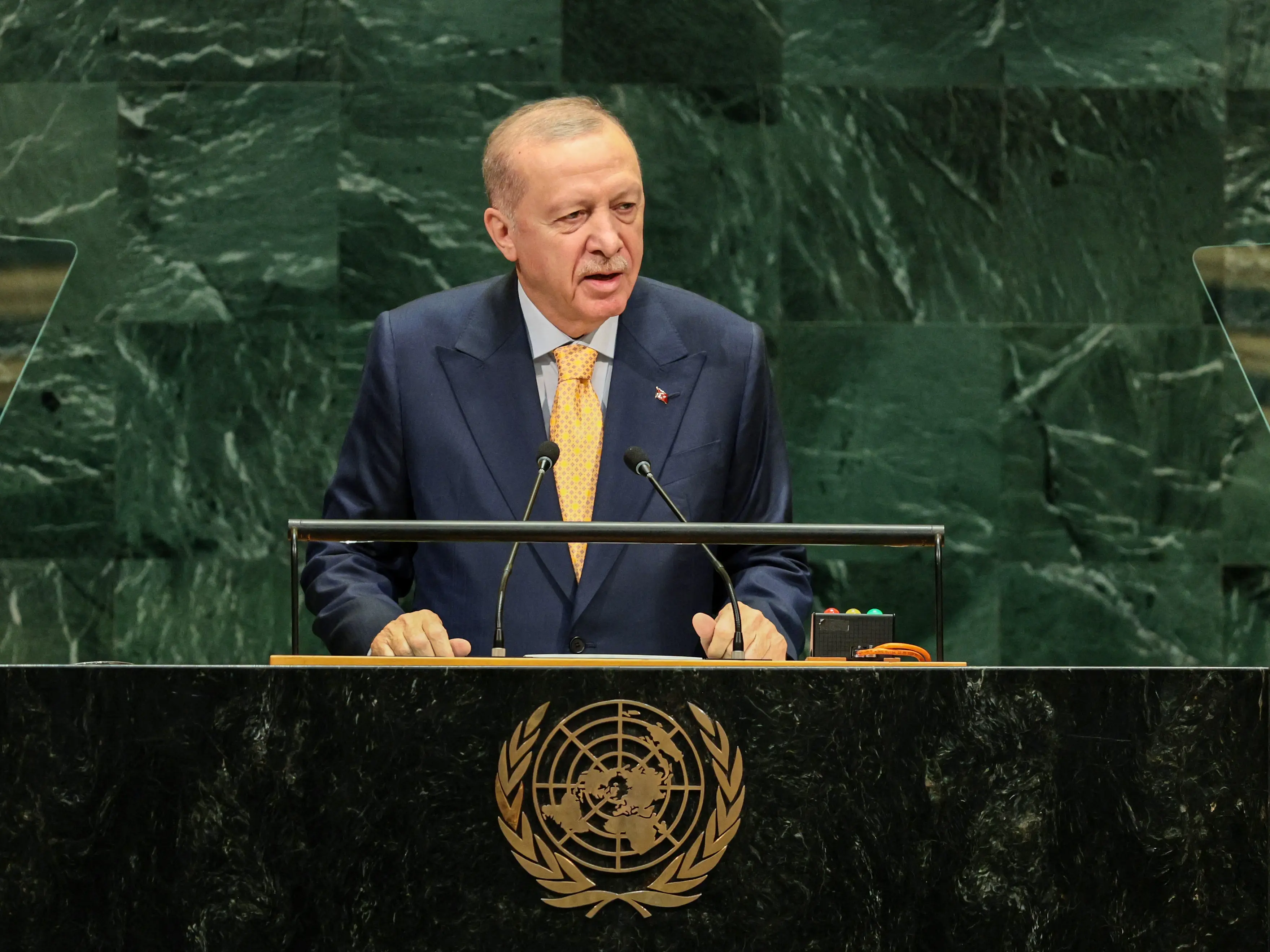
Addressing the United Nations General Assembly, Trump argued that Tehran could be waiting for America's midterm elections before reaching an agreement.
Trending Stories
)
)
)
)
)
)
)
)
)
)
)
)
)
)
)
)
)
)
)
)
)
&im=FitAndFill=(700,400))
)
)
)
)
)
)
&im=FitAndFill=(700,400))
)
)
)
)
)
)
)
)
"We'll make a deal right after the election," Trump said, before stressing that he himself is not running.
That distinction may be technically correct. Politically, it is much harder to make.
Trump has placed himself at the centre of the Republican campaign. At the party's Dallas convention, he defended the Iran war, urged supporters to vote as though he were on the ballot and promised Americans a $5,000 "Trump dividend" if Republicans retained their congressional majorities.
The convention was designed as a demonstration of political strength.
But it also illustrated the degree to which Republican fortunes remain tied to one man who cannot personally appear on another presidential ballot.
Then came another confrontation — this time with the media.
Trump barred CNN, MS NOW and Politico from the White House, accusing them of dishonest reporting. The organisations responded with a lawsuit arguing that the restrictions violate First Amendment protections.
The spectacle at the United Nations was striking: journalists barred from the White House were still able to question the American president after receiving credentials from the UN.
Trump can restrict access to the White House.
Controlling the wider political conversation is considerably more difficult.
And then there are the numbers.
A Reuters/Ipsos survey conducted September 17-20 put Trump's approval rating at 32 per cent among American adults — the lowest level recorded by Reuters/Ipsos across his first and second presidencies. His approval among Republicans stood at 73 per cent, down from 86 per cent in January.
A Marist survey released this week found 53 per cent of registered voters saying they were more likely to support the Democratic congressional candidate in their district, compared with 41 per cent supporting the Republican.
Perhaps even more revealing, 45 per cent described their congressional vote primarily as a vote against Trump. Only 24 per cent described theirs primarily as a vote for him.
Those figures do not determine what will happen in November. Congressional elections are decided district by district and state by state, and control of the House and Senate remains dependent on individual races.
But they explain why Republicans are paying attention.
If Democrats gain control of the House, Trump's final two years could look markedly different.
A hostile chamber could bring investigations, subpoenas, hearings and legislative gridlock.
Republicans would also lose an important institutional shield around the White House.
That may be the larger political danger confronting Trump.
Not simply losing seats.
Losing control of Washington's agenda.
The president says he is not running in November.
He doesn't need to be.
His war, his economic record, his political movement and his second-term agenda are already being judged alongside the candidates who are.
And that may explain why an election Trump says does not enter his mind increasingly hangs over almost everything his presidency does. The underlying numbers there are sourced to Reuters/Ipsos and Marist; Cook's latest battleground polling also found Democrats at 49% and Republicans at 47% specifically in competitive House districts, including districts Trump carried by an average of five points in 2024.
Trump's UN remarks likewise explicitly connected a possible Iran deal with the period after the election while saying the election itself would not influence his Iran decisions.