

&imwidth=800&imheight=600&format=webp&quality=medium "Trump 2.0: At home and abroad, doubts over the president’s sanity")
Just nine days after President Donald Trump announced in a pre-dawn social media post that America had attacked Iran, the president said: “We have already won in many ways.”
Two days later, at a campaign rally in Kentucky: “We won in the first hour.” By the end of March, there were several additional declarations of victory, including “We won. The war is over.”
Fifty days after the February 28 war announcement, the only place where the war is actually over, and peace is near, is in the alternative universe inhabited by Trump.
On April 18, four days before a fragile two-week ceasefire was to end, Iran closed the Strait of Hormuz just a day after having declared it open to traffic. Iranian state media declared the U.S. had failed to hold up its end of the bargain by blockading Iranian ports.
How the present stalemate will be resolved is anyone’s guess, but it confirms that the American war of choice, dubbed Operation Epic Fury by Washington, would better be called Operation Epic Miscalculation.
Trump’s repeated claims of victory are based on the fact that the American attack killed Iran’s Supreme Leader and the top tier of the Iranian government on the first day and damaged or destroyed dozens of missile factories and industrial; installations.
Trending Stories
&imwidth=180&imheight=135&format=webp&quality=medium)
Zohran Mamdani's Garba dance goes viral as he joins Indian community's Navratri celebrations | WATCH
&imwidth=180&imheight=135&format=webp&quality=medium)
India-US ties: Marco Rubio seeks India's oil & energy co-operation Ad Ad options Learn more
&imwidth=180&imheight=135&format=webp&quality=medium)
SBI confirms data breach: 3,897 records flagged on dark web. Is your money safe?
&imwidth=180&imheight=135&format=webp&quality=medium)
Man marries off wife of 17 years to her lover in Uttar Pradesh
&imwidth=180&imheight=135&format=webp&quality=medium)
Boeing 737 MAX10 gets FAA certification, deliveries expected to begin in 2027
&imwidth=180&imheight=135&format=webp&quality=medium)
Shastri backs Shami comeback; lauds Bhuvi and warns Bumrah on format workload ahead of World Cup
&imwidth=180&imheight=135&format=webp&quality=medium)
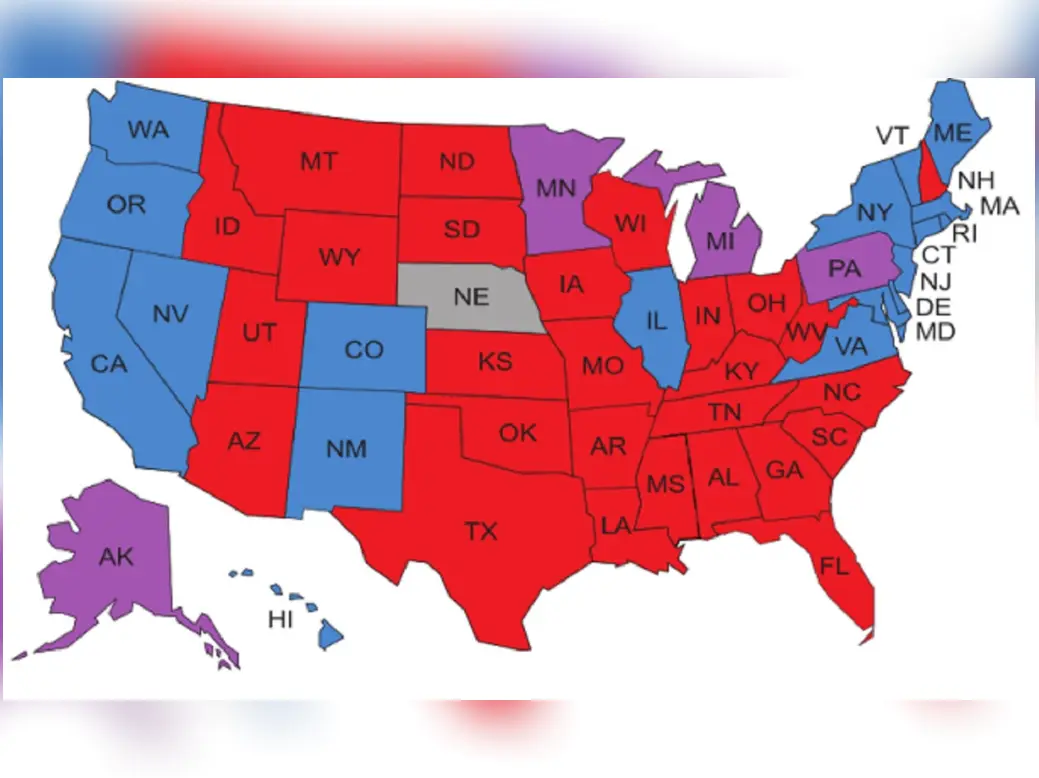
US midterms 2026: Red seats once deemed safe now appear shaky as Republicans spend big on ads
&imwidth=180&imheight=135&format=webp&quality=medium)
'Tap dancing through a minefield': Musk backs SpaceX-Tesla merger as AI boom fuels rocket firm's first profit
&imwidth=180&imheight=135&format=webp&quality=medium)
Dandiya Nite ’26: Indian High Commissioner hails diaspora as bridge between India and Nigeria
&imwidth=180&imheight=135&format=webp&quality=medium)
Trump says Ilhan Omar 'could go to jail' amid federal probe, calls Somalia a 's***house'
&imwidth=180&imheight=135&format=webp&quality=medium)
Punjab CM Bhagwant Mann allegedly detained for three hours at Delhi airport, fined ₹50,000: AAP
&imwidth=180&imheight=135&format=webp&quality=medium)
What the Mecca Joint Defence Agreement says about withdrawal and military support. Read full text of the pact here
&imwidth=180&imheight=135&format=webp&quality=medium)
Musk ordered Starlink restrictions that caught Ukraine off guard amid escalating tensions: Report
&imwidth=180&imheight=135&format=webp&quality=medium)
India vs New Zealand T20I Series 2026: Complete schedule, match timings, squads and live streaming details
&imwidth=180&imheight=135&format=webp&quality=medium)
Trump calls Le Pen France’s ‘conservative voice’ after riots, but holds back on endorsement
&imwidth=180&imheight=135&format=webp&quality=medium)
Trump considers removing White House press corps to restore historic indoor swimming pool
&imwidth=180&imheight=135&format=webp&quality=medium)
Ukrainian soldier rescued by a drone chopped off own leg while hiding for 491 days
&imwidth=180&imheight=135&format=webp&quality=medium)
US-Iran war | Tehran: Must end port blockade, oil sanctions and regional attacks
&im=FitAndFill=(700,400)&imwidth=180&imheight=135&format=webp&quality=medium)
Priyanka Chopra to Shilpa Shetty: 6 Bollywood actresses and their fitness secrets
&imwidth=180&imheight=135&format=webp&quality=medium)
'US will never part with niche technology' former IAF assistant chief on India's fighter jet ambitions
&imwidth=180&imheight=135&format=webp&quality=medium)
Pujara says 'Samson and Vaibhav cannot be in Playing XI' for India on NZ tour
&imwidth=180&imheight=135&format=webp&quality=medium)
'What's wrong with you? Are you a sick person?': Trump at it again as he snaps at reporters, faces backlash
&imwidth=180&imheight=135&format=webp&quality=medium)
Over 100 US lawmakers urge FBI to probe foiled Hindu temple shooting as hate crime
&im=FitAndFill=(700,400)&imwidth=180&imheight=135&format=webp&quality=medium)
New OTT releases this week (October 19-25, 2026): Gajab Raat to Chaar Yaar-8 titles to watch during Dussehra week on Netflix, Prime Video and more
&imwidth=180&imheight=135&format=webp&quality=medium)
Ukrainian drone airlifts wounded soldier in what is likely a world first
&imwidth=180&imheight=135&format=webp&quality=medium)
Trump says he wants Zelensky to 'make a deal' with Russia, asks Putin to release American prisoner Stephen Hubbard
&imwidth=180&imheight=135&format=webp&quality=medium)
The Verdict | Trump, Putin and Xi: A superpower triangle that could reshape global diplomacy
&imwidth=180&imheight=135&format=webp&quality=medium)
India moves to buy 10,000 more AI chips for a national compute pool open to startups
&imwidth=180&imheight=135&format=webp&quality=medium)
'They are not even telling us' - Mysterious metallic object discovered in Minnesota field
&imwidth=180&imheight=135&format=webp&quality=medium)
Trump approval ratings hit record low | Is public support crumbling?
&imwidth=180&imheight=135&format=webp&quality=medium)
Cattle-feed bran in biscuits, detergent in milk: FSSAI acts against 3 companies
&imwidth=180&imheight=135&format=webp&quality=medium)
US midterms 2026: With Republicans spending big, Bloomberg opens his wallet for Democrats. Here's how much he is pouring
&imwidth=180&imheight=135&format=webp&quality=medium)
Iran rejects US talks until demands are met, rules out moving enriched uranium out of the country
&imwidth=180&imheight=135&format=webp&quality=medium)
Feds obtain DNA evidence that could prove Ilhan Omar married her brother: Report
&imwidth=180&imheight=135&format=webp&quality=medium)
Ramayana advance booking: Ranbir Kapoor, Yash's film cross $500K ahead of Diwali release
&imwidth=180&imheight=135&format=webp&quality=medium)
Delhi HC agrees to hear Neha Bora's plea against 'maintain peace' directive on 'urgent basis'
It left intact the institutions of a dictatorial state and failed to crush its most powerful military establishment, the Iranian Revolutionary Guard Corps. Its units responded to the American attack by using its sizeable arsenal of missiles to attack Gulf countries hosting U.S. military bases.
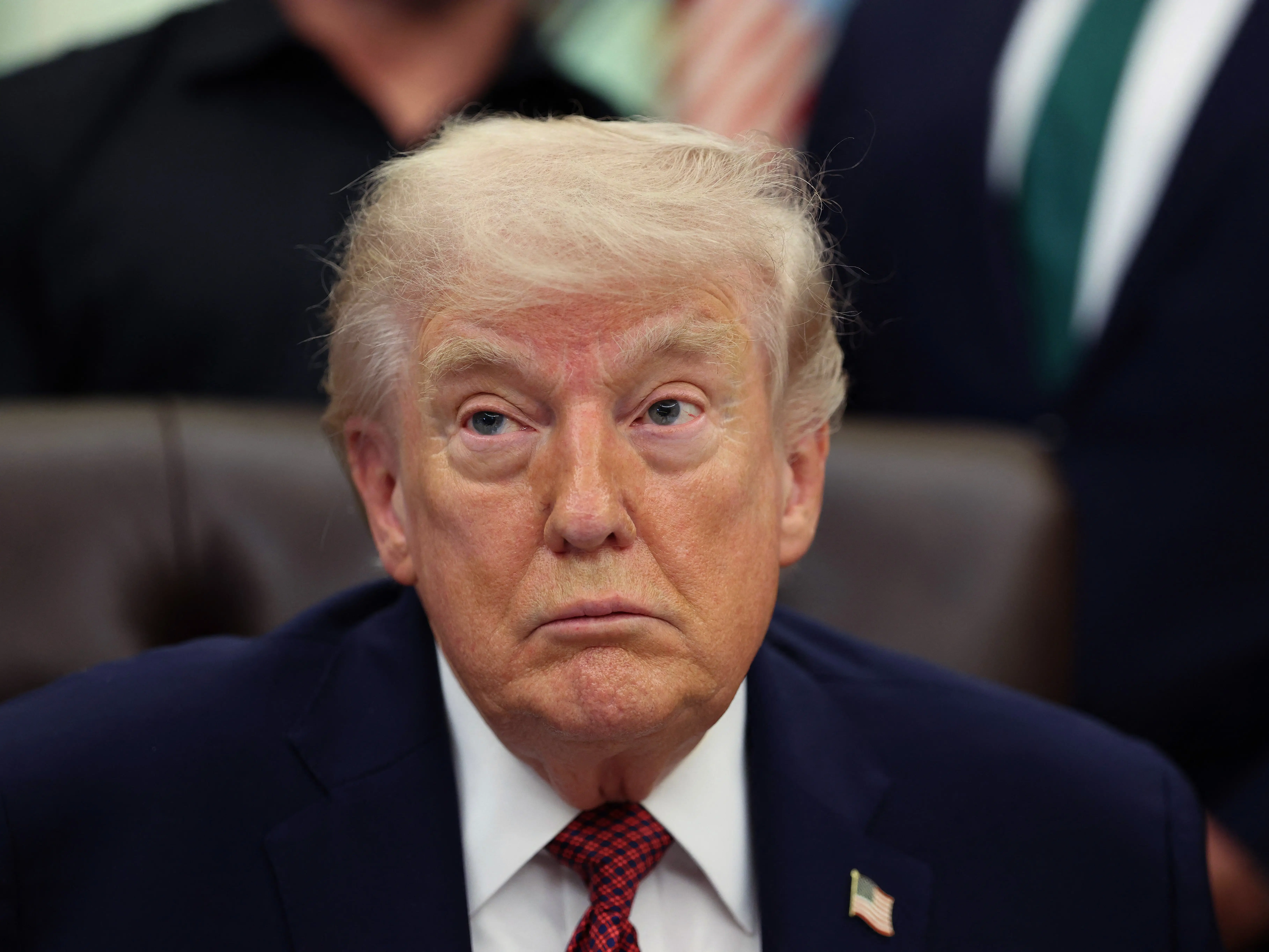
A series of confused, contradictory and often extreme statements since the beginning of the war have stirred a growing and unusually public debate over the mental acuity of Trump. He turns 80 in June and began his second term in office as the oldest person ever to move into the White House.
You might be forgiven for thinking that the war with Iran and its global implications – the Straits of Hormuz carries twenty per cent of the world’s oil – would keep the president too busy to pick rhetorical fights with high-profile critics.
Such as Pope Leo XIV, the first American-born pope, is the spiritual leader of 1.4 billion Catholics worldwide. The pope enraged his fellow Americans by condemning the war on Iran and branding as “unacceptable” Trump’s actions and rhetoric, specifically a threat to destroy Iran’s civilisation.
In a social media post, Trump responded by calling the pope “weak on crime and terrible for foreign policy.”
This had a foreign policy follow-up: A noisy row with Italian Prime Minister Georgia Meloni, a right-wing conservative long considered the European leader closest to Trump. She described Trump’s attack on the pope as “unacceptable” and he shot back by accusing her of being indifferent to the threat of Iran acquiring a nuclear weapon.
This dispute did not go down well with many of the 53 million Roman Catholics in the United States, and neither did an AI-generated social media image he posted showing himself as a Christ-like figure. The image prompted so many complaints that it was taken down from his Truth Social platform.
Trump explained that the picture showed him not as Christ but as a doctor tending to a sick patient.
This and a long string of confusing and contradictory statements on the war have left many Americans with what New York Times writer Peter Baker described as “the impression of a deranged autocrat mad with power.”
Presidential historians say that the mental stability of a president has never been discussed as publicly, not even that of Trump’s predecessor, Joe Biden, who declined visibly after a disastrous debate performance with Trump.
How widely debated Trump’s mental acuity is was thrown into sharp focus by a reporter’s question during a televised press conference. “What is your response to critics who say that it is your mental health that should perhaps be examined as this war continues?”
The question, from Danny Kemp, a reporter for Agence France-Presse, followed a Trump social media posting which said: “Open the f****ng Strait (of Hormuz), you crazy b*****ds, or you’ll be living in hell.”
While other presidents have used profanities when talking about adversaries, they did so in private to aides, not in public at a nationally televised press briefing.
Democrats have long advocated removing Trump from power for disability to serve through the 25th Amendment of the US Constitution. But these are hollow words: such a move requires the vice president and a majority of the cabinet to inform Congress in writing that the President cannot serve.
Remarkably, questions about Trump’s mental state are being asked by retired generals, diplomats and late-night comedians. Perhaps the most notable are charges from several prominent figures and former allies on the political right.
Such as Marjorie Taylor Greene, the Georgia Republican who was long one of the president’s closest allies but recently broke with him. In a CNN interview on the war Trump started, she said the president’s apocalyptic threats were “not tough rhetoric but insanity.”
