The street cannot govern India, but the government cannot ignore it either

&imwidth=600&imheight=450&format=webp&quality=medium "The street cannot govern India, but the government cannot ignore it either")
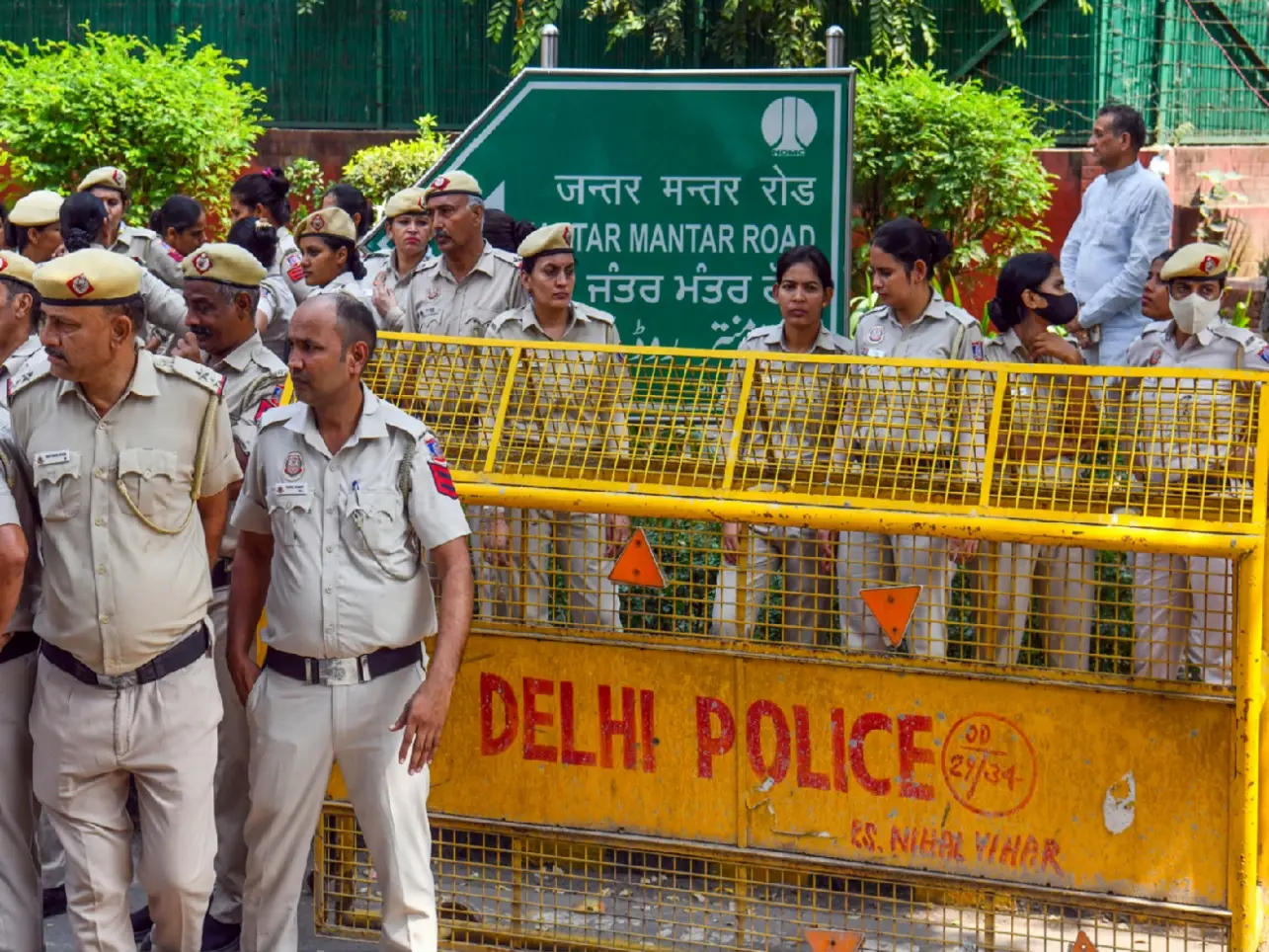
Peaceful protest is the backbone of democracy, but the right to dissent does not confer a licence for anarchy. Photograph: (ANI)
India’s democratic strength lies in its ability to accommodate disagreement, correct administrative mistakes and resolve political disputes through dialogue. Neither the government nor the Opposition should exploit public anger for partisan advantage.
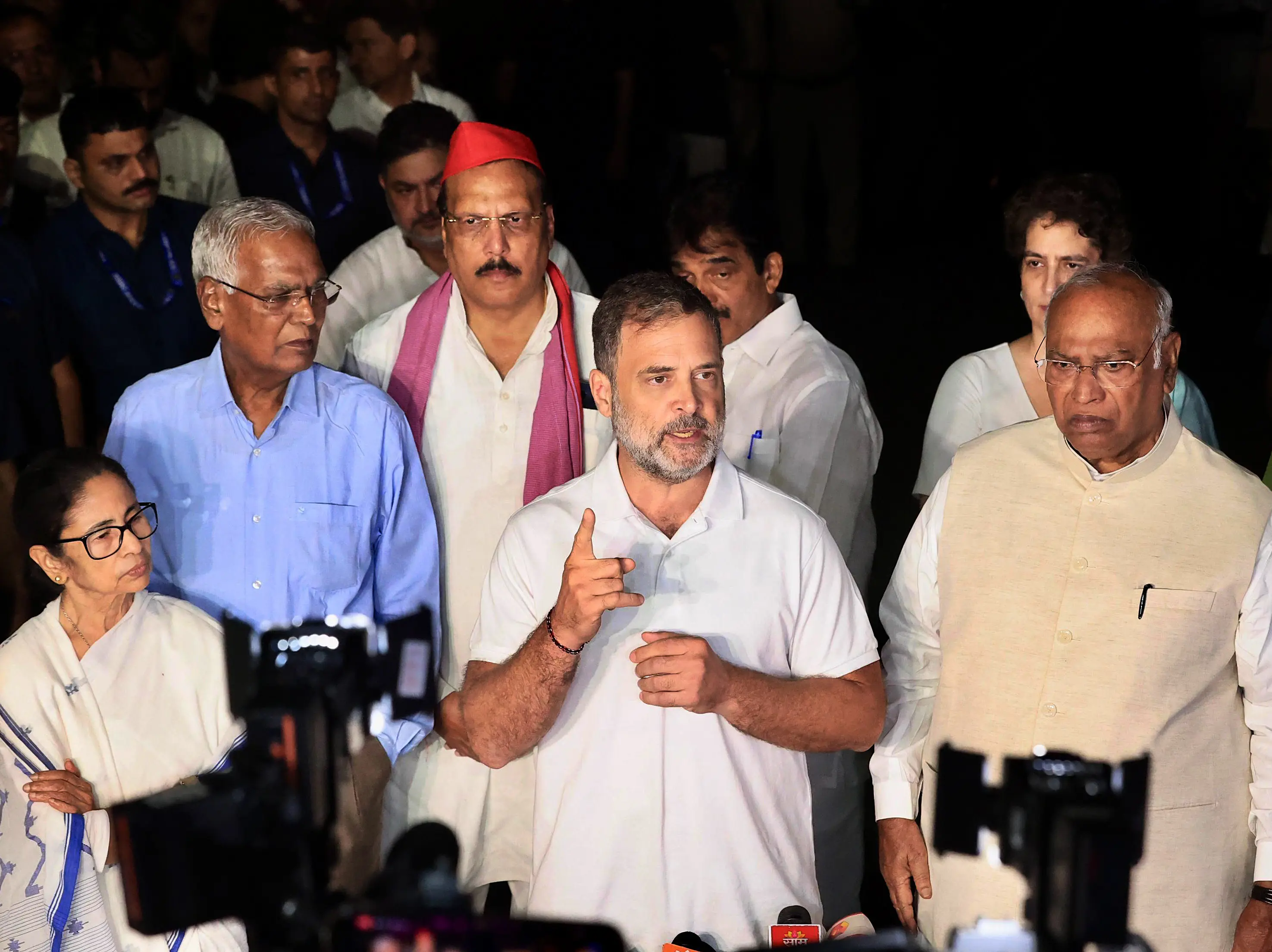
A democracy aspiring to become the world’s third-largest economy and a global superpower cannot afford to mistake public dissent for a threat to the state, or allow political protests to become a substitute for constitutional processes. The October 10-11 protests led by the Cockroach Janta Party (CJP) against Chief Election Commissioner Gyanesh Kumar and the Special Intensive Revision (SIR) of electoral rolls have brought this tension into sharp focus. What began as a campaign over voter-list revision has spilled across Jantar Mantar, Connaught Place and other parts of the capital, with police detentions, restrictions on movement, metro disruptions and mobile internet suspensions. The Supreme Court’s questioning of sweeping restrictions has added another dimension to the unfolding controversy. The events raise a fundamental question: can a government protect public order without appearing to shut out public opinion?
Peaceful protest is the backbone of democracy, but the right to dissent does not confer a licence for anarchy. Equally, the authority to maintain law and order is not a blank cheque to inconvenience millions of citizens. India’s democratic strength lies in its ability to accommodate disagreement, correct administrative mistakes and resolve political disputes through dialogue. Neither the government nor the Opposition should exploit public anger for partisan advantage. The country needs answers, accountability and a way forward—not a contest over who can bring the capital to a standstill.
A legitimate question, a constitutional responsibility
The CJP mobilisation has tapped into a sensitive issue: whether the revision of electoral rolls could leave eligible citizens out of the democratic process. Opposition parties and protest organisers have alleged that large-scale deletions under SIR risk disenfranchising genuine voters and have questioned the Election Commission’s handling of the exercise. Their demand for accountability from CEC Gyanesh Kumar reflects a wider political dispute over the credibility and transparency of electoral administration. These allegations require examination against verifiable records, not acceptance or dismissal on political grounds alone.
Cleaning electoral rolls is a legitimate administrative objective. Removing duplicate, deceased or otherwise ineligible entries can strengthen elections. But the process must be transparent, and every eligible citizen must have a fair opportunity to establish their identity and retain their voting rights. A voter should not lose the right to choose a government because of a spelling error, an administrative oversight or an inaccessible verification process. Deletion must be supported by due process, clear reasons and an effective appeal mechanism.
The Opposition, however, must also walk the talk. Its responsibility is to present evidence, pursue legal remedies, scrutinise the Election Commission and press for corrective action. Turning a voter-rights campaign into a political show of strength risks blurring the line between public interest and party interest. Allegations of electoral manipulation must be substantiated; slogans alone cannot settle questions of fact.
Trending Stories
&imwidth=280&imheight=210&format=webp&quality=medium)
&imwidth=280&imheight=210&format=webp&quality=medium)
&imwidth=280&imheight=210&format=webp&quality=medium)
&imwidth=280&imheight=210&format=webp&quality=medium)
&im=FitAndFill=(700,400)&imwidth=280&imheight=210&format=webp&quality=medium)
&imwidth=280&imheight=210&format=webp&quality=medium)
&imwidth=280&imheight=210&format=webp&quality=medium)
&imwidth=280&imheight=210&format=webp&quality=medium)
&imwidth=280&imheight=210&format=webp&quality=medium)
&imwidth=280&imheight=210&format=webp&quality=medium)
&imwidth=280&imheight=210&format=webp&quality=medium)
&imwidth=280&imheight=210&format=webp&quality=medium)
&imwidth=280&imheight=210&format=webp&quality=medium)
&imwidth=280&imheight=210&format=webp&quality=medium)
&imwidth=280&imheight=210&format=webp&quality=medium)
&imwidth=280&imheight=210&format=webp&quality=medium)
&imwidth=280&imheight=210&format=webp&quality=medium)
&imwidth=280&imheight=210&format=webp&quality=medium)
&imwidth=280&imheight=210&format=webp&quality=medium)
&imwidth=280&imheight=210&format=webp&quality=medium)
&imwidth=280&imheight=210&format=webp&quality=medium)
&imwidth=280&imheight=210&format=webp&quality=medium)
&imwidth=280&imheight=210&format=webp&quality=medium)
&imwidth=280&imheight=210&format=webp&quality=medium)
&imwidth=280&imheight=210&format=webp&quality=medium)
&imwidth=280&imheight=210&format=webp&quality=medium)
&imwidth=280&imheight=210&format=webp&quality=medium)
&imwidth=280&imheight=210&format=webp&quality=medium)
&imwidth=280&imheight=210&format=webp&quality=medium)
&imwidth=280&imheight=210&format=webp&quality=medium)
&imwidth=280&imheight=210&format=webp&quality=medium)
&imwidth=280&imheight=210&format=webp&quality=medium)
&imwidth=280&imheight=210&format=webp&quality=medium)
&imwidth=280&imheight=210&format=webp&quality=medium)
&im=FitAndFill=(700,400)&imwidth=280&imheight=210&format=webp&quality=medium)
&imwidth=280&imheight=210&format=webp&quality=medium)
&imwidth=280&imheight=210&format=webp&quality=medium)
&imwidth=280&imheight=210&format=webp&quality=medium)
&imwidth=280&imheight=210&format=webp&quality=medium)
&im=FitAndFill=(700,400)&imwidth=280&imheight=210&format=webp&quality=medium)
Gen Z’s participation is a welcome reminder that young Indians are not indifferent to democracy. Their energy can strengthen public accountability if it remains peaceful and issue-driven. But street mobilisation cannot become the final arbiter of constitutional disputes. Nor should protesters deliberately disrupt public services or intimidate citizens who disagree with them. A movement that champions democratic rights must respect the rights of others, too.
Security cannot become a sledgehammer
The Modi government and Delhi’s security establishment face a genuine responsibility to prevent violence, protect public property and manage crowds. Authorities may impose proportionate restrictions when credible security risks justify them. Yet the response to the CJP protest raises questions about whether the measures were calibrated to the actual threat.
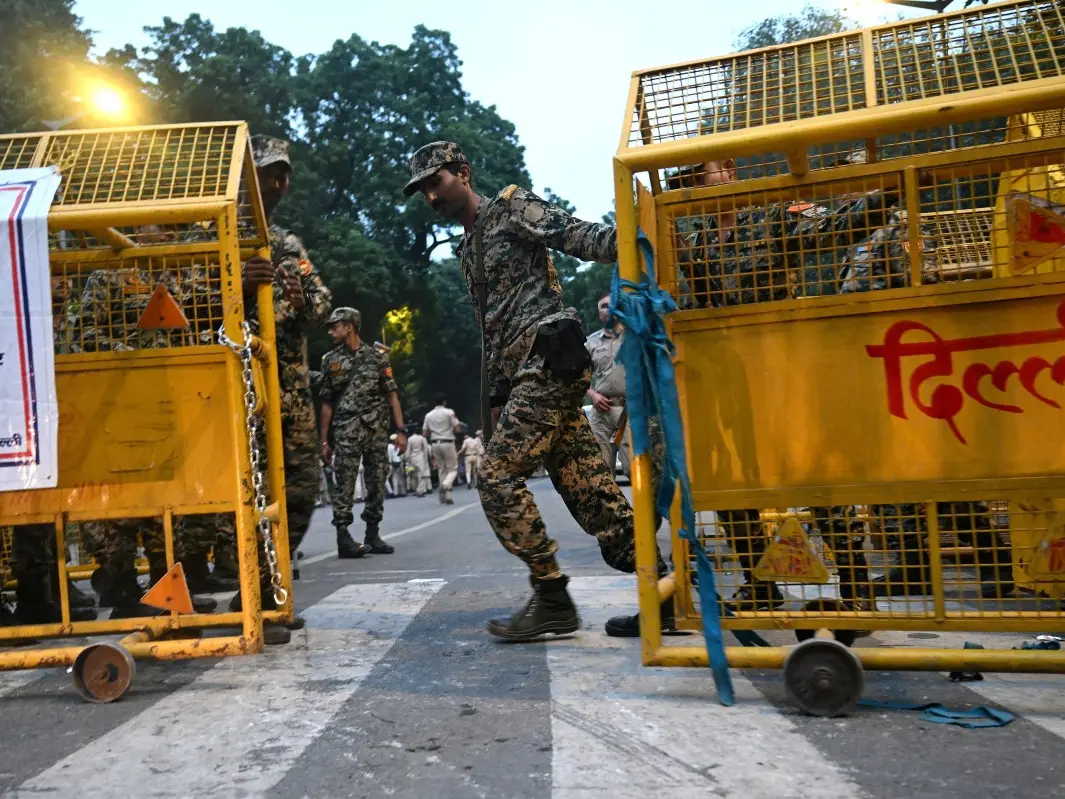
On October 10, reports described extensive barricading, detentions and restrictions affecting metro stations and public transport, alongside a 24-hour mobile internet suspension in parts of central Delhi. Demonstrations subsequently appeared at several locations, including Connaught Place and other areas, as protesters struggled to reach Jantar Mantar. The Supreme Court questioned the restrictions affecting transport and public access, underscoring that security measures must not become disproportionate.
Here lies the government’s test. A blanket approach can create the very perception of panic that authorities may wish to avoid. When commuters, traders, students, workers and ordinary residents bear the cost of a political confrontation, the state risks turning a manageable protest into a larger public grievance. Internet restrictions also limit communication for people who have nothing to do with the agitation. Every curtailment must therefore have a clear legal basis, a demonstrated necessity, a narrow scope and a defined duration.
The government should not abandon SIR simply because it faces opposition. Electoral-roll revision can serve the public interest, provided it is conducted impartially and with adequate safeguards. But a sound policy does not become immune from scrutiny because its stated objective is legitimate. If errors have occurred, they must be corrected; if allegations are unfounded, evidence should establish that. The Election Commission must communicate its methodology, publish relevant data and provide accessible procedures for checking, correcting and appealing entries.
The administration also needs to distinguish peaceful demonstrators from those who may commit violence or deliberately obstruct essential services.
Democracy belongs to the people
India cannot aspire to global leadership while treating either dissent or accountability as a weakness. Nor can democracy flourish if every institutional disagreement is settled through street confrontation. The government, Election Commission and Opposition must sit together, establish the facts, address genuine voter grievances and agree on transparent safeguards for SIR. An independent, accessible grievance-redressal process would help restore public confidence.
Ultimately, we-the-people are not spectators in a democracy; we are its foundation. Elections are a festival of participation, not merely a contest for power. Every eligible vote matters, every citizen deserves a fair hearing, and every institution must remain answerable to the Constitution.
The street must not govern India, but neither should those in power govern as though the street has no voice. The answer is neither repression nor anarchy. It is dialogue, due process and accountability. A vibrant democracy is not one without protests; it is one capable of resolving the grievances behind them without allowing public order or political freedom to become casualties.