&imwidth=800&imheight=600&format=webp&quality=medium "Pakistan offers peace: Can it really end the US–Iran–Israel War?")
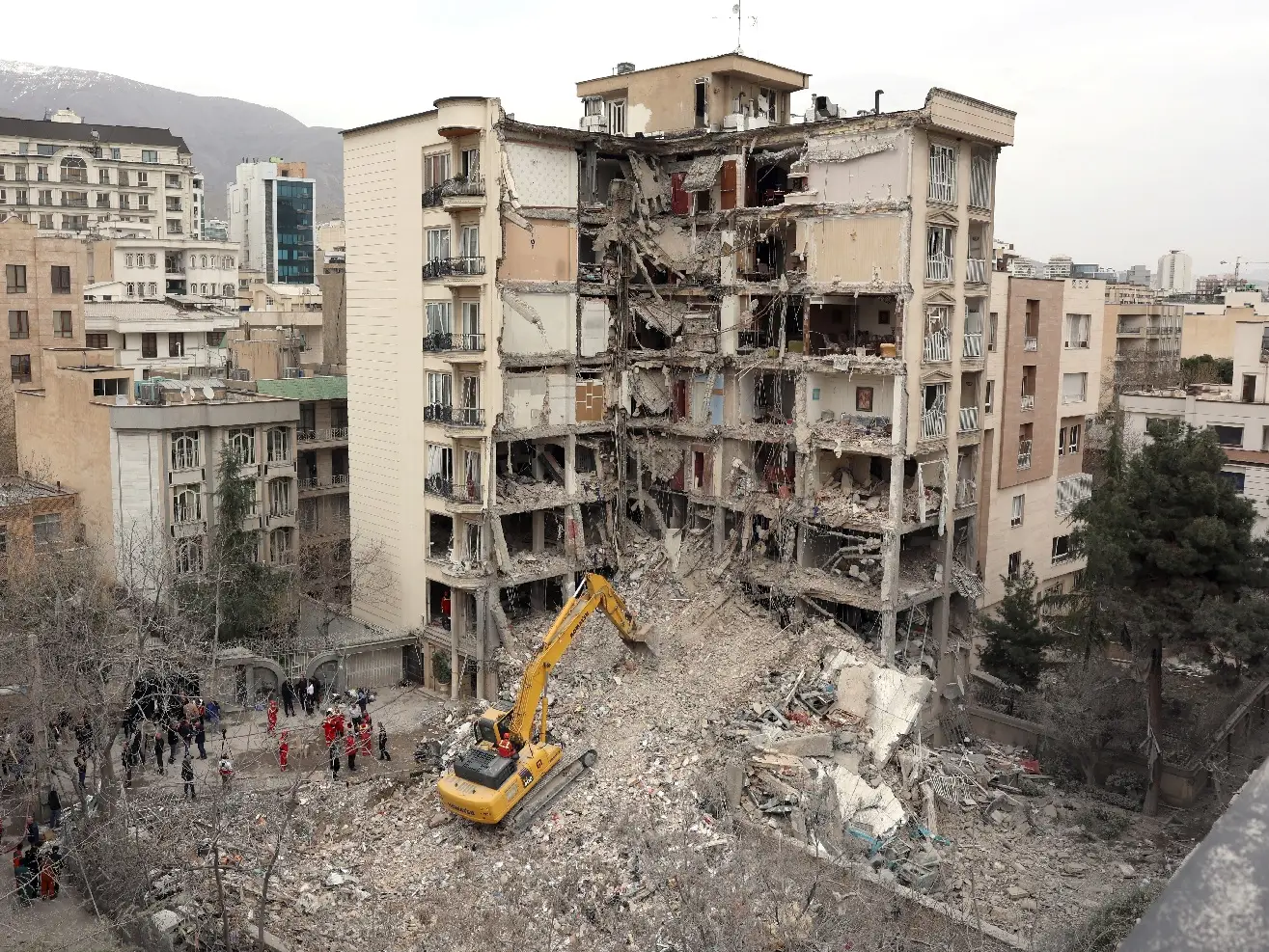
As the war between the United States, Israel, and Iran enters its fourth week, one country has quietly stepped into the spotlight—Pakistan. It has offered to host peace talks between Washington and Tehran, a move that has surprised many and raised hopes for some kind of breakthrough. With both sides weary from weeks of strikes, missiles, and rising global tension, Islamabad’s sudden offer has made the world stop and listen.
Pakistani Prime Minister Shehbaz Sharif posted on X (formerly Twitter) on March 24, saying Pakistan was “ready and honored” to host “serious and final talks” for a full peace deal to end the war. Within minutes, US President Donald Trump reshared the post, calling it a “positive step.” Just a day earlier, Trump had announced a temporary five-day halt in American attacks on Iran’s energy sites. He also hinted that top officials from both sides had already exchanged messages through friendly countries.
According to regional sources, Turkey, Egypt, and Pakistan have all been acting as informal middlemen, quietly passing messages between Iran and the US. But so far, only Pakistan seems to have the trust of both sides.

Why Pakistan wants to mediate
Pakistan’s decision to jump into one of the world’s most dangerous conflicts isn’t just random. It is driven by both practical needs and smart diplomacy.
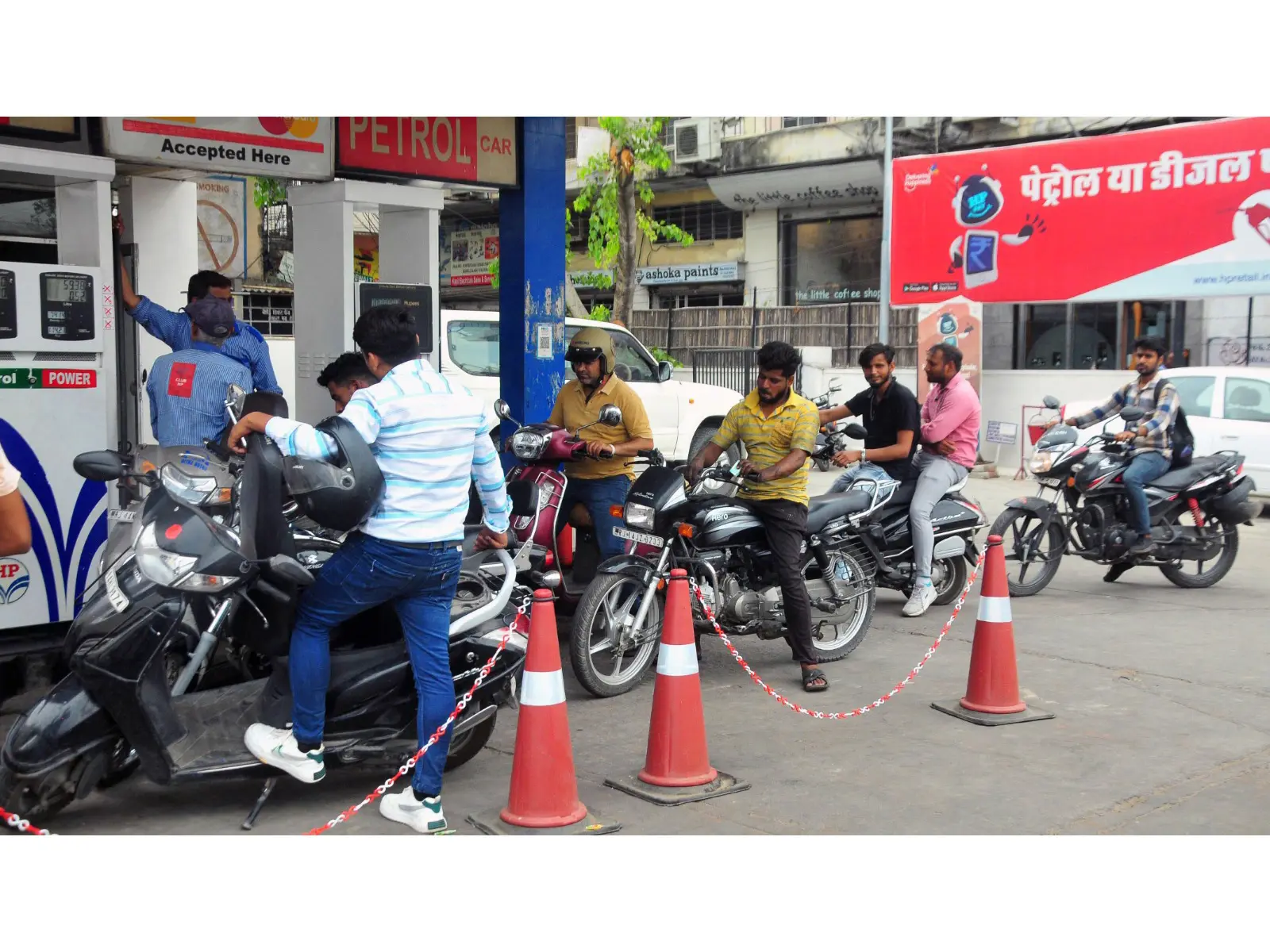
First, Pakistan understands that if this war continues, the entire region — including its own economy — will suffer. The Strait of Hormuz, which handles almost 20% of the world’s oil, is near total collapse due to attacks. If that continues, oil prices will shoot up worldwide, and Pakistan, already struggling with high inflation and energy costs, will pay the price.
Trending Stories
)
Asian Games 2026: India face Afghanistan in quarterfinal on Sep 28; Pakistan clash with Hong Kong
)
Myanmar training camp case: US national, 6 Ukrainians allowed to meet their families abroad
)
Bigg Boss 20: Salman Khan schools Rhiti Tiwari over Qazi Touqeer clash, compares her to Dolly Bindra
)
Mushtaq Khan dies at 56: When Welcome actor opened up about his salary for iconic role Ballu
)
LPU students go on rampage, vandalise campus amid widespread protest: What's happening
)
'FIRST LOOK from inside Noah’s Ark': Researchers share video from inside mysterious mound in Turkey
)
‘Attack on Mecca a red line for Pakistan’: Shehbaz Sharif warns Houthis at UN
)
Pakistan deploys over 20,000 security personnel as PTI vows march for Imran Khan's release
)
OpenAI AI Agents hacked 4 websites before Hugging Face, researchers reveal
)
'A terrorist country is asking me that question?': Jaishankar hits back at Pakistani journalist at UN; flags attacks on commercial shipping
)
Trump-Xi summit wrap: Big pageantry, Iran talks, few major developments and more meetings planned
)
Did Hitler kill his niece Geli Raubal? Newly found records reopen a 95-year-old mystery
)
Hawaii braces for Hurricane Nolo: NOAA warns of flash flooding and mudslides
)
'What kind of confession is this?': Pakistan PM Shehbaz Sharif’s 'terrorists would be roaming New York' remark goes viral, raises alarm online. Watch
)
US-Iran war: Trump rejects Iran's Hormuz proposal, reports suggest talks expected next week
)
Bollywood x K-pop crossover! LE SSERAFIM’s Kazuha charms fans with Shah Rukh Khan’s ‘Chammak Challo’ steps
)
Gaza's war turned environmental damage into second crisis
)
‘Serial practitioner of terrorism’: Jaishankar calls out Pakistan’s ‘state-sponsored’ terror at UNGA
)
‘It is all possible’: Putin weighs next steps on Ukraine talks, rules out Europe conflict
)
Prince Harry offers rare glimpse into Archie and Lilibet’s life after UK move
)
Nigeria Navy moves to boost oil security, tackle crude theft and infrastructure threats
)
Donald Trump shares image of Xi's arrival in Washington, carries signs of AI
)
Pentagon quietly adds 37 wounded troops to Iran war tally without explaining when or how
)
US court backs Pentagon's decision to exclude Anthropic over Claude AI restrictions
)
US Supreme Court backs Trump administration's use of SAVE database to check voter citizenship
)
‘Could kill billions...’: Bill Gates backs calls to slow AI development amid fears of catastrophe
)
'Countries far from conflict are penalised': Jaishankar calls for Gulf peace, seafarer safety at UN
)
WATCH | As Shehbaz Sharif claims Pakistan’s ‘victory’ during 2025 conflict, Indian diplomat R Srinivas laughs at UN
)
Outrage erupts after 3-year-old is married to 60-year-old man in Pakistan, link to her sister's murder being probed
&im=FitAndFill=(700,400))
New Friday OTT releases (September 25, 2026): Don’t Be Shy, Hunkkaar: The Roar, Mango Pachcha- 6 movies and TV shows on Netflix, Prime Video and more
)
Global community 'absent' in Gulf crisis: Saudi at UN calls for freedom of navigation, pre war status for Hormuz
)
Farhan, who went viral for AK47 celebration vs India in Asia Cup, hopes to lead Pakistan beyond Asian Games
)
‘I rejected it’: Trump confirms turning down Iran’s proposal to reopen Hormuz, claims Tehran is losing ‘badly’
)
Russia will achieve Ukraine war aims; Europe doing everything to block peace talks: Lavrov at UN
Second, Pakistan has a large Shia Muslim population, nearly 15% of its people, and any turmoil in Iran directly affects its social and political stability. Violence in Iran often creates emotional reactions inside Pakistan, including protests and pressure on its government to respond.
Third, Pakistan also has a strategic defence deal with Saudi Arabia, signed in 2025. Much like NATO’s principle of “an attack on one is an attack on all,” this agreement links Pakistan’s security to Saudi Arabia’s stability. But it also puts Islamabad in a tight spot — it cannot appear neutral for too long, or it risks angering Riyadh, yet taking sides could ruin its relations with Iran. Hence, offering to mediate is Pakistan’s smartest possible move.
Security tensions at home
At the same time, Pakistan faces major issues on its border with Afghanistan. Just before the Iran war began, Pakistan had launched airstrikes inside Afghan territory against terrorist groups. Now, with the world’s attention fixed on Iran, Pakistan has more freedom to deal with these threats quietly, without attracting much outside criticism.
However, if Iran becomes unstable, the problems could easily spread. The Pakistan-Iran border stretches over 900 kilometres and is poorly monitored. Terror groups could slip across easily, using the conflict as cover. That would hurt Pakistan’s economy, especially in Balochistan, where major trade and energy projects are based. It could also scare investors away and threaten plans to connect Pakistan to Central Asian markets.
The road to talks
Reports in Pakistan’s Dawn newspaper and Turkey’s Anadolu Agency confirm that American officials may soon arrive in Islamabad for preparatory discussions. Iran has officially denied holding talks, but the tone of its denial suggested that some quiet exchanges are already happening.
Analysts believe Pakistan’s advantage lies in its working relations with both camps. Islamabad has deep ties with the United States through trade, the military, and diplomacy. With Iran, Pakistan shares a long border and ongoing regional agreements. And even though Pakistan does not recognise Israel, it quietly communicates through friendly Arab nations like Saudi Arabia and Qatar.
As Zeeshan Shah, a geopolitical analyst based in Washington, told Al-Monitor, Pakistan’s growing role as a mediator is “not surprising.” He explained that Islamabad is one of the few countries near Iran that has not been attacked by Tehran in this war. Its balanced ties with Saudi Arabia, Iran, and the US give it rare credibility as a go-between.
Some analysts also note another layer — a new kind of financial diplomacy. Zach Witkoff, a business figure close to the Trump family, reportedly visited Islamabad in January to discuss using digital currency systems for international payments. This suggests that apart from politics, economic interests are now shaping how Pakistan engages the world during this crisis.
Tehran’s tentative response
For now, Iran insists that it is not holding any formal talks with the US. But the country’s statements are carefully worded. Tehran says it has received messages from “friendly mediators” but will stick to its conditions — mainly that the US and Israel must stop attacks, pay compensation for the damage, and respect Iran’s security.
However, many within Iran’s power circles — especially the Islamic Revolutionary Guard Corps (IRGC) — strongly oppose any negotiations. According to experts quoted in Al-Monitor, the IRGC fears that such talks could weaken its influence and create internal divisions within Iran’s power structure.
Can Pakistan really pull this off?
Realistically, Pakistan’s offer faces several challenges. The US is still sending more Marines and naval forces to the Gulf, and Iran continues missile attacks on Israeli and allied targets. The battlefield is still hot, making peace talks fragile at best.
Still, diplomatic voices in Washington and Dubai describe Pakistan’s role as “a small but genuine hope.” Even a short-term truce could slow missile exchanges, reopen shipping routes through the Strait of Hormuz, and stabilise global oil prices. That alone would bring relief to millions across Asia, including India and Pakistan, where petrol and gas costs are climbing sharply.
But as Theodore Karasik, a Middle East expert also quoted in Al-Monitor, pointed out, diplomacy will only work if both sides truly want it. If the talks turn into political theater—more about headlines than healing—then the war will likely resume in full force.
For now, Islamabad has achieved what few expected: it has placed itself at the centre of world diplomacy, even if only for a moment. As the bombs fall and oil prices rise, the world watches to see whether this unexpected mediator from South Asia can turn a flicker of hope into something real — or whether Pakistan’s peace promise will disappear like smoke over the burning Strait of Hormuz.
(Disclaimer: The views of the writer do not represent the views of WION or ZMCL. Nor does WION or ZMCL endorse the views of the writer.)