President Macron’s India visit: A synthesis of symbolism and substance


French President Emmanuel Macron with Indian Prime Minister Narendra Modi
Before President Emmanuel Macron’s nearly 32-hour visit to India (25–26 January 2024) began, some observers agonised opining that the journey would be merely symbolic. They need not have worried! A careful assessment of the deliberations and outcomes of the visit shows that it was rich both in symbolism and substance. It demonstrated that frequent meetings between the top leaders create a special momentum for the ministers, officials and others to keep achieving more thus making the India-France engagement special and unique in many respects. The two nations have become “kindred souls on the global stage,” as a former Indian diplomat put it aptly.
What drives them?
Macron visited India to be the chief guest at the Republic Day celebrations. This was the sixth time a French leader was accorded this honour. Macron was on his third visit to India. It came six months after Prime Minister Narendra Modi’s visit to France where he was the guest of honour at the Bastille Day Parade, the French national festival. Indian troops marched on the Champs-Élysées in Paris then; now it was the turn of the French troops to show their skills on Kartavya Path in New Delhi, with the two Rafales and an Airbus A330 multi-role tanker transport aircraft participating in the aerial show. All this combined to indicate how close France and India have become – emotionally, politically, diplomatically, and strategically. What else explains India's last-minute invitation to the French president (when the US president declined to come for reasons still unclear) and Macron’s swift and graceful acceptance?

Watch | French President Macron enjoys Qawwali at Nizamuddin Dargah, Delhi
India regards France as a trusted friend and partner, a key member of the Western alliance that adopts a perspective different from that of the Anglo-Saxon world. France views India “as a major, responsible power,” observed Thierry Mathou, the French ambassador in India, “that has a key role in bridging divides and advancing solutions to global challenges.” The two nations’ shared worldview, and inclination to anchor their foreign policies in multiple partnerships while safeguarding their ‘strategic autonomy’ act as a strong adhesive.
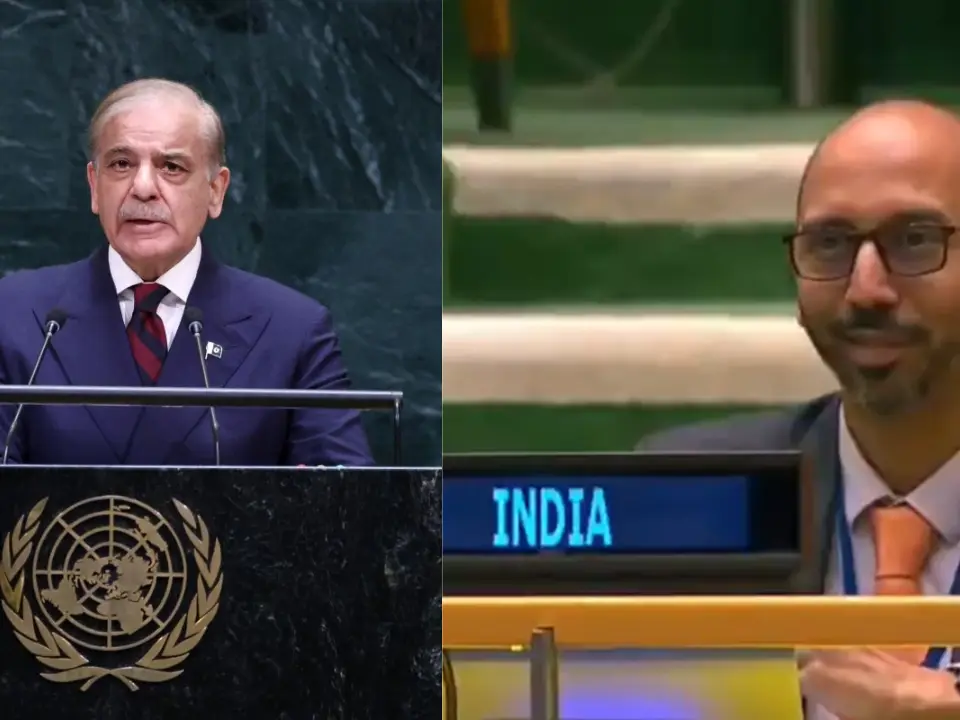)
WATCH | As Shehbaz Sharif claims Pakistan’s ‘victory’ during 2025 conflict, Indian diplomat R Srinivas laughs at UN
)
Scientists detect first radio signals directly from faraway planet
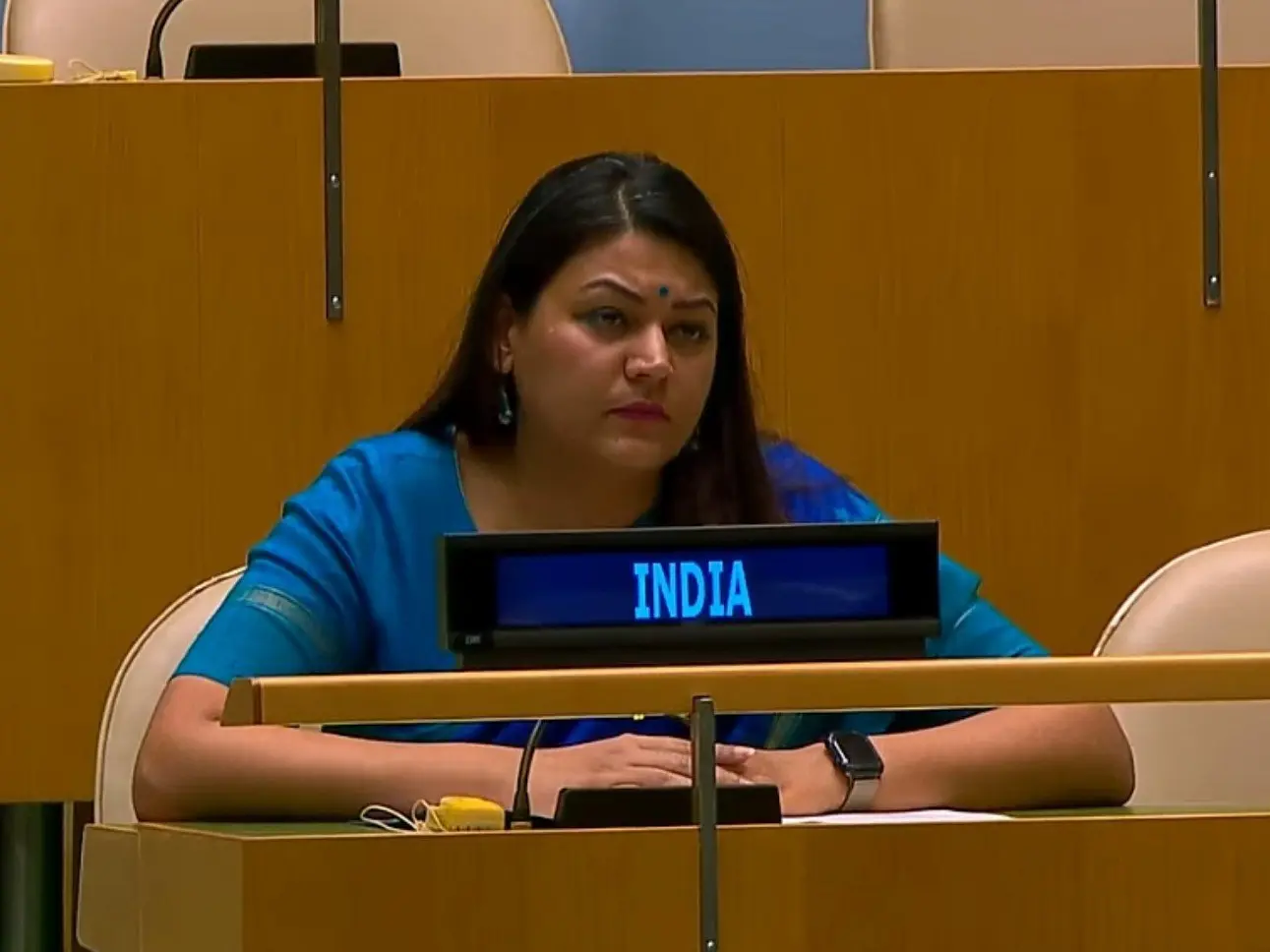)
Indian diplomat Petal Gahlot raises deteriorating situation in Pakistan-occupied Kashmir in right of reply at UN
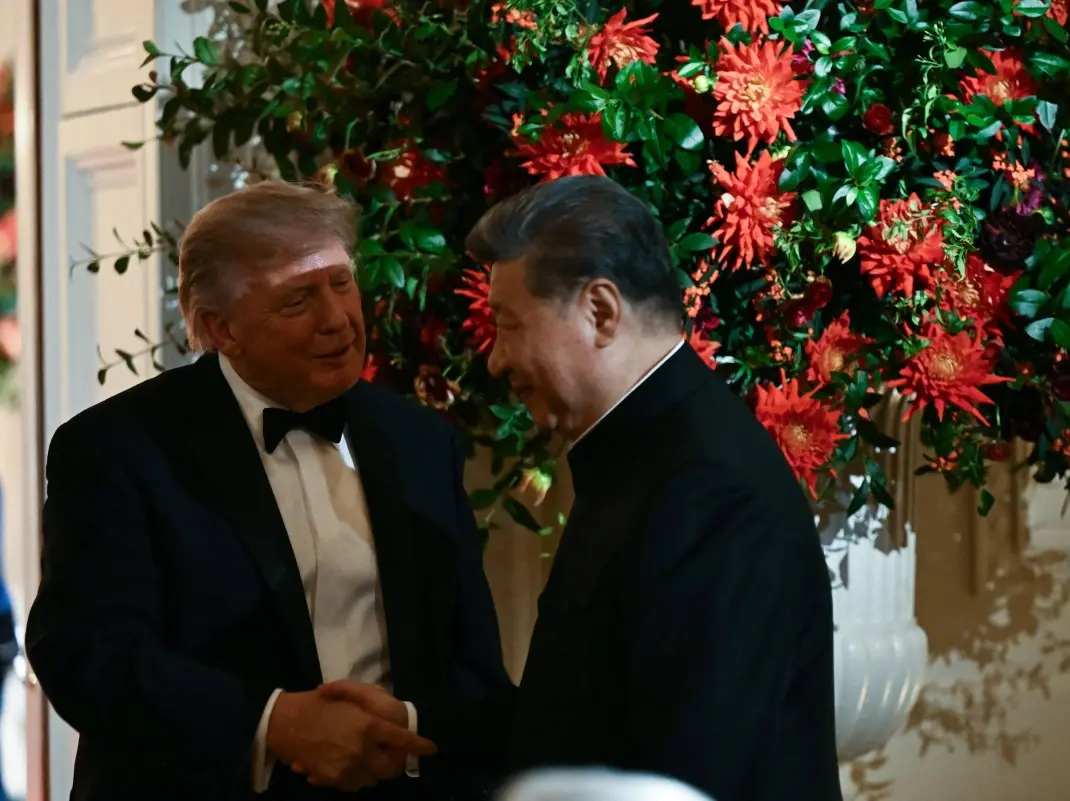)
'Making history': Xi Jinping praises Trump as US-China leaders dine at White House
)
10,000 gather in support of 87-year-old forcefully evicted from home of 71 years
)
Gaza's war turned environmental damage into second crisis
)
Saudi oil exports surge despite Iran war
)
Tesla is preparing something big for Optimus: new Gen 3 models surface in app
)
‘Goal is to win it’: Virat Kohli confirms 2027 ODI World Cup will be his final tournament for India
)
Heart of the Beast review: Brad Pitt leads a gripping tale of survival and loyalty
)
Cindy Crawford’s son Presley Gerber cremated as death probe continues
)
Saudi Arabia still harbours intent to develop nuclear weapons, reveals US intelligence: Report
)
US Supreme Court backs Trump administration's use of SAVE database to check voter citizenship
)
US court backs Pentagon's decision to exclude Anthropic over Claude AI restrictions
)
Trump-Xi summit: Xi wraps up us visit with 21-gun salute as Trump, Xi lock in 'strategic stability'
)
Trump-Xi summit wrap: Big pageantry, Iran talks, few major developments and more meetings planned
)
India's insurance regulator overhauls policies
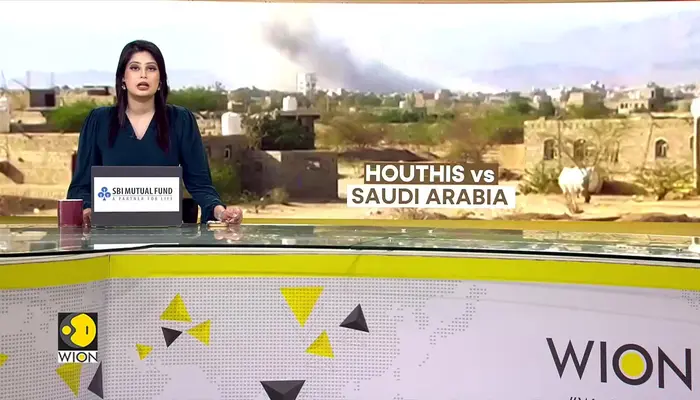)
Yemen's war escalates: Saudi-backed leader calls for general mobilisation against the Houthis
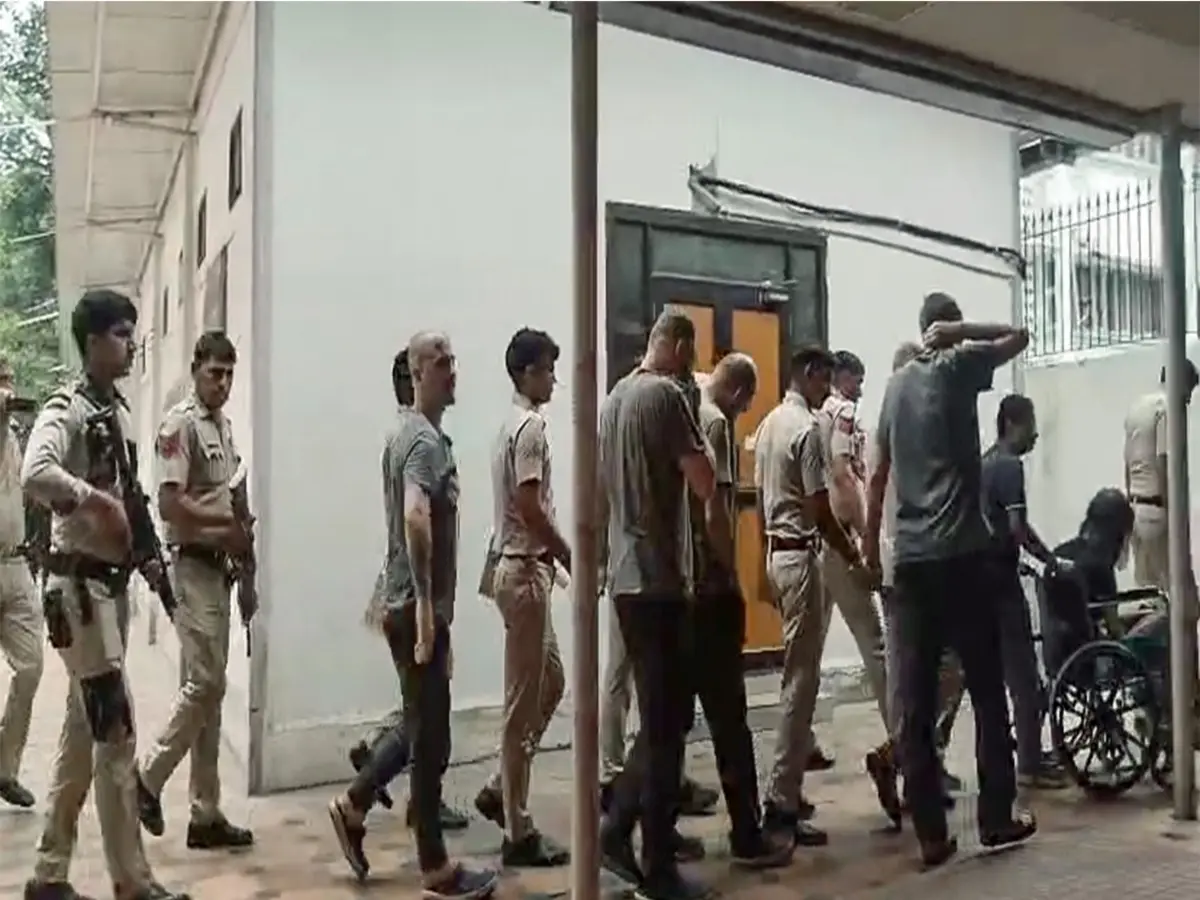)
Myanmar training camp case: US national, 6 Ukrainians allowed to meet their families abroad
)
Outrage erupts after 3-year-old is married to 60-year-old man in Pakistan, link to her sister's murder being probed
)
'FIRST LOOK from inside Noah’s Ark': Researchers share video from inside mysterious mound in Turkey
)
‘It is all possible’: Putin weighs next steps on Ukraine talks, rules out Europe conflict
)
OpenAI AI Agents hacked 4 websites before Hugging Face, researchers reveal
)
Jay-Z rape case: Accuser says allegations were false, never met rapper
)
‘Not just a local tragedy’: Nepal PM Shah warns UN of growing climate threat, says Nepal floods were 'a warning to the world'
)
Nigeria Navy moves to boost oil security, tackle crude theft and infrastructure threats
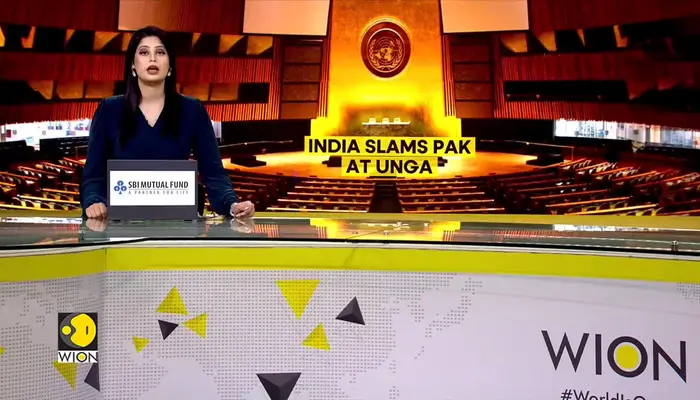)
India flags brutal violence in Pak-occupied Jammu Kashmir
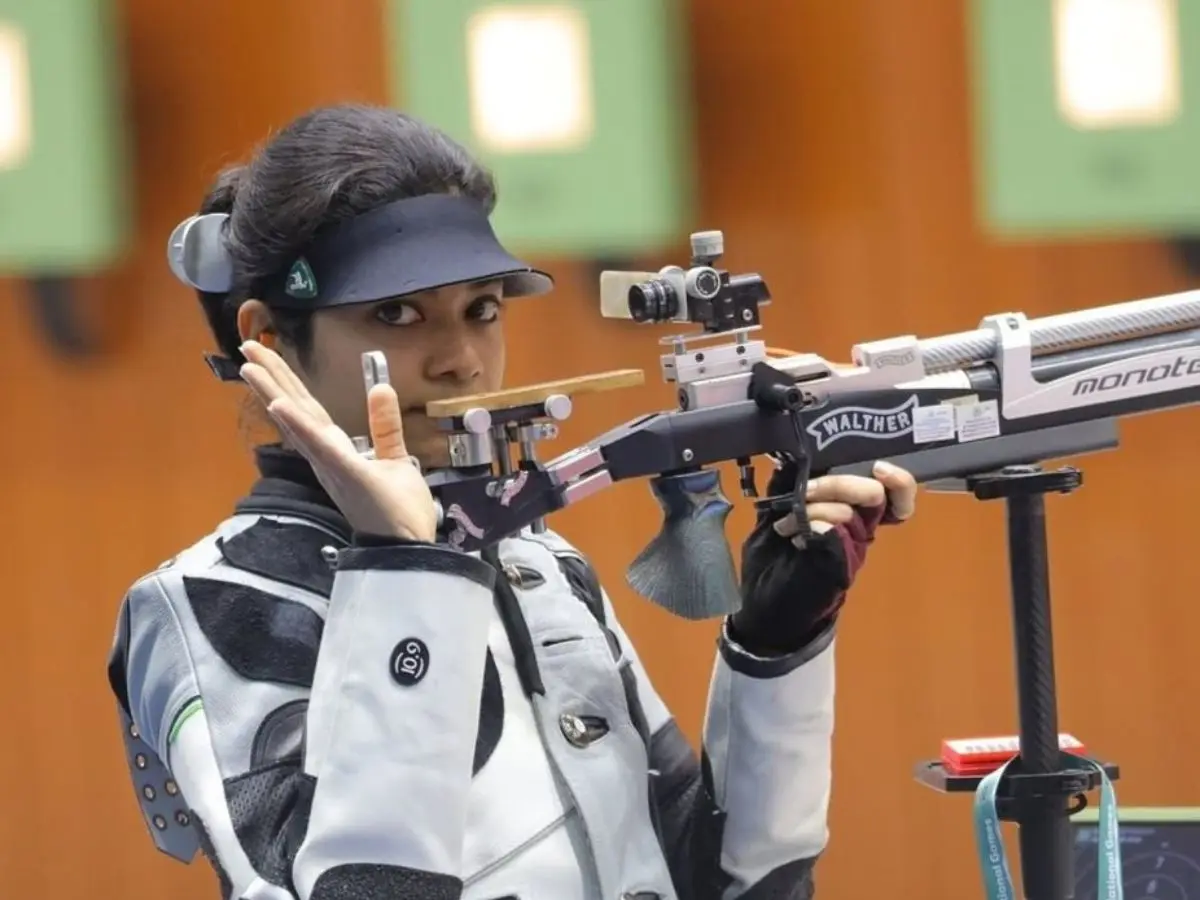)
Asian Games: Shooting spree continues as India win silver in women’s 50m rifle 3P team event
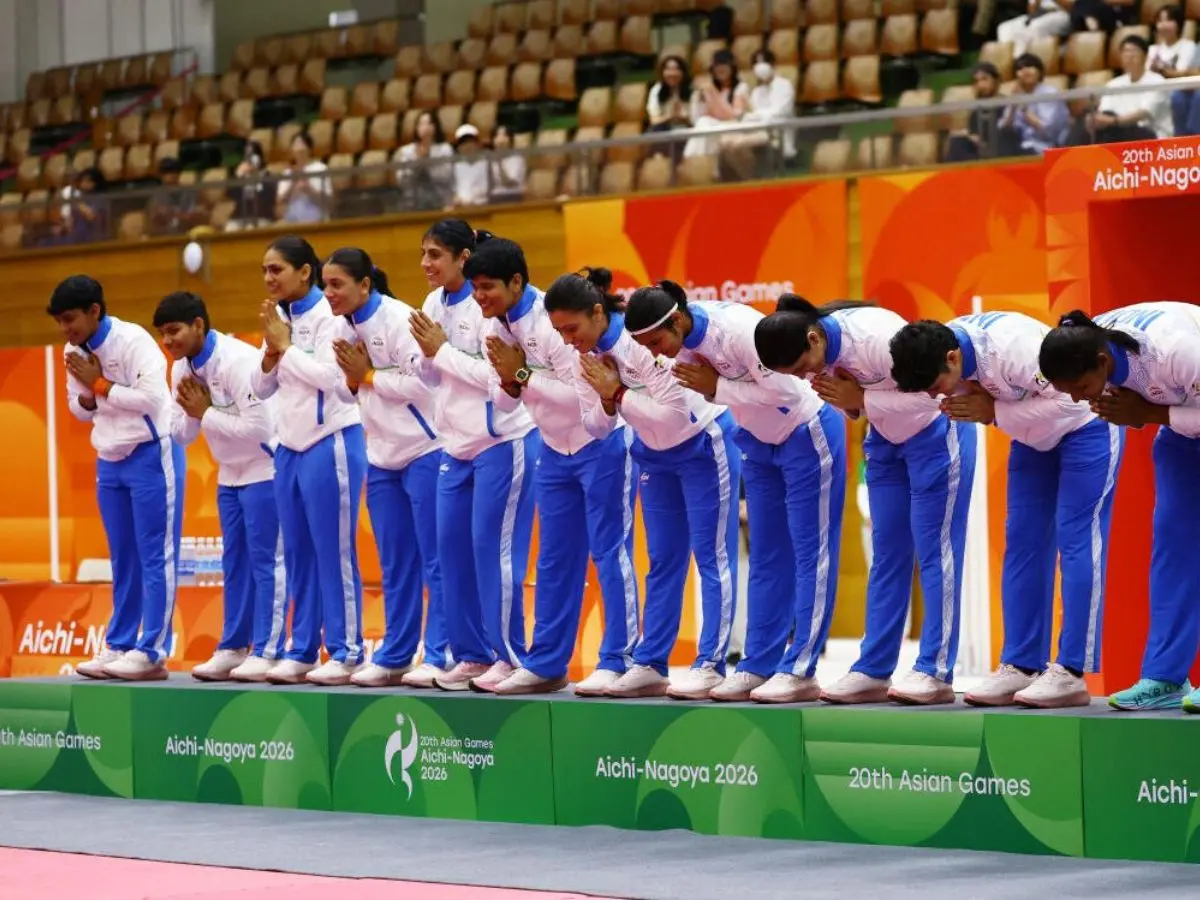)
Asian Games 2026: India women’s kabaddi team edge Iran 37-34 to clinch 3rd gold medal
)
Pentagon quietly adds 37 wounded troops to Iran war tally without explaining when or how
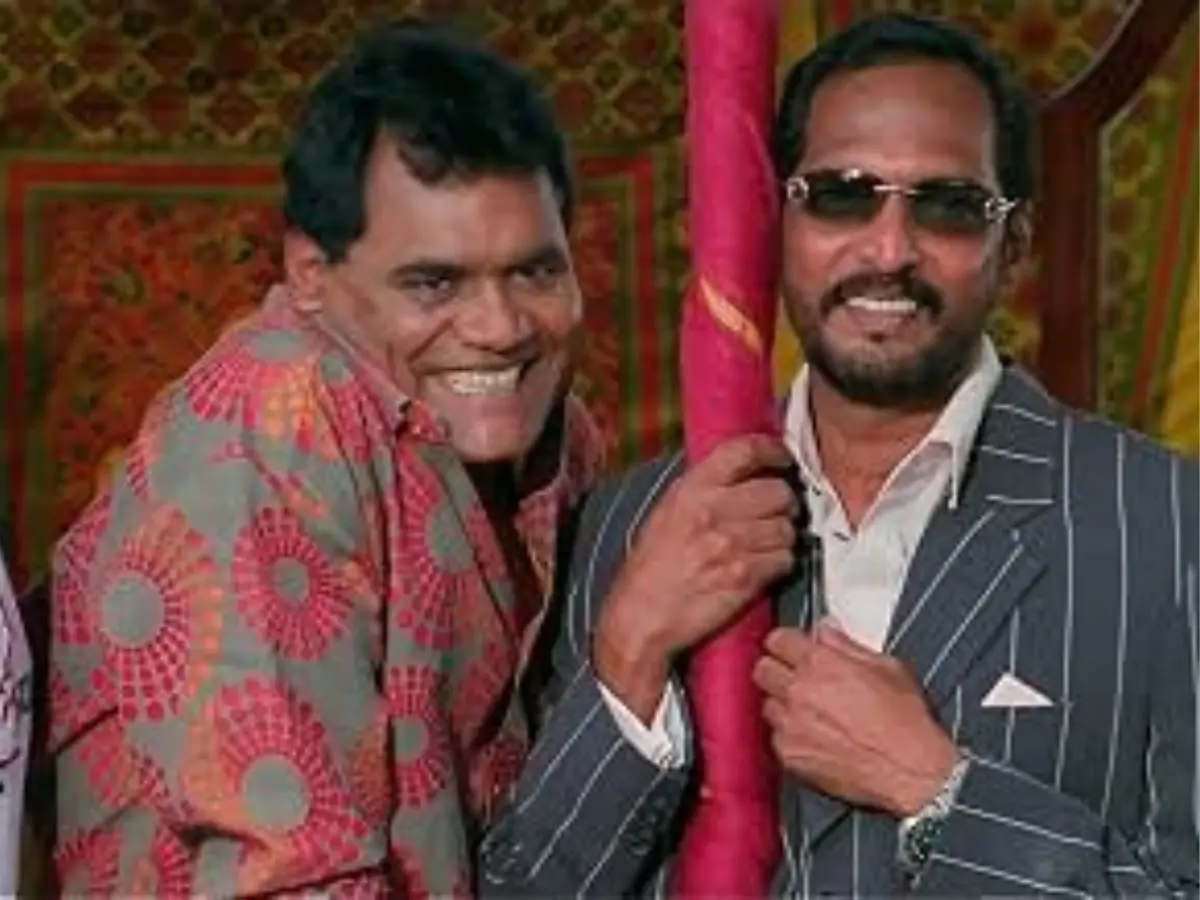)
Mushtaq Khan dies at 56: When Welcome actor opened up about his salary for iconic role Ballu
)
Pakistan deploys over 20,000 security personnel as PTI vows march for Imran Khan's release
)
'A terrorist country is asking me that question?': Jaishankar hits back at Pakistani journalist at UN; flags attacks on commercial shipping
)
Did Hitler kill his niece Geli Raubal? Newly found records reopen a 95-year-old mystery
&im=FitAndFill=(700,400))
New Friday OTT releases (September 25, 2026): Don’t Be Shy, Hunkkaar: The Roar, Mango Pachcha- 6 movies and TV shows on Netflix, Prime Video and more
)
India's UN Envoy slams Pakistan: 'They claim security by day, terrorism by night'
)
Trump rejects Iran's 7-day ceasefire proposal as US weighs renewed bombing after midterms: Report
)
‘Attack on Mecca a red line for Pakistan’: Shehbaz Sharif warns Houthis at UN
Triple dimensions
The uniqueness of the Indo-French friendship was established again last July when their leaders articulated a combined vision of the relationship for 2047, which will mark the centenary of India's independence and 50 years of the strategic partnership established in 1998. Horizon 2047: 25th Anniversary of the India-France Strategic Partnership, Towards A Century of India-France Relations is a must-read document for all students and observers of foreign policy because India has not signed a similar pact with any other nation. Nor has France. Its portrayal of the partnership from three different but interrelated angles – security and sovereignty, planet, and people – sheds light on the entire spectrum of motivations and ideas shaping their cooperation. “Through this ambitious roadmap,” stated the two governments, “the India-France Strategic Partnership will further diversify into new areas of cooperation while also deepening existing programmes of shared interests.”
Also Read | France will welcome 30,000 Indian students by 2030, President Macron announces
Horizons 2047 is a reliable yardstick to evaluate the result of President Marcon’s latest visit, keeping in mind its global, regional and bilateral dimensions. The visit produced nine bilateral agreements, seven key announcements, and a 41-para ‘Joint Statement’. It reflected the arduous work of several months, not just a few hours. Summing it up, Foreign Secretary Vinay Kwatra noted that the tangible gains demonstrated that the visit was “very heavy in terms of substantive outcomes as also the richness of discussions between the two leaders.”
On global issues, the two sides revealed a substantial convergence. In their view, India's G20 presidency was a success that enhanced the forum’s inclusive and representative character and strengthened its role in advancing an inclusive global agenda. France “commended” India's offer to host COP33 in 2028. The French support for India's candidacy for the International Energy Agency was affirmed. The two leaders agreed on a comprehensive dialogue on global issues such as climate change, plastic pollution, and increased cooperation in biodiversity and desertification. They reiterated their call for reform and effective multilateralism.
WATCH | Indian PM Modi gifts replica of Ram Temple to French President Emmanuel Macron
Concerning regional conflicts with global implications, a solid discussion took place on all the current challenges. As regards Ukraine, they expressed “deep concern” over the continuation of the war and called for “a comprehensive, just, and lasting peace.” They were clear that the Israel-Gaza conflict now needed “a humanitarian ceasefire” as well as an immediate release of all hostages. They stood for a political process that led to a two-state solution, the only path for lasting peace and stability in the region. They were concerned about the complex situation in the Red Sea and advocated upholding the freedom of navigation and respecting the international law of the sea. They also reiterated their “unequivocal condemnation” of terrorism “in all its forms and manifestations including cross-border terrorism.”
As expected, the Indo-Pacific received their pointed attention in both its theatres – the Indian Ocean and the Pacific Ocean. They decided to intensify their cooperation in the Southwest Indian Ocean, building on past joint surveillance success and interactions, including in “India's maritime neighbourhood.” This seems to be in the context of the Chinese Navy’s increased presence around Sri Lanka and Maldives. Another interesting point related to the early operationalization of the Indo-Pacific Triangular Development Cooperation Fund for the purpose of scaling up green technologies that are being developed in the region. A shared interest and the need for coordination were noted concerning the India-Middle East-Europe Corridor (IMEC) which was announced last September.
On the bilateral plane, several new decisions were taken to augment the quantum of cooperation in the realms of defense, space, digital technology, the Blue Economy, and youth mobility. France plans to encourage an increase in the number of Indian students from 11,000 to 30,000 in French institutions in the coming years. Among the agreements signed, the roadmap for industrial defence partnership and related documents may be of considerable significance. The plan is for the co-design, co-development, and co-production of defence products not only for India but also for other friendly countries. The partnership in space would also be expanded.
Conclusion
President Macron and Prime Minister Modi hailed the India-France partnership as having “great importance for our people and for the causes that are critical for the future of our world and our planet.” Hence a decision was announced by them to hold “Annual Summits, including during multilateral summits” to drive “closer cooperation” between the two countries.
In short, the Macron visit highlighted the unique partnership in all its vital and colourful dimensions, visible bonhomie between the two leaders, and a close and growing connection between their peoples. India’s President Droupadi Murmu expressed confidence that the comfort of the India-France friendship and the strength of their partnership would “illuminate the path forward.”
(Disclaimer: The views of the writer do not represent the views of WION or ZMCL. Nor does WION or ZMCL endorse the views of the writer.)