Message from yellow haze in Indian Parliament: Could we have SPG training for lesser security personnel?

Parliament
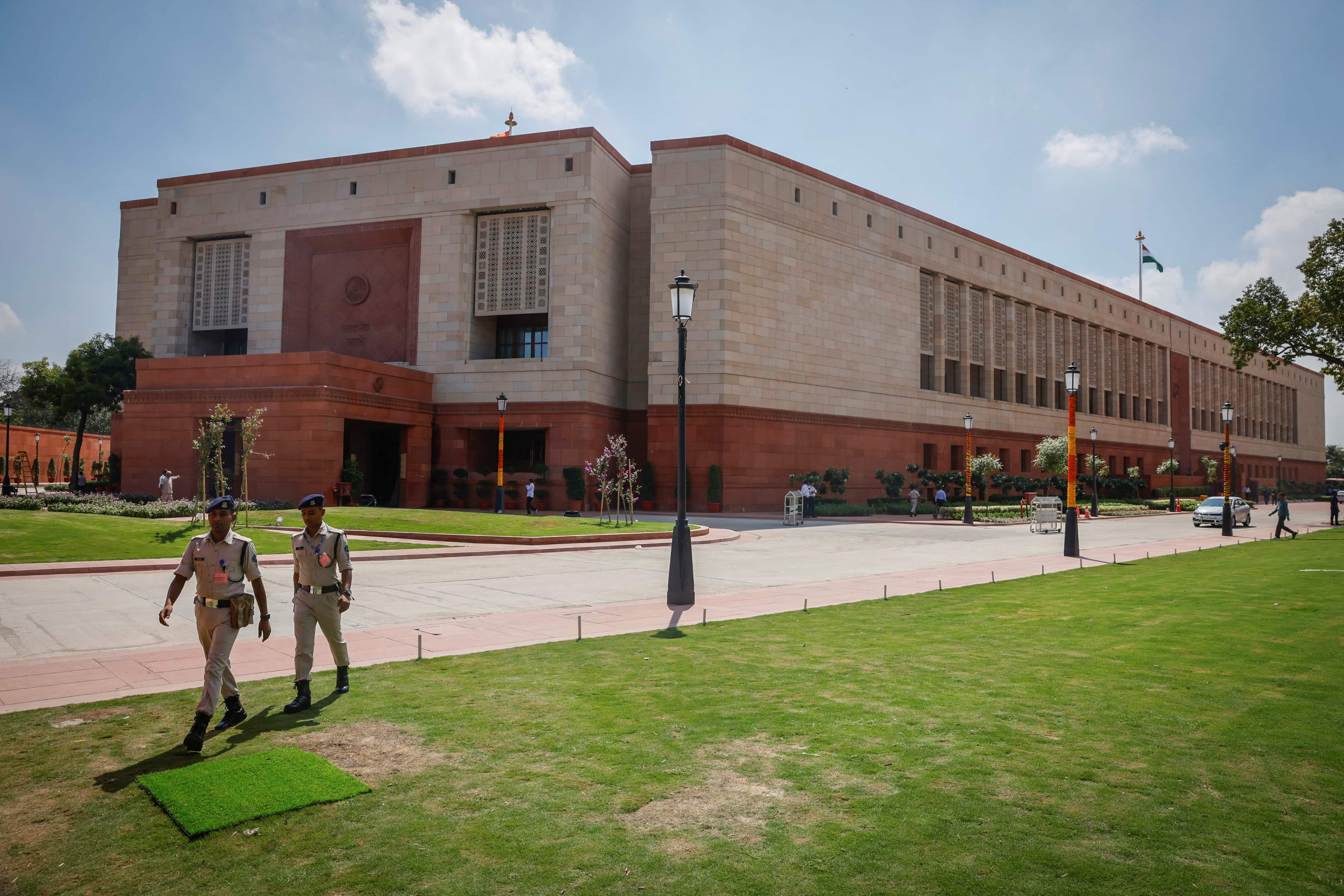
The security breach in India's brand-new parliament building on December 13 brought back two memories. One was of the late 1990s when I was in the Lok Sabha in the press gallery when I saw a youth suddenly jump from the visitors' gallery into the main hall that was just about eight feet below and shouting slogans calling for a hill-state called Uttarakhand carved out of Uttar Pradesh, which is now a reality.
The other, strangely, enough was of Bangalore in 2003, where I was covering the visit of the then Israeli prime minister Ariel Sharon. Given the threat Israel faces from hardline Islamist and Palestinian groups, I expected strong security—and there it was. However, what I saw were very pleasant security men whose eyes may have been taking in details of various things in their horizon, but whose conduct including a bit of amiable chatter gave nothing away.
Bottomline: Strong security needs alert eyes, keen ears, efficient arms, and high-tech equipment but what it is and what it is seen to be are two different things.

I was on a video discussion after the yellow smoke attack this week with a panel of fellow journalists who have covered parliament, and the talk veered around to how media persons now have an entry into the new parliament building as if it were a backdoor. The snide tone was inescapable as one mentioned the surfeit of glamorous and curious visitors including movie stars entering the house from front doors to have what in India we call a "dekho" —and the potential for security distraction such things hold.
Between the "dekho" and the decorum of the house falls the long arm of the administration. There are enough and more experts telling us what should have been done or could have been done or must be done to boost security after some youngsters with no apparent connection with organised groups smuggled in canisters that oozed a yellow smoke haze that sent shivers down the spines of Indian VIPs. Given that the incident happened ominously enough on December 13, the anniversary of the 2001 attack by terrorists in the adjacent old parliament building in New Delhi, the fears are understandable.
Then there are questions on everything from novel protests to whether guns could be smuggled in the way the canisters were and whether the recent expulsion of Lok Sabha member of parliament Mahua Moitra after a cyber security breach was an overreaction by the ethics committee.
&imwidth=180&imheight=135&format=webp&quality=medium)
Shreyas Iyer blames dew for West Indies' record run chase in 2nd T20I in Ranchi
&imwidth=180&imheight=135&format=webp&quality=medium)
100,000 strikes in 3 years: How October 7 redefined Israel's war
&im=FitAndFill=(700,400)&imwidth=180&imheight=135&format=webp&quality=medium)
Happy Birthday Rekha: Watch these 7 evergreen Bollywood hits on Netflix, Prime Video and more
&imwidth=180&imheight=135&format=webp&quality=medium)
'I am not going to be watching it': JD Vance on livestream of Nidal Hasan's firing squad execution
&imwidth=180&imheight=135&format=webp&quality=medium)
UK navy hit by espionage scandal: Sailor accused of spying for Russia | Gravitas
&imwidth=180&imheight=135&format=webp&quality=medium)
Katie Zacharia likely to succeed Karoline Leavitt as Trump's White House press secretary
&imwidth=180&imheight=135&format=webp&quality=medium)
Delhi on high alert for CJP protest: Delhi police to use body cams to 'prove whether we did anything’; Pink Force, RAF, 35,000 personnel deployed
&imwidth=180&imheight=135&format=webp&quality=medium)
‘Never-ending flow of cheap labour’: JD Vance hits back at Indian-origin Congresswoman over US green card curbs for major tech companies
&imwidth=180&imheight=135&format=webp&quality=medium)
Panama president declares ‘major disaster’ after powerful 7.7-magnitude earthquake; over 80 aftershocks recorded
&imwidth=180&imheight=135&format=webp&quality=medium)
‘250? Cool.’: Shai Hope takes swipe at Shubman Gill’s Instagram caption after Ranchi T20I masterclass
&imwidth=180&imheight=135&format=webp&quality=medium)
'Jantar Mantar not the story of India': BJP's Sambit Patra claims 'anarchists' tried to hold Delhi captive
&imwidth=180&imheight=135&format=webp&quality=medium)
'I ended 8 wars': Trump slams Nobel Peace prize decision, claims award was his due
&imwidth=180&imheight=135&format=webp&quality=medium)
Dhurandhar: The Revenge album submitted for Grammy consideration; But what does it mean?
&imwidth=180&imheight=135&format=webp&quality=medium)
J&K Government orders major police reshuffle, transfers 100 officers across UT
&imwidth=180&imheight=135&format=webp&quality=medium)
New York protests erupt as Trump administration defends ICE shooting
&imwidth=180&imheight=135&format=webp&quality=medium)
Delhi protest: Metro curbs, train cancellations, traffic diversions as protesters seek CEC Gyanesh Kumar’s resignation
&imwidth=180&imheight=135&format=webp&quality=medium)
Powerful 7.7 magnitude earthquake strikes Panama, tsunami warning issued
&imwidth=180&imheight=135&format=webp&quality=medium)
Adéla gives KATSEYE’s Lara Raj and Megan Skendiel a shout-out at Fonda Theatre in LA
&imwidth=180&imheight=135&format=webp&quality=medium)
'Modi is a dictator': Abhijeet Dipke claims govt 'scared' of youth, slams stringent measures ahead of CJP Jantar Mantar protest
&im=FitAndFill=(700,400)&imwidth=180&imheight=135&format=webp&quality=medium)
New Friday OTT releases (October 9, 2026): Reporting Live, Animals, Take Charge of My Heart- 6 new titles coming on Netflix, JioHotstar and more
&imwidth=180&imheight=135&format=webp&quality=medium)
Two-thirds of competitive GOP candidates split with trump ahead of November midterms
&imwidth=180&imheight=135&format=webp&quality=medium)
'Ouch!!! That must hurt': Kangana Ranaut hails Kamal Haasan's sharp reply to Elon Musk over Starlink row
&imwidth=180&imheight=135&format=webp&quality=medium)
Trump announces Russian diesel deal as Zelensky criticises move
&imwidth=180&imheight=135&format=webp&quality=medium)
‘Right to protest must be protected, but...’: Delhi Police reveals why it denied CJP permission for October 10 Jantar Mantar protest
&imwidth=180&imheight=135&format=webp&quality=medium)
Pakistan denies reports of PAF jets being used in attacks against Iran-backed Houthis in Yemen
&imwidth=180&imheight=135&format=webp&quality=medium)
Ella Langley’s Oklahoma show abruptly cancelled over safety concerns after threat report
&imwidth=180&imheight=135&format=webp&quality=medium)
TCS leads tech gains, lifts market sentiment
&imwidth=180&imheight=135&format=webp&quality=medium)
All 22 Indian seafarers safe in attack on Panama-flagged tanker off UAE coast
&imwidth=180&imheight=135&format=webp&quality=medium)
Ryan Reynolds’ private messages reveal his blunt views on Justin Baldoni from Blake Lively’s legal case
&im=FitAndFill=(700,400)&imwidth=180&imheight=135&format=webp&quality=medium)
Rakul Preet Singh birthday special: 7 times the Ramayana actress served glamorous looks

Kamal Haasan slams Elon Musk over Starlink delay row: 'Indian people, will decide our own future - not Western'
&im=FitAndFill=(700,400)&imwidth=180&imheight=135&format=webp&quality=medium)
Food shortages, suicide attempts and more: USS Abraham Lincoln returns to US after 321 day deployment — What happened aboard the US carrier?
&imwidth=180&imheight=135&format=webp&quality=medium)
Thai queen becomes first reigning monarch to fly jet solothailand #queen #wion
&imwidth=180&imheight=135&format=webp&quality=medium)
SC questions closure of 57 Delhi Metro stations, asks Centre to resume services in regulated manner
&imwidth=180&imheight=135&format=webp&quality=medium)
OpenAI shuts down Russian, Iranian influence operations using ChatGPT to spread propaganda
&imwidth=180&imheight=135&format=webp&quality=medium)
Flydubai co-pilot developed extremist views while studying in Australia: UAE prosecutors
&imwidth=180&imheight=135&format=webp&quality=medium)
'Even Indira Gandhi didn't do this': Abhijeet Dipke, Saurav Das and Ashutosh Ranka detained from inside their flight | Watch video
&imwidth=180&imheight=135&format=webp&quality=medium)
US midterm elections 2026: What a blue wave or blue tsunami could mean for Trump
&imwidth=180&imheight=135&format=webp&quality=medium)
Trump honours Microsoft CEO Satya Nadella with top technology honour amid immigration scrutiny
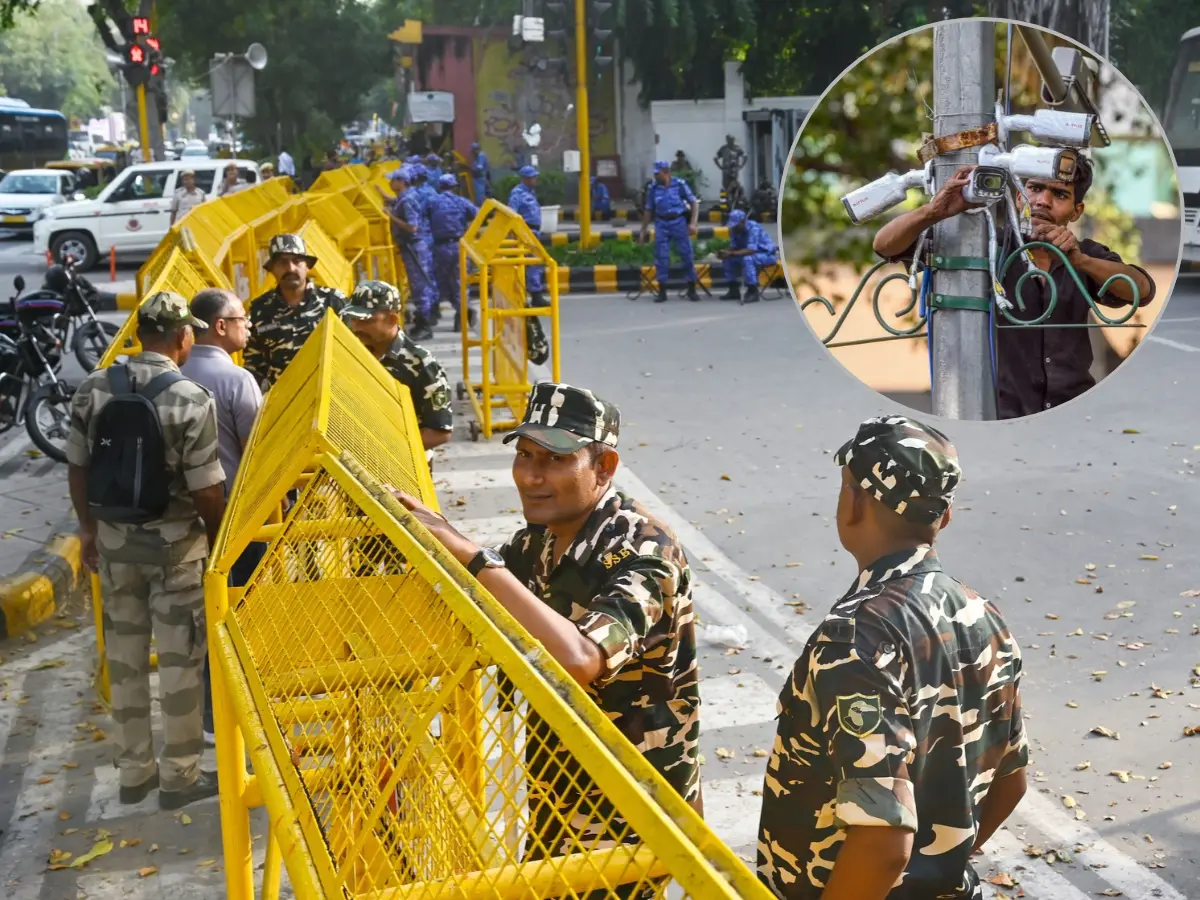
Beyond all this, I still think the focus should be on elegant but hard-as-nuts security of the kind I witnessed in Bangalore. Security personnel, in my humble opinion, come in various shapes, sizes, and personality traits. I have covered a couple of G20 summits in high-security zones, been to the prime minister's house and chief minister offices, and entered parliament premises on countless occasions.
Many of us have also been through airport security checks which became tedious after the 9/11 attacks months before the Indian parliament was attacked in 2001. Many guards have little or no hard training whatsoever and casually use the frisking device or inspections as a routine act with bureaucratic rules. There are standup comedians like Varun Grover who have made a career out of mocking security staff and their gauche ways
In India, the Special Protection Group that guards the PM is one I am understandably impressed by, as it comes close to what I witnessed with the Israeli VIP security. They are professional, focused, well-dressed and pleasant. In terms of both recruitment and training, they reflect personality traits that are distinct from the kind I have witnessed elsewhere.
What this means is that in both recruitment and training, we need people well above the standards often encountered in Indian security cordons
The harsh fact is that the Indian government is caught in a maze following this week's yellow haze. It has to juggle public convenience, security alertness, and global threats from overseas-based baiters like Khalistani hardliners who have been issuing public threats to India. Could we think of the SPG going beyond its traditional brief to train lesser mortals of the security hierarchy so that we can scale up security not merely in numbers but in quality? Maybe we could do with retired SPG staff being deployed for this.
(Disclaimer: The views of the writer do not represent the views of WION or ZMCL. Nor does WION or ZMCL endorse the views of the writer.)
