

&imwidth=800&imheight=600&format=webp&quality=medium "This Yoga Day, make every bite count toward flexibility, stamina, and mindfulness")
Dr. Bindushree Bhandary
Yoga is essentially a spiritual discipline based on an extremely subtle science, which focuses on bringing harmony between mind and body. It is an art and science of healthy living. As the world comes together to celebrate International Yoga Day, it is a timely reminder that yoga is more than just a physical practice—it’s a holistic lifestyle that nurtures strength, balance and inner awareness. Once considered a niche wellness practice, yoga has now become an integral part of everyday life for millions. Its appeal goes beyond physical toning—offering a powerful pathway to mental clarity, breath awareness, conscious mobility and recovery.
At the centre of this holistic journey is an ally that is quite commonly overlooked and undervalued: Nutrition. When practised in synergy with mindful, balanced eating, yoga becomes even more powerful, helping individuals unlock greater stamina and better health.
The Synergy Between Yoga and Smart Nutrition
Yoga and nutrition share a common purpose: to promote well-being from the inside out. While yoga strengthens the mind-body connection, smart nutrition provides the fuel, as the body needs fuel to perform physical postures (asanas), the mind also relies on nutrients to maintain clarity, calmness, and emotional balance.
Thoughtfully chosen nutrients support both physical movement and mental clarity. For instance:
Yoga may appear gentle, but many styles—like Vinyasa, Ashtanga, or Power Yoga—demand muscular strength, endurance, and control. Macronutrients such as:
Trending Stories
&im=FitAndFill=(700,400)&imwidth=180&imheight=135&format=webp&quality=medium)
What is the real meaning behind Pete Hegseth's tattoos?
&imwidth=180&imheight=135&format=webp&quality=medium)
Zohran Mamdani's Garba dance goes viral as he joins Indian community's Navratri celebrations | WATCH
&imwidth=180&imheight=135&format=webp&quality=medium)
Rafale Marine fighter begins flight trials in Goa ahead of Indian Navy induction
&imwidth=180&imheight=135&format=webp&quality=medium)
Explosions heard in Iran’s Hormozgan province near Strait of Hormuz: State media
&imwidth=180&imheight=135&format=webp&quality=medium)
Shock, anger and despair in Bangladesh over the executions
&imwidth=180&imheight=135&format=webp&quality=medium)
Meta slapped with $25 billion fine in New Mexico over Facebook data practices, company plans appeal
&imwidth=180&imheight=135&format=webp&quality=medium)
Man marries off wife of 17 years to her lover in Uttar Pradesh
&imwidth=180&imheight=135&format=webp&quality=medium)
Russia to send first tanker carrying 40,000 tonnes diesel to US after Trump-Putin deal – What we know
&imwidth=180&imheight=135&format=webp&quality=medium)
WATCH | Mysterious haze grips Ohio city as toxic chemical leak forces mass evacuation – What is happening?
&imwidth=180&imheight=135&format=webp&quality=medium)
Kim Jong Un death rumors explode | China accused of secretly sending troops to Pyongyang
&imwidth=180&imheight=135&format=webp&quality=medium)
James Bond auction: Own Daniel Craig's Skyfall suit, Ana de Armas' dress and 300+ rare 007 collectibles
&imwidth=180&imheight=135&format=webp&quality=medium)
Trump says end to Ukraine war is 'closer than ever'; Witkoff's Putin remarks spark criticism
&imwidth=180&imheight=135&format=webp&quality=medium)
Trump waves at 'empty space' in viral video,' critics claim 'mental decline getting worse' | WATCH
&imwidth=180&imheight=135&format=webp&quality=medium)
US Midterms 2026: Sugar Land, Plano, Irving: How Texas’s Indian-American belt could shape poll outcomes
&imwidth=180&imheight=135&format=webp&quality=medium)
US midterms: Democrats sue Trump administration over alleged 'threats and intimidation' ahead of election, Musk issues warning to Dems
&imwidth=180&imheight=135&format=webp&quality=medium)
‘Her heart and mind in good shape’: What Helen Haines’ husband said after MP loses both legs in ‘targeted’ attack
&imwidth=180&imheight=135&format=webp&quality=medium)
Why websites around the world are suddenly going offline? What you need to know about PHP
&imwidth=180&imheight=135&format=webp&quality=medium)
Israel election 2026: Three possible scenarios after October 27 polls
&imwidth=180&imheight=135&format=webp&quality=medium)
US midterms 2026: What polls and prediction markets indicate about Congress
&imwidth=180&imheight=135&format=webp&quality=medium)
'You are a dummy, you are a stupid person': Trump loses temper with CNN, ABC reporters after questions about Russia sanctions
&imwidth=180&imheight=135&format=webp&quality=medium)
US Midterms 2026 and money: From Bloomberg to Musk, corporate donors, super PACs and lobbies, it's all about the cash
&imwidth=180&imheight=135&format=webp&quality=medium)
Are the US and Israel preparing for another major attack on Iran? Here's what report claims
&imwidth=180&imheight=135&format=webp&quality=medium)
US orders embassy staff, families to leave Saudi Arabia amid Houthi attacks: Report
&imwidth=180&imheight=135&format=webp&quality=medium)
Ramayana promotion takes a funny turn after Ranbir Kapoor's verbal blunder, leaves fans in splits | Watch
&imwidth=180&imheight=135&format=webp&quality=medium)
Priyanka Chopra celebrates Dussehra 2026 with Nick Jonas and daughter Malti Marie | See pics
&im=FitAndFill=(700,400)&imwidth=180&imheight=135&format=webp&quality=medium)
New OTT releases this week (October 19-25, 2026): Gajab Raat to Chaar Yaar-8 titles to watch during Dussehra week on Netflix, Prime Video and more
&imwidth=180&imheight=135&format=webp&quality=medium)
US business activity grows in June, but tariffs and inflation cloud outlook
&imwidth=180&imheight=135&format=webp&quality=medium)
'I’m not saying it’s extraterrestrial' - 'Mutant' creature forces Mexicans to flee their homes
&imwidth=180&imheight=135&format=webp&quality=medium)
‘I caution the president...’: Trump’s ex-press secretary warns after Zacharia’s exit
&imwidth=180&imheight=135&format=webp&quality=medium)
Hunger makes alcohol more appealing, study finds
&imwidth=180&imheight=135&format=webp&quality=medium)
Finance influencer dies by suicide in Chennai; father accuses tech CEO, who denies charge
&imwidth=180&imheight=135&format=webp&quality=medium)
Kolkata airport: CISF detects ₹1.13 crore in US dollars hidden in bags of 2 Bangkok-bound passengers
&imwidth=180&imheight=135&format=webp&quality=medium)
Feds obtain DNA evidence that could prove Ilhan Omar married her brother: Report
&imwidth=180&imheight=135&format=webp&quality=medium)
US midterms 2026: Trump's approval rating hits record low as Democrats gain ground
&imwidth=180&imheight=135&format=webp&quality=medium)
Khawaja Asif flags ‘bureaucratic exodus’ from Pak amid Munir’s growing clout, loss of faith in govt
• Carbohydrates, like a pre-workout option. Simple carbohydrates provide immediate energy for sustained asana flow.
•Proteins aid in muscle recovery and repair after sessions.
•Healthy fats like omega-3 fatty acids support joint lubrication, long-lasting energy, reduce inflammation and benefit the cardiovascular and brain health. They help minimise oxidative stress, supporting faster recovery and cellular health.
• Micronutrients: Vitamin C (for collagen production), Calcium & Vitamin D (for bone and joint health), Magnesium and potassium (for muscle health and nerve function) are crucial to protect against injury and enhance flexibility. B vitamins, and antioxidants supports cognitive clarity, stress regulation, and emotional balance.
Poor nutrition—especially high sugar and processed foods—can impair focus, increase anxiety, and disrupt the calm state yoga aims to cultivate. Without adequate fuel, energy drops, focus wanes, and recovery slows, diminishing the overall effectiveness of practice. Having the right nutrients provides support for both muscle function and flexibility, as well as diminishing inflammation that may become a barrier to movement, as well as mood. Yoga supports healing, but overuse or poor recovery can lead to inflammation. The quality of your food influences the quality of your movement, breath, and focus. Just as yoga builds strength from the inside out, so too should your nutrition. Aligning your dietary choices with your practice can deepen its impact, enhance your performance, and foster long-lasting wellness, both on and off the mat.
)
Yoga day Photograph: (Freepik)
Nutrition Timing: Before and After Yoga
Smart nutrition is not just about what you eat, but also when to eat.
Pre-yoga: A light, nourishing meal within 2 hours before practice can help you maintain energy without discomfort. Foods high in complex carbohydrates, such as whole grains and fruit, coupled with a small amount of protein, are all helpful in supporting stamina in your practice. During an early morning yoga routine, opt for dry fruits like a couple of dates/ figs/a few raisins, 30- 40 minutes before the yoga session is better.
Post-yoga: When it comes to meals post-yoga, it's important to refuel energy, repair muscles, and unwind the nervous system. One must consider good protein sources, high protein and simple carbohydrate combination foods for muscle recovery within 15- 40 minutes post the session. Followed by the meal of the day, like whole foods with vegetables and lean protein or plant protein, healthy fats, and whole grains. Building smart nutrition into a habit is the key. One must:
• Choose a wide range of whole foods, including fruits and vegetables, nuts and seeds, legumes, excellent proteins and whole grains.
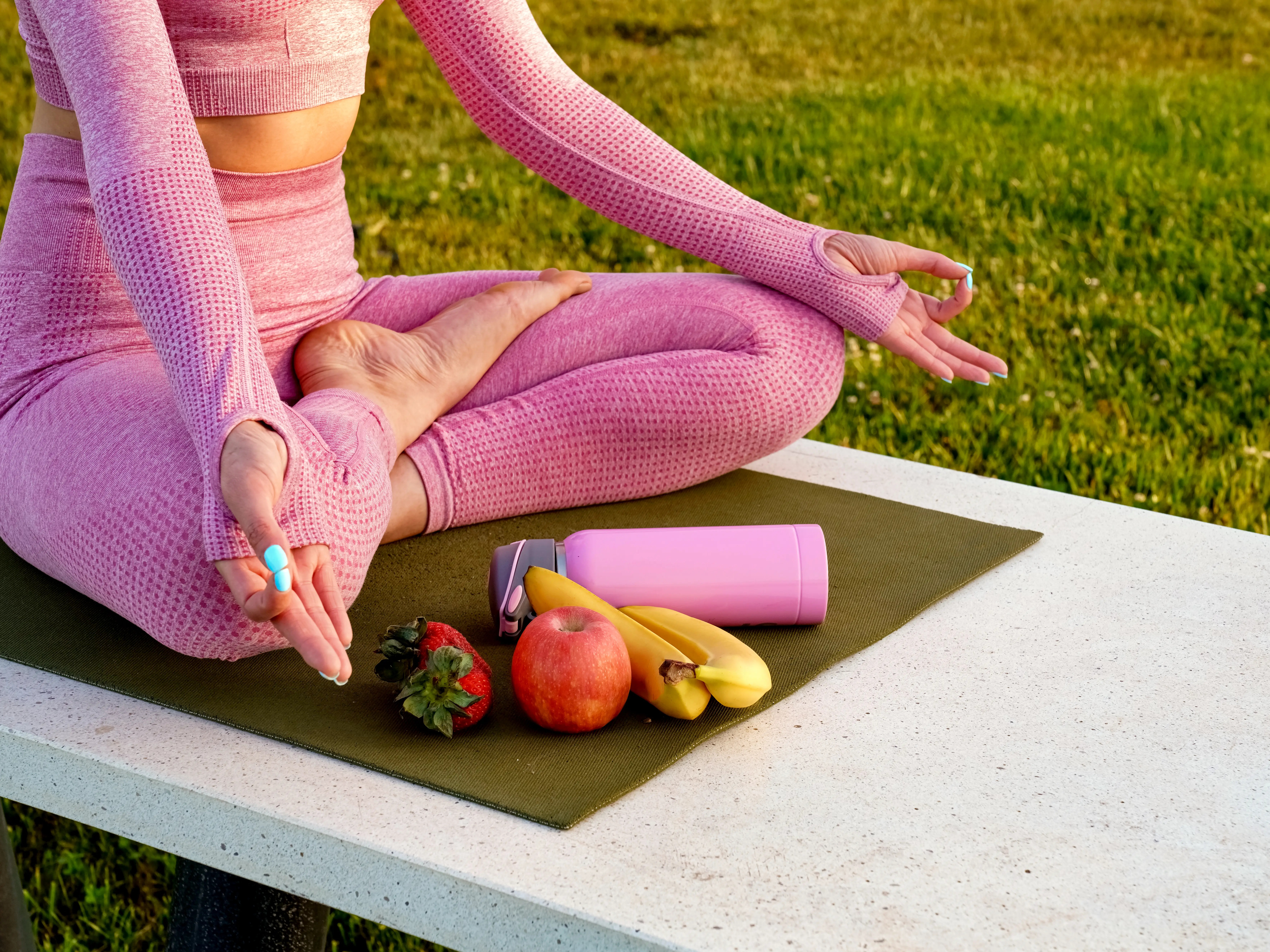)
Representative image of a women performing yoga Photograph: (Freepik)
Incorporate anti-inflammatory foods to help your recovery from fatigue.
•Slow down, savour meals, and listen to your body’s hunger and fullness cues. Just as yoga teaches awareness on the mat, nutrition should foster the same attentiveness at the table.
A Pathway to Holistic Wellness
Smart nutrition is not only an add-on to yoga but is a fundamental part of it. It builds the body, sharpens the mind, and supports the impalpable balance that yoga is trying to achieve. When one makes nutritious choices and practices yoga without distraction, they create a lifestyle based on awareness, vitality, and strength.
On this International Yoga Day, let us not just celebrate movement—but conscious nourishment. Because together, nutrition and yoga are an extraordinarily strong pair that nourishes vibrant health in body and spirit.
(Dr. Bindushree Bhandary, BNYS, MSc. DAN, Senior Nutrition Officer, Herbalife India)

