Weather update: Southwest monsoon likely to reach Kerala by June 4, says IMD

&imwidth=600&imheight=450&format=webp&quality=medium "Weather update: Southwest monsoon likely to reach Kerala by June 4, says IMD")
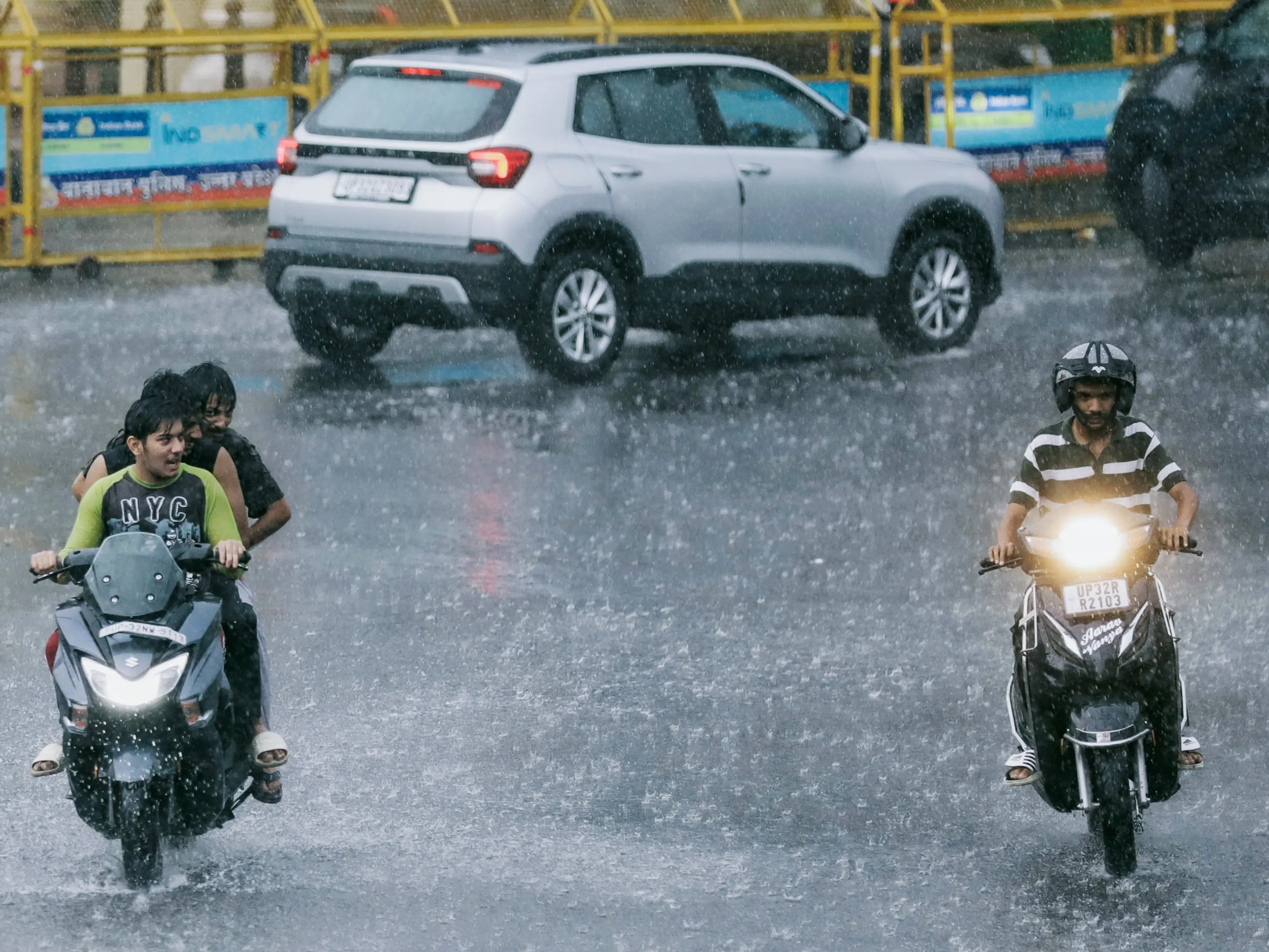
Representative image. Photograph: (ANI)
India depends on the southwest monsoon for 75–80 per cent of its annual rainfall. The four-month rainy season is crucial for agriculture, supporting the cultivation of key kharif crops such as paddy, pulses and oilseeds, while also playing a major role in the country's economy.
India Meteorological Department (IMD) predicted on Tuesday (June 2) that the southwest monsoon is likely to set in over Kerala around June 4. The weather department highlighted that there are favourable conditions for the further advancement of the southwest monsoon into some more parts of the southwest and southeast Arabian Sea, Lakshadweep Islands, parts of Kerala and Tamil Nadu, along with the areas of the Bay of Bengal.
"Conditions are favourable for further advance of southwest monsoon into some more parts of southwest & southeast Arabian Sea, Lakshadweep Islands, some parts of Kerala & Tamil Nadu, some more parts of southwest, westcentral, eastcentral & northeast Bay of Bengal, and remaining parts of southeast Bay of Bengal around 4th June," the IMD said.
Generally, the southwest monsoon makes it to the Andaman and Nicobar Islands around the third week of May before advancing towards the Indian mainland. The official date for the onset of the monsoon over the mainland of Kerala is June 1.
IMD forecast below-normal rainfall
The progress of the southwest monsoon is under close scrutiny this year after the IMD forecast below-normal rainfall at 90 per cent of the Long Period Average (LPA). Concerns about the potential influence of the El Niño weather phenomenon, which is typically linked with weaker and irregular rainfall patterns, have further intensified attention on the monsoon's advance.
Trending Stories
&im=FitAndFill=(700,400)&imwidth=280&imheight=210&format=webp&quality=medium)
&imwidth=280&imheight=210&format=webp&quality=medium)
&imwidth=280&imheight=210&format=webp&quality=medium)
&imwidth=280&imheight=210&format=webp&quality=medium)
&imwidth=280&imheight=210&format=webp&quality=medium)
&imwidth=280&imheight=210&format=webp&quality=medium)
&imwidth=280&imheight=210&format=webp&quality=medium)
&imwidth=280&imheight=210&format=webp&quality=medium)
&imwidth=280&imheight=210&format=webp&quality=medium)
&imwidth=280&imheight=210&format=webp&quality=medium)
&imwidth=280&imheight=210&format=webp&quality=medium)
&imwidth=280&imheight=210&format=webp&quality=medium)
&imwidth=280&imheight=210&format=webp&quality=medium)
&imwidth=280&imheight=210&format=webp&quality=medium)
&imwidth=280&imheight=210&format=webp&quality=medium)
&im=FitAndFill=(700,400)&imwidth=280&imheight=210&format=webp&quality=medium)
&imwidth=280&imheight=210&format=webp&quality=medium)
&imwidth=280&imheight=210&format=webp&quality=medium)
&imwidth=280&imheight=210&format=webp&quality=medium)
&imwidth=280&imheight=210&format=webp&quality=medium)
&imwidth=280&imheight=210&format=webp&quality=medium)
&imwidth=280&imheight=210&format=webp&quality=medium)
&im=FitAndFill=(700,400)&imwidth=280&imheight=210&format=webp&quality=medium)
&imwidth=280&imheight=210&format=webp&quality=medium)
&imwidth=280&imheight=210&format=webp&quality=medium)
&imwidth=280&imheight=210&format=webp&quality=medium)
&imwidth=280&imheight=210&format=webp&quality=medium)
&imwidth=280&imheight=210&format=webp&quality=medium)
&imwidth=280&imheight=210&format=webp&quality=medium)
&imwidth=280&imheight=210&format=webp&quality=medium)
&imwidth=280&imheight=210&format=webp&quality=medium)
&imwidth=280&imheight=210&format=webp&quality=medium)
&imwidth=280&imheight=210&format=webp&quality=medium)
&imwidth=280&imheight=210&format=webp&quality=medium)
&imwidth=280&imheight=210&format=webp&quality=medium)
India receives around 75–80 per cent of its annual rainfall during the four-month southwest monsoon season, making it vital for both the agricultural sector and the wider economy. The rains play a crucial role in the cultivation of major kharif crops, including paddy, pulses and oilseeds.
The kharif cropping season, which starts in June, contributes more than half of the country's total foodgrain production. As a result, the monsoon's performance remains a key determinant of agricultural output and food price inflation.

