Uttarakhand: First live-in relationship registered under UCC. Here's the list of rules


India News | Registering a live-in relationship in Uttarakhand involves both partners submitting a joint affidavit to a local notary, affirming their consensual cohabitation intentions.
The first ever live-in relationship was registered in the Indian state of Uttarakhand 10 days after the implementation of Uniform Civil Code (UCC) on Wednesday (Feb 5). By the end of Tuesday (Feb 4), the state government had reportedly received six applications for registration out of which, only one was approved while the rest were being examined.
On January 27, Uttarakhand became the first state of the country to implement the UCC. The code aims at promoting equal laws for every citizen across all religions and standardises personal laws on marriage, divorce and property.

How to register for a live-in relationship in Uttarakhand? Here's your guide. Brace yourself, because it's not that easy!
The registration fee
The registration starts with the couple submitting a list of 15 documents and filling a 16-page registration form online or offline. It has ₹500 registration fee.
&imwidth=180&imheight=135&format=webp&quality=medium)
Anirudh Ravichander-Kavya Maran wedding: Telangana CM reveals Chennai reception date
&imwidth=180&imheight=135&format=webp&quality=medium)
Brendan Taylor overtakes Andy Flower to become Zimbabwe’s leading ODI run-scorer
&im=FitAndFill=(700,400)&imwidth=180&imheight=135&format=webp&quality=medium)
Inside Tesla's Roadster: 10 features of Elon Musk's 'flying car' that push the limits of electric vehicles | In Pics
&imwidth=180&imheight=135&format=webp&quality=medium)
WATCH | iPhones, luxury perfumes floating in Hormuz? Iranian fishermen make bizarre discovery
&imwidth=180&imheight=135&format=webp&quality=medium)
'keep telling him you will get your opportunities': Iyer opens up on conversations with Sooryavanshi
&imwidth=180&imheight=135&format=webp&quality=medium)
Flying car race: Alef Aeronautics welcomes Tesla Roadster '11 years' later, but are the two models the same?
&imwidth=180&imheight=135&format=webp&quality=medium)
One species, two lineages: Why Sri Lanka’s spectacled cobra differs genetically from Indian variant
&imwidth=180&imheight=135&format=webp&quality=medium)
Tiger Shroff attacked by three gunmen in Mumbai, actor safe, two injured
&imwidth=180&imheight=135&format=webp&quality=medium)
Oil tanker carrying over 2M barrels of crude hits mine in Strait of Hormuz, catches fire, says Iran
&imwidth=180&imheight=135&format=webp&quality=medium)
SA vs AUS 2nd Test: Rain delays start as Rabada returns; Boland replaces Lyon for Australia
&imwidth=180&imheight=135&format=webp&quality=medium)
2 injured in plane crash on busy California highway
&imwidth=180&imheight=135&format=webp&quality=medium)
6-year-old among 2 killed as vehicle crashes into youth soccer game in US
&imwidth=180&imheight=135&format=webp&quality=medium)
Cattle-feed bran in biscuits, detergent in milk: FSSAI acts against 3 companies
&imwidth=180&imheight=135&format=webp&quality=medium)
‘I have very severe problems’: Trump fuels health speculation during address to firefighters
&imwidth=180&imheight=135&format=webp&quality=medium)
"The scariest thing was"... flydubai Captain Smit Machchhar recalls cockpit fight and how he thought of his son and daughter
&imwidth=180&imheight=135&format=webp&quality=medium)
Pakistan to head IMF, World Bank boards after 74 years amid persistent economic crisis
&imwidth=180&imheight=135&format=webp&quality=medium)
'We feel like Mr India': Gujarat’s undercover SHE team guard garba nights at Navratri
&imwidth=180&imheight=135&format=webp&quality=medium)
Kolkata Durga Puja stampede: PM Modi announces Rs 2 lakh ex-gratia for kin of dead, Amit Shah to visit injured
&imwidth=180&imheight=135&format=webp&quality=medium)
‘My president, I mean my husband’: Trump's new press secretary Katie Zacharia's first briefing goes off the rails in 14 minutes
&imwidth=180&imheight=135&format=webp&quality=medium)
Two students die, 14 injured at Dandiya event in Hyderabad: Know what happened? VIDEO
&imwidth=180&imheight=135&format=webp&quality=medium)
Rain washes out 5th T20I as India-West Indies share honours 2-2
&imwidth=180&imheight=135&format=webp&quality=medium)
PCB omits Atherton, Hussain from tri-series commentary panel over Imran Khan interview row
&imwidth=180&imheight=135&format=webp&quality=medium)
China responds to Trump's Press Secretary Katie Zacharia after toilet remark: 'Visit China more often'
&imwidth=180&imheight=135&format=webp&quality=medium)
'Reason UN has lost credibility': Amid SIR protests India hits out at report alleging 'youth repression'
&imwidth=180&imheight=135&format=webp&quality=medium)
‘Be back in few weeks’: Emi Martinez shares first update after head clash in Premier League match
&imwidth=180&imheight=135&format=webp&quality=medium)
UAE agrees with Saudi Arabia to rejoin Yemen fight as Houthi strikes rattle Riyadh
&imwidth=180&imheight=135&format=webp&quality=medium)
Taylor Swift performs at star-studded Academy Museum Gala 2026 in stunning Dior ensemble
&imwidth=180&imheight=135&format=webp&quality=medium)
At least 400 arrested as protests turn violent in France; PM blames far left
&imwidth=180&imheight=135&format=webp&quality=medium)
'We are not sitting in ivory towers, we are aware': SC issues notice to Rahul Gandhi, Akhilesh Yadav
&imwidth=180&imheight=135&format=webp&quality=medium)
‘I don’t know how my family escaped': Congressman Raja Krishnamoorthi chokes while revealing he was inside US temple during foiled attack
&imwidth=180&imheight=135&format=webp&quality=medium)
US midterm elections 2026: Postal ballots and voter disenfranchisement — A key battle for Donald Trump
&imwidth=180&imheight=135&format=webp&quality=medium)
Lizard people? Ex-US Army sniper claims soldier killed by 'reptilian beings' in battle near Area 51
&imwidth=180&imheight=135&format=webp&quality=medium)
IND-W vs ZIM-W, 2nd T20I: When and where to watch live streaming in India?
&imwidth=180&imheight=135&format=webp&quality=medium)
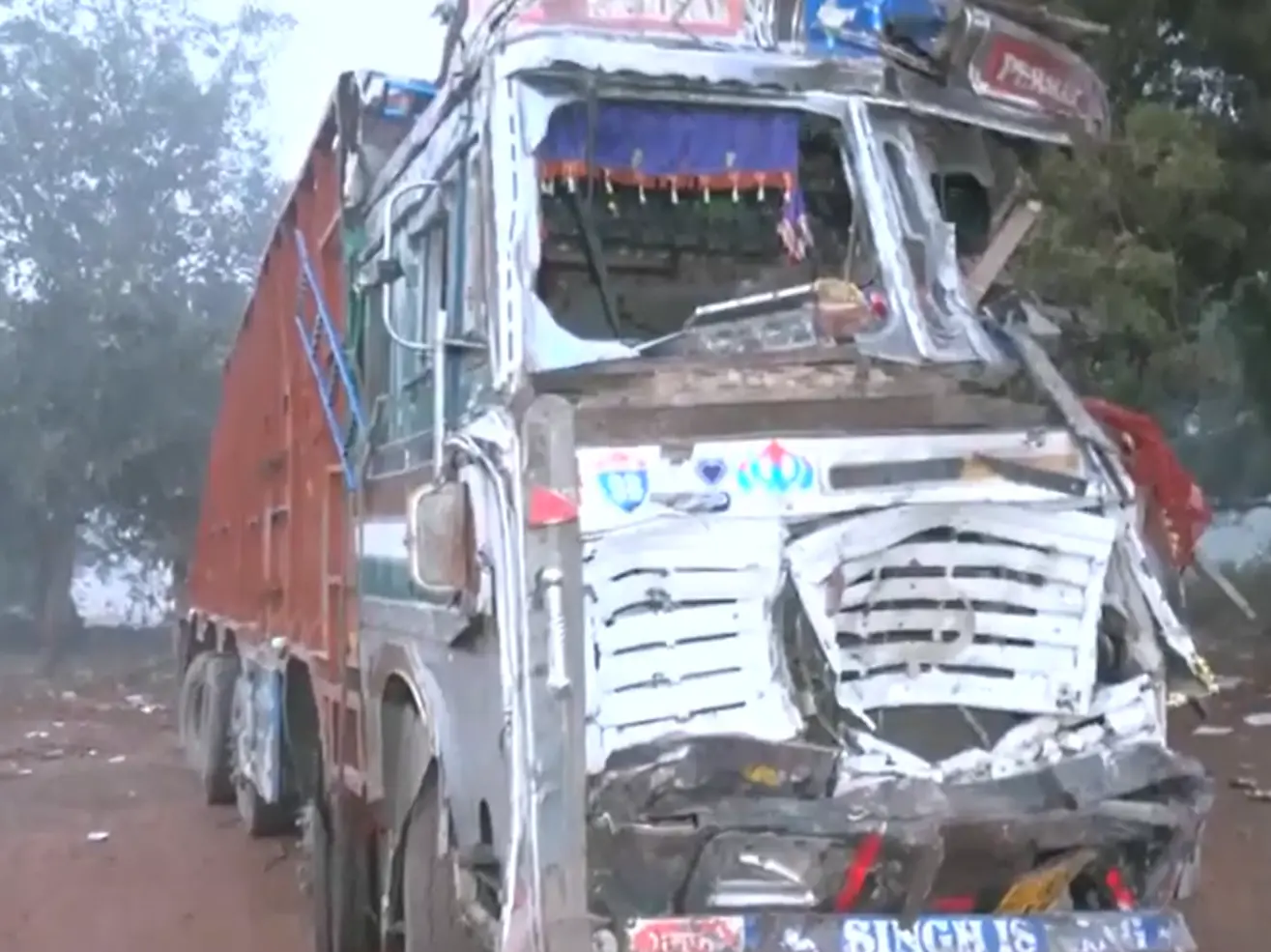
13 dead after truck mows down devotees, crashes into temple gate in Madhya Pradesh's Gwalior
Identification documents
If the couple is registering online, they need to submit their Adhaar card (An Indian identification document). Both the parties must provide proof of residence and their age.
Also read: SC seeks Centre's response on Muslim woman's petition for inheritance under Indian Succession Act
If either of the couple or both of them are under the age of 21, their parents' permission will be required as well for the live-in relationship.
Fine for landlord if not registered
If a couple is living on rent, it is mandatory to show the live-in registration certificate before signing the rent agreement. Not doing so can lead to the landlord paying ₹20,000 as fine.
Disclosure of previous relationships
There also comes a part where the couple would have to disclose and submit proofs of their previous relationships. If either of them is a divorcee, they must submit the proof of the marriage dissolution. If the spouse has died, they would have to submit the death certificate of the same.
Prohibited relations
Furthermore, there is a long list of relatives, 74 in total, with whom the relationship is prohibited as per the UCC. Individuals cannot enter into live-ins with mother, father, grandmother, daughter, son, son's widow, daughter's son's widow, sister, sister's daughter, brother's daughter, mother's sister, father's sister etc.
If there is any case in which a couple, related as mentioned above, wants to stay in live-in, they must submit a No-Objection Certificate (NOC) issued from a religious leader of their particular religion.
If failed to register?
If the couple comes into a live-in relationship and fails to register within a month, they will have to pay an additional charge of ₹1,000.
Fee to end
If the couple desired to end the relationship, they would have to pay ₹500 fee charges.
Maintenance for women
If a woman is deserted by her partner, she can seek maintenance.
Legitimate child
UCC further gives recognition to the child born out of the live-in relationship.
(With inputs from agencies)

