

&imwidth=800&imheight=600&format=webp&quality=medium "Over 500 lakes lost or shrinking in J&K, CAG flags urgent ecological threat")
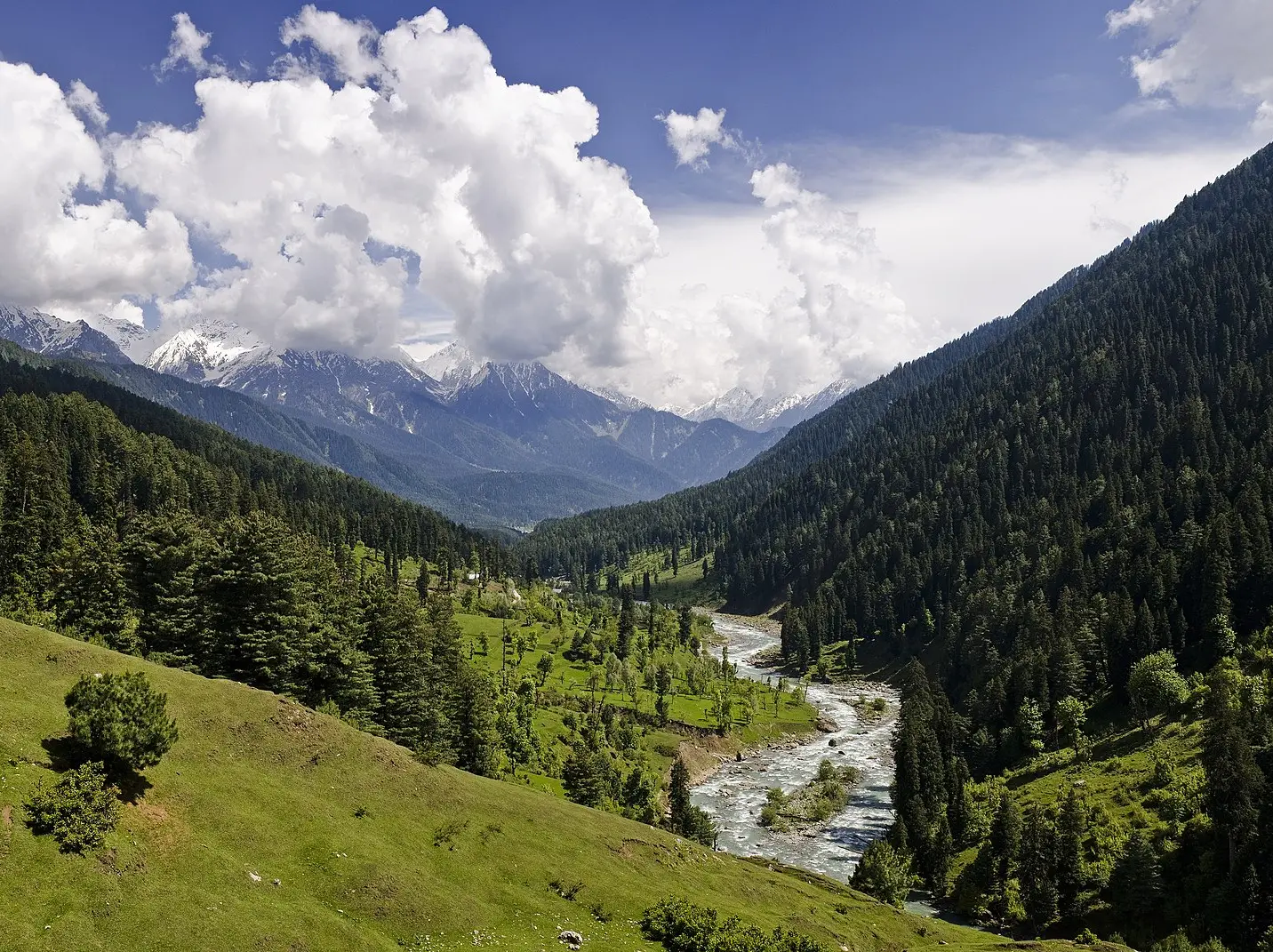
A recent report by the Comptroller and Auditor General (CAG) has raised serious concerns over the alarming decline of water bodies in Jammu and Kashmir, warning of a looming environmental crisis if urgent measures are not taken. According to the audit, out of 697 surveyed lakes and wetlands across the Union Territory, as many as 518, nearly 74 percent have either disappeared or significantly shrunk over time. The findings reveal that 315 lakes are no longer traceable, while 203 have reduced in size by a combined area of 1,314 hectares.
The report highlights that 63 lakes have lost more than half of their original area, putting their very existence at risk. Rapid urbanisation, encroachment, mismanagement, and the absence of sustained conservation efforts have been identified as the primary causes behind this degradation.
''The report notes that in 1967, Jammu and Kashmir had 697 lakes. According to the current scenario, 315 lakes have already disappeared, while another 205 are in the process of vanishing. In total, 518 lakes have either been lost or are shrinking in size. The primary causes are human-driven, especially encroachment, unplanned construction, and rapid urbanisation. The increasing conversion of agricultural land for non-agricultural use has further intensified the pressure on these water bodies. While environmental factors do play a role, they account for only about 5–10% of the problem. The major responsibility lies with human actions and institutional failures, '' said Faizan Arif, Expert.
The CAG has also flagged weak coordination among key departments, including Revenue, Forestry, and Agriculture, noting the lack of a cohesive and integrated management strategy for protecting these vital ecosystems. Environmental experts warn that the shrinking of water bodies has far-reaching consequences. The report points out that the loss of lakes and wetlands contributed to the devastating floods of September 2014, as many of these water bodies traditionally act as natural buffers by absorbing excess water during heavy rainfall.
Despite the scale of the crisis, conservation initiatives remain largely limited to a handful of major lakes, such as Dal and Wular, leaving hundreds of smaller yet ecologically significant water bodies across both Jammu and Kashmir neglected and vulnerable. The Chief Minister of Jammu and Kashmir stated that the CAG report comes as no surprise. He urged the people of the region to come together and take collective responsibility for protecting and preserving their water bodies.
''I don’t need the CAG to tell me what is self-evident. I am surprised that this has only now become a topic of discussion because someone has spoken about it. We see it all around us, whether in the water bodies in and around Srinagar or in rural areas. Many of these water bodies have either disappeared or significantly shrunk. They have diminished due to urbanisation, pressure on land, and the effects of climate change. Some of these factors may be within our control, while others are part of a larger, more complex challenge. What is clear, however, is that we need to be far more conscious of the environmental damage we are causing. This is not just the government’s responsibility; it requires a collective effort from all of us who live in Jammu and Kashmir. Is this the future we want to hand over to our children? If not, what can we do to be more mindful and responsible?,'' said Omar Abdullah, CM Jammu and Kashmir.
Trending Stories
&im=FitAndFill=(700,400)&imwidth=180&imheight=135&format=webp&quality=medium)
What is the real meaning behind Pete Hegseth's tattoos?
&imwidth=180&imheight=135&format=webp&quality=medium)
UK navy hit by espionage scandal: Sailor accused of spying for Russia | Gravitas
&imwidth=180&imheight=135&format=webp&quality=medium)
Katie Zacharia likely to succeed Karoline Leavitt as Trump's White House press secretary
&imwidth=180&imheight=135&format=webp&quality=medium)
‘Never-ending flow of cheap labour’: JD Vance hits back at Indian-origin Congresswoman over US green card curbs for major tech companies
&imwidth=180&imheight=135&format=webp&quality=medium)
Trump's naked 23-karat gold statue unveiled near European Parliament
&imwidth=180&imheight=135&format=webp&quality=medium)
‘Ruh Roh’: Top US official mocks ‘Indian market collapse’ claim after Trump’s IT curbs. But did it? | FACT CHECK
&imwidth=180&imheight=135&format=webp&quality=medium)
Can you be mean to AI? Anthropic’s new rules explicitly ban cruelty to Claude
&im=FitAndFill=(700,400)&imwidth=180&imheight=135&format=webp&quality=medium)
Fastest-growing Asian economies in 2026: Who tops the chart? Where does India rank?
&imwidth=180&imheight=135&format=webp&quality=medium)
Houthis continue direct hits on Saudi targets, Türkiye and Pakistan missing in action | Gravitas
&imwidth=180&imheight=135&format=webp&quality=medium)
'Do not stop it altogether': SC asks Centre to review Delhi Metro curbs ahead of Oct 10 protests
&imwidth=180&imheight=135&format=webp&quality=medium)
Jewar airport in Noida to be renamed Narendra Modi International Airport: CM Yogi
&imwidth=180&imheight=135&format=webp&quality=medium)
Russia president Putin promises to 'do everything' to help settle Middle East conflict as US-Iran negotiations stall
&imwidth=180&imheight=135&format=webp&quality=medium)
Powerful 7.7 magnitude earthquake strikes Panama, tsunami warning issued
&imwidth=180&imheight=135&format=webp&quality=medium)
BTS agency HYBE announces first-ever Weverse Con Festival in India
&imwidth=180&imheight=135&format=webp&quality=medium)
Trump has a new 'enemy': Anyone who calls it 'artificial intelligence'. Here's what we wants instead
&im=FitAndFill=(700,400)&imwidth=180&imheight=135&format=webp&quality=medium)
New Friday OTT releases (October 9, 2026): Reporting Live, Animals, Take Charge of My Heart- 6 new titles coming on Netflix, JioHotstar and more
&imwidth=180&imheight=135&format=webp&quality=medium)
BTS' RM urges Peru fans not to gather outside hotel: 'We can't sleep', It's becoming a nuisance'
&imwidth=180&imheight=135&format=webp&quality=medium)
Is Trump playing a double game with Iran?
&imwidth=180&imheight=135&format=webp&quality=medium)
Trump announces Russian diesel deal as Zelensky criticises move
&imwidth=180&imheight=135&format=webp&quality=medium)
Pakistan denies reports of PAF jets being used in attacks against Iran-backed Houthis in Yemen
&imwidth=180&imheight=135&format=webp&quality=medium)
New York ICE shooting sparks protests as Mamdani to call on Trump to halt ICE operations
&imwidth=180&imheight=135&format=webp&quality=medium)
IND vs WI: West Indies set record for highest successful run chase in T20Is against India
&imwidth=180&imheight=135&format=webp&quality=medium)
French students light European bonfire, protests erupt in Belgium, Italy & Greece | Gravitas
&im=FitAndFill=(700,400)&imwidth=180&imheight=135&format=webp&quality=medium)
Food shortages, suicide attempts and more: USS Abraham Lincoln returns to US after 321 day deployment amid Iran war — The whole row explained
&imwidth=180&imheight=135&format=webp&quality=medium)
OpenAI shuts down Russian, Iranian influence operations using ChatGPT to spread propaganda
&imwidth=180&imheight=135&format=webp&quality=medium)
SC questions closure of 57 Delhi Metro stations, asks Centre to resume services in regulated manner
&imwidth=180&imheight=135&format=webp&quality=medium)
Bangladesh named as Pakistan’s replacement for Asian Hockey Champions Trophy
&imwidth=180&imheight=135&format=webp&quality=medium)
‘We will end ICC’: US sanctions International court, threatens to cripple hours after Navi Pillay wins Nobel Peace Prize
&imwidth=180&imheight=135&format=webp&quality=medium)
US midterm elections 2026: What a blue wave or blue tsunami could mean for Trump
&imwidth=180&imheight=135&format=webp&quality=medium)
SC asks Centre to frame mechanism against unethical pharma marketing practices
&imwidth=180&imheight=135&format=webp&quality=medium)
Man prays to Satan at an Iowa city council, pastor rushes to 'reverse the curse'
&imwidth=180&imheight=135&format=webp&quality=medium)
Trump honours Microsoft CEO Satya Nadella with top technology honour amid immigration scrutiny
&imwidth=180&imheight=135&format=webp&quality=medium)
Sri Lankan Tamil worker gets death sentence in Saudi Arabia over blasphemy, calls for pardon intensify
&imwidth=180&imheight=135&format=webp&quality=medium)
‘Real boss of India’: Elon Musk escalates attack over Starlink’s India entry
He further added that ''Why don’t we start with simple actions—like using fewer plastic bags? Do we really need a government order to stop using them? As responsible citizens, what prevents us from carrying our own bags when we go shopping? Why must we rely on plastic from shops? If change only comes through stricter government intervention, then that may be the direction we are heading. But before it reaches that point, as a society, we still have the opportunity to come together and take meaningful steps to address this problem.''
The report underscores the urgent need for comprehensive policy intervention, improved inter-departmental coordination, and community participation to prevent further degradation and safeguard the region’s fragile environment for the future.
