India: NCERT modules on Chandrayaan spark controversy for 'mixing science with mythology'

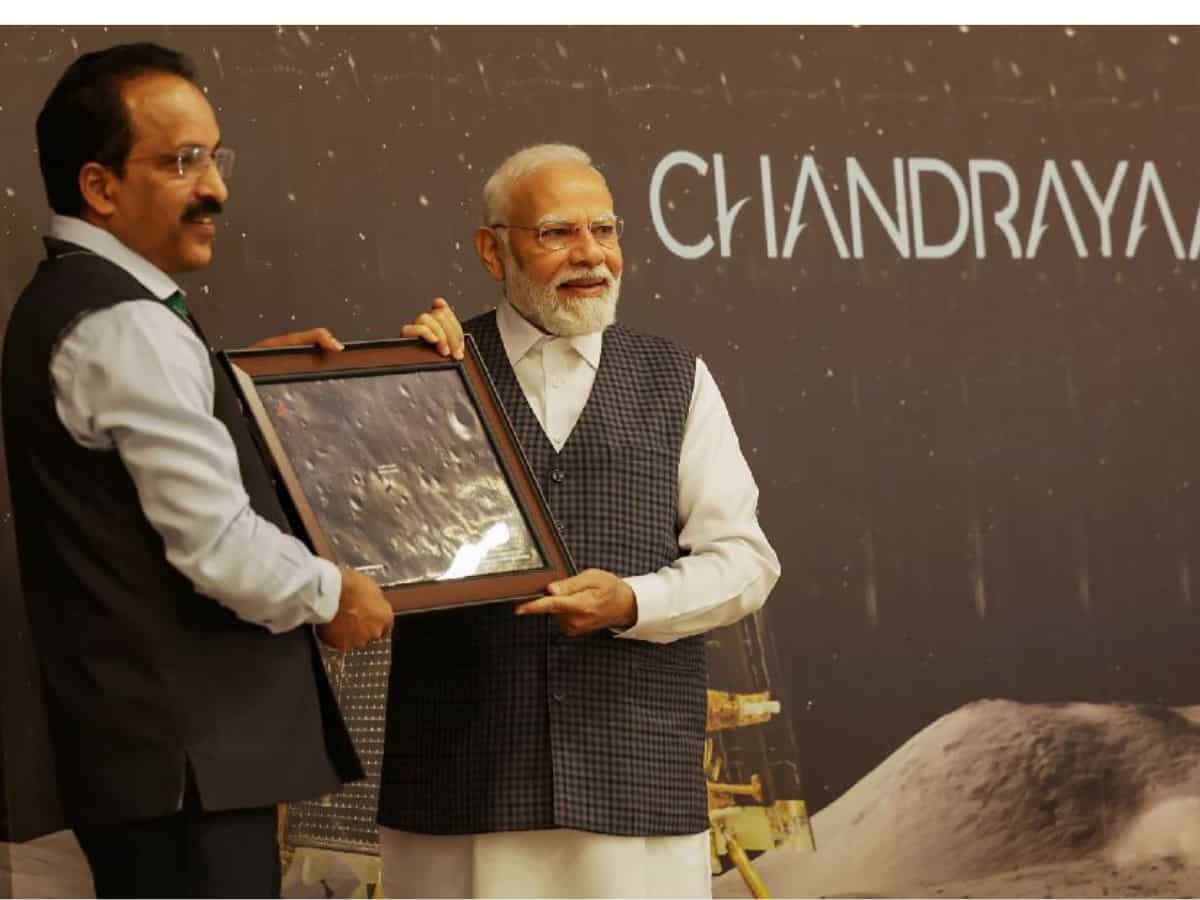
PM Modi and ISRO Chairman S. Somnath during the launch of NCERT modules on Chandrayaan
The National Council of Educational Research & Training (NCERT) released detailed modules on Chandrayaan after the successful touchdown to educate school children about India’s space accomplishments. The NCERT modules, named Chandrayaan Utsav, however, sparked a controversy for “mixing science with mythology.”
Several reports from Indian news outlets say that NCERT reading modules promote pseudoscience and make misleading claims for middle-school students.
Also Read |India's biggest data breach? Covid information of over 800 million people leaked

The All India People’s Science Network (AIPSN), a consortium of 40 organisations from 25 states, has also expressed concern that the modules are ill-written with errors and incorrect information. The consortium said that they could drive students away from the “existing field” of space science.
NCERT’s module on Chandrayaan sparks controversy
The set of modules titled ‘Chandrayaan Utsav’ was released online on Oct 17 in Hindi and English languages. The release took place at an event in New Delhi with Union Education Minister Dharmendra Pradhan and ISRO Chairman S. Somanath in attendance.
&im=FitAndFill=(700,400)&imwidth=180&imheight=135&format=webp&quality=medium)
New OTT releases this week (October 26-November 1, 2026): Baththa, Akka, The One About Matthew Perry- 7 titles coming on Netflix, Prime Video and more
&imwidth=180&imheight=135&format=webp&quality=medium)
Democrats allege 'desperate efforts to cover up' Trump's involvement in Jeffrey Epstein sex crimes, release 50-page report
&imwidth=180&imheight=135&format=webp&quality=medium)
Trump’s oil and gas holdings surge to $81.6 million amid Iran war as Americans face rising fuel costs
&imwidth=180&imheight=135&format=webp&quality=medium)
WATCH | Virat Kohli returns to training ahead of New Zealand ODI series
&imwidth=180&imheight=135&format=webp&quality=medium)
US midterms 2026: Democrat Annie Andrews gains bipartisan backing against Trump's pick Darline Graham in South Carolina Senate race
&imwidth=180&imheight=135&format=webp&quality=medium)
Shah Rukh Khan unveils new poster of King, Internet reacts
&imwidth=180&imheight=135&format=webp&quality=medium)
Uttarakhand innovator Ravi Tamta builds flying car without any formal engineering degree
&imwidth=180&imheight=135&format=webp&quality=medium)
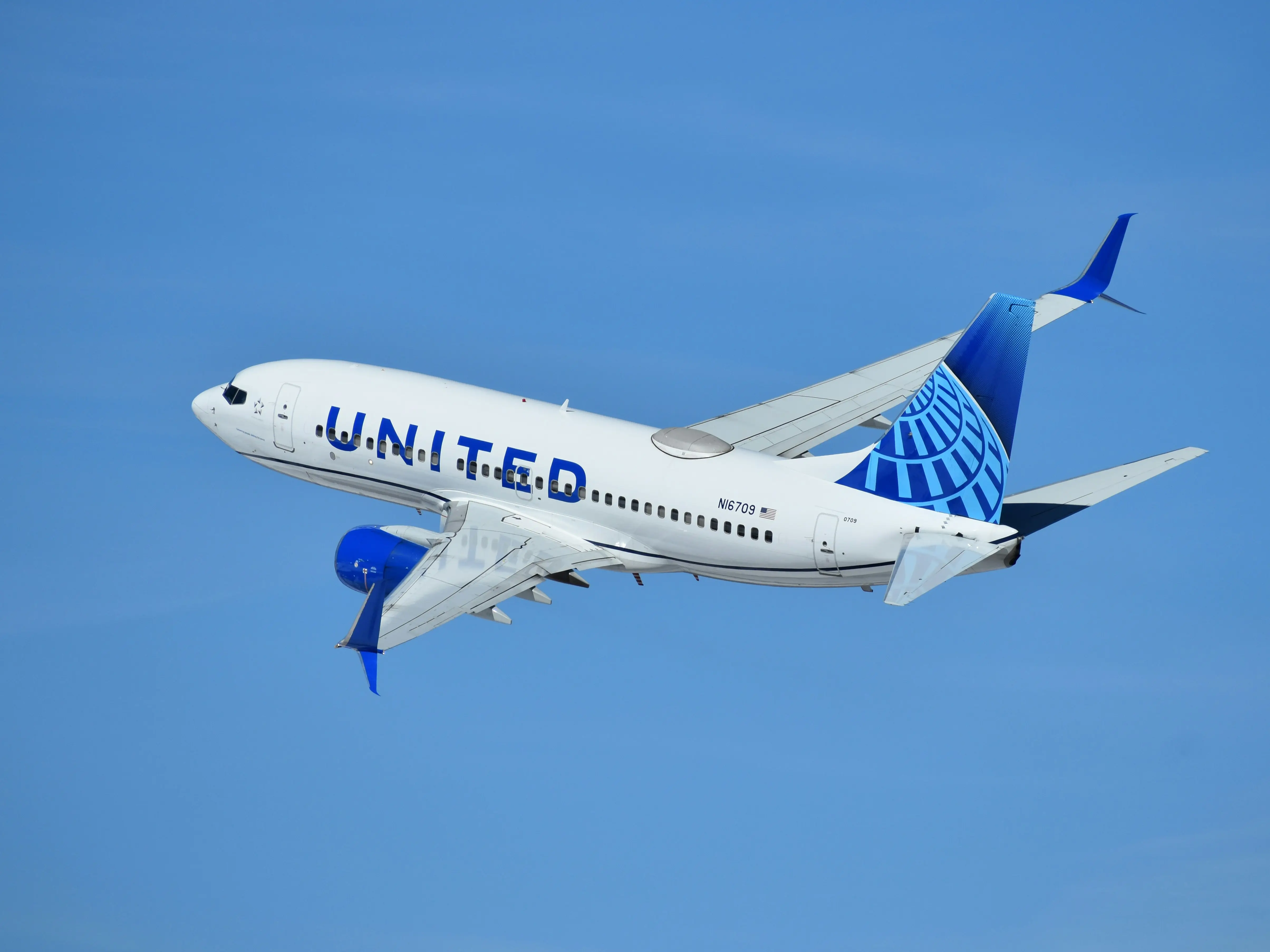
Hijack scare unfolds on United flight over suspicious text message. Here is what happened
&imwidth=180&imheight=135&format=webp&quality=medium)
Chris Brown given suspended eight-month jail term for London nightclub attack
&imwidth=180&imheight=135&format=webp&quality=medium)
'I've done my work sincerely': AR Rahman on facing backlash over Ramayana soundtrack
&imwidth=180&imheight=135&format=webp&quality=medium)
'Hire the robot, fire the human': Bill Gates's words hint at a bleak future
&imwidth=180&imheight=135&format=webp&quality=medium)
US Midterms 2026: Last leg polls and forecasts indicate Democratic momentum, but Senate control remains uncertain
&imwidth=180&imheight=135&format=webp&quality=medium)
'He is a red flag': Ex-India strength and conditioning coach on Rohit's fitness regime
&imwidth=180&imheight=135&format=webp&quality=medium)
Meta’s AI bet is getting more expensive: What its $95 billion share plan means
&imwidth=180&imheight=135&format=webp&quality=medium)
Mohra re-release in 4K: Akshay Kumar, Raveena Tandon’s film to clash with Ranbir Kapoor’s Ramayana
&imwidth=180&imheight=135&format=webp&quality=medium)
'Hell of a beautiful a**': Trump compliments Nicki Minaj as rapper joins him in Michigan rally
&imwidth=180&imheight=135&format=webp&quality=medium)
Police called after 3-year-old scores 10 goals in 12 minutes at Florida youth soccer game
&imwidth=180&imheight=135&format=webp&quality=medium)
Maurene Comey, daughter of ex-FBI director James Comey, was unlawfully fired as federal prosecutor, judge rules
&imwidth=180&imheight=135&format=webp&quality=medium)
Pakistan airline PIA unveils new crew uniforms, faces online criticism
&imwidth=180&imheight=135&format=webp&quality=medium)
Trick or Treat -Anthropic's IPO sales pitch is the perfect Halloween scare for AI enthusiasts
&imwidth=180&imheight=135&format=webp&quality=medium)
Storm Boelo’s fierce winds push passenger plane onto grass in UK, terrifying landing caught on cam
&imwidth=180&imheight=135&format=webp&quality=medium)
‘That is a miss’: Ravi Ashwin questions Sooryavanshi’s demotion to No. 3 in 2nd T20I vs NZ
&imwidth=180&imheight=135&format=webp&quality=medium)
'Already tired of his 9-to-5': Baby born with a moustache becomes internet sensation, video goes viral | Watch
&imwidth=180&imheight=135&format=webp&quality=medium)
Jordan strikes 'terrorist organisations' in Syria after deadly church attack as Damascus shuts main border crossing
&imwidth=180&imheight=135&format=webp&quality=medium)
Microsoft offers voluntary exit packages to 60,000 employees in India, US, UK and Canada
&imwidth=180&imheight=135&format=webp&quality=medium)
Trump accused of 'brutal' rape by ex-Miss Switzerland; Beatrice Keul alleges 'Don's best friend' Epstein facilitated assault in 1993
&imwidth=180&imheight=135&format=webp&quality=medium)
'Shove that ballroom up your a**': Trump heckled at Mississippi rally over White House ballroom renovations | WATCH
&imwidth=180&imheight=135&format=webp&quality=medium)
One dead, six injured in Elizabeth, New Jersey mass shooting; suspect flees
&imwidth=180&imheight=135&format=webp&quality=medium)
'Lousy president': Trump hits back at Obama over 'cheesecake factory' White House jibe
&imwidth=180&imheight=135&format=webp&quality=medium)
Zimbabwe slips four places to 14th out of 29 in Africa’s Digital Rights and Inclusion ranking
&imwidth=180&imheight=135&format=webp&quality=medium)
'She is a beautiful woman': Trump mocks Mexican President Sheinbaum, mimics her voice at US Midterms rally
The journey of ISRO’s Chandrayaan mission was divided into ten modules with interactive graphics and engaging illustrations.
Many reports claim that the piece reportedly has an excessive focus on Prime Minister Narendra Modi rather than on the contributions of the ISRO and the scientists involved in the mission. Other reports also allegethatmodules consistently referred to India as ‘Bharat’ across its 17 pages.
Also Read |India's stock market may decline by 25 pc if BJP loses 2024 elections: Jefferies
What do modules contain?
A module for students of Classes IX and X, for instance, contains the following text: “The moon is the brightest and largest heavenly body in our night sky. There are many benefits Earth gets from the moon… it (the moon) creates tides and protects Earth from solar winds, ideal for studying the universe.”
The AIPSN has described the text as misleading and inaccurate, as they said that the moon only appears to be the largest heavenly body because of its proximity to Earth.
Also Read |National Unity Day: PM Modi pays tributes to Sardar Patel in Gujarat on his birth anniversary
“The moon protecting the Earth from the solar wind is inaccurate and the second part of the sentence, ideal for studying the universe does not have any connection to the first and is meaningless here,” the AIPSN said.
Education Ministry clarifies
In response, the Ministry of Education has clarified that it is important to “equip teachers and students with knowledge that transcends traditional textbooks”. It said this endeavour aims to instil a sense of pride in India and its accomplishments.
The ministry added that it is essential to extend curricular material beyond textbooks with a focus on the nation’s achievements in an accessible and captivating way.
(With inputs from agencies)
WATCH WION LIVE HERE
You can now write for wionews.com and be a part of the community. Share your stories and opinions with us here.