Meerut blue drum murder case: From a love marriage to a death sentence

&imwidth=600&imheight=450&format=webp&quality=medium "Meerut blue drum murder case: From a love marriage to a death sentence")
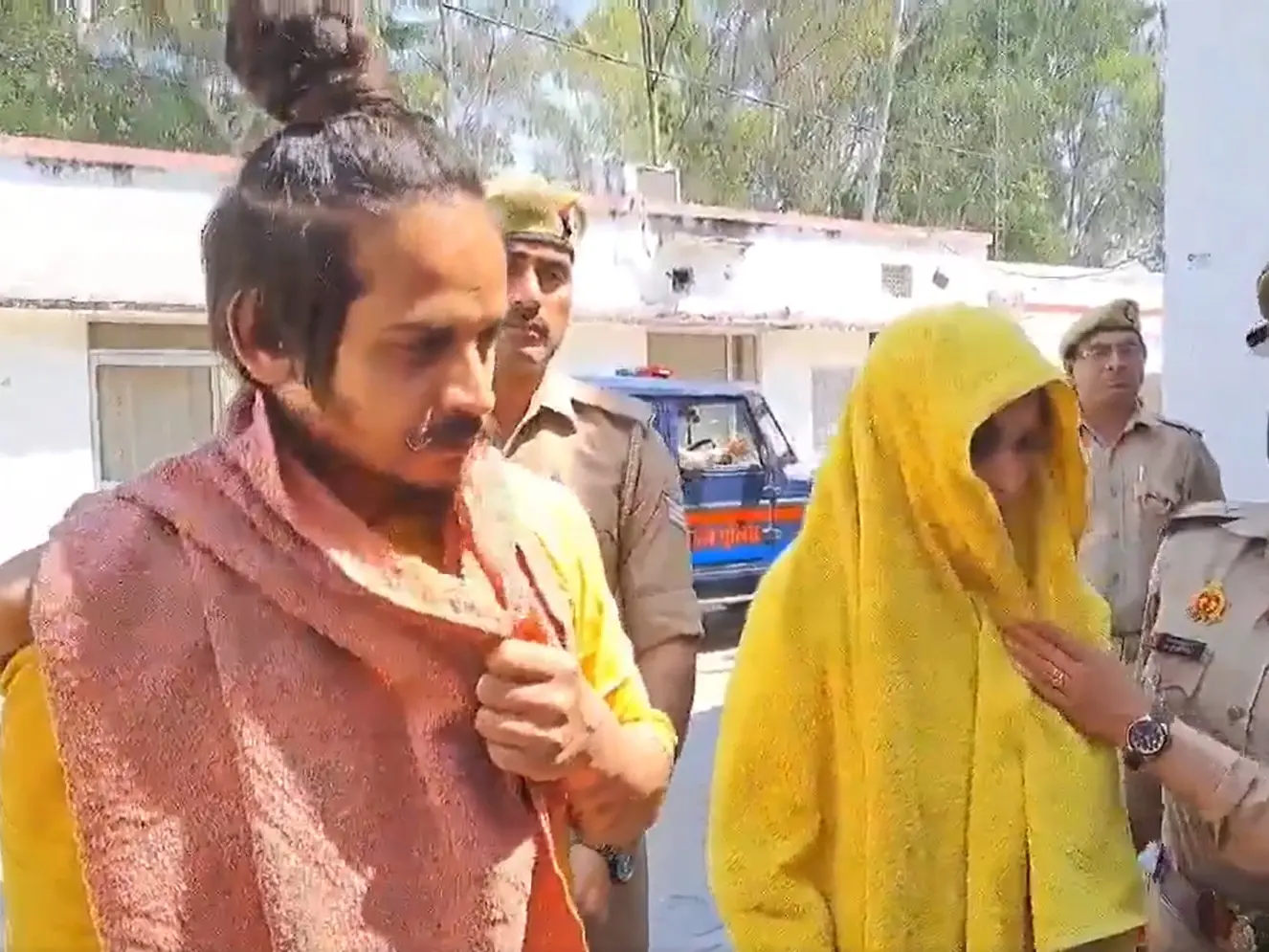
Muskaan Rastogi and her lover, Sahil Shukla, after their arrest by Uttar Pradesh Police.
A Meerut court sentenced Muskaan Rastogi and Sahil Shukla to death for murdering Merchant Navy officer Saurabh Rajput and hiding his dismembered body inside a cement-filled blue drum.
Nearly two years after Merchant Navy officer Saurabh Rajput was murdered, a court in Meerut on Wednesday sentenced his wife, Muskaan Rastogi, and her lover, Sahil Shukla, to death.
The case shocked many after investigators found that the accused had cut Saurabh's body into pieces and hidden the remains inside a blue plastic drum sealed with cement. After 126 hearings and statements from 22 witnesses, the court convicted the couple two weeks before pronouncing the sentence.
Here is how the case unfolded, from the couple's marriage to the court's verdict.
2016–2023: Marriage, family troubles and an affair
Saurabh and Muskaan married in 2016 after falling in love. Saurabh left his Merchant Navy job because he wanted to spend more time with his wife. However, his family was unhappy with the marriage and his decision to quit his job. The couple eventually moved into a rented house, and their daughter was born in 2019.
Their relationship later ran into trouble when Saurabh discovered that Muskaan was having an affair with his friend, Sahil Shukla. The couple considered divorce, but Saurabh eventually decided to stay in the marriage, keeping their daughter's future in mind.
Trending Stories
&imwidth=280&imheight=210&format=webp&quality=medium)
&im=FitAndFill=(700,400)&imwidth=280&imheight=210&format=webp&quality=medium)
&imwidth=280&imheight=210&format=webp&quality=medium)
&imwidth=280&imheight=210&format=webp&quality=medium)
&imwidth=280&imheight=210&format=webp&quality=medium)
&imwidth=280&imheight=210&format=webp&quality=medium)
&imwidth=280&imheight=210&format=webp&quality=medium)
&imwidth=280&imheight=210&format=webp&quality=medium)
&imwidth=280&imheight=210&format=webp&quality=medium)
&imwidth=280&imheight=210&format=webp&quality=medium)
&imwidth=280&imheight=210&format=webp&quality=medium)
&imwidth=280&imheight=210&format=webp&quality=medium)
&imwidth=280&imheight=210&format=webp&quality=medium)
&imwidth=280&imheight=210&format=webp&quality=medium)
&imwidth=280&imheight=210&format=webp&quality=medium)
&imwidth=280&imheight=210&format=webp&quality=medium)
&imwidth=280&imheight=210&format=webp&quality=medium)
&imwidth=280&imheight=210&format=webp&quality=medium)
&imwidth=280&imheight=210&format=webp&quality=medium)
&imwidth=280&imheight=210&format=webp&quality=medium)
&imwidth=280&imheight=210&format=webp&quality=medium)
&imwidth=280&imheight=210&format=webp&quality=medium)
&imwidth=280&imheight=210&format=webp&quality=medium)
&imwidth=280&imheight=210&format=webp&quality=medium)
&imwidth=280&imheight=210&format=webp&quality=medium)
&imwidth=280&imheight=210&format=webp&quality=medium)
&im=FitAndFill=(700,400)&imwidth=280&imheight=210&format=webp&quality=medium)
&imwidth=280&imheight=210&format=webp&quality=medium)
&imwidth=280&imheight=210&format=webp&quality=medium)
&imwidth=280&imheight=210&format=webp&quality=medium)
&imwidth=280&imheight=210&format=webp&quality=medium)
&imwidth=280&imheight=210&format=webp&quality=medium)
&imwidth=280&imheight=210&format=webp&quality=medium)
&imwidth=280&imheight=210&format=webp&quality=medium)
He later rejoined the Merchant Navy and moved abroad for work in 2023.
February 2025: Saurabh returns for his daughter's birthday
While working in London, Saurabh returned to India on February 24 to celebrate his daughter's sixth birthday on February 28.
According to the investigation, Muskaan and Sahil had grown closer and allegedly planned to kill him. Investigators found that the two were using drugs and feared Saurabh would stop them. He also knew about their affair.
The probe revealed that Muskaan bought two knives for Rs 800 around eight days before the murder. She reportedly practised stabbing with the knives but later purchased a cut-throat razor as well.
March 4: Murder and an attempt to hide the body
Investigators found that Muskaan mixed sleeping pills into Saurabh's food. After he fell asleep, she allegedly stabbed him three times and cut his throat with a razor. Sahil then used a knife to separate his head from his body.
The two cut the body into 15 pieces and placed them inside a blue plastic drum. They initially planned to cover the remains with mud and plant a sapling in the drum. However, fearing that the smell would expose the crime, they sealed the container with wet cement.
After the murder, Muskaan told people that Saurabh had gone to a hill station. She and Sahil then travelled to Manali with his phone and posted photographs through his social media accounts to make it appear that he was still alive.
Police later recovered videos from the trip and traced the pair's hotel stays in Shimla and Manali.
Meanwhile, Saurabh's family tried contacting him repeatedly but received no response. Their growing concern eventually led them to file a police complaint.
March 17–18: The plan to dispose of the drum fails
Muskaan and Sahil returned from their trip on March 17. The next day, they called labourers to help move the drum so they could dispose of it elsewhere.
However, the container was too heavy to lift. During the attempt, its lid came off, and a strong smell raised the labourers' suspicions.
Muskaan panicked and went to her parents' home. She initially tried to blame Saurabh's sister and brother-in-law but later admitted to her parents that she and Sahil had killed him. Her parents then took her to the police station.
Police detained both accused, who disclosed how they had murdered Saurabh and hidden his remains.
Evidence and court verdict
The prosecution relied on circumstantial, technical and physical evidence to establish the case against Muskaan and Sahil.
Shopkeepers testified that they had sold the accused a blue drum, cement bags, sand, cleavers and razors before the murder. Call detail records and mobile tower data placed Sahil at the house around the time of the crime. The post-mortem examination confirmed that Saurabh had died from stab injuries.
After 126 hearings and statements from 22 witnesses, the court convicted both accused. Two weeks later, District Judge Arvind Kumar Mishra sentenced Muskaan and Sahil to death, observing that crimes of this nature create fear across society.