Maharashtra loses Ajit Pawar: A tragedy that could have been prevented

&imwidth=600&imheight=450&format=webp&quality=medium "Maharashtra loses Ajit Pawar: A tragedy that could have been prevented")
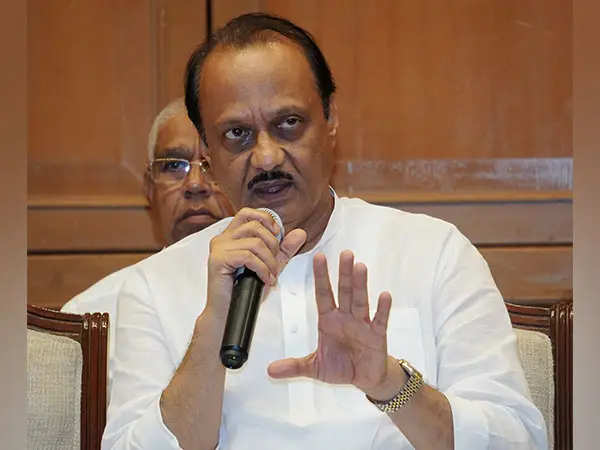
Maharashtra Deputy Chief Minister Ajit Pawar Photograph: (Credit: ANI)
A combination of factors: Perhaps a mechanical failure that forced the emergency landing. Perhaps pilot error under pressure during the second approach.
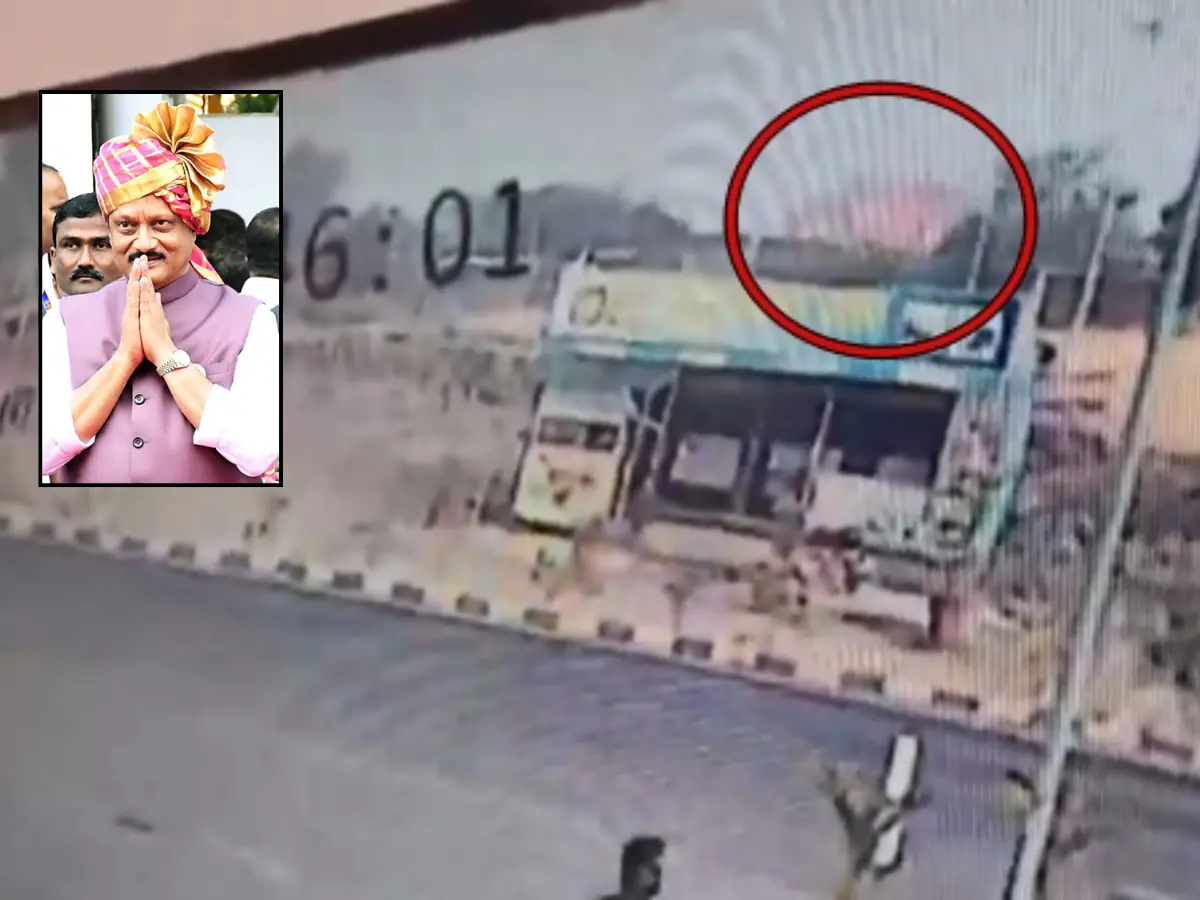
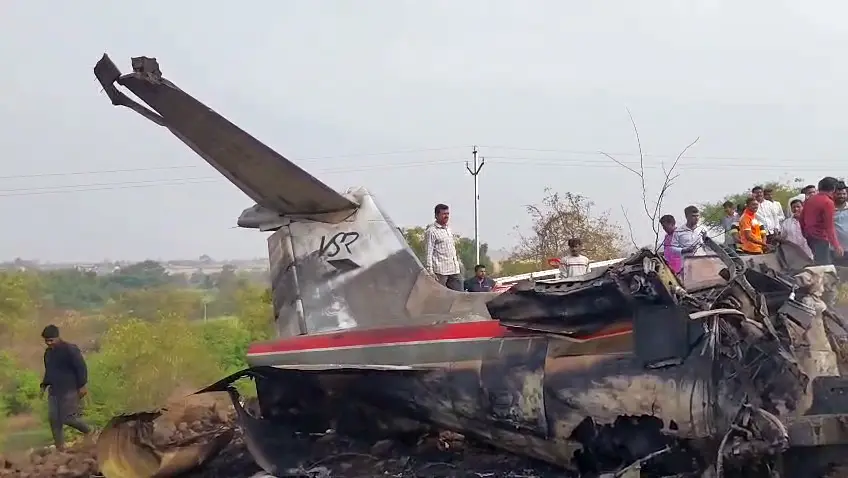
This morning, Maharashtra woke up to heartbreaking news. Deputy Chief Minister Ajit Pawar, 66, died when his private jet crashed at Baramati airport. Five people lost their lives—Ajit Pawar himself, two pilots, and two security staff. The Learjet 45, flying from Mumbai to Baramati for election work, crashed during landing and burst into flames. Within minutes, a leader who had shaped Maharashtra politics for decades was gone.
As someone who has followed Indian politics and aviation safety, I believe this tragedy raises uncomfortable questions we cannot ignore. Could this have been prevented? The answer, I fear, is yes. Let me explain what happened in simple terms. The Learjet 45 is a business jet manufactured by Bombardier, a Canadian aerospace company. It's powered by twin turbofan jet engines—the same type of powerful engines you find on commercial airliners, just smaller. This is important to understand: a Learjet is a pure jet aircraft, not a turboprop. Turboprops have propellers driven by turbine engines and are much slower. The Learjet 45 is built for speed and luxury, capable of flying at over 800 kilometers per hour.
But here's the critical problem: these high-performance jets land very fast, touching down at nearly 250 kilometers per hour. That's almost as fast as a Formula 1 racing car. When you're moving that fast, you need a lot of runway space to stop safely. Think of it like this: imagine driving your car at 100 kilometers per hour and trying to stop it. Now imagine doing that at 250 kilometers per hour. You'd need much more road, better brakes, and perfect conditions. Even a small mistake—wet surface, delayed braking, or a mechanical problem—could be disastrous.
Baramati airport is a small regional airfield. It was built for slower aircraft like turboprop planes, which land at around 150-180 kilometers per hour and can stop much quicker because their propellers can reverse thrust powerfully. The runway at Baramati is shorter than what a Learjet ideally needs. In perfect conditions, this might work. But when things go wrong—and reports suggest the plane had some technical trouble—there's no safety margin left. According to initial reports, the pilots attempted landing once, then had to circle back for a second try. This is called a "go-around," and it happens when the first landing attempt isn't safe. The second approach is always more stressful because pilots are under pressure, fuel might be running low, and everyone is tense. This is exactly when human errors can happen.
Trending Stories
)
)
)
)
)
)
)
)
)
)
)
)
)
)
)
)
)
)
)
)
)
)
)
)
)
&im=FitAndFill=(700,400))
)
)
)
)
)
)
)
)
)
)
)
Eyewitnesses say the plane came in too low, hit near the runway edge, skidded off, and exploded. The jet fuel—thousands of liters of highly flammable kerosene—ignited immediately. Nobody stood a chance.
Here's what troubles me most: this was entirely avoidable. The Learjet 45, despite being an excellent aircraft in the right circumstances, was simply the wrong choice for Baramati airport. If Ajit Pawar had traveled in a turboprop aircraft instead—planes like the Beechcraft King Air or Pilatus PC-12—he would likely be alive today. Turboprops are slower, less glamorous, yes. But they're perfect for short distances and small airports. They land at lower speeds, have powerful propeller reverse thrust that helps them stop quickly, and are much more forgiving on shorter runways. But we Indians have a fascination with speed and luxury. Flying in a sleek Learjet, manufactured by a prestigious Canadian company, feels important, powerful. A turboprop seems old-fashioned, less impressive. This obsession with appearances may have cost five lives today.
Bombardier stopped manufacturing new Learjets in 2021, but around 200 of these aircraft still operate worldwide, including in India's charter aviation sector. They're well-maintained and popular for VIP travel. The problem isn't the aircraft itself—it's using it in the wrong place. The Aircraft Accident Investigation Bureau (AAIB) has started its investigation. They'll recover the black box—a device that records everything the pilots said and did, plus all the aircraft systems' data. Within a month, we'll get a preliminary report with basic facts. The complete investigation, with root causes and recommendations, will take six months to a year.
But I can tell you what they'll likely find: a combination of factors. Perhaps a mechanical failure that forced the emergency landing. Perhaps pilot error under pressure during the second approach. Perhaps inadequate runway length for a jet aircraft of this type. Perhaps insufficient safety protocols for VIP flights into small airports. What makes me angry is that this pattern repeats in India. We have a booming private aviation industry, with rich businesspeople and politicians zipping around in fast jets. But our safety regulations haven't kept pace. Small airports are being used for aircraft they weren't designed for. Pilots are sometimes fatigued or under pressure to complete flights in bad conditions. Maintenance standards vary wildly.
Ajit Pawar was Maharashtra's longest-serving Deputy Chief Minister. He was a grassroots leader who understood rural Maharashtra deeply. Love him or hate him politically, everyone acknowledged his administrative skills and hard work. He spent his life serving people through the cooperative movement and politics. To die this way, so suddenly, so unnecessarily, is a terrible waste. For young people reading this, I want you to understand something important: technology is wonderful, but only when used wisely. Faster isn't always better. A Canadian-made jet isn't automatically safer than an Indian-operated turboprop if used incorrectly. Sometimes the old, boring, "slow" option is actually the smartest choice.
Maharashtra has declared three days of mourning. The state has lost a towering political figure. But beyond the grief and tributes, we need action. The AAIB's recommendations must be implemented strictly. Airlines operating high-speed jets should be banned from using inadequate airports. VIPs should be educated about aviation safety, not just fed to their egos. Ajit Pawar's death should not be in vain. If this tragedy forces India to seriously reform private aviation safety, to choose prudence over prestige, to value lives over luxury—then perhaps something meaningful can emerge from this morning's horror. Until then, five families mourn. Maharashtra mourns. And we're left wondering: why does it always take a tragedy to wake us up?