Maha Kumbh and stampedes: A look at the deadly history of world's largest religious gathering

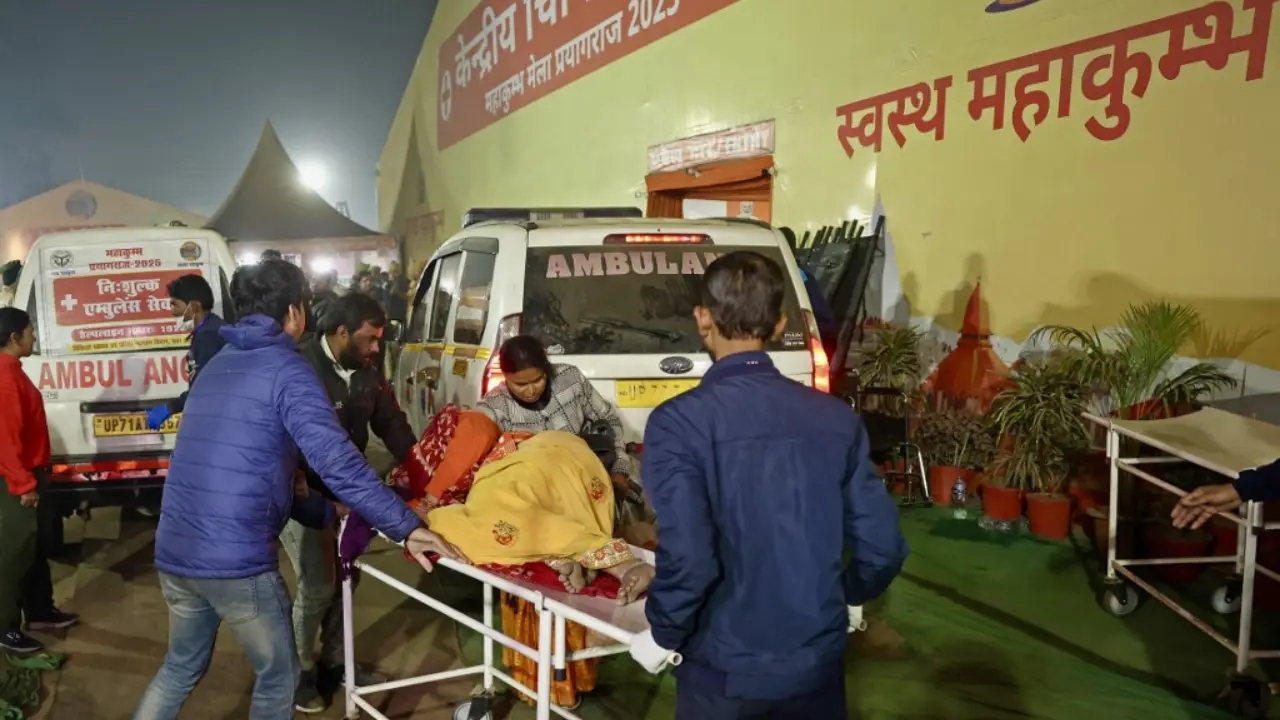
India News | Explore the deadly history of stampedes at Maha Kumbh, the world's largest religious gathering, and learn about the tragic incident in Prayagraj, India.
Maha Kumbh Stampede 2025:A stampede at Maha Kumbh, the world's largest religious gathering, on Wednesday (Jan 29) has resulted in multiple casualties. The tragic incident in India's Prayagraj happened as millions turned up to take the holy dip on Mauni Amavasya (new moon). The official death toll is still pending.
The shocking mishap happened despite extensive crowd control measures undertaken this year.
Maha Kumbh, a massive religious gathering, and an age-old tradition, has a history of such deadly events. To avoid crowd crushes, the organisers have put AI to use.

Also read | Maha Kumbh Stampede: At least 15 worshippers killed as tragedy strikes on Mauni Amavasya
Stampedes and Maha Kumbh
In 1954, in one of the highest single-day tolls in a crowd-related disaster globally, more than 400 were trampled to death or died by drowning at the Kumbh Mela. The figures for the tragedy varied according to different sources. The Guardian reported that 800 people died, and over 100 were injured.
)
‘US ensuring global energy supplies’: Trump demands reimbursement for securing Strait of Hormuz
)
China thinned Himalayan troop presence in 2025, India defence report says; terms border situation 'stable'
)
Historic first: ‘Ganga aarti’ performed on River Thames in London
)
Who really benefits from the BRICS bank? Inside the New Development Bank's $43 billion portfolio
)
Russia proposes to build 360 kmph Ivolga FG trains in India: What happened on sidelines of BRICS
)
China discovers vast gold and silver 'mine' in the Pacific with unheard-of deposits
)
Indian importers urge Bangladesh to lift export ban on 'Hilsa' fish ahead of Durga Puja
)
Liam Neeson sparks romance rumours after holding hands with Stella Stocker at TIFF 2026
)
Sent home midway from UK tour, Pakistan's Salman Agha hits 300* in domestic return
)
Scotland, Wales & Northern Ireland push for exit from UK | Race To Power
)
US court blocks Trump administration move ending automatic H-4 EAD extensions for seven spouses
)
800 million years old - Scientists discover 'fingerprints' of supercontinent Gondwana in ancient rocks
)
Emmy Awards 2026: Widow's Bay and The Pitt win in lead categories- check out the complete list of winners
)
Baba Vanga's first prophecy for 2027 is out, and straight out of science fiction
)
Iran, India agree to deepen humanitarian and political ties, President Pezeshkian says
)
Delhi govt to roll out ₹13,820 crore development projects under Seva Sankalp Abhiyan: CM Rekha Gupta
&im=FitAndFill=(700,400))
Why Chinese PL-15 air-to-air missiles use dual-pulse motors compared to European interceptors
)
Nigerian Navy seizes 10,000 litres of suspected illegal fuel in Rivers State crackdown
)
Ecstasy tablets are rage in 'drug haven' Libya | Gravitas
)
Meghan Markle shares first glimpse of family life with Prince Harry and children in UK
)
‘Want to reset ties with India, have engagement based on mutual interests,’ says Bangladesh minister
)
UK man admits drugging, raping wife for 20 years in shocking abuse case
)
Photographs, LeT labels vanish from two 2008 Mumbai attack entries in Pakistan’s most wanted list
)
Plane carrying prominent figure crashes at Libya’s Misrata airport: Report
)
Turkish Airlines plane flies through a storm three times, triggering severe turbulence
)
Saudi Arabia discovers 110 million tonnes of Uranium-rich ore in Madinah region
)
Did India risk its US trade deal despite softer stance at BRICS?
)
Video of Pakistani lawmaker struggling to read English tribute to Jinnah goes viral - WATCH
)
Trump downplays China's alleged 'help' to Iran in strike on Jordan base | Gravitas
&im=FitAndFill=(700,400))
Emmys 2026 Red Carpet: Zendaya, Nicole Kidman and Julia Garner lead the glamour peak
)
Extreme warming in Indian Ocean added 695 billion tons of ice to Antarctica ice sheet
&im=FitAndFill=(700,400))
Why European Meteor missiles use ramjet engines compared to standard US solid rockets
)
‘Let’s go’: Newly declassified videos show dramatic rescue of US Air Force officers downed in Iran
)
Pakistan puts Pak Rs 70 lakh bounty on UN terrorist Masood Azhar; move draws skepticism in Delhi
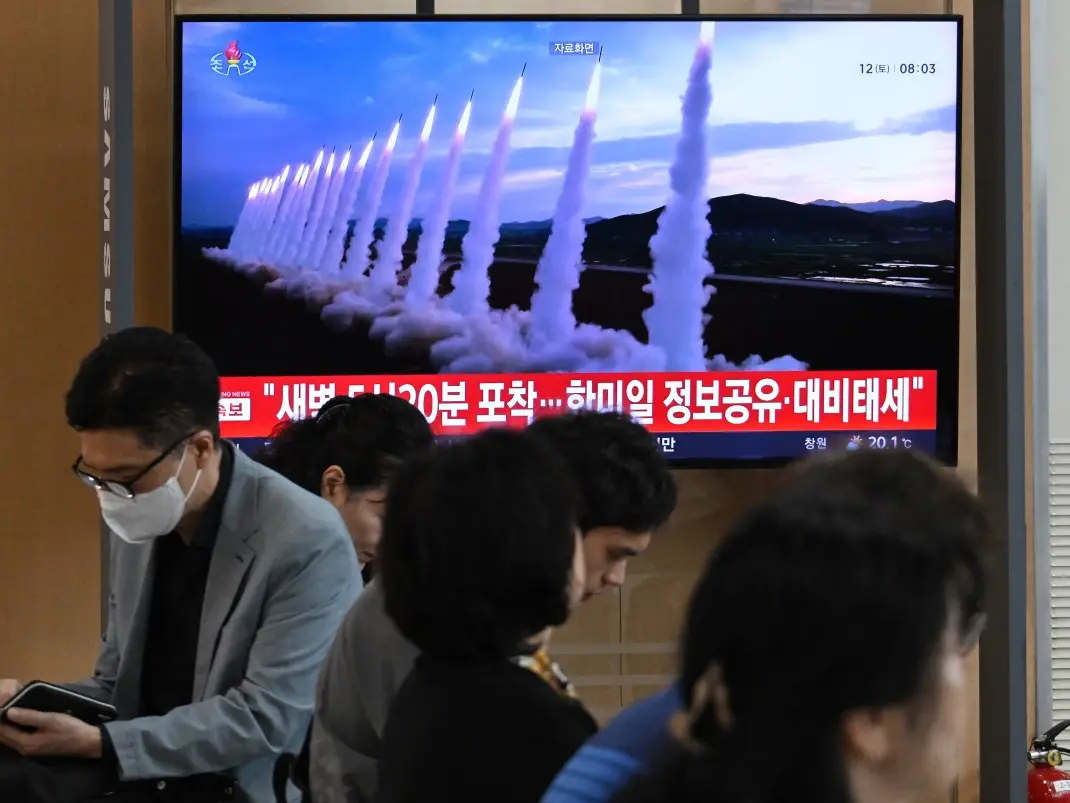)
'Huge destructive power': North Korea calls its latest missile launches 'live-fire drill' even as US dismisses 'immediate threat'
&im=FitAndFill=(700,400))
New OTT releases this week (September 14-20, 2026): Lust Stories 3, Waiting Hai, Irumudi- 5 new titles coming on Netflix, Prime Video and more
)
'Now Trump is copying us': Shivakumar links US $5,000 plan to Congress guarantees
Meanwhile, TIME reported that "no fewer than 350 people were trampled to death and drowned, 200 were counted missing, and over 2,000 were injured".
In 2013, the last time Maha Kumbh was held in Prayagraj (then called Allahabad), 36 people were crushed to death.
The most significant deadly crowd crushes at the Kumbh Mela, besides in 1954 and 2013, occurred in 1840, 1906, 1954, 1986, 2003 (resulting in 39 fatalities), and 2010 (with 7 deaths).
Also read | Musk, Putin and John Cena at Maha Kumbh? AI video takes over internet, leaves netizens amused
Maha Kumbh 2025: Crowd control measures
This time, Maha Kumbh organisers deployed advanced AI-based technology to help them gather accurate estimates of the crowd sizes and allow them to be better prepared for any potential trouble.
To aid in this, as per the police, around 300 cameras have been installed across the festival site. In addition, overhead drones have been deployed, all of which are monitored by a small army of police officers and technicians located in a glass-panelled command-and-control room near the spiritual centre of the festival.
Also read | Maha Kumbh 2025: Prayagraj gears up for Mauni Amavasya ‘Amrit Snan’. Here’s what you should know
This footage, as per Amit Kumar, a senior police officer heading tech operations in the festival, is fed into an AI algorithm that provides the handlers an overall estimate of the crowd. This data is then cross-checked against data from railways and bus operators.
"We are using AI to track people flow, crowd density at various inlets, adding them up and then interpolating from there," he added.
The AI-based system sounds an alarm if there are sections of crowds so concentrated that they pose a safety threat.
(With inputs from agencies)

