&imwidth=800&imheight=600&format=webp&quality=medium "Dr BR Ambedkar death anniversary 2025: Untold stories of the architect of Indian constitution")
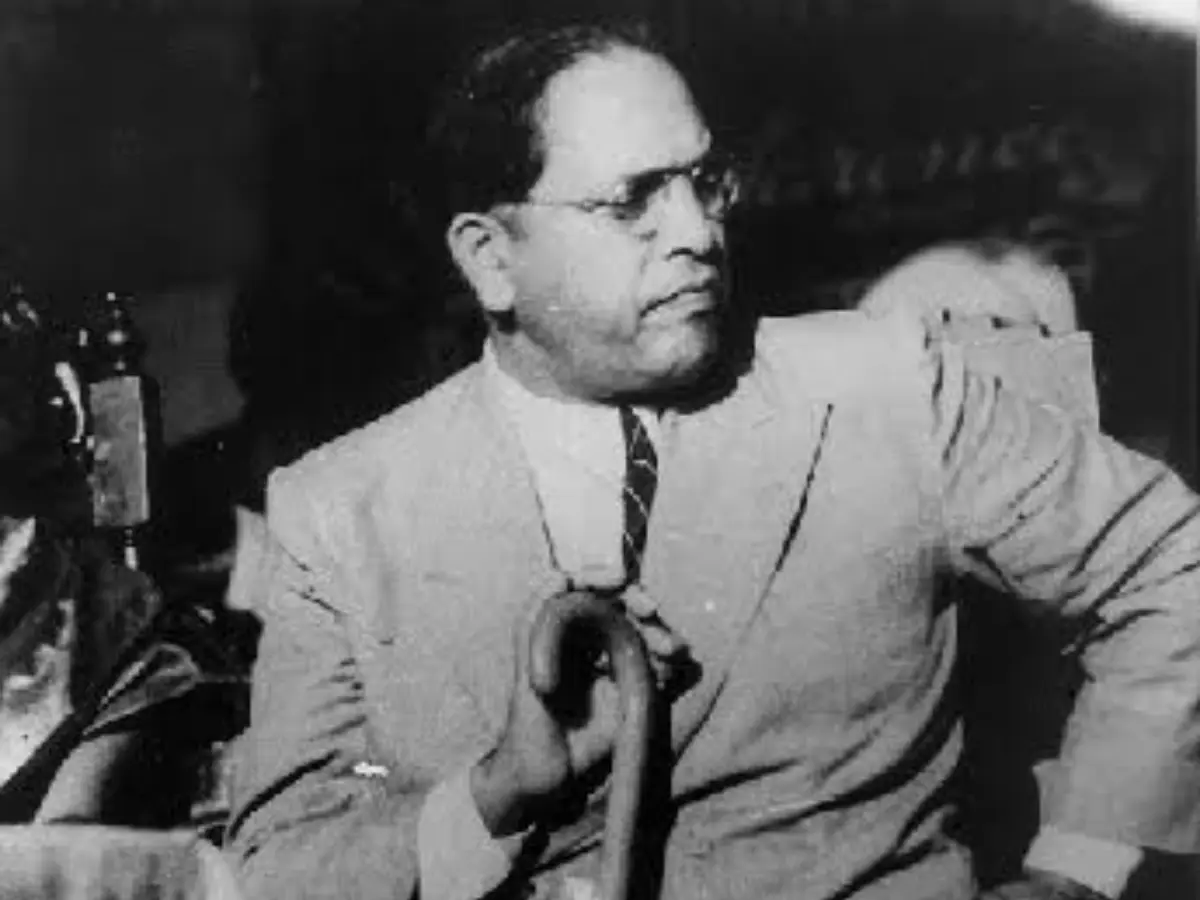
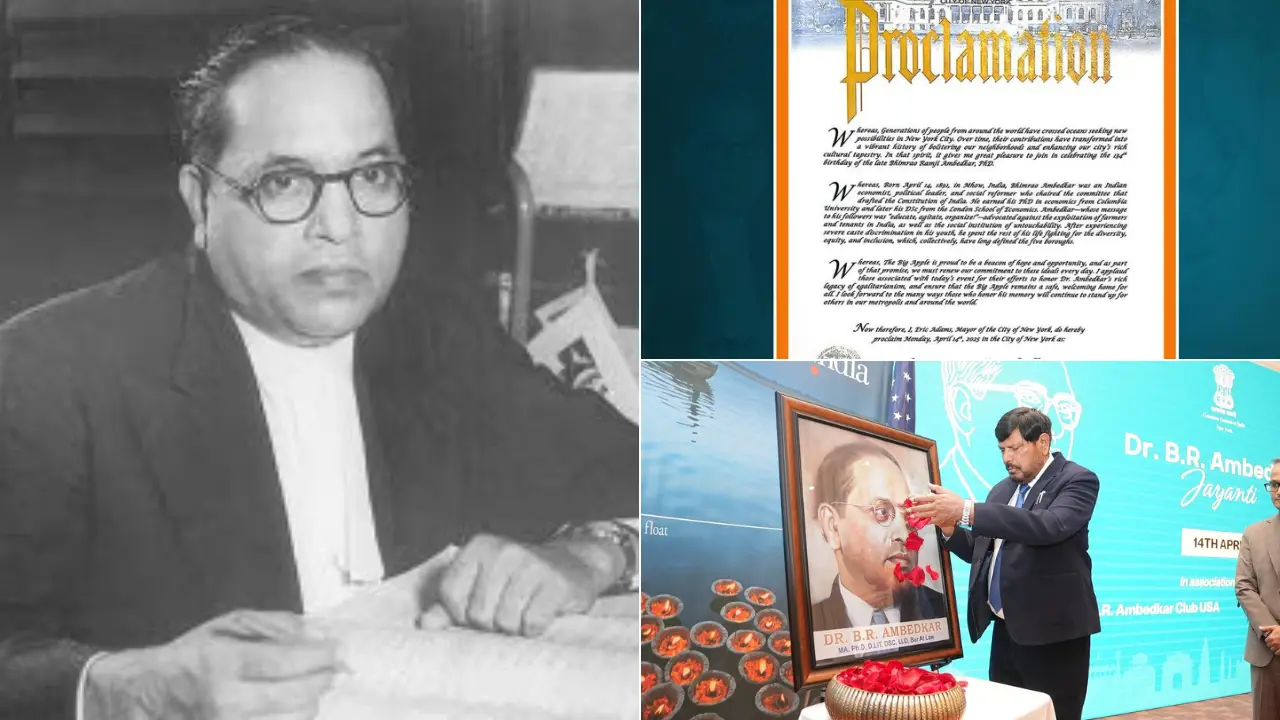
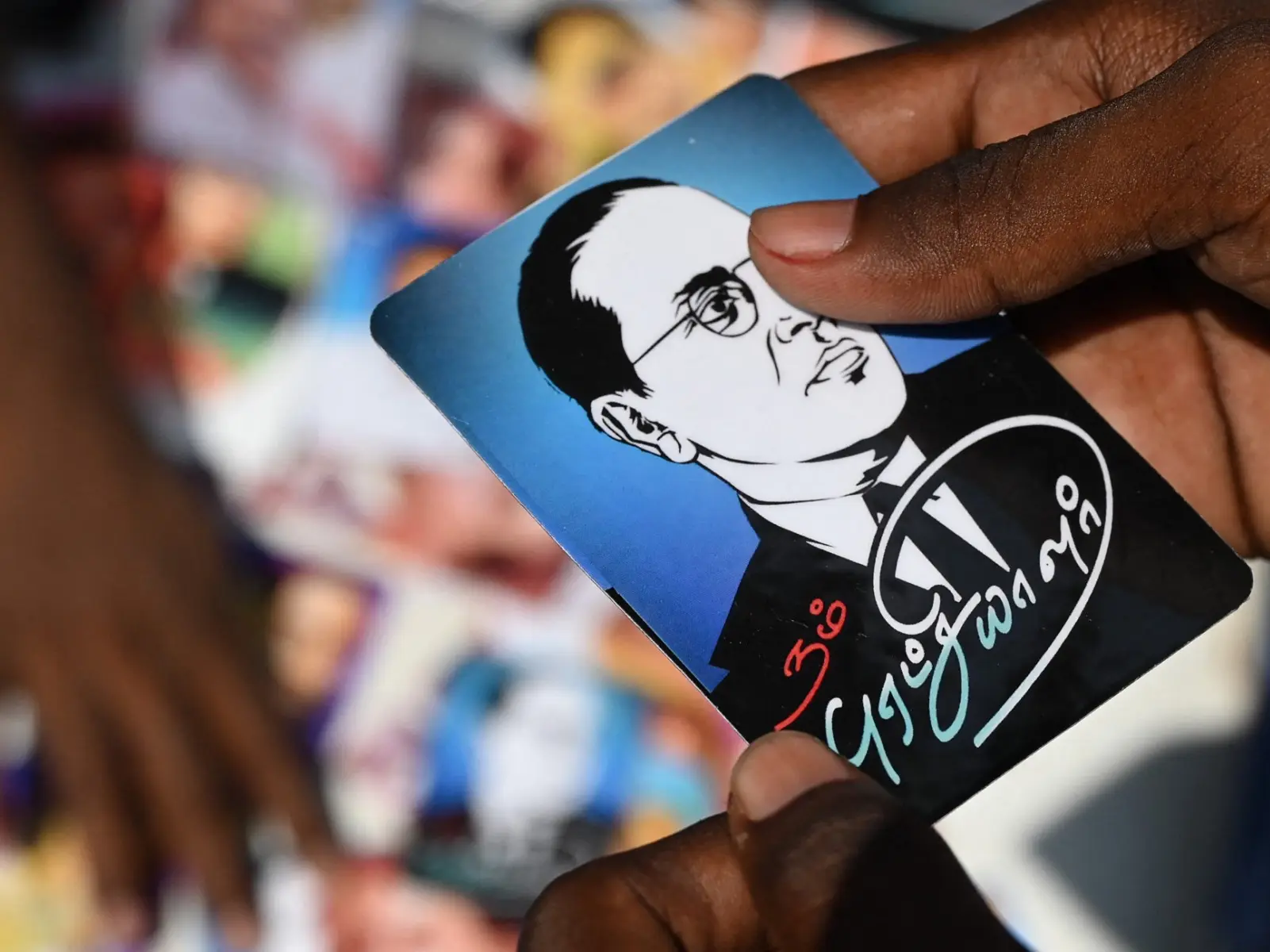
Bhimrao Ramji Ambedkar was the social reformer who challenged Indian societal barriers, rejected indignity in all forms and stood up for the marginalised and depressed classes of Hindus. From burning of the Manusmriti, standing against Gandhi to embracing Buddhism, Ambedkar's intellectual and political endeavours have shaped the definition of social justice in India. Eventhough caste pride is still evident, violence against Dalits is still prevalent, he laid the framework for the perpetual battle for the annihilation of caste. Here are some of the lesser-known facts about Ambedkar.
Ambedkar refused to call M K Gandhi 'Mahtama'
In a 1955 BBC interview, BR Ambedkar said that Gandhi "was never a Mahatma", he urged that “Gandhi did not deserve that title”, particularly because of the brand of politics of Gandhi. He said that Gandhism was a dangerous doctrine. Gandhi was a structural functionalist; he believed that social stratification, like class, caste, is there to serve certain functions. “He was just an episode in the history of India, not an epoch maker,” said Ambedkar. Peace researcher Johan Galtunberg said that the error was not in the man but in the structural violence itself. Gandhi, eventhough he recognised it, did not prioritise. His prescription was of an ideal society with an established caste system. However, he later resorted to euphemism to justify his caste support by attributing caste as ‘varna’.

Ambedkar converted to Buddhism
"Hindu religion is a dead religion…Nobody can get deliverance in the Hindu religion," said Ambedkar in Nagpur before converting to Buddhism along with his large followers in 1956. Instead, he presented Buddhism as a religion of equality and culture, where everyone from every caste, creed and community is connected by one thing only, suffering or ‘dukka’. Ambedkar was born in a Mahar family. He faced extreme difficulties due to his caste and poor financial conditions. Much of his intellectual and political struggle was influenced by his life experience.
Ambedkar led the Mahad Satyagraha
Trending Stories
)
Why asking questions could be more important than memorising answers
)
Osama Bin Laden ‘planned’ to target India, CIA reveals dozens of declassified documents
)
'Iran won't surrender': Pezeshkian sends blunt message to US while attending BRICS Summit in India
)
BRICS Summit 2026: Global leaders of BRICS nations attend main open session
)
Celine Dion makes emotional stage comeback after six years: 'I'm so delighted to see you'
)
PM Modi and China's Xi offered to help resolve Russia-Ukraine war: Kremlin
)
Why dehydration is the hidden cause of travel fatigue on long flights
&im=FitAndFill=(700,400))
Meet top 5 batters fastest to 3000 runs in T20Is
)
Top 5 places to visit in Goa beyond its famous beaches
)
'He is popular...': Malaysian PM Anwar Ibrahim's praise for PM Modi during bilateral meeting | WATCH
)
BRICS Summit 2026: PM Modi, Xi reach key consensus on ties, China to assume BRICS chairmanship in 2027
)
BRICS Summit 2026: Consensus on joint declaration, diplomatic win for India
)
Trump says Canada eager to reach a deal, it could come ‘fairly soon’ if Ottawa treats US farmers better
)
‘Partners, not rivals’: Xi outlines four point plan for stronger India-China ties
&im=FitAndFill=(700,400))
Why Chinese PL-15 air-to-air missiles use dual-pulse motors compared to European interceptors
)
Could staying indoors all day affect your health?
)
BRICS Summit 2026: PM Modi addresses Day 2 of 18th BRICS summit
)
Who is the smiling man beside Modi, Putin and Xi at BRICS Summit 2026?
)
800 million years old - Scientists discover 'fingerprints' of supercontinent Gondwana in ancient rocks
)
Why going digital does not always mean becoming more efficient
&im=FitAndFill=(700,400))
Why do air defence missiles explode near their target instead of hitting it?
)
War is making Russia stronger? How Ukraine is shaping Moscow’s next generation of weapons
)
Migration protests return to Portsmouth as rival demonstrations face off
)
From severe mobility problems to recovery: Madhuri the elephant’s journey of wildlife care
)
BRICS Summit day 1: New Delhi declaration adopted with full consensus, big diplomatic win for India
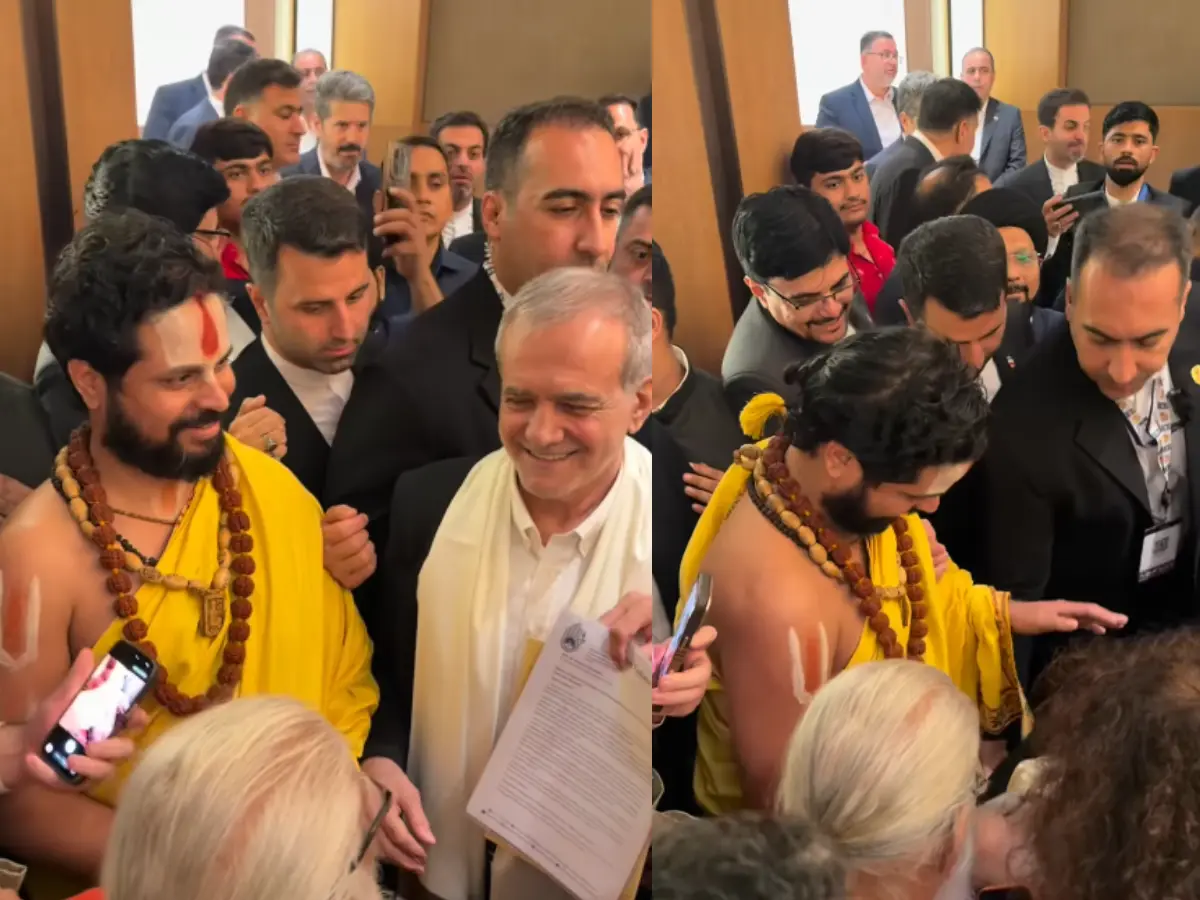)
Did Iran President Pezeshkian touch feet of Hindu spiritual leader at Delhi event as shown in viral video?
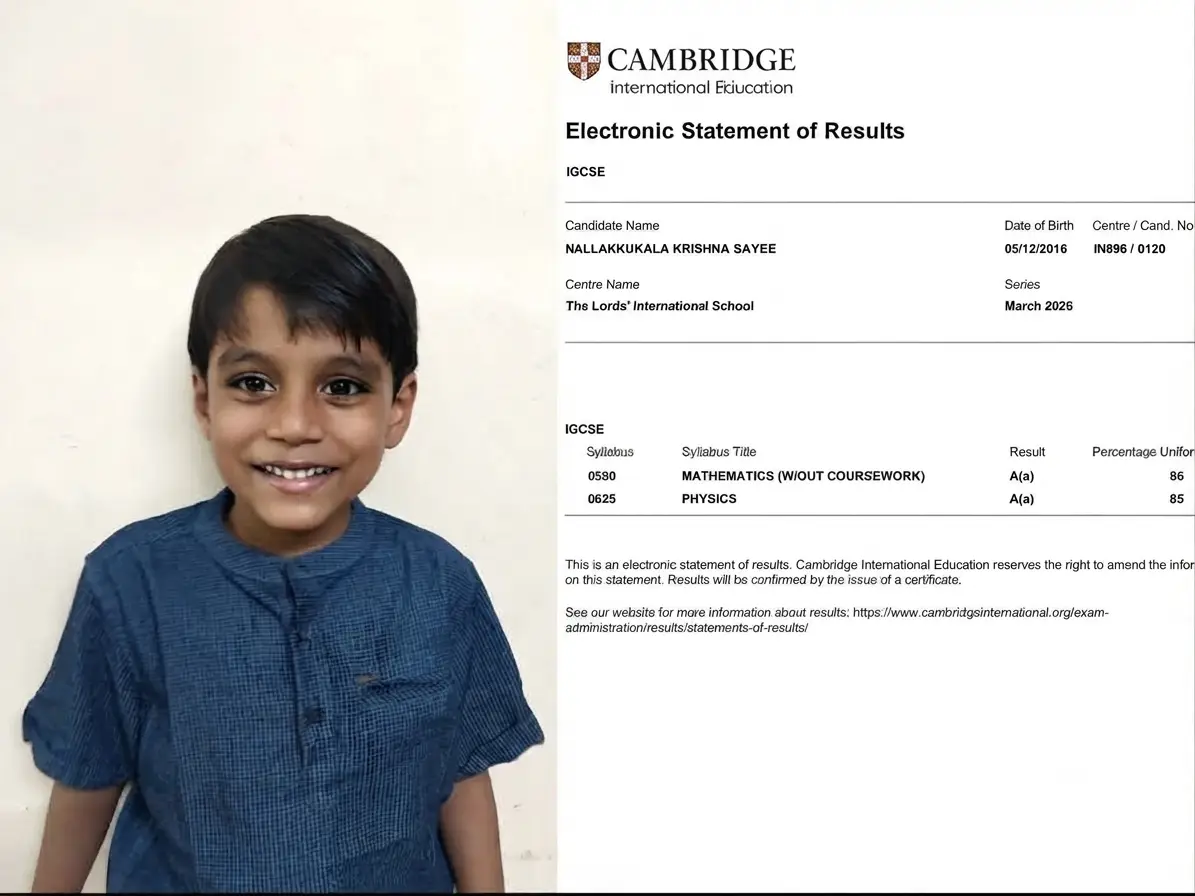)
9-year-old Chennai prodigy clears Cambridge IGCSE grade 10 exams
)
Why does your body need time to adjust after a long journey?
)
BRICS Summit 2026: PM Modi to hold bilateral with leaders of seven countries
)
Ramanathaswamy temple takes centre stage as PM Modi welcomes world leaders at BRICS
)
Houthis launch cross-border strike on Saudi Arabia as Yemen war escalates
)
BRICS Summit 2026: Chinese president Xi Jinping departs from New Delhi after attending BRICS summit
)
Why does your skin need protection from UV rays?
)
How does the loss of forests affect the way wildlife lives and moves?
)
IND vs AFG, 1st T20I: When and where to watch live streaming in India?
)
Why do wild animals need quiet places to survive?
)
Bigg Boss 20: Qazi Touqeer gets a special ‘rockstar’ moment from Salman Khan
)
Humans may lose control of AI: Anthropic CEO calls for slowdown, Altman, Musk back him
Ambedkar led all his followers to Chavdar Lake, Mahad, Maharashtra, on March 20, 1927, where he violated the long-imposed restriction on Dalits (untouchables) on the use of public water sources. On the eve of the protest, caste brahmins secured a stay order from the court. Against all the odds the act of drinking water from the tank was a symbolic resistance against the established caste system.
Ambedkar Manusmriti Dahan
Ambedkar, in 1927, publicly burnt the text that embodies the hegemony of the caste Hindu. The text Manusmriti perpetuated the caste system, patriarchy, and exploitation of the lower castes. Manusmriti was torn page by page and burnt by Dr Ambedkar, Sahastrabuddhe and six other Dalits. However, there was a single picture of Gandhi in the protest site, implying Dalits were still not disillusioned by him.
Ambedkar advocated for the Dharma Chakra in the Indian flag
Ambedkar pushed to replace the spinning wheel with the Ashok Chakra or Dharma Chakra in the Indian flag. The spinning wheel was the symbol attributed to Gandhi, which implied self-reliance, progress and justice. Ambedkar saw it as bound to a specific time and a political goal. Instead, he suggested the Asok Chakra, which represents India's spiritual, moral foundation, the 24 'wheel of law'.
Ambedkar and the RSS
There is a shift in RSS from burning effigies of Ambedkar to appropriating him. However, Union Home Minister Amit Shah once shouted in the Parliament, “Ambedkar, Ambedkar, Ambedkar”, it has become a new fashion of late. In 1949, just before the drafting of the Indian Constitution, the RSS mouthpiece Organiser wrote that there is nothing Bharatiya about the constitution. The Hindu Code Bill, which addressed issues like intercaste marriage, inheritance and guardianship, was vehemently opposed by the Sangh, took out protests, and burnt its effigies. Now the RSS has shifted its stance from criticism to praise, actively seeking to co-opt Ambedkar's legacy.