Integrated Theatre Commands: India's bold military overhaul to fight tomorrow's wars

&imwidth=600&imheight=450&format=webp&quality=medium "Integrated Theatre Commands: India's bold military overhaul to fight tomorrow's wars")
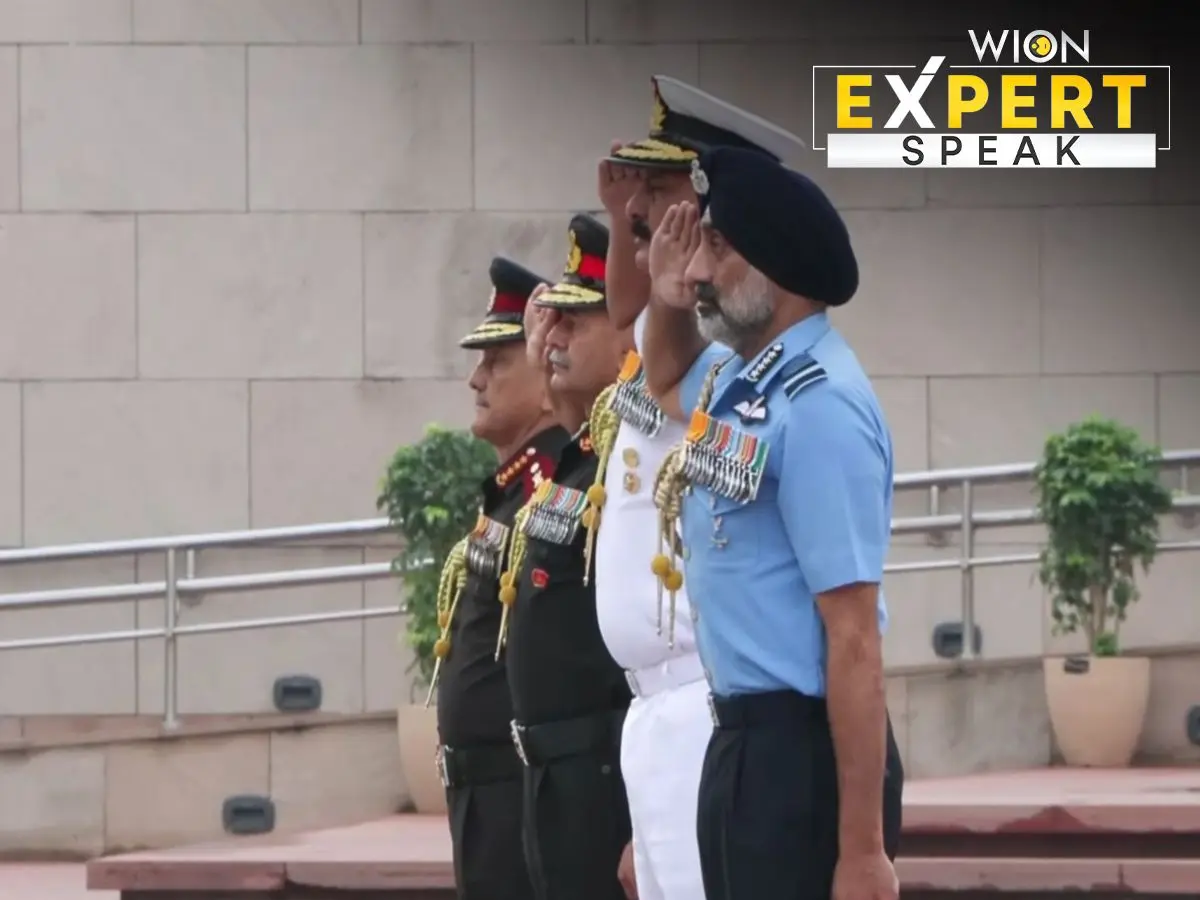
India is preparing for Integrated Theatre Commands Photograph: (ANI)
India’s biggest military reform since Independence aims to create integrated theatre commands, unify operations across all three services and prepare for future conflicts with China and Pakistan.
India is preparing for its most ambitious military restructuring since Independence, with plans to establish integrated theatre commands that will bring the Army, Navy and Air Force under unified operational leadership. The objective is to transform India’s warfighting capabilities by replacing service-specific operations with a joint command structure capable of responding faster and more effectively to evolving security challenges on its borders. With this new structure, India aims to improve coordination against simultaneous threats from both China and Pakistan, enabling quicker decision-making and more effective joint operations across land, sea, air, cyber and space.
Built for Multi-Front Challenges
Military planners and Indian think-tanks have studied China’s Western Theatre Command, closely examining how it assesses the 3,488 kms long Line of Actual Control (LAC) with India, which is its primary focus. India's theaterisation needs to be built on India's needs and security concerns.
Speaking on the tri-service command model, Lt Gen DP Pandey (R) told WION: "Theaterisation (in India) cannot follow US or Chinese models which have not delivered or validated yet."
"Lessons from ongoingUkraine-Russia and Iran-US conflicts should be drawn for rolling out theaterisation," he added.
When will India's theatre commands commence?
Trending Stories
)
&im=FitAndFill=(700,400))
&im=FitAndFill=(700,400))
)
)
)
)
)
)
)
)
)
&im=FitAndFill=(700,400))
)
&im=FitAndFill=(700,400))
)
)
)
&im=FitAndFill=(700,400))
&im=FitAndFill=(700,400))
&im=FitAndFill=(700,400))
&im=FitAndFill=(700,400))
)
)
)
)
)
&im=FitAndFill=(700,400))
)
)
Military sources suggested that there are multiple options for theaterisation plans, which the leadership is considering and are under discussion with final modalities.
But source-based inputs on the structure of India's Theatre Commands cannot be taken at face value.
Lt Gen DP Pandey (R) says, "Given that it is six years of discussions, final modalities will be under works. But to say the public would have seen the plan is incorrect."
He added, "Options such as Northern Theatre and Maritime Theatre are low-hanging fruits and can be rolled out as test beds. The staff requirements and cross-postings have commenced for greater understanding. Therefore, it is plausible and practical to raise at least two Theatre Commands and move forward."
New Chain of Command requires many changes
Creating theatre commands will require a significant redistribution of authority within the military hierarchy. Reports hint at what the proposal envisages, suggesting the creation of new four-star commanders, each responsible for integrated operations across services. To strengthen coordination further, the government is also considering a revamped Vice Chief of Defence Staff (VCDS) and a Deputy Chief of Defence Staff (DCDS) structure, providing additional leadership for joint planning and execution, according to the reports.
Legal and technology framework
India's Inter-Services Organisations (Command, Control and Discipline) Act, 2023 supports military reforms. It establishes a legal framework for joint command, empowering Commanders-in-Chief to exercise administrative and disciplinary control over Army, Navy, and Air Force personnel. India is also developing a common tri-service data link that will enable real-time information sharing between the three forces.
Lessons from Kargil: Why India needs Joint Commands
India's push for integrated theatre commands dates back to 1999. The Indian security architecture was thoroughly re-examined after the Kargil War victory against Pakistan, and the key lacunas were identified. Crucial coordination gaps came to light between the three services despite India’s eventual victory, highlighting the need for greater interoperability and unified planning.
Today, India’s armed forces operate through 17 separate single-service commands,
India's Army and Air Force operate seven commands each, while the Navy operates three.
If implemented successfully, the integrated theatre command system will mark a historic shift in India’s defence architecture. Under the leadership of India's Chief of Defence Staff (CDS), it will create a military that fights as one unified force rather than three separate services.

