Indus Waters Treaty: History, importance, and what's ahead after India-Pak agreement | All details here

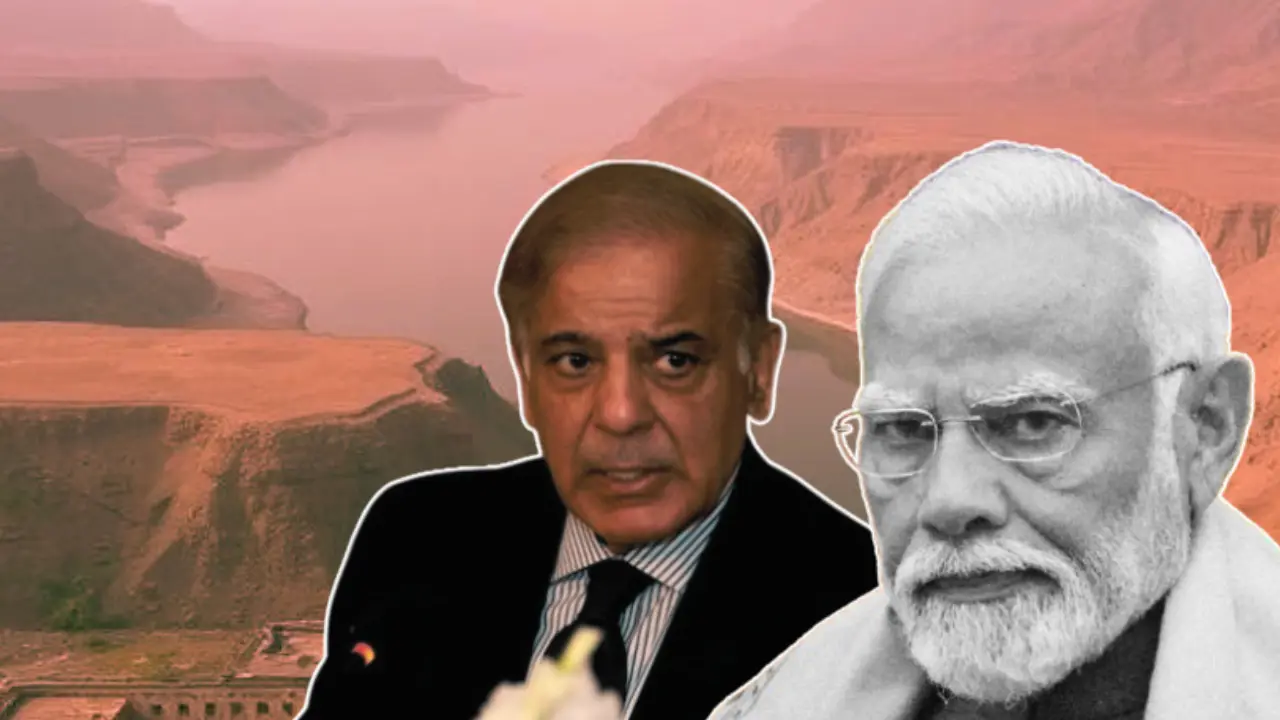
India News | The Indus Waters Treaty was signed between India and Pakistan in 1960 after nine years of negotiations. The World Bank mediated the treaty and was also a signatory.
India and Pakistan reached an agreement on Saturday (May 10) and halted all military actions on land, air, and sea, with effect from the evening. But hours later, Pakistan continued firing at numerous areas of the border states. But India stood on its decision to keep the Indus Waters Treaty suspended. The suspension was announced a day after the terror attack in Pahalgam on April 22 in Jammu and Kashmir.
History of the Indus Waters Treaty
The Indus Waters Treaty was signed between India and Pakistan in 1960 after nine years of negotiations. The World Bank mediated the treaty and was also a signatory.
The Treaty allocates the Western Rivers (Indus, Jhelum, Chenab) to Pakistan and the Eastern Rivers (Ravi, Beas, Sutlej) to India. At the same time, the Treaty allows each country certain uses of the rivers allocated to the other.
Trending Stories
&im=FitAndFill=(700,400)&imwidth=280&imheight=210&format=webp&quality=medium)
&imwidth=280&imheight=210&format=webp&quality=medium)
&imwidth=280&imheight=210&format=webp&quality=medium)
&imwidth=280&imheight=210&format=webp&quality=medium)
&imwidth=280&imheight=210&format=webp&quality=medium)
&imwidth=280&imheight=210&format=webp&quality=medium)
&imwidth=280&imheight=210&format=webp&quality=medium)
&imwidth=280&imheight=210&format=webp&quality=medium)
&imwidth=280&imheight=210&format=webp&quality=medium)
&imwidth=280&imheight=210&format=webp&quality=medium)
&imwidth=280&imheight=210&format=webp&quality=medium)
&imwidth=280&imheight=210&format=webp&quality=medium)
&imwidth=280&imheight=210&format=webp&quality=medium)
&imwidth=280&imheight=210&format=webp&quality=medium)
&imwidth=280&imheight=210&format=webp&quality=medium)
&im=FitAndFill=(700,400)&imwidth=280&imheight=210&format=webp&quality=medium)
&imwidth=280&imheight=210&format=webp&quality=medium)
&imwidth=280&imheight=210&format=webp&quality=medium)
&imwidth=280&imheight=210&format=webp&quality=medium)
&imwidth=280&imheight=210&format=webp&quality=medium)
&imwidth=280&imheight=210&format=webp&quality=medium)
&imwidth=280&imheight=210&format=webp&quality=medium)
&im=FitAndFill=(700,400)&imwidth=280&imheight=210&format=webp&quality=medium)
&imwidth=280&imheight=210&format=webp&quality=medium)
&imwidth=280&imheight=210&format=webp&quality=medium)
&imwidth=280&imheight=210&format=webp&quality=medium)
&imwidth=280&imheight=210&format=webp&quality=medium)
&imwidth=280&imheight=210&format=webp&quality=medium)
&imwidth=280&imheight=210&format=webp&quality=medium)
&imwidth=280&imheight=210&format=webp&quality=medium)
&imwidth=280&imheight=210&format=webp&quality=medium)
&imwidth=280&imheight=210&format=webp&quality=medium)
&imwidth=280&imheight=210&format=webp&quality=medium)
&imwidth=280&imheight=210&format=webp&quality=medium)
&imwidth=280&imheight=210&format=webp&quality=medium)
How the treaty works
The Indus Waters Treaty was aimed at cooperation and information exchange between India and Pakistan on the use of the rivers mentioned above.
As a signatory of the treaty, the World Bank's role is limited. The organisation can intervene in times of “differences” and “disputes” only after the request of either or both of the Parties.
Also read: India-Pakistan Ceasefire: India Used Brahmos Missiles To Hit Targets Under Operation Sindoor: Report
What's next for the Treaty?
After the announcement of an agreement on May 10, TOI cited the sources of India's Ministry of External Affairs (MEA) saying that the Indus Waters Treaty will remain suspended. But no official statement has been released by the Indian government so far.
A timeline of the India-Pak agreement
- On May 10, Indian Air Force aircraft launched BrahMos-A cruise missiles targeting Pakistan's Air Force bases, as per NDTV, citing government sources. The first impacts of India's missiles were confirmed at Chaklala near Rawalpindi and Sargodha in Punjab province.
- Later on, Indian intelligence agencies came to know that Pakistan's defence networks were circulating messages that India might next target Pakistan's nuclear command and control infrastructure. After this, Pakistan heightened the security protocols at the sites.
- At this point, Pakistani approached the US. Although, the Trump administration had urged both perties for de-escalation, it refused to directly get involved in the matter. Trump's VP JD Vance had also said a few days back that the India-Pakistan tensions was "none of our business".
- But on May 10, India's Foreign Secretary Vikram Misri said that Major General Kashif Abdullah, Pakistan's DGMO, placed a direct call to his Indian counterpart, Lieutenant General Rajiv Ghai around 3:30 PM (IST). But India continued on its stance not to be engaged in any formal diplomatic or military negotiation with Pakistan outside of protocol. India also said that Pakistan's any further action against the country will be considered an act of war.
- By the evening of May 10, India's Ministry of External Affairs announced in a press briefing that India and Pakistan reached an agreement and would drop the arms. Misri said that further updates would be announced on May 12.
- Even after the India-pakistan agreement, India said that the decision of suspeneding the Indus Watyers Treat y after April 22 will remain unchanged by India.

