Indian govt clarifies foodgrain use for ethanol production, says 'E20 saved ₹30/litre on petrol prices' during global oil shock

&imwidth=600&imheight=450&format=webp&quality=medium "Indian govt clarifies foodgrain use for ethanol production, says 'E20 saved ₹30/litre on petrol prices' during global oil shock")
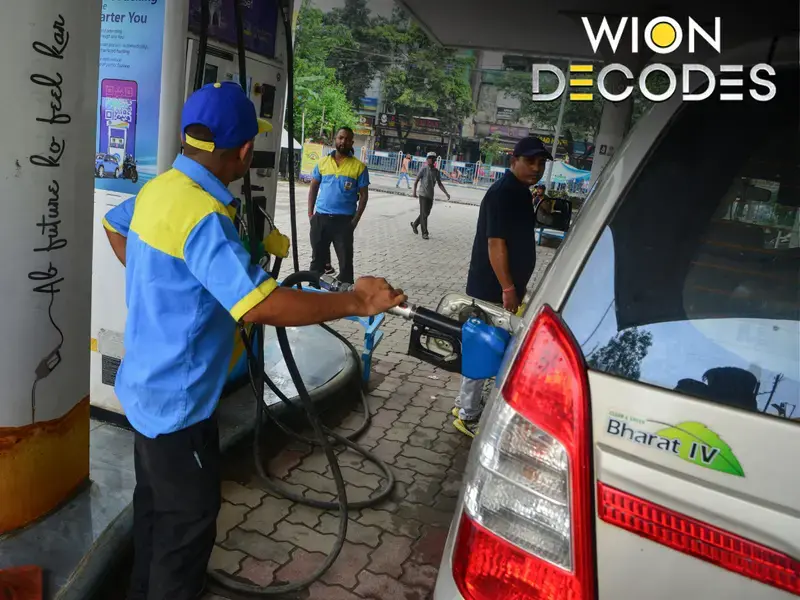
A worker fills petrol in a car at a fuel station Photograph: (AFP | WION Combination image)
India’s Petroleum Ministry defended the E20 ethanol programme, saying blending helped keep Delhi petrol prices at ₹94.77 instead of ₹125 when crude hit $135. The government also addressed concerns over foodgrain use and FCI rice, while Gadkari backed E20
In a big statement, India's petroleum ministry said in an official release that petrol prices in Delhi would have jumped to Rs 125 per litre had oil companies not blended ethanol into the fuel when global crude prices touched $135 a barrel. This comes as the BJP government at the Centre is facing nationwide backlash dur to its ethanol programme. The ministry said that consumers instead paid Rs 94.77 per litre because ethanol, procured domestically at pre-agreed prices, made up 20 per cent of every litre of fuel. Amid oil supply shocks due to war in West Asia, the Union Minister for Road Transport and Highways advocated for India to move towards100%ethanol blending(E100)in the near future to achieve energy self-reliance.However, car users say that E20 petrol heavily affects vehicles manufactured before March 2023.
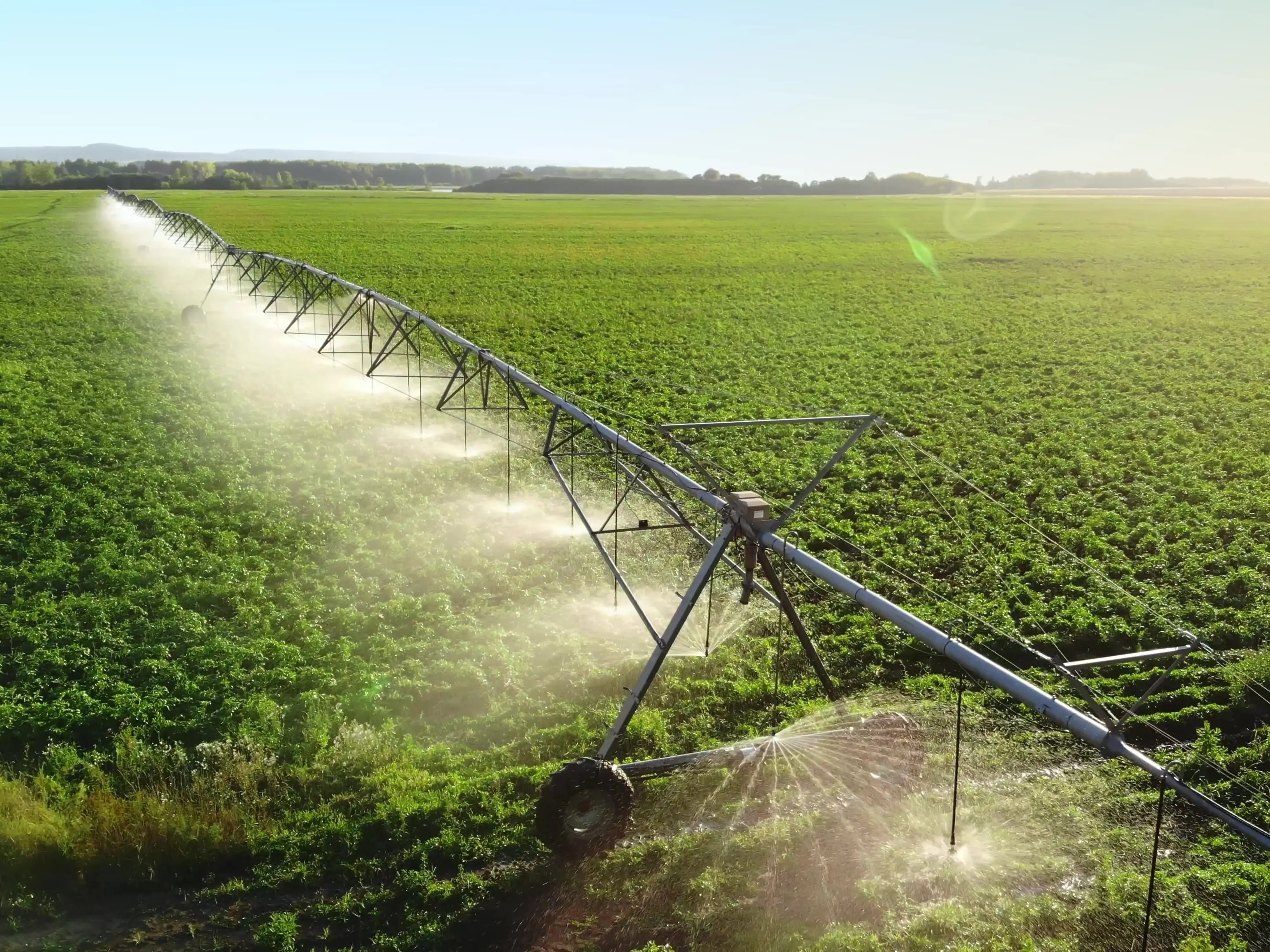
The government also clarified that not a single grain procured at MSP is diverted to ethanol before India's food security is secured. It added that every food grain grain first serves the Public Distribution System (PDS), the National Food Security Act (NFSA), welfare schemes, and mandatory buffer stocks. It explained, “Only the surplus, certified by the Department of Food & Public Distribution after every food security obligation has been met, is approved for ethanol production. What actually goes into the ethanol programme is the damaged grain, broken rice, and foodgrain unfit for human consumption. It is turning waste into wealth.”
It also responded on claims that FCI rice was sold to ethanol producers at an unusually cheap price. The government said that FCI rice is just one of several approved raw materials used to make ethanol and its price is fixed. “For ESY 2025-26, ethanol prices range from ₹71.86 per litre for maize and ₹65.61 for sugarcane juice/syrup to ₹60.32 for FCI rice and ₹57.97 for C-heavy molasses. The programme, therefore, is not dependent on FCI rice and can use whichever approved feedstock is available,” the government said.
Also Read: Why are Indians being forced to buy E20 petrol? Government finally answers | WION Decodes
Gadkari says 'E20 ‘marginally reduce mileage’
Trending Stories
&im=FitAndFill=(700,400))
)
)
)
)
)
)
)
)
)
)
)
)
)
&im=FitAndFill=(700,400))
&im=FitAndFill=(700,400))
)
)
)
)
)
)
)
)
)
)
)
)
)
)
)
)
)
)
)
)
)
)
&im=FitAndFill=(700,400))
)
This comes after Union Road Transport and Highways Minister Nitin Gadkari, in a written reply in the Lok Sabha, said that E20 ‘marginally reduce mileage’ and certain rubber parts in older BS-III vehicles may require replacement, but reiterated that E20 petrol does not damage engines. He quoted a study by study by the Automotive Research Association of India (ARAI), the Society of Indian Automobile Manufacturers (SIAM) and Indian Oil Corporation Ltd (IOCL and said that ethanol-blended petrol improves acceleration, ride quality and lowers carbon emissions by around 30 per cent.
Meanwhile, the Aam Aadmi Party (AAP) began a campaign against the policy on Saturday and transport unions in Delhi are planning a protest march against the programme.

