India to allow private firms to mine and import uranium? Here’s what report reveals about country’s plan on nuclear power expansion

&imwidth=600&imheight=450&format=webp&quality=medium "India to allow private firms to mine and import uranium? Here’s what report reveals about country’s plan on nuclear power expansion")
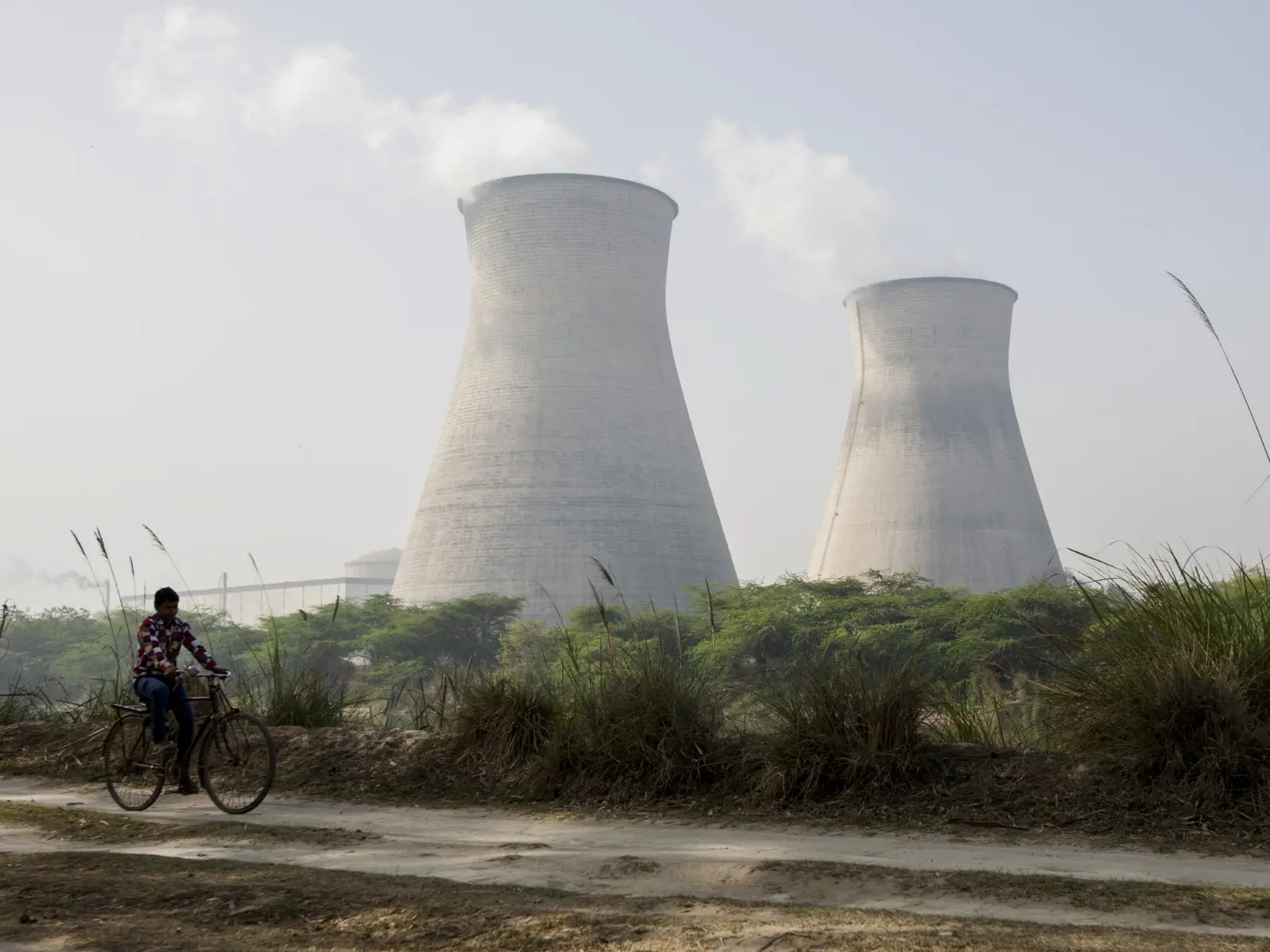
File photo: Norora Atomic Power Station near Norora in Uttar Pradesh Photograph: (AFP)
The policy is likely to be announced in the current fiscal year. The proposed policy will also allow private players to supply critical control system equipment for nuclear power plants.
The Indian government is expected to allow private companies to mine, import, and process uranium, ending decades-old state monopoly in the country’s nuclear sector. The move is aimed at boosting the industry and attracting billions of dollars in investments, enhancing nuclear power production in India. If the government is able to meet its expansion goals, the nuclear sector will be able to provide five per cent of the country’s total power requirements.
Reuters reported, citing two government sources, that the move is being taken “to help meet a surge in demand for nuclear fuel as it expands nuclear power production”. The government is planning to introduce a regulatory framework that would allow private Indian firms to mine, import, and process uranium. The policy is likely to be announced in the current fiscal year. The report added that the proposed policy will also allow private players to supply critical control system equipment for nuclear power plants.
According to the report, Prime Minister Narendra Modi’s government is planning to expand the nuclear power production capacity of the country by 12 times by 2047. It added that the requirements for allowing minority stakes in power plants to foreign investors are also being relaxed.
Until now, the state has had control over the uranium sector over concerns of possible misuse of nuclear material, radiation safety and strategic security. Although the government will retain its control over reprocessing spent uranium fuel and managing plutonium waste, as per the global standard.
Currently, countries including the United States, Canada and South Africa allow private companies to mine and process uranium.
India’s uranium supply
Trending Stories
)
&im=FitAndFill=(700,400))
)
&im=FitAndFill=(700,400))
)
)
)
)
&im=FitAndFill=(700,400))
)
)
)
)
)
)
)
&im=FitAndFill=(700,400))
)
)
)
)
)
)
)
)
)
)
)
&im=FitAndFill=(700,400))
)
)
)
)
)
)
India has about 76,000 tonnes of uranium, which is sufficient to fuel 10,000 megawatts of nuclear power for 30 years, according to data from the government. However, sources told Reuters that domestic resources would only meet about 25 per cent of the projected increase. The rest of the requirement would have to be imported, and the country would need to expand its processing capacity.
While announcing the budget on February 1, the government revealed plans to open up the sector. However, they did not provide more details. Following this, some big conglomerates of India have subsequently started drawing up investment plans. While analysts have suggested that amending the legislation could be complex.