India restricts Bangladesh garment imports to Kolkata, Mumbai seaports, curbs Northeast land ports


India News | Bangladesh: India-Bangladesh ties have nosedived since the interim Yunus government took charge last year. The Yunus government has largely taken an anti-India stance, reaching out to Islamabad and Beijing.
New Delhi: India has issued a new trade directive sharply limiting the entry of Bangladeshi ready-made garments (RMG), a critical export for Bangladesh, to only two Indian seaports: Kolkata and Nhava Sheva in Mumbai. The move closes all land ports previously used for these imports, which are worth over $700 million annually, signalling a significant shift in trade policy.
The shift comes, most likely in response to Bangladeshi actions, as the Yunus government had imposed port restrictions on the export of Indian yarn via land ports, allowing Indian yarn exports only via seaports (from 13th April). Indian exports have been subjected to rigorous inspections on entry, and Indian rice exports are not allowed through Hili and Benapole Integrated Check Posts (ICPs) since 15th April.
The Indian decision will bolster the country’s domestic garment industry but could stifle Bangladesh’s RMG sector, a cornerstone of its economy that accounts for a major part of its total exports. Bangladeshi exporters will now face increased costs and logistical challenges, routing shipments through Chittagong port to India’s designated seaports.

India-Bangladesh ties have nosedived since the interim Yunus government took charge last year. The Yunus government has largely taken an anti-India stance, reaching out to Islamabad and Beijing. The regime in Dhaka that came after the collapse of the stable Sheikh Hasina government has also been making a number of anti-India remarks as well.
Also Read |Amend UAPA, declare Pakistan a terrorist state, says Rajya Sabha MP Kapil Sibal
Further tightening trade, in response to Bangladeshi restrictions, India has imposed restrictions on Bangladeshi exports like plastics, furniture, bakery goods, and juices at land customs stations (LCS) and ICPs in its northeastern states—Assam, Meghalaya, Tripura, and Mizoram. Restrictions also apply to LCS Changrabanda and Fulbari to prevent rerouting by Bangladesh.
)
Xi Jinping's new AI bloc: China launches 'World AI Body' with Pakistan and Russia in, India out
&im=FitAndFill=(700,400))
Why the S-400 uses solid rocket fuel instead of liquid fuel
)
Explained: Why Rodri won the FIFA World Cup Golden Ball over Lionel Messi
)
Japan is selling a refrigerator to cool the human body for Rs 9 lakh. It is already a hit in Tokyo
)
Lip reader reveals what Donald Trump told every Spain and Argentina player after FIFA World Cup final during medal ceremony
)
‘Iran can survive sanctions, but can’t truly live’: Dy FM warns of economic cost of war
)
Sonam Wangchuk's connection with George Soros and Ford Foundation explained!
)
'There is no need for...': PM Modi takes a veiled dig at Rahul Gandhi, sends big message amid Parliament March
)
FACT CHECK: Was Abhijit Dipke detained during CJP's Parliament march? Here's what police say
)
‘Netanyahu will not be arrested in any way, shape, or form in US’: Trump’s counter to Mamdani
)
UP BTech gold medalist dies by suicide after failing in nearly 50 govt job attempts, leaves note for father
)
Jail over Khamenei post: J&K youth returns home after 3 months in Saudi custody
)
'Now come to us': CJP resumes protest after Parliament march violence, calls meeting with Nadda 'waste of time'
)
Salman Khan breaks silence on health concerns after viral Mumbai appearance
)
'George Soros playbook': Understanding the foreign funding network around Sonam Wangchuk
)
Indus treaty can no longer function in its current form, says India; plans 5,500 mw of new J&K hydro projects
&im=FitAndFill=(700,400))
New OTT releases this week (July 20-26, 2026): Musafir Cafe, Adarsh Baal Vidyalaya, 72 Hours- 5 new titles coming on Netflix, Prime Video and more
&im=FitAndFill=(700,400))
2026 FIFA World Cup awards: Full list of Golden Boot, Golden Ball, Golden Glove and every major winner
&im=FitAndFill=(700,400))
FIFA World Cup 2026 team of the tournament: The best XI that ruled football’s biggest stage
)
'What is wrong...': Anna Hazare breaks silence on Sonam Wangchuk's protest, makes an appeal to Centre
)
Truck loaded with stones, metro stations closed: What's happening at Jantar Mantar now
&im=FitAndFill=(700,400))
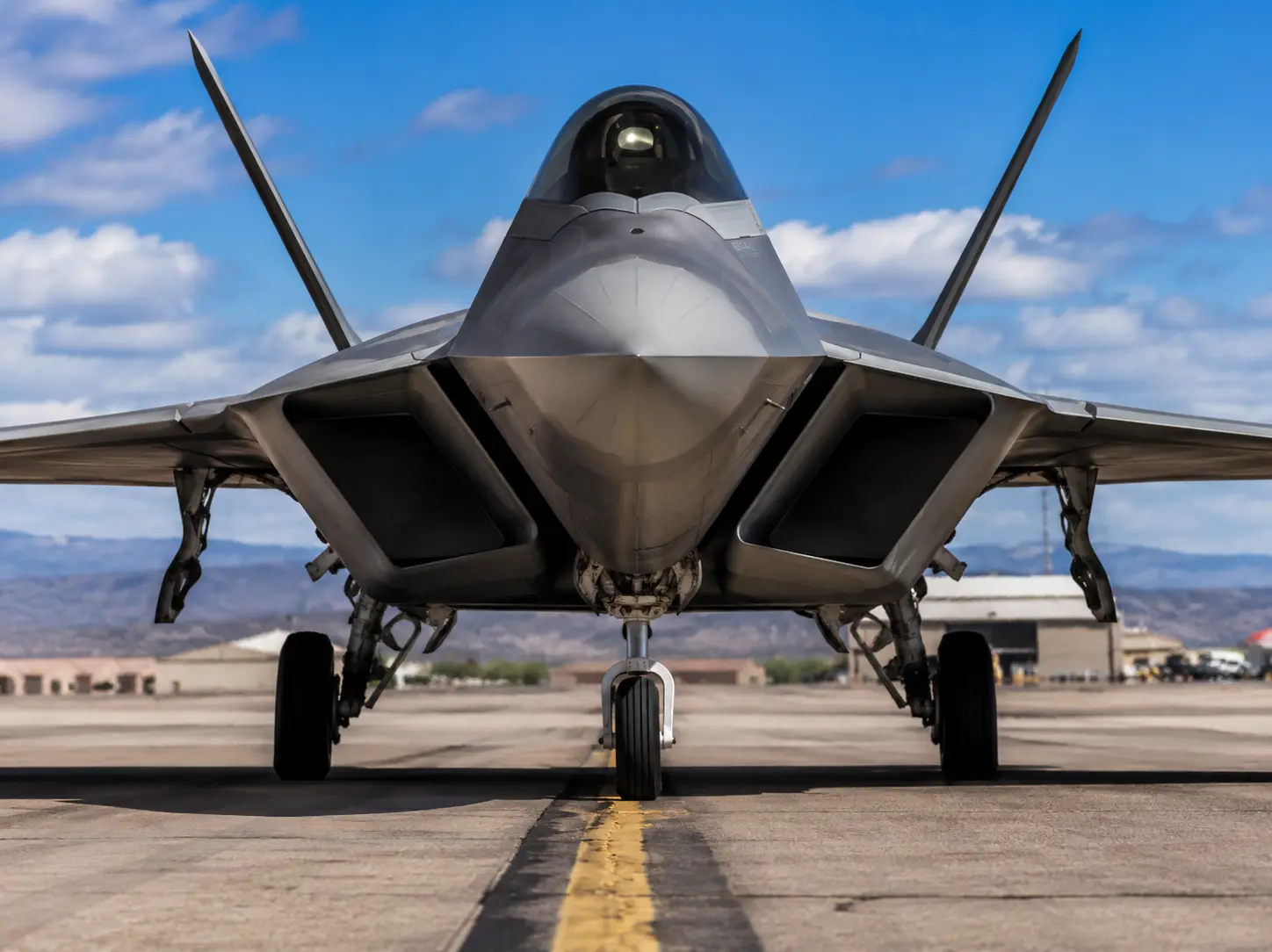
Why US fighter jets use seamless bubble canopies compared to Russian jets
&im=FitAndFill=(700,400))
Why the F-22’s cockpit glass is thicker than a standard fighter jet
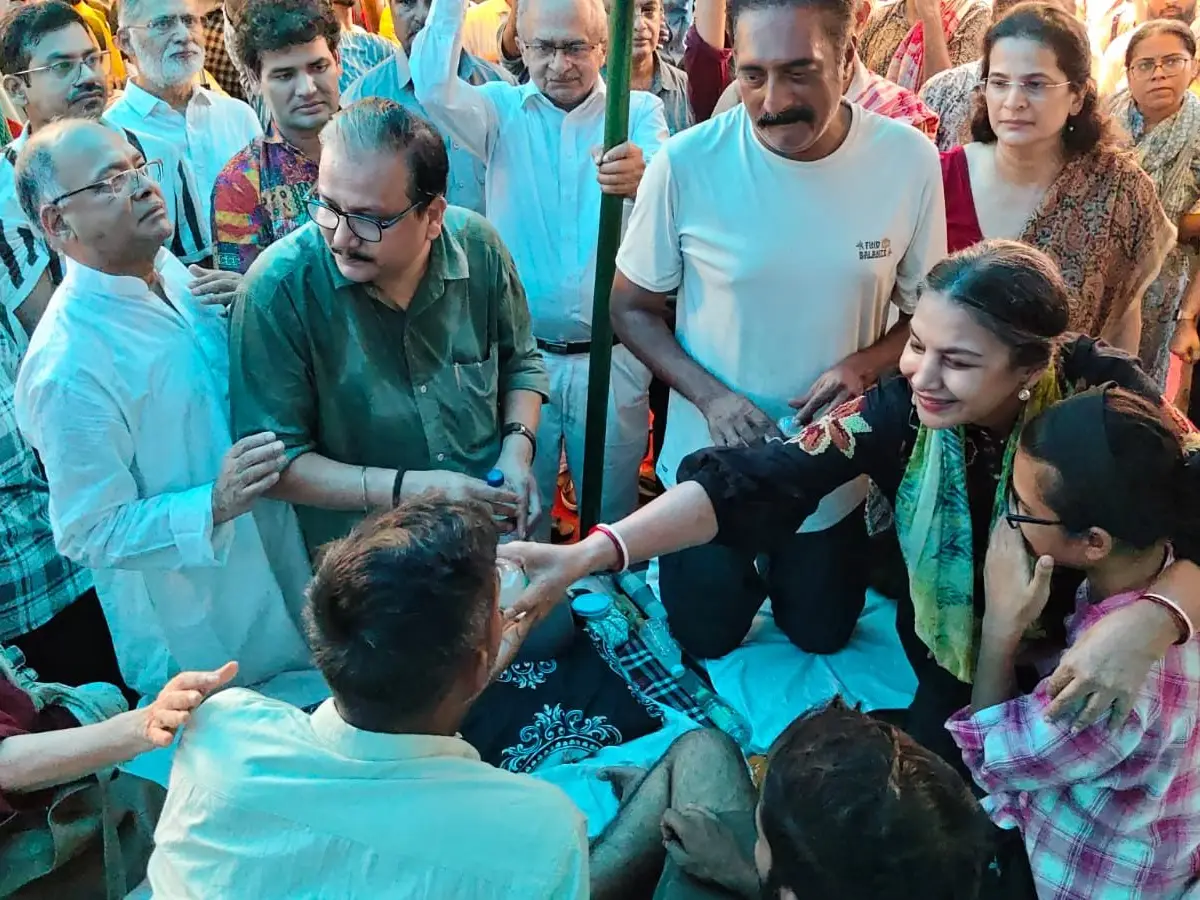)
Student union leaders call off hunger strike at Jantar Mantar after civil society appeal, but protest continues
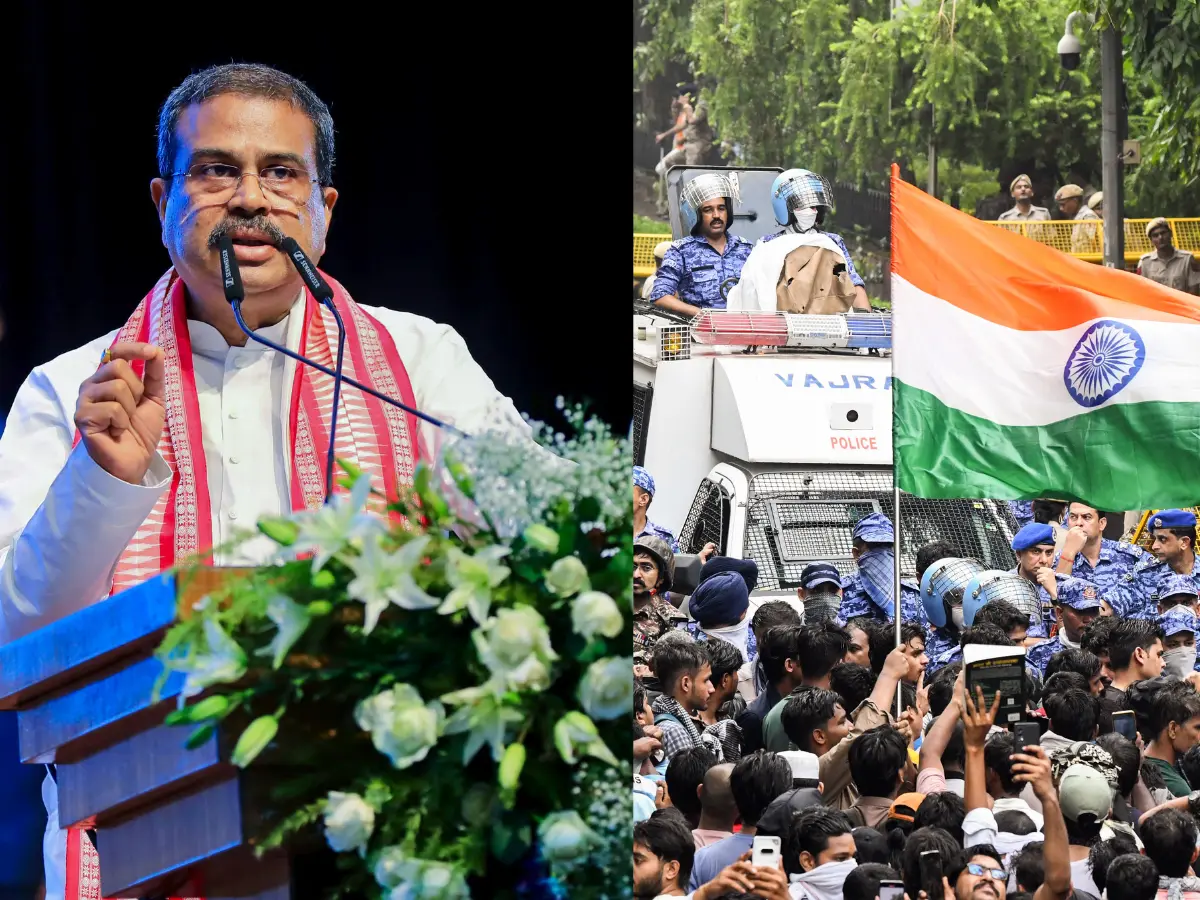)
'Guru is the...': Indian Education Minister Dharmendra Pradhan shares message on education amid calls for his resignation
)
Tulsi Gabbard's brother Batarti accused of luring children to hotel room in Hawaii
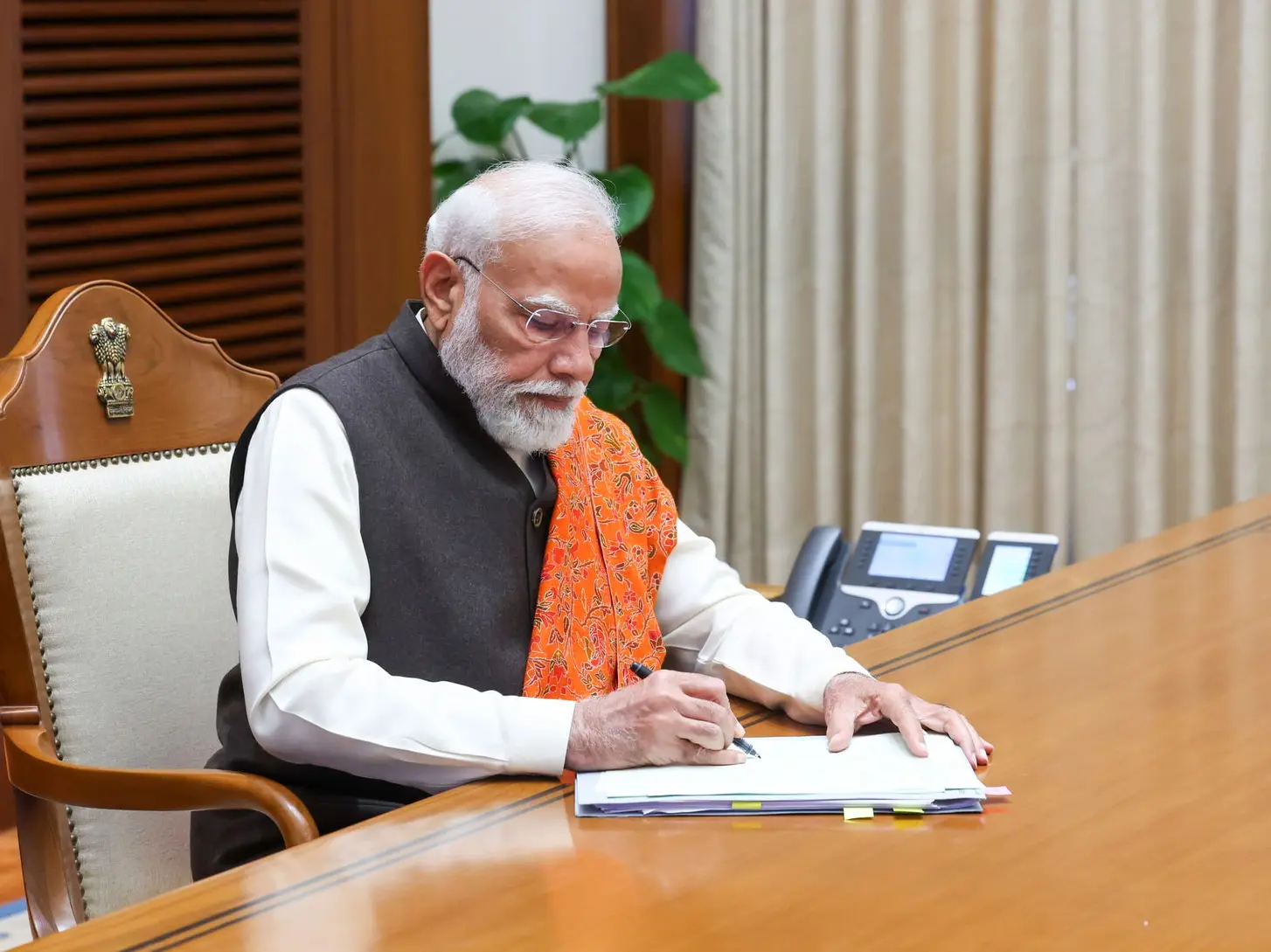)
'We acted immediately...': Indian PM Modi breaks silence on paper leaks as NEET protest, calls for Education Minister's resignation grows
An Indian official, speaking anonymously, emphasised reciprocity and said that “Indian market access can’t be taken for granted. Bangladesh cannot dictate terms to solely benefit itself.” The official noted that while Bangladesh enjoyed unrestricted access to India’s Northeast, it imposed high transit fees—1.8 taka per tonne per kilometre—on Indian goods and restricted non-essential northeastern exports.
These actions will help local Indian manufacturers in northeastern states in developing their own capabilities, but this also means Bangladeshi goods can enter India’s northeastern states only via the Siliguri Corridor, or the Chicken’s Neck.
Before these announcements, India had allowed Bangladesh goods to come to India via all land customs stations and integrated check posts and through seaports without any undue restrictions. The official pointed out, “India is willing to engage in discussions, but it is Bangladesh’s responsibility to create an environment free of rancour.”
This also put an end to Bangladesh’s free access to the entire northeast states, and they saw them as captive markets. The free access also impacted the industrial growth in Northeast states, with businesses impacted by high transit charges by Bangladesh.