
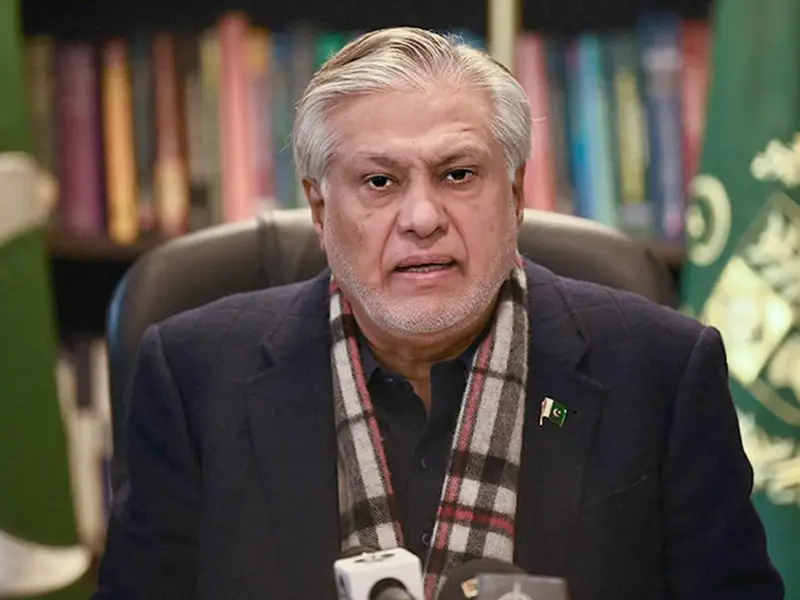
Pakistan’s deputy prime minister and foreign minister Ishaq Dar is heading to China on Monday (May 19) to meet his Chinese counterpart Wang Yi, marking his first foreign trip since the recent India-Pakistan military tensions.
His visit comes just days after both countries agreed to a ceasefire following intense cross-border strikes sparked by India’s Operation Sindoor, which targeted terror sites in Pakistan and Pakistan-occupied Kashmir (PoK).

Trilateral talks with China and Afghanistan on the agenda
Dar’s itinerary includes a key trilateral meeting with China and Afghanistan. Afghanistan’s acting foreign minister, Amir Khan Muttaqi, is expected to arrive in China on Tuesday to join the talks.
According to Geo News, “The foreign ministers of the three countries are expected to discuss the promotion of regional trade, enhanced security cooperation, and the evolving situation in the region, particularly in the wake of the recent Pakistan-India conflict.”
Trending Stories
)
The Early Spring is proof not everyone can talk about their real feelings, and it is perfectly OK
)
UN votes to ‘correct the map’ as India backs fairer world view
)
Nigerian Navy discovers 99,000 litres of suspected stolen, illegally refined products as it intensifies anti-crude oil theft operations
)
Who is Aditi Paudel? 17-year-old becomes Japan's first literacy ambassador
)
Bengaluru: Officials find 40 kg expired chilli at chairman's club
)
Jaishankar rejects trade link to ending Ukraine war
)
Israeli strikes on Lebanon kill three, injure 23 despite truce
)
Alpine glacier was covered with sheep wool sheets to prevent melting. It worked
)
South Korea mulls deploying military assets to Strait of Hormuz
)
World's fifth-largest economy, British army can't afford to train
)
Breaking | Vance takes the podium: First White House briefing since Leavitt's exit
)
Taiwan raises 'concerns' over China's missile test
)
BRICS 2026: $1 trillion sovereign capital set to converge in Delhi for first iBRICS Summit
)
What is Iran's Pickaxe Mountain that Trump has again threatened to bomb?
)
UN votes to correct world map that visually shrank Africa for 450 years
)
Former NewJeans member Danielle launches YouTube channel, hints at new solo journey
)
Bangladesh batter Towhid Hridoy creates history with 350 not out in South Africa
)
Brendan Fraser’s transformation fuels The Mummy 4 excitement as fans welcome back Rick O’Connell
&im=FitAndFill=(700,400))
Krishna Janmashtami 2026: From Dhaniya Panjiri to Makhana Kheer- 5 best sweet dishes perfect for celebrating Lord Krishna’s birth
)
Donald Trump plans to travel to Ireland on Qatari-donated jet amid security concerns
)
Nazi-looted art to return to Jewish heirs
)
Eight killed in Kerala’s Thrissur after car rams into lorry parked on highway
&im=FitAndFill=(700,400))
Why Russian fighter jets use bulky, low-pressure tyres compared to US jets
)
FBI-wanted fraud accused arrested in Jalandhar over $600,000 scam
&im=FitAndFill=(700,400))
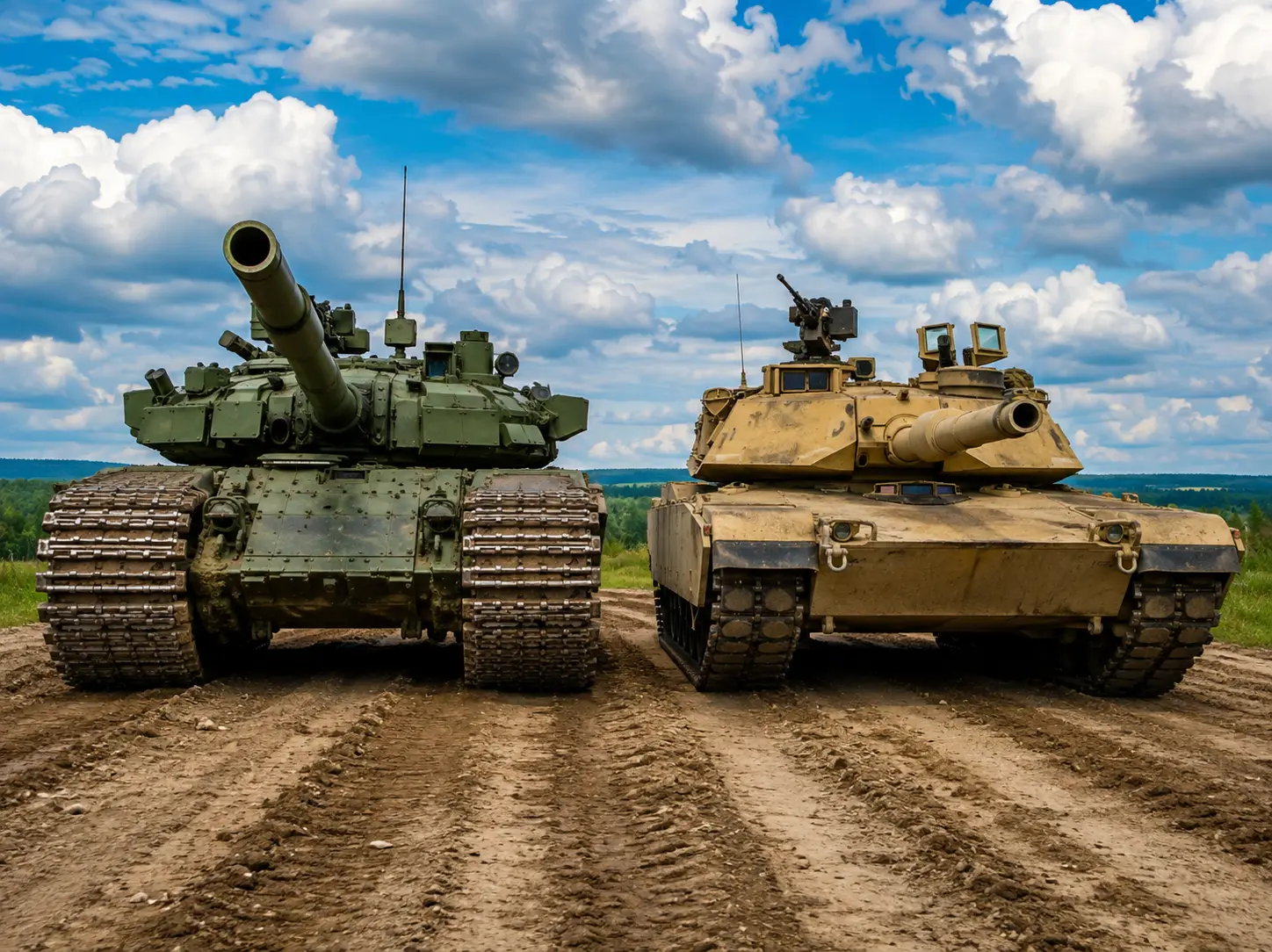
Why US tanks weigh over 20 tons more than Russian tanks
&im=FitAndFill=(700,400))
New Friday OTT releases (September 4, 2026): GDN, Dhamaal 4, Jagamae Sangeetham- Watch 6 new movies and TV shows on Netflix, Prime Video and more
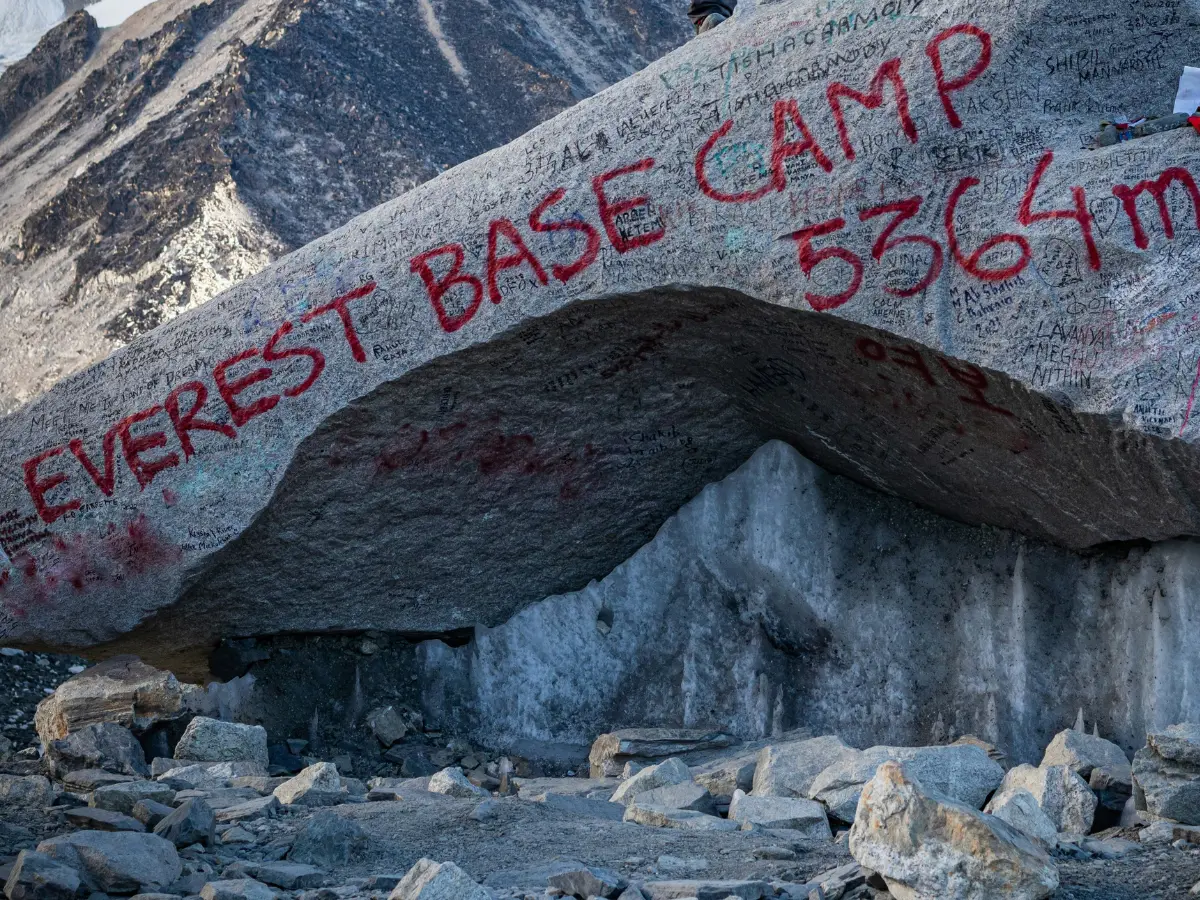)
Killing the Himalayas slowly: Human urine is melting a glacier on Mount Everest
Ceasefire followed four days of drone and missile strikes
India and Pakistan agreed to end hostilities on May 10 after four days of escalating strikes involving drones and missiles across the Line of Control. The decision to hold Dar’s first diplomatic engagement in China, just days after the ceasefire, has drawn attention.
Beijing had earlier welcomed the ceasefire between India and Pakistan, stating it was in “the fundamental and long-term interest of both countries” and helped maintain regional peace and stability.
What happened during India’s Operation Sindoor?
Operation Sindoor was launched by India on May 7 in response to the April 22 terrorist attack in Pahalgam, Jammu and Kashmir, which killed 26 people. The Indian Armed Forces said they carried out precision strikes on terror infrastructure in Pakistan and PoK.
The Indian military reported killing over a hundred terrorists and hitting the headquarters of terror groups like Lashkar-e-Taiba and Hizb-ul-Mujahideen.
In retaliation, Pakistan launched attacks on Indian military sites on May 8, 9 and 10. These were successfully repelled by Indian forces using systems such as the Akash Teer surface-to-air missiles.
The Indian Air Force also struck Pakistani air bases, including the one in Rahim Yar Khan, reportedly destroying radar systems.
